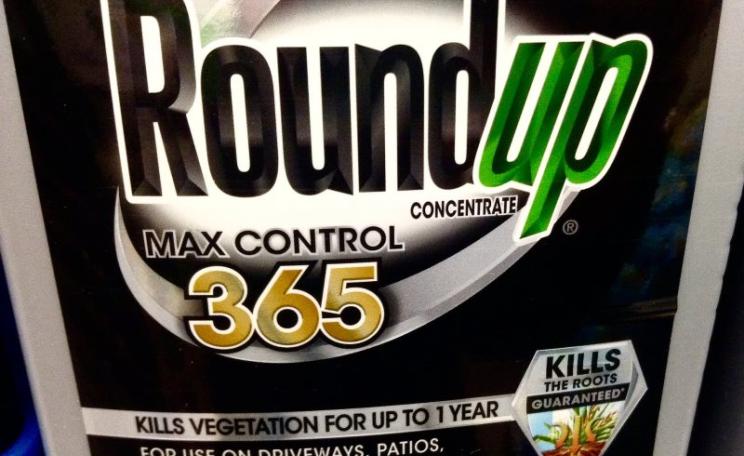
The EU's 'rapporteur state' on glyphosate, Germany, has recommended re-approval of the herbicide with its daily intake increased by 67%, write Drs Nancy Swanson and Mae Wan Ho. The verdict is based on a re-assessment carried out by Monsanto and a consortium of chemical companies, based on unpublished industry studies. It should be rejected outright.
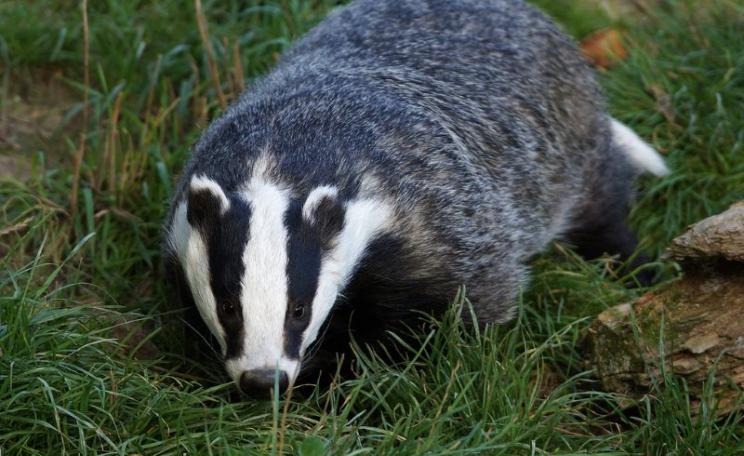
English Nature's decision to licence England's badger cull has no scientific basis, write Iain McGill and 26 other distinguished vets in this Open Letter to EN's Chief Scientist. Science Advisory Committee and Board. The body must urgently re-examine the entire issue before issuing any more licences to kill badgers.
A growing protest movement is demanding strong controls on international investors and logging companies buying up Romania's forests, writes Raluca Besliu. In its sights is Austria-based Schweighofer, which stands accused of criminal malpractice and accepting illegal timber shipments. The popular outrage stirred up by corporate misdeeds is now stimulating a wider democratic revival.
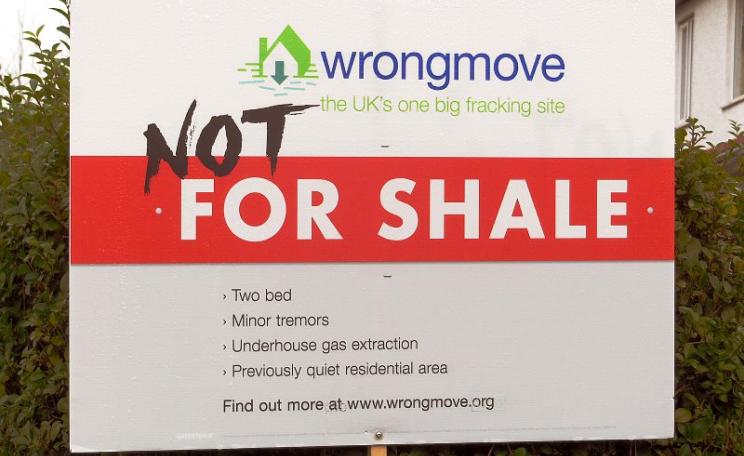
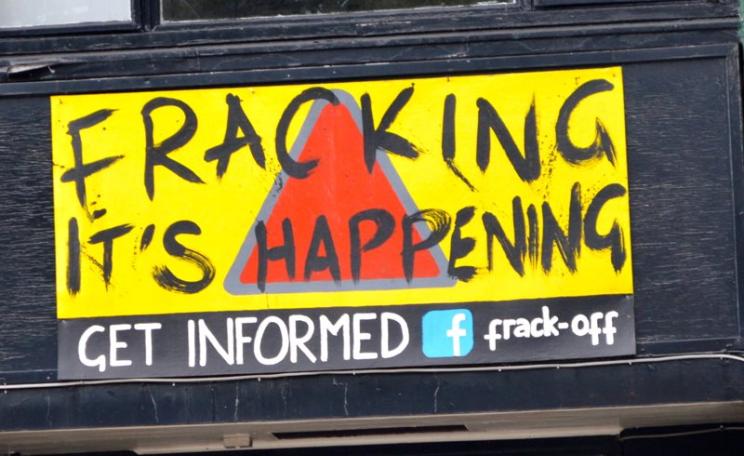
New measures to compel local councils to speed up frackers' planning applications have a clear intention, writes Oliver Tickell - to make it ever harder for planners to refuse permission.
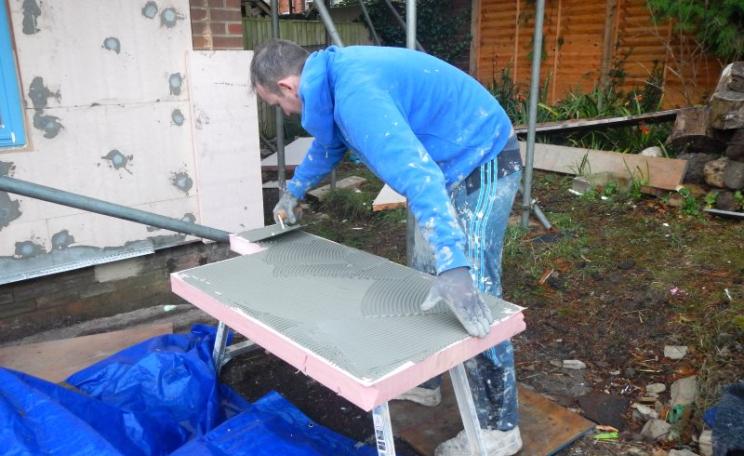
The Green Deal was expensive, bureaucratic, complex, inefficient and so badly designed it could have been set up to fail, writes Sue Roberts. Yet it was the UK's only national home insulation scheme and its intentions were sound. What it needed was rethink and reform, not scrapping - and with it gone, there's a huge gap that desperately needs to be filled.
Monsanto is stepping up its attack on the WHO's classification of glyphosate as a probable human carcinogen, writes Peter Saunders. Dismissing the finding as 'junk science' the company is convening its own industry friendly panel and pushing its secret studies at regulators. Don't let them get away with it!
Previously suppressed documents show that Bayer and Syngenta, the makers of controversial 'neonic' insecticides subject to an EU ban, took part in and sought to influence a key meeting of pesticide experts to decide whether to lift a ban on their use in the UK.
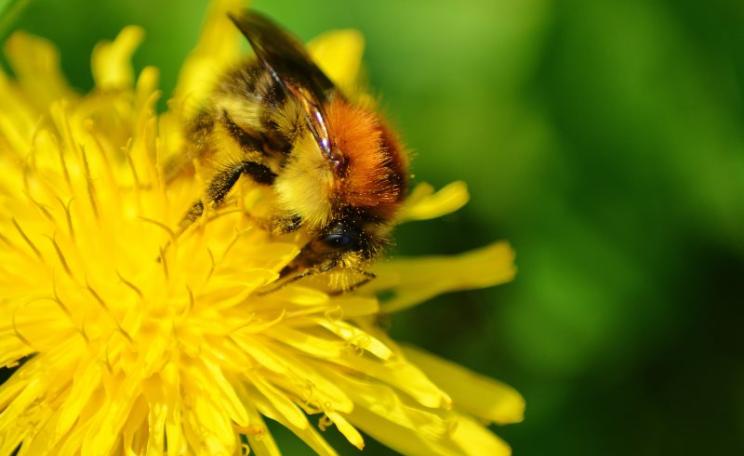
An Emergency Ordinance comes into force in Germany today that extends the EU's ban on 'neonic' pesticides to protect bees. But the UK's farming minister Liz Truss has relaxed the ban to allow farmers to use neonics on 30,000 hectares of oilseed rape.
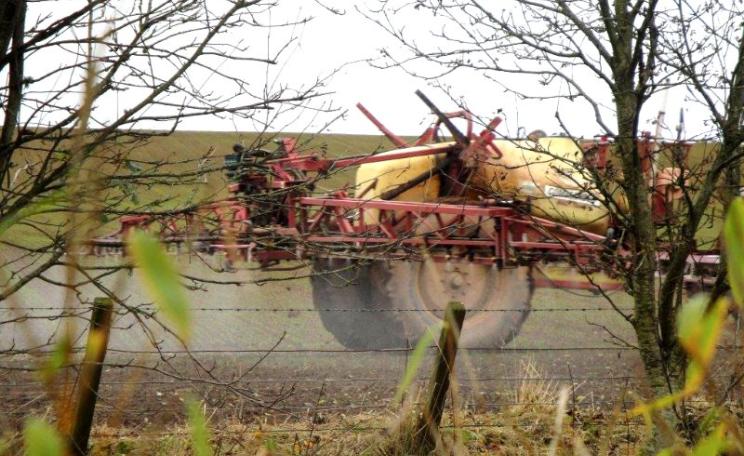
Soon UK farmers will begin to spray their fields of wheat, barley, oats and peas with weed killer to make crops easier to harvest, writes Natasha Collins-Daniel. But the chemicals - including glyphosate, a probable carcinogen - can end up in our bread and other food. Let's put a stop to it now!
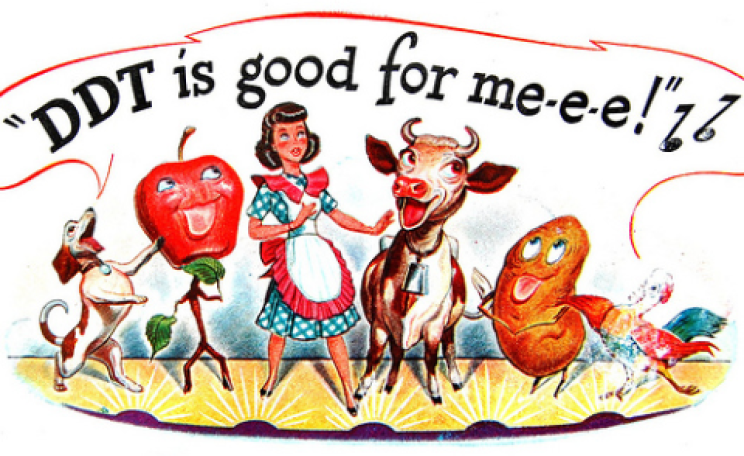
Just as the chemical industry and its shills once proclaimed the safety of DDT, they are doing the same today with the herbicide glyphosate which has penetrated throughout the food chain, writes Evaggelos Vallianatos. And once again it is a toxic lie that threatens species, ecosystems and people. It's time to demand a new kind of agriculture, and a future free of all pesticides.
Three in one: EFSA set to re-licence glyphosate based on secret industry studies; Monsanto moves against IARC verdict that glyphosate is a 'probable carcinogen'; and new science shows that FDA principle of GMO 'substantial equivalence' is bunk.
Dissent over the massive USA-EU TTIP trade deal is focused on the 'corporate courts' allowing investors to sue national governments, But largely neglected has been the equally serious issue of 'Regulatory Cooperation' - which would impose a huge burden of 'red tape' on EU and US legislatures, while forcing down health, safety, social and environmental standards.
A new scientific study has found that laboratory rats used in health and toxicity studies are routinely given feeds contaminated with herbicides, pesticides and GMOs, writes Pat Thomas, potentially invalidating the results of crucial safety tests on GMOs, agrochemicals, medical drugs and other substances, on which health and environmental regulators base critical decisions.
Research by GM-Free Cymru shows that studies carried out for Monsanto and submitted to the US's Environmental Protection Agency in 1981 provided ample evidence that glyphosate caused cancer and other health problems. But the key documents were classed as 'trade secrets' and never published.
Nineteen African nations meet today in Arusha, Tanzania, to finalise a 'plant protection' protocol that would open up the continent's seeds to corporate interests, taking away farmers' rights to grow, improve, sell and exchange their traditional seeds, while allowing commercial breeders to make free use of the biodiversity they embody, to sell them back to farmers in 'improved' form.
The discovery of antibiotic-resistant bacteria in pork products in UK supermarkets is a call to action, writes Peter Melchett. We must end the unhygienic farming practices that only work with constant antibiotic use, and reserve the most valuable antibiotics for human use only - or face a world in which routine surgery and infections bring serious risk of death.
The Government is struggling to spin its policy to fast track fracking, writes Paul Mobbs. So as it cuts the public out of the regulatory process, exempts exploratory wells from controls, and forces the Environment Agency to issue permits with 1-2 weeks, its spin machine has resorted to outright lies and misinformation to conceal the scale of the attack on our environmental rights.
Industrial logging in the world's second largest rainforest is out of control, writes Raoul Monsembula, and spells disaster for both wildlife and forest people. There is an alternative: community forestry has just been enshrined in law. But resources must be committed to law enforcement in Congo and abroad, and to empowering forest communities.
Shell claims a third party audit into its plans to drill for Arctic oil and gas has found 'no issues of significance', writes Joe Sandler Clarke. But the audit remains under wraps, and may never be released in full. Now Obama pledges his support for the project - just as it turns out that Shell selected the 'independent' auditor.
The risk of cancer from the world's top herbicide, glyphosate, is just the tip of the iceberg of health damage caused by exposure to pesticides and other toxic agrochemicals, writes Georgina Downs. It's time for governments to correct their scandalous failure to protect rural residents from the cocktails of poisons sprayed on crops.
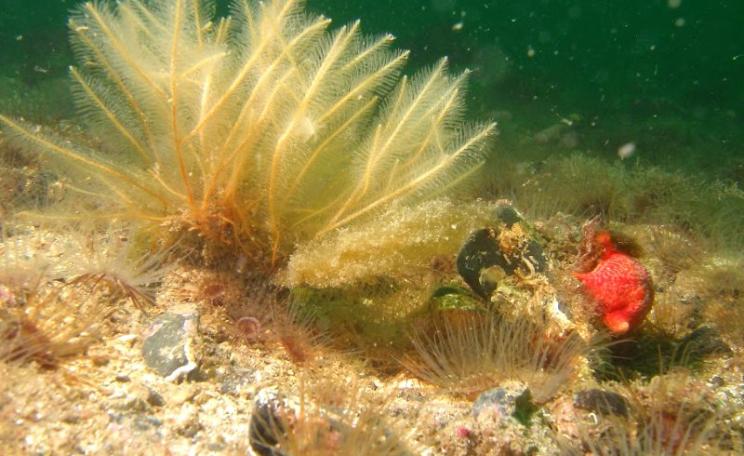
The strongly protected marine reserve in Lamlash Bay, Arran, has been a huge success, write Bryce Stewart & Leigh Howarth, with abandant life returning to the once denuded waters. The government's refusal to expand such protections represents a huge wasted opportunity for both fishing and the marine environment.
A coveted award has put the campaign to protect and recover marine life in the Firth of Clyde, Scotland, into the international limelight. Goldman Prize winner Howard Wood explains how Arran Islanders' efforts to keep scallop dredgers out of Lamlash Bay has brought life, and fish, back to the sea.
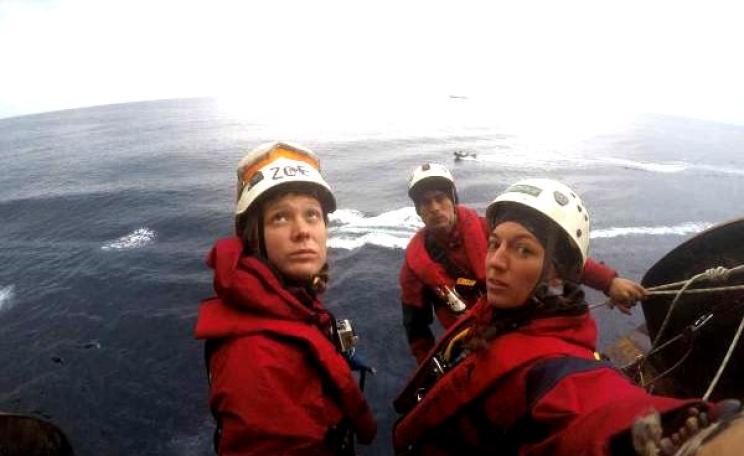
Days after Shell received US Government backing for its plans to drill in the Chukchi Sea in the Alaskan Arctic, volunteers from Greenpeace have occupied its 'Polar Pioneer' oil rig in the Pacific Ocean to demand a halt to all Arctic oil exploration.
California has responded to the drought by rationing water, with $500 fines for domestic 'water wasters', writes Evan Blake. But agribusiness and water-intensive industries like fracking remain untouched by the restrictions, even though they consume over 90% of the state's water.