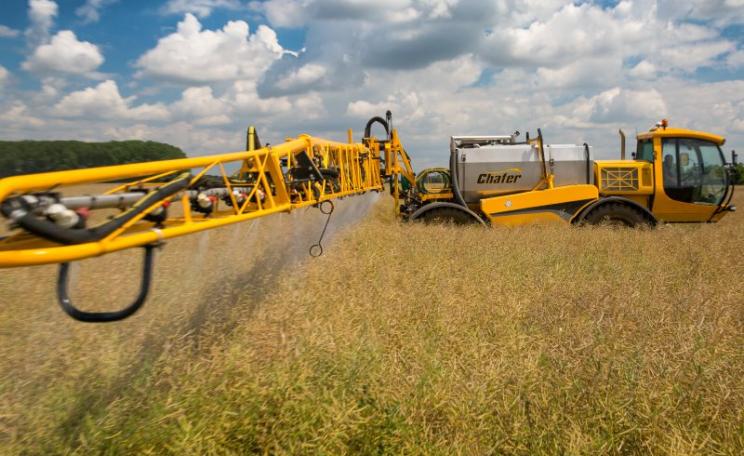
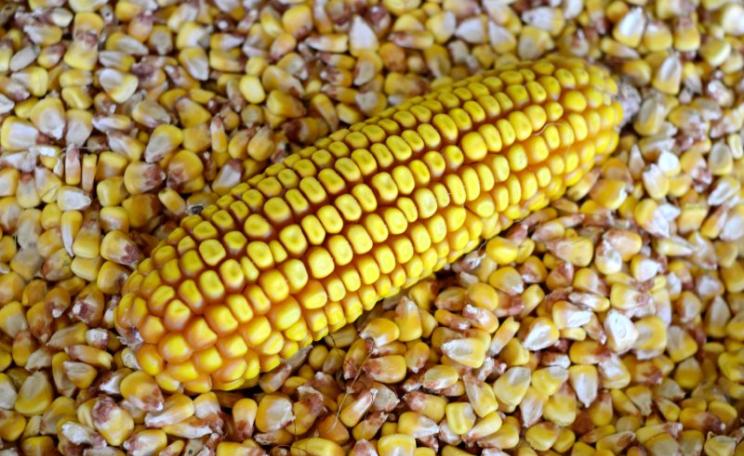
Europe's top food safety regulator has ruled that the world's top selling herbicide, glyphosate, does not cause cancer - in defiance of the WHO and overwhelming scientific evidence. The decision opens the way for a 10-year EU re-approval next year, before its Chemicals Agency has released its own findings.
The European Food Safety Authority is about to decide on a re-authorisation of glyphosate, a 'probable carcinogen', based on unpublished industry studies. In this Open Letter to the European Commissioner for Health and Food Safety, campaigners call on him to ensure an open, scientifically robust process - and to immediately restrict the herbicide.
The European Parliament voted this week to regulate nano-materials in the pending EU law on novel foods, write Jaydee Hanson & Evan Bromfield. But no such moves are taking place in the US. Let's make this the last time our children are exposed to these hazardous substances in their Halloween candy!
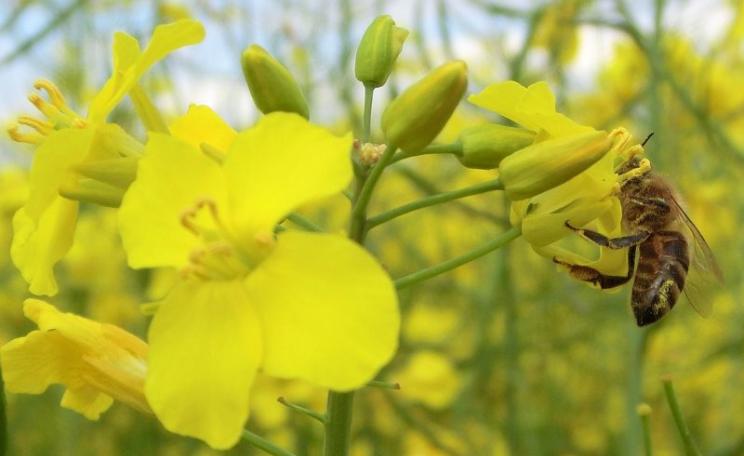
The EU's decision to authorise a new 'neonic' pesticide knowing it was highly toxic to bees has been challenged in the European Court. A similar permit granted to sulfoxaflor in the US has already been struck down by a federal court.
Buried in the minutes of an obscure new quango is evidence of vast corporate capture of the UK government, writes Christine Berry. The order of the day is to strip away business regulation without regard to the public costs - so long as companies save money.
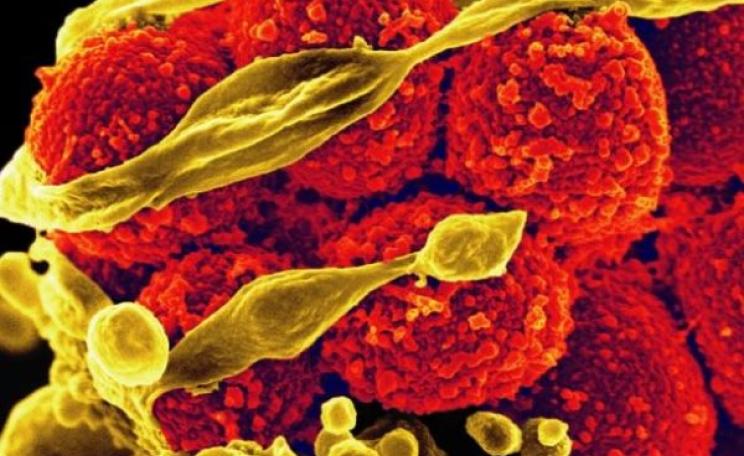
Antibiotics have saved countless millions of lives since the 1930s, but their power is failing due to their massive use in factory farming, horticulture, aquaculture and industry, says a new report from the All Party Parliamentary Group on Antibiotics. We must stop all inessential uses of antibiotics, or face a future where we risk death from minor injuries and routine surgery.
Austrian timber company Schweighofer is linked to large-scale illegal logging which accounts for half of Romania's timber production. An EIA investigation finds that almost all the illegal timber ends up in the company's mills.
The 'regulatory cooperation' clauses in TTIP threaten to strip away vital EU protections on food, health and environment, writes Alex Scrivener. Indeed it has already begun: the mere prospect of TTIP has persuaded the EU to back off on plans to ban lactic acid-treated beef and 31 toxic pesticides. We must reject the entire package!
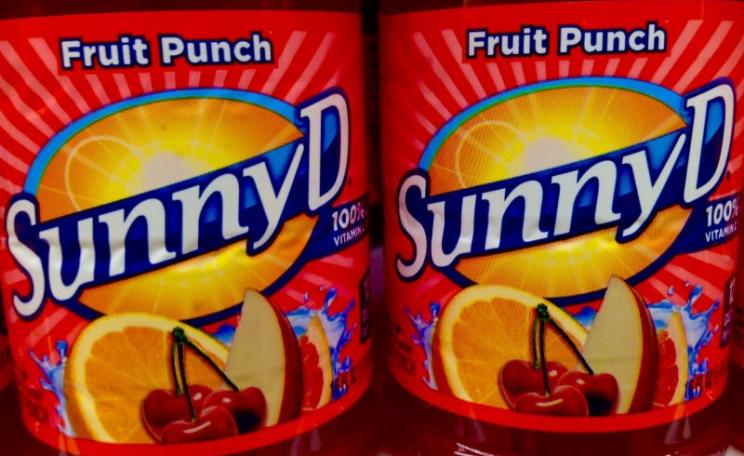
Corporations can be incredibly innovative, writes Paul Levy. But it's not always in good ways. Think of VW's clever device for fooling emissions tests, social media software that's way too intrusive for its own good, or sugary drinks marketed as 'healthy' when they're no such thing. Sadly, there's a lot of it about!
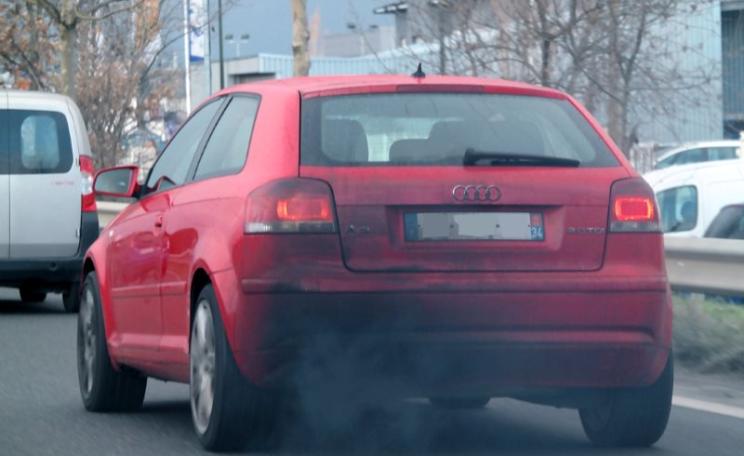
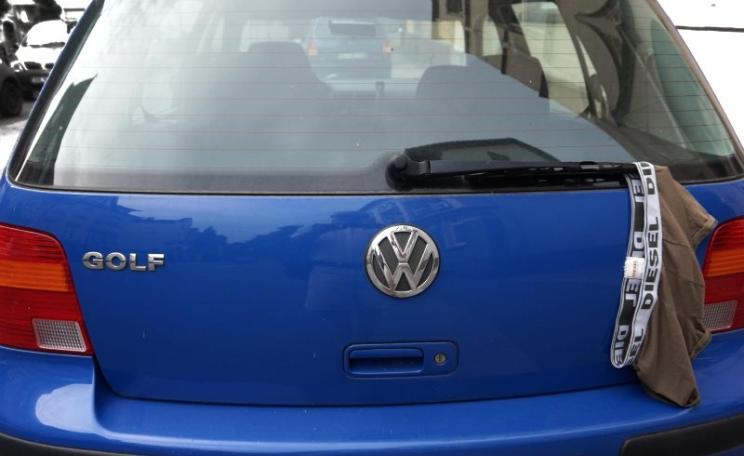
It was a remarkable spectacle, writes Damian Kahya: MPs trying to get straight answers out of VW's top man in the UK over the 'dieselgate' scandal. Of course our cars gave false test results. But who would ever believe those stupid tests anyway? How many people died from all the extra pollution? None! There was no pollution!
The UK's official agency for car pollution testing has taken £80 million from the auto industry in ten years, a Greenpeace investigation reveals, while its senior staff and engineers have a 'revolving door' relationship with car makers.
Water is life, writes Javan Briggs. And it belongs to all of us. California's water shortage is caused, not by 'drought', but by massive long term over-pumping. And as the crisis worsens, the response under the 'water as property' model is just to pump all the harder. We must manage water as a commons - to sustain us all, not to profit the few.
With the deadline for EU countries who wish to ban genetically GM crops drawing near, writes Oliver Tickell, Poland is the latest to register with the European Commission to go GM-free. Now the division of the EU into pro and anti-GM zones may test the single market beyond its limits.
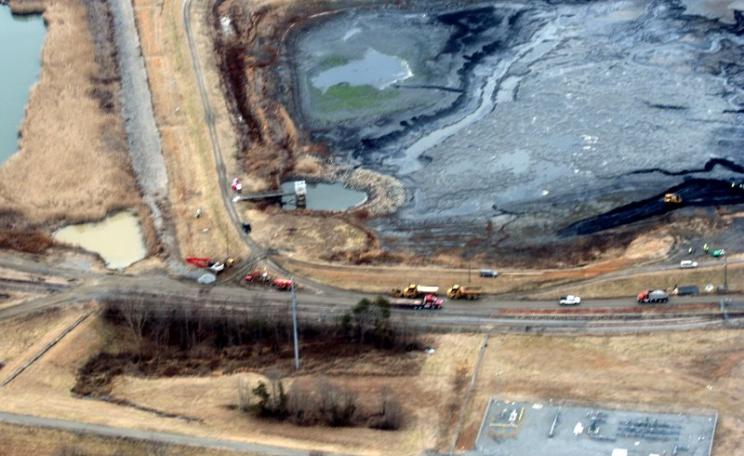
America's coal-fired power plants produce 140 million tons of ash a year, reports Ben Whitford, most of it dumped in open storage ponds that contaminate drinking water with arsenic and heavy metals. And now Presidential candidate Jeb Bush is promising to scrap 'new and costly' (actually feeble) EPA regulations before they have even been implemented.
With all diesel cars failing EU clean air standards in real world driving, and the worst 22 times over the limit, there's only one real solution, write Steffen Böhm & Ian Colbeck: adopt sustainable transport strategies to keep cars off our streets and break our dependence on them.
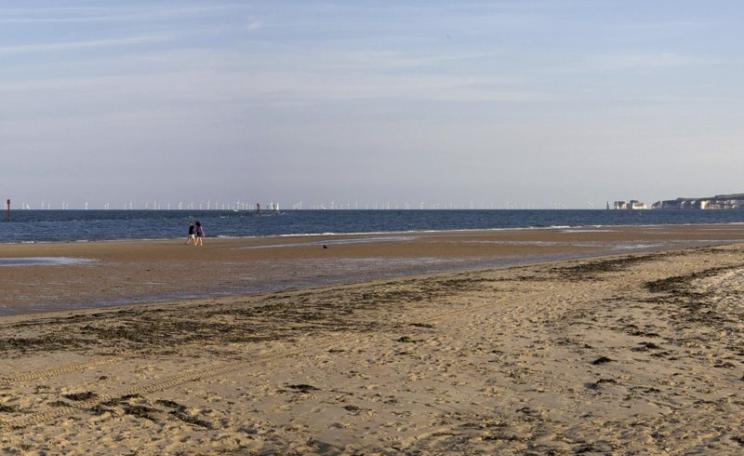
The government's decision to turn down the 1GW Navitus Bay offshore wind farm near the Isle of Wight sends a chilling message to developers: 'don't waste your time and money here!' The refusal of planning permission based on visual impact to a geological world heritage area is capricious and threatens to kill off an industry in which the UK has been - until now - the world leader.
The discovery that Volkswagen has been 'gaming' vehicle emissions tests has taken the world by storm, writes Paul Nieuwenhuis. But it comes as no surprise to campaigners who have long been aware of the huge gap between 'official' emissions and real word pollution. Where were the regulators? And why did it take an NGO to uncover the scandal?
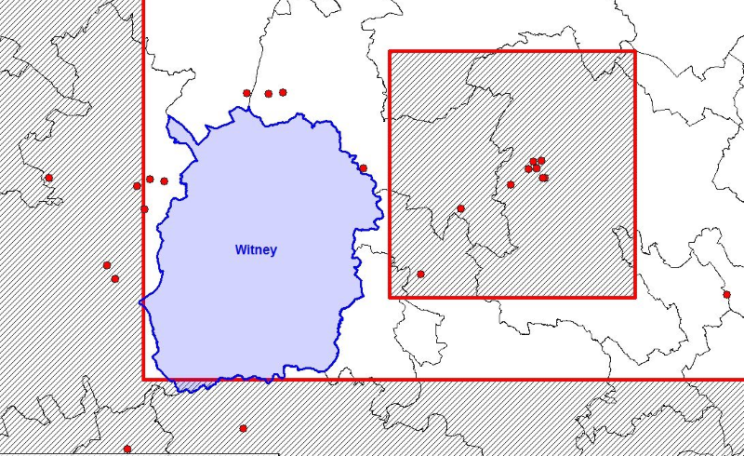
The 14th Onshore Round of oil and gas licencing entirely avoided the Prime Minister's Witney constituency for reasons that clearly have nothing to do with geology, writes David Smythe. Is the little-known Frack-Free Witney the UK's most successful - and covert - anti-fracking organisation? Or are darker forces at work?
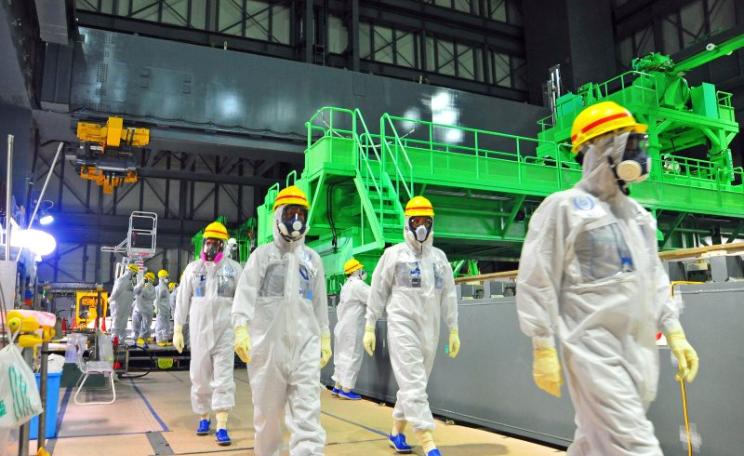
The US's Nuclear Regulatory Commission just cancelled its study into cancer near nuclear plants citing the 'excessive cost' of $8 million, writes Chris Busby. Of course that's rubbish - similar studies in the UK have been carried out for as little as £600 per site, and in any case $8 million is small change for the NRC. The real reason is to suppress the unavoidable conclusion: nuclear power kills.
Forty years ago Monsanto carried out detailed studies of glyphosate and Roundup toxicity, write Richard Gale & Gary Null. But they have remained buried in filing cabinets ever since. Now a determined scientist has breached the wall of secrecy - and all the evidence is that Monsanto knew just how toxic its products were all along, while claiming they were 'safe as lemonade'.
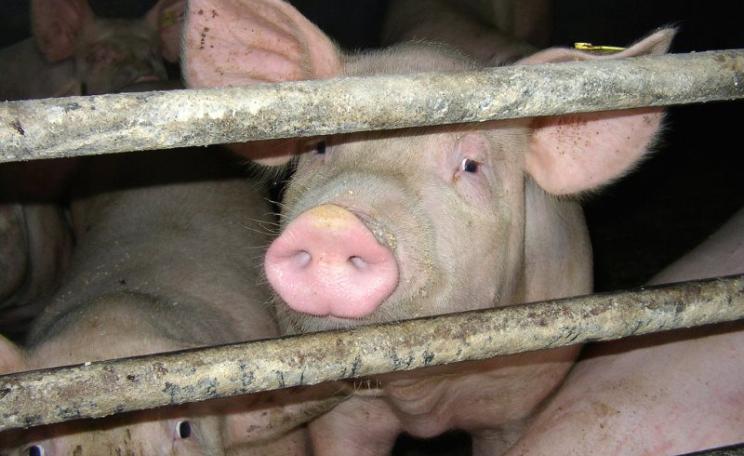
Doctors have been told to limit their use of antibiotics to limit the spread of microbial drug resistance, writes Emma Rose. But 40% of the UK's antibiotics are used on farms, of which 85% is fed to disease-free animals. We can no longer ignore the massive agricultural overuse of the drugs, now a major driver of antibiotic resistant infections.
The well-founded idea that nuclear radiation is dangerous even at the lowest levels is under attack, writes Karl Grossman. Three determined nuclear enthusiasts have filed petitions to the NRC calling on it to apply the doctrine of 'radiation hormesis' - that low levels of radiation actually stimulate the immune system and promote better health. Disagree? You'd better act fast.
Are GMOs safe? Up to a point, writes Jonathan Latham - provided you're not eating them. That's certainly not proven to be safe, indeed the hazards are numerous: protein encoding viral DNA fragments, herbicide metabolites, biotoxins whose operation is not understood, poorly conducted experiments ... and those are just the ones we know about.
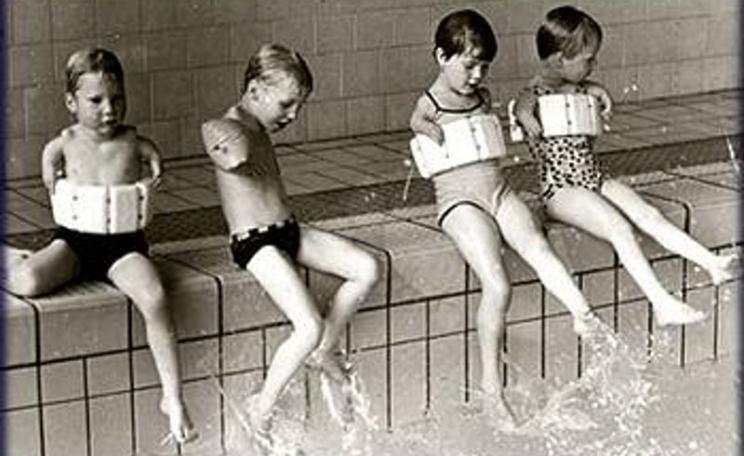
We owe a deep debt of gratitude to Dr Frances Kelsey, write Helena Paul & Philip Bereano. In 1960, she defied her bosses at the FDA to prevent the licensing of thalidomide in the USA, saving thousands from being born with serious deformities. Her tough approach to minimising the risk from new drugs contains lessons we ignore at our peril.