Anti-EU sentiment and climate change denialism go hand in hand, writes Kyla Mandel. But why? Partly it's down to a belief in unconstrained national sovereignty and economic freedom - threatened by the EU and climate change alike. But it's also because out of the EU, the UK could advance the anti-environment agenda the deniers so passionately believe in, with no one to get in the way.
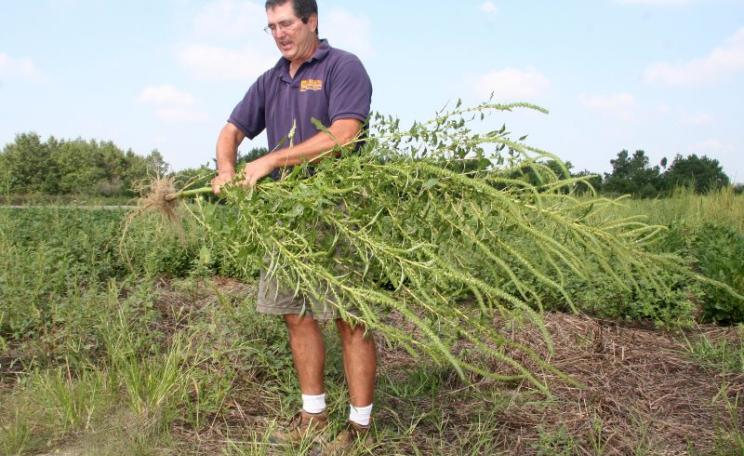
A USDA study shows that a GM alfalfa has gone wild in alfalfa-growing parts of the West. This may explain GMO contamination incidents that have cost US growers and exporters millions of dollars - and it exposes the failure of USDA's 'coexistence' policy for GMOs and traditional crops.
With the EU referendum on the horizon, the Common Fisheries Policy is likely to figure in the debate as an exemplar of EU policy failure, writes Griffin Carpenter. But the much maligned and misunderstood CFP is doing a good job: stocks are recovering, bycatch-dumping is banned, and it may even force the UK to give more quota to small-scale fishers.
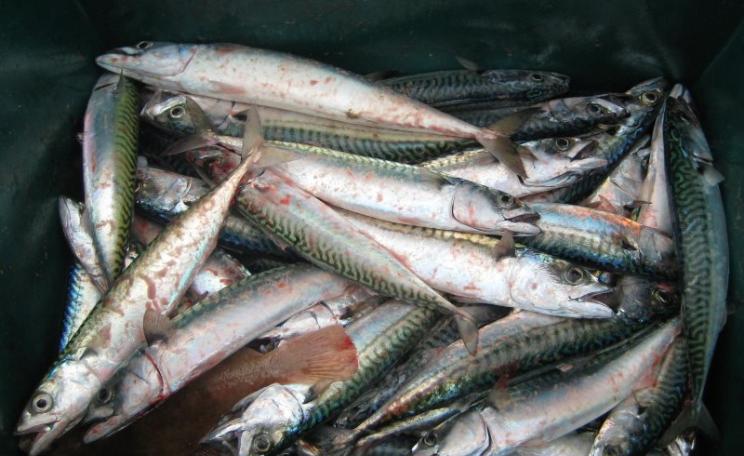
The global catch of fish and seafood is falling at three times the rate reported by the United Nations and urgently needs to be slowed to avoid a crash, reports Christopher Pala. The finding comes in a new study for Nature which quantifies the huge illegal industrial fish pillaging taking place around the world, together with artisanal catches, which in 2010 added over 50% to UN estimates.
Easy to miss in the New Year Honours list: a little-known civil servant for 'services to pesticides regulation'. But none the less shocking for that, writes Georgina Downs. Paul Hamey MBE is the very man who has been responsible for ensuring that rural residents receive no proper protection from repeated exposure to toxic mixtures of pesticides on nearby farms. Go figure.
The EU is considering the exclusion of gene-edited plants and animals from GM regulations, write Janet Cotter & Ricarda Steinbrecher. However gene-edited organisms clearly fall within the definition of GMOs in both European and international law. They also present real risks to the environment and human health - and must be regulated like any other GMOs.
Each year the US Department of Agriculture manages to test for over 400 pesticides in food, writes Carey Gillam. But glyphosate, the world's biggest-selling herbicide, is not among them, even as evidence of its dangers mounts. It's time for USDA and EPA to stop their buck-passing - and give consumers their right to know.
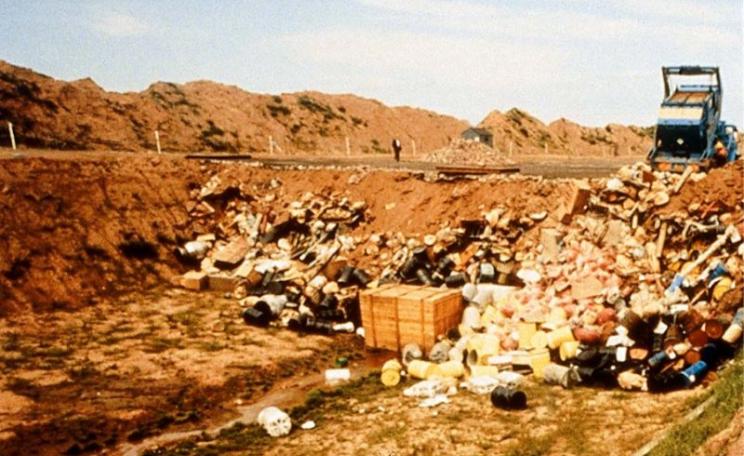
Following this month's intense rainfall in the north of England an Environment Agency alert has highlighted the flood risk to the crumbling nuclear waste dump adjoining Sellafield in Cumbria, writes Marianne Birkby - a dump which remains in use despite its condemnation by the EA in 2005 due to its likely destruction by rising seas. Now it really is time to close the gate on Drigg!
The UK's insistence on opening up the UK to fracking is symptomatic of a deeper malaise, writes Paul Mobbs. Of course we need a change of government, but more than that, we need a deeper, enduring change of the nation's governance if we are ever to effect the transition to sustainable policies on energy and environment. It's time for the UK to become truly democratic.
The 'plasticiser' DEHP is known to leach out of plastics and cause fertility problems in male foetuses, writes Tess Crean. That's why it is banned under EU law. But now the Commission looks likely to grant a wide-ranging exemption for PVC recycling which would make the ban redundant. They must be stopped.
The Precautionary Principle must mean, above all, avoiding the risk of ruinous outcomes for people or the wider environment, write Rupert Read & David Burnham. When the Philippines Supreme Court applied that test to GMOs, they found they had to ban them - not as a moral choice but pragmatically, to avoid potentially devastating consequences.
India's Genetic Engineering Appraisal Committee stands accused of Contempt of Court for evading Supreme Court orders to carry out full biosafety tests on GM crops and publish its data, writes Colin Todhunter. The immediate issue is a herbicide tolerant GM mustard now approved for large scale trials, while earlier findings remain under an impenetrable veil of official secrecy.
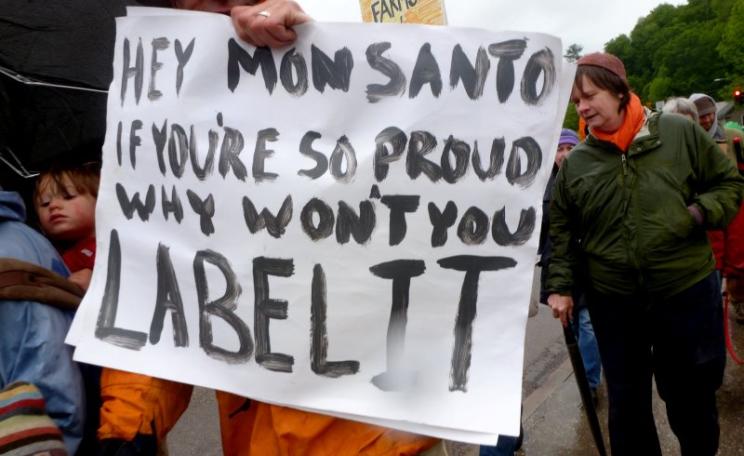
Pro-GMO US senators have a dastardly plan to deny states the right to require GMO labeling, writes Steven M. Druker, by attaching their DARK Bill as a rider to the Appropriations Bill next week. Now is the the time to wake up senators to the Bill's true intent, and to the deceit, illegal behaviour and scientific falsification that has kept the dangers of GMO foods a well kept secret - so far.
Native wild beavers in their natural range are meant to receive stringent protection under European and Scottish law, writes Louise Ramsay. But farmers have declared 'open season' on the small but growing population, shooting them at will, while the Scottish Government and its wildlife agency look the other way.
The health of Europe's citizens is on trial as the EU's food safety regulator challenges the World Health Organisation over glyphosate and cancer, writes Corporate Europe Observatory. On the WHO side, published, peer reviewed science, real world epidemiology and open processes. While the EFSA conclusion is based on secret industry studies and opaque procedures. Will science or realpolitik win the day?
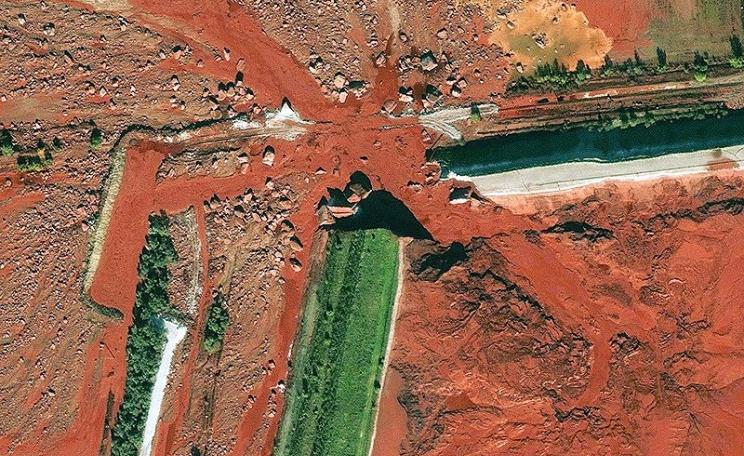
There's a quick climate win for COP21 negotiators to ponder, writes Wilf Lytton - one that could convert a billion tonnes a year of CO2 into mineral form while neutralising caustic wastes like coal ash and slag. But first, industries and regulators must adopt a 'recycling' mentality to these hazardous materials, rather than the 'dump and forget' model that prevails today.
Little publicised government plans to 'reform' court costs are intended to foreclose access to environmental justice for all but the wealthiest individuals and communities, writes Paul Mobbs. Meanwhile cuts to agencies and regulators will make it ever harder for them to do their jobs - making public participation in environmental protection all the more important.
A six-month investigation finds that the revolving door between government and the chemical industry has led the EPA to rely on easily manipulated toxicology research carried out entirely on computers - and this 'in silico' science often trumps both biology and epidemiology when it comes to regulatory action, or lack of it. The result? Toxic substances remain in everyday products.
The US Environmental Protection Agency has just withdrawn its authorization for a toxic mix of two herbicides, glyphosate and 2,4-D, to be used on GM crops. The move came in response to a lawsuit claiming the initial registration was unlawful.
A new wave of ‘next generation' GM crops resistant to multiple herbicides, may be approved for import into the European Union, writes Helen Wallace, even though the health impact of the herbicide combinations is unknown. Regulators and retailers must refuse to authorise these GMOs or allow their use in any part of the food chain.
Death threats to an indigenous forest defender in Peru have followed his success in closing down an illegal palm oil operation on his tribe's lands carried out by a member company of the Roundtable on Sustainable Palm Oil, now meeting in Kuala Lumpur.
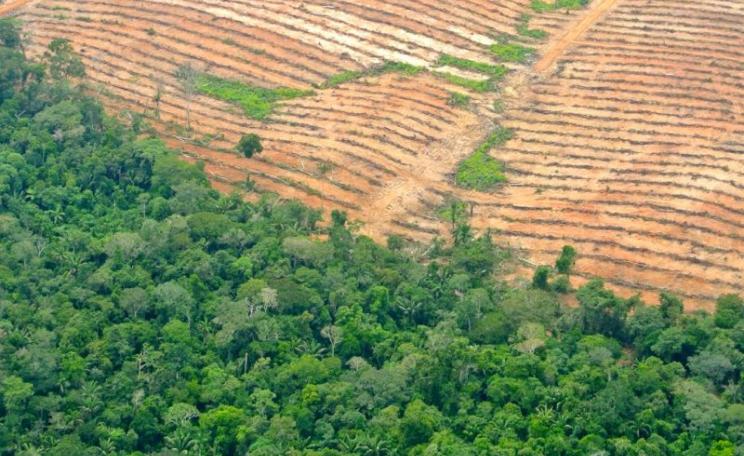
A new investigation of palm oil plantations, companies and auditors has found that the Roundtable on Sustainable Palm Oil is failing to deliver on its promise, writes Chris Lang. Widespread fraud, collusion between auditors and companies, conflicts of interest, and a flawed complaints system mean that RSPO-certified palm oil may be destructively and illegally produced.
Thanks to New Zealand, the full text of the Trans Pacific Partnership has been made public. And as Pete Dolack writes, it's a disaster for health, environment, workers and democracy - one that will unfold over years and decades to come, as investors and corporations consolidate their power over elected governments and cement in the global rule of unaccountable capital.
A new review of the performance of politically fashionable 'voluntary' approaches to environmental protection demonstrates limited effectiveness, writes Donal McCarthy. Laws and regulations play a vital role in protecting nature and the wider environment - for which voluntarism is no substitute.