Groups representing over 5 million Nigerians are resisting Monsanto's attempt to introduce GM maize and cotton, writes Vanessa Amaral-Rogers. With growing evidence of harm to human health and environment, and failing GM crops in other countries, they say Monsanto's applications must be refused.
The much-derided Common Fisheries Policy must be one of the EU's most unpopular aspects, write Bryce Stewart & Griffin Carpenter. But in fact it has been a notable success, reflecting public concern over bycatch discards and restoring sustainability to Europe's fishing grounds, and profitability to a long declining industry.
Koide Hiroaki has spent his entire career as a nuclear engineer, and has become a central figure in Japan's movement for the abolition of nuclear power plants. He met with Katsuya Hirano and Hirotaka Kasai to discuss the catastrophic nuclear meltdowns at Fukushima Daaichi in March 2011, and the crimes and cover-ups committed both before and after the event.
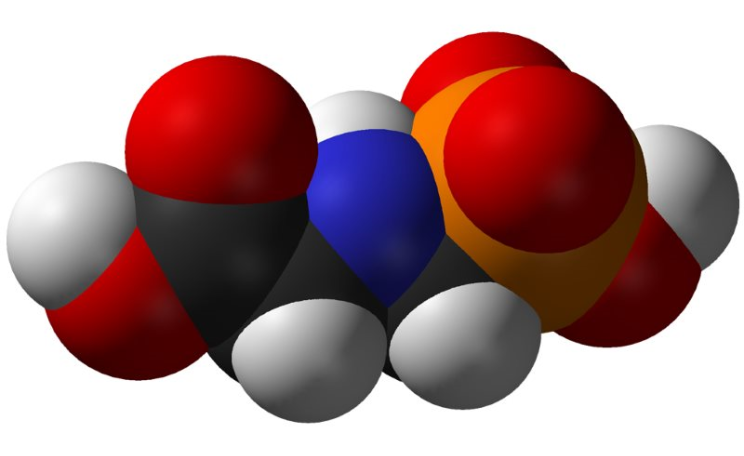
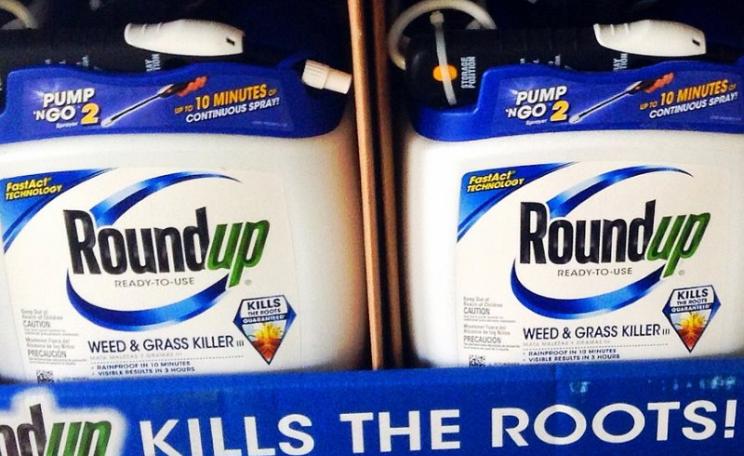
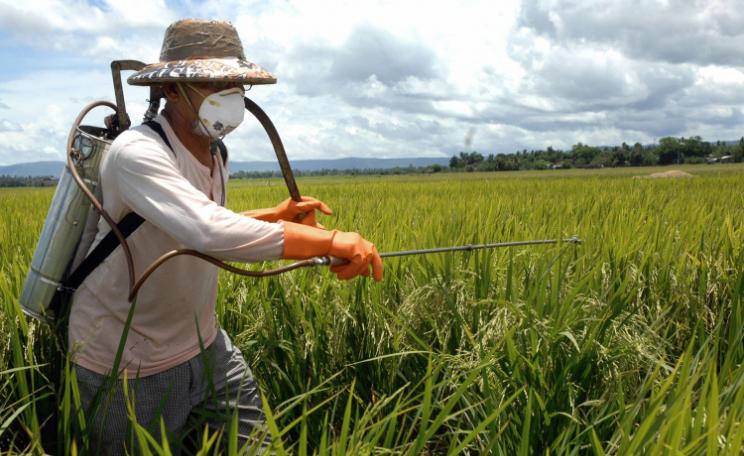
With industry spinning that glyphosate is harmful to health, if at all, only with co-formulants like tallowamine, the World Health Organisation's cancer agency IARC has just released a Q&A document (below) stating that 'pure' glyphosate poses similar cancer and genotoxicity risks as its formulations. Banning particular co-formulants, as proposed by some EU countries, does not solve the problem.
It has been an epic battle, writes Aisha Dodwell. Monsanto and other corporations are desperate to get the world's number one herbicide, glyphosate, relicenced in the EU. But their network of power has been challenged by doctors, scientists and a global movement of people. With today's postponement of the EU's decision, we have just scored a major victory.
A new study shows that 99.6% of Germans are contaminated with the herbicide glyphosate, writes Nicole Sagener. The news comes as the EU puts off a crucial decision on whether to re-authorise the chemical, described by IARC as 'probably carcinogenic', until 2031.
The way food is produced has a profound impact on its nutritional profile, according to research published in the British Journal of Nutrition. Not only is organic farming better for animal welfare, the environment and wildlife, writes Peter Melchett, but organic meat, dairy, fruit and vegetables all have tangible health benefits for the people who eat them.
The 'Biotechnology Food Labeling Uniformity' bill has been introduced to the US Senate to require clear, simple labelling of GMOs nationwide - informing consumers while saving manufacturers from a confusing patchwork of state regulations. Could it defeat the dreaded DARK Act?
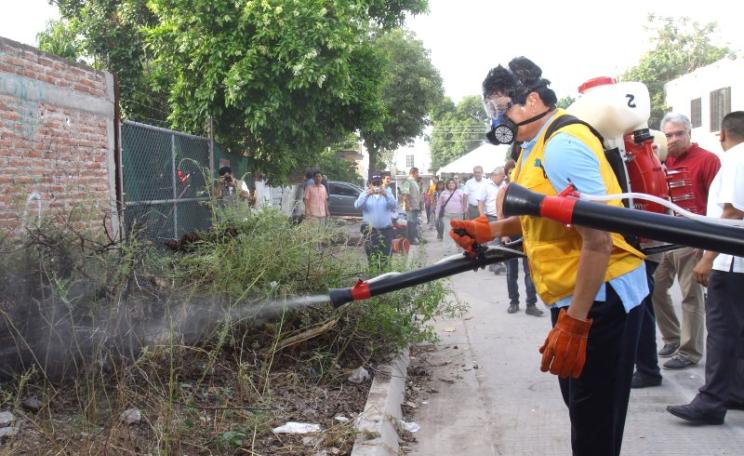
Next week, EU governments will vote on whether to re-authorise the weedkiller glyphosate, judged by IARC to be a probable human carcinogen, writes Molly Scott Cato. The disgraceful shenanigans of the Commission and the European Food Safety Agency to date provide a clear example of the EU and member states conspiring with corporations, against citizens.
Those who dare suggest that pesticides might be implicated in Brazil's microcephaly outbreak are being furiously attacked as irrational, nonsense-spouting 'conspiracy theorists', writes Claire Robinson. But the attackers have an uncanny ability to get their own facts in a twist. And among them are writers linked to industries with huge economic interests in the matter.
With 29 applications for new badger culls, writes Lesley Docksey, the government still has no idea how many badgers there are in the cull areas, or how many of them have TB. Nor does it want to find out. The badger culling project is getting less scientific by the day - or should that be by the square kilometre?
The chemical industry and the European Food Safety Authority are refusing to disclose key scientific evidence about glyphosate's risks, citing 'trade secrets' protection, writes Corporate Europe Observatory. They must be compelled to publish the 'mysterious three' scientific studies EFSA used to assess glyphosate as 'unlikely' to cause cancer to humans - contradicting the IARC's view.
The European Commission was guilty of maladministration and acted unlawfully in approving pesticides for which there was insufficient safety data, the EU Ombudsman has ruled. It must now reform its practices, writes Vanessa Amaral-Rogers, or face legal action.
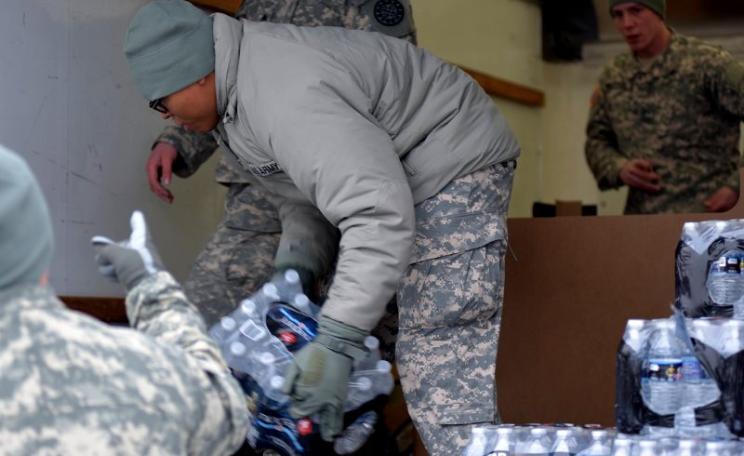
Amid the growing call for those guilty of causing Flint, Michigan's water crisis to be prosecuted, Jane F. Barrett finds little prospect of criminal charges under the Safe Drinking Water Act. But federal, state and common laws offer prosecutors a range of potential charges, from malfeasance, misfeasance and nonfeasance to involuntary manslaughter.
Our thirst for the latest gadgets has created a vast empire of electronic waste, writes Ian Williams. The EU alone produces some 9 million tonnes of it a year, of which some 70% is still working when disposed of, and over a third is disposed of illegally. With increasingly affordable electronic devices available to ever more people, it's high time for effective global regulation.
Global oilseed, agribusiness and biotech corporations are engaged in a long term attack on India's local cooking oil producers, writes Colin Todhunter. In just 20 years they have reduced India from self-sufficiency in cooking oil to importing half its needs. Now the government's unlawful attempts to impose GM mustard seed threaten to wipe out a crop at the root of Indian food and farming traditions.
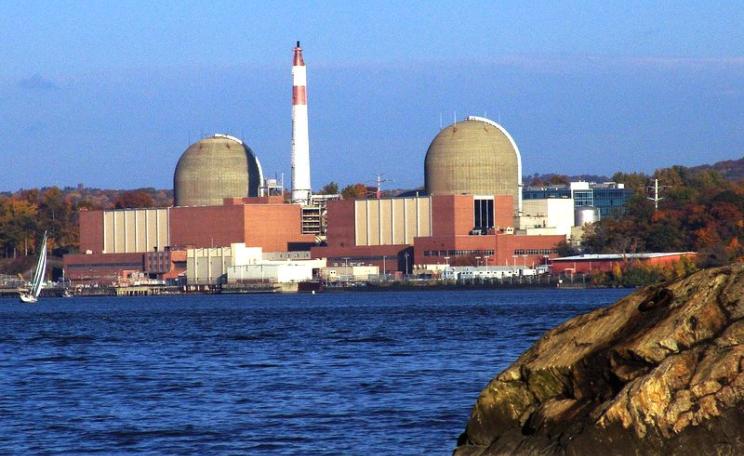
Highly radioactive tritium has leaked into groundwater at the Indian Point nuclear site 40 miles north of Manhattan, New York, write Sam Thielman & Alan Yuhas. Governor Cuomo has ordered a review of safety at the site, where two reactors are operating with no NRC license.
America's crumbling nuclear power plants, dozens of them built to the design that spectacularly failed at Fukushima, must be closed down to prevent catastrophe, writes Harvey Wasserman. So let's hear Bernie Sanders and Hillary Clinton speak out on the topic and make it a core issue in the Presidential race!
A growing body of scientific evidence show that cell phone users suffer a range of negative health impacts from infertility and brain tumors to hyperactivity and memory loss, writes Gary Null. Yet the Center for Disease Control has taken a weak and ambiguous stance on the issue, reflecting industry interests at the expense of citizens. We deserve - and must demand - better.
Boosters of 'free trade' agreements - like the Trans Pacific Partnership that's being signed today - like to make big promises, writes Pete Dolack: trillions of dollars of economic gains, billions of dollars of investment, millions of new jobs. But there's only one certainty, and it's one they never mention: the permanent redistribution of power and income from working people to capital.
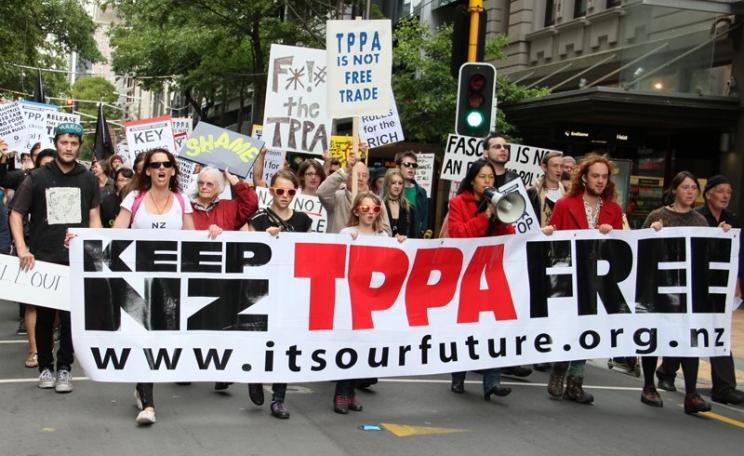
Trade ministers will sign the Trans Pacific Partnership 'free trade' deal today, writes Sam Cossar-Gilbert. But don't be fooled by the razzmatazz. Resistance to the agreement is growing fast, and the more people find out about it and its devastating impact on jobs, health, human rights and environment, the less they like it.
Biotech corporations have invested billions in a range of new 'GM 2.0' technologies designed to redesign the world's germplasm and create new generations of super-GMOs, writes Nina Holland. And powerful investors have no intention of letting tedious EU regulations get in the way of the profits they are now poised to reap - no matter what the laws actually say.
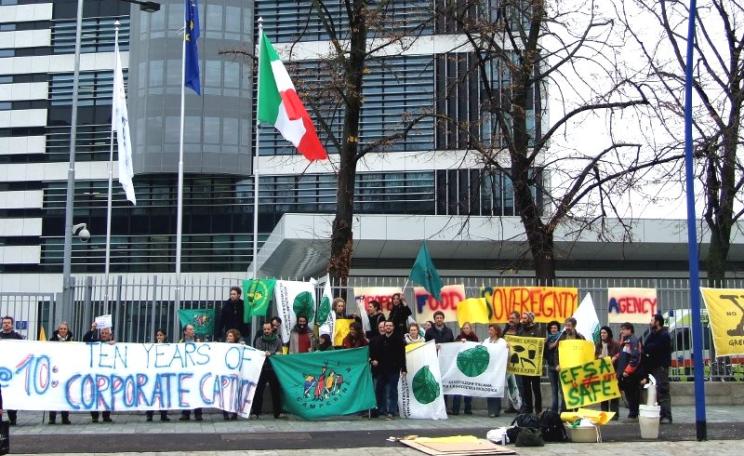
The European Commission must not re-approve the 'probably carcinogenic' weedkiller glyphosate so long as its assessment is based on secret industry studies, actual products are not investigated, and in the absence of scientific criteria for endocrine disruption, write 66 MEPs in this Open Letter to Commissioner Andriukaitis, in charge of health and food safety.
Environmental injustice is deeply embedded in American attitudes, says Robert D. Bullard, and the lead pollution of Flint's water is but the latest example of an unconscious yet pervasive discrimination against poor and minority communities across the US. Only with strong, deliberate and effective leadership can the EPA and other regulators overcome their prejudices.