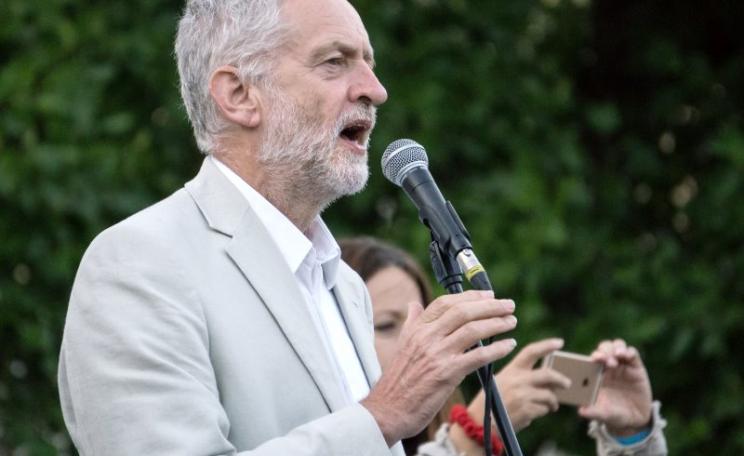
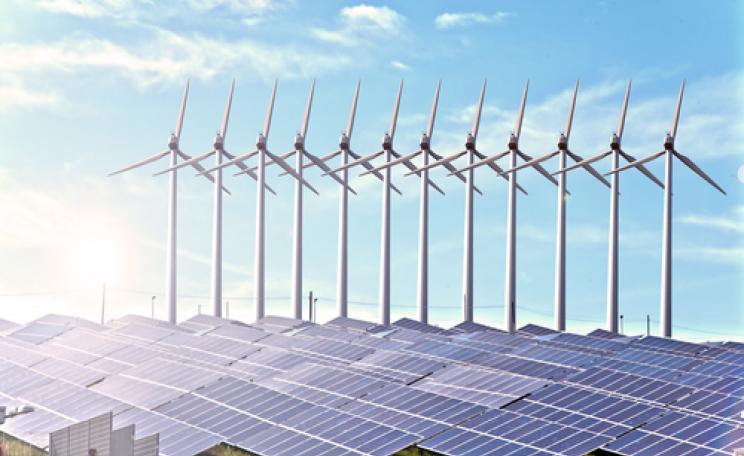
Under my leadership Britain will act to protect the future of our planet, with social justice at the heart of our environment policies, writes Jeremy Corbyn. Meeting our Paris climate targets will be the starting point for a green industrial revolution that will deliver clean, affordable energy to all, create millions of new jobs, and establish the export industries of the future.
The irrepressible Bill McKibben, and the movement he founded - 350.org - have been behind two of the biggest climate change victories in recent years: the blocking of the Keystone XL pipeline and the withdrawal of 3.4 trillion dollars of fossil fuel investments. He talks to JOE WARE
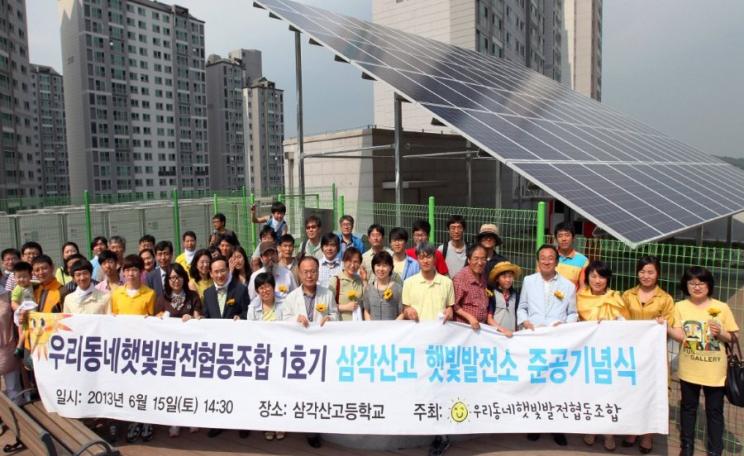
A new opinion poll of 2,000 adults reveals more than two thirds of the public support renewable energy schemes where projects are undertaken at a community level and local people receive financial benefit. The support even extends to wind and solar farms close to people's homes.
As the G20 meet in China this weekend, it's time for governments to finally get tough on the world's tax dodgers, write Dipti Bhatnagar & Sam Cossar-Gilbert. The missing tax revenues would be able to finance a 100% renewable electricity system covering half the planet by 2030 - a major step in raising living standards and tackling climate change.
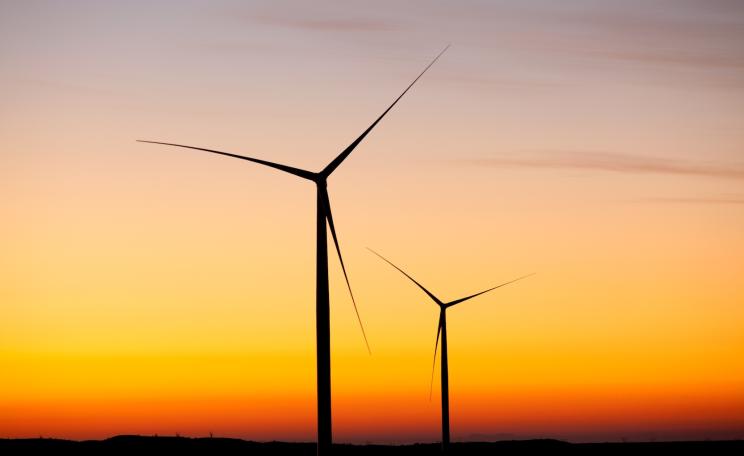
Marmite. Barry Manilow, Nigel Farage and wind turbines. People either love them or hate them with rarely anyone on the fence. But Deon Reynolds' atmospheric turbine photographs might just buck that trend and persuade even rabid climate deniers to acknowledge their beauty, writes
GARY COOK
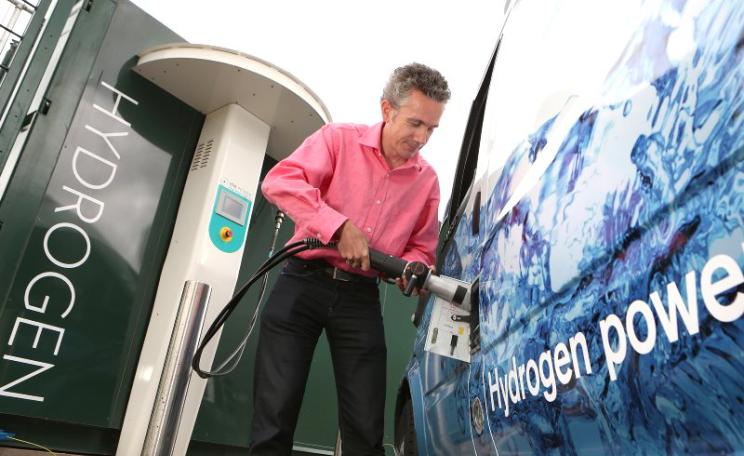
Hydrogen made from renewable electricity is already fuelling vehicles at affordable prices, writes DAVID THORPE. But now the 'green' fuel is set to go from niche to mainstream - powering not just cars, trucks and buses, but storing surplus renewable energy on sunny and windy days, then to be burnt in gas turbines or fuel cells to supply the grid with reliable power on demand.
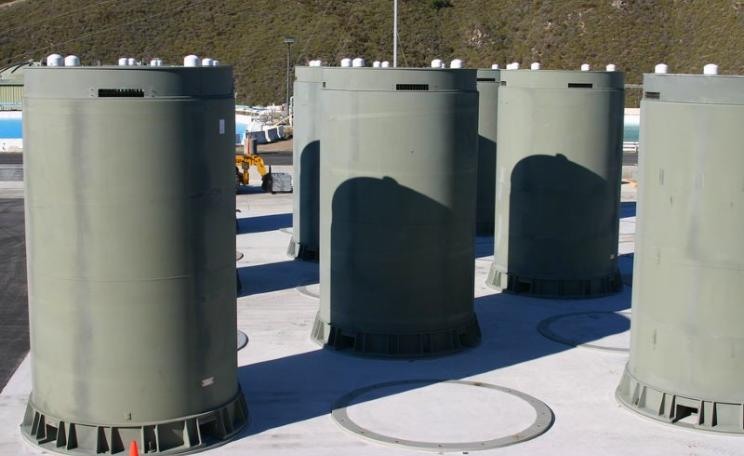
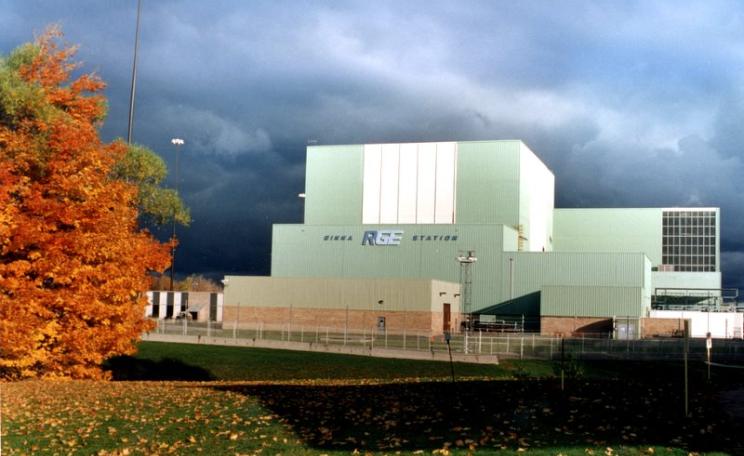
New York state recently set a terrible example by approving a $7.6 billion bailout of failing nuclear power plants, writes PETER BRADFORD. But other states aren't following. including California and Nebraska, where a host of highly competitive clean energy technologies are filling in the power shortfall left by nuclear closures, at much lower cost. It's time to let old nuclear reactors die.
New technologies are coming on stream that can turn sunlight and wind into liquid fuels for vehicles, homes or power plants, writes Chris Goodall. And by powering the process using 'free' renewable energy on sunny or windy days, the fuel will be as green as can be, and cost less than petroleum.
As global temperatures reach new monthly highs and the Middle East is hit by record heatwaves, we might be forgiven for sliding into hopelessness, writes PAUL ROGERS. But a host of innovations in energy technology means that a carbon-free energy future is not just possible, but affordable. The first of the three paradigm shifts required to transform the climate change outlook is in place.
For all Japan's talk of 43 'operable' nuclear reactors, only two are actually running, writes Jim Green, as renewables and a 12% fall in demand eat into the power market. And while Japan's 'nuclear village' defends safety standards, the IAEA, tasked with promoting nuclear power worldwide, has expressed deep concerns over the country's weak and 'fragmented' safety regulation.
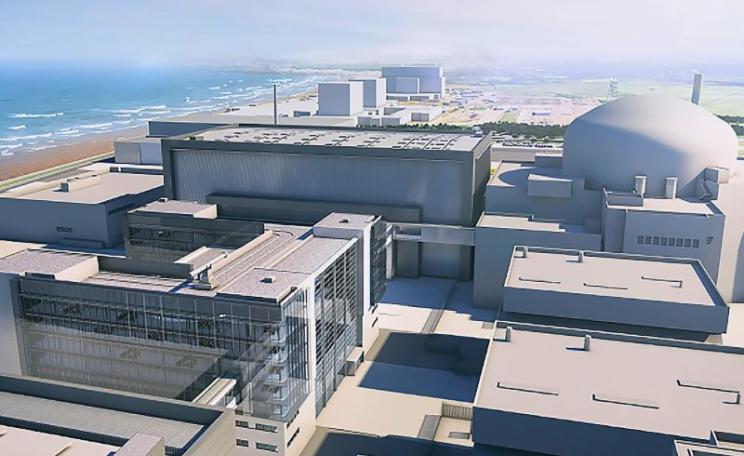
The government's surprise delay in signing the contract with EDF to build the Hinkley C nuclear power station has opened up a the space for a forward-looking UK energy policy, writes Jonathon Porritt - one that moves us into the world of low cost renewables, and smart new technologies vital to the global clean energy transition. But is Business & Energy Greg Clark for real? Don't rule it out!
New York has approved a massive $7.6 billion subsidy to keep four ageing upstate plants open on the false promise that they provide 'clean and renewable energy', writes Karl Grossman. Campaigners for genuine clean energy fear that other pro-nuclear states may follow NY Governor Cuomo's dubious lead.
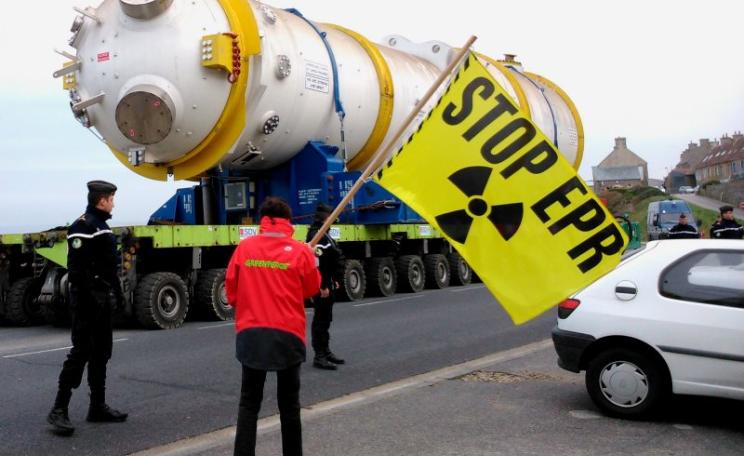
French energy giant EDF will today give the formal go-ahead for the Hinkley C nuclear power station in Somerset, writes Chris Goodall. But that's no reason for the UK to sign up to a disastrous deal that will cost us over £1 billion per year for 35 years - money that should be used to support the green technologies of the future.
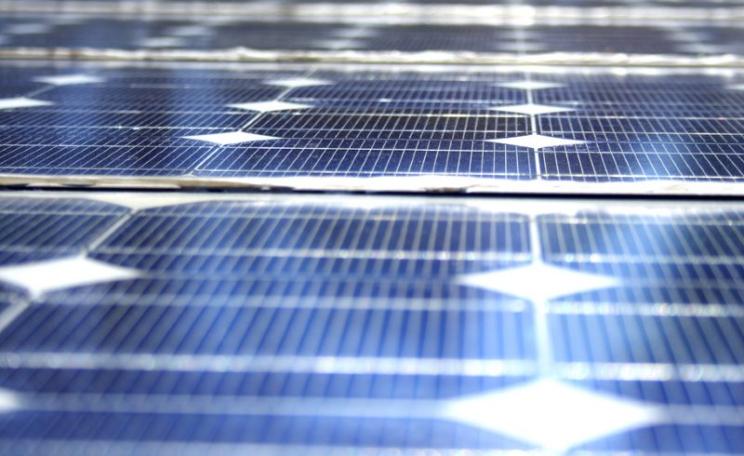
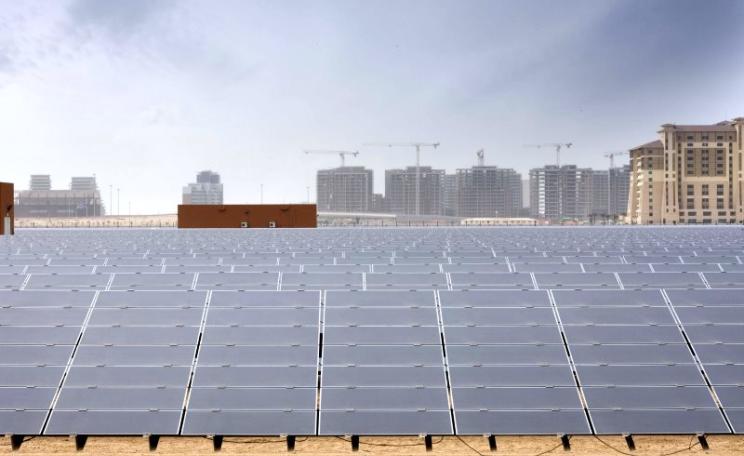
Solar is already the cheapest available power across large swathes of the tropics, writes Chris Goodall - its cost down 99.7% since the early 70s. Soon it will be the cheapest electricity everywhere, providing clean, secure, affordable energy for all.
Traveling in the US by boat and train visiting solar laboratories and environmental groups, Keith Barnham found many successful community initiatives in renewable electricity, and brings news of progress towards the ultimate renewable challenge: a solar fuel that could eventually replace gasoline in cars, trucks, buses, trains and aircraft.
At first glance the abolition of the Department of Energy and Climate Change (DECC) tolled a death knell for UK action on global warming. However, rising from the ashes is a new department that has the potential to put the climate agenda at the very heart of Government.
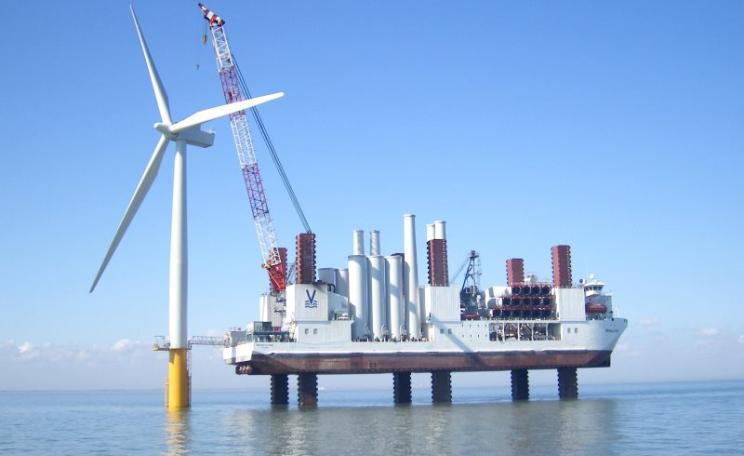
The cost of offshore wind power in the North Sea is 30% lower than that of new nuclear, writes Kieran Cooke - helped along by low oil and steel prices, reduced maintenance and mass production. By 2030 the sector is expected to supply 7% of Europe's electricity.
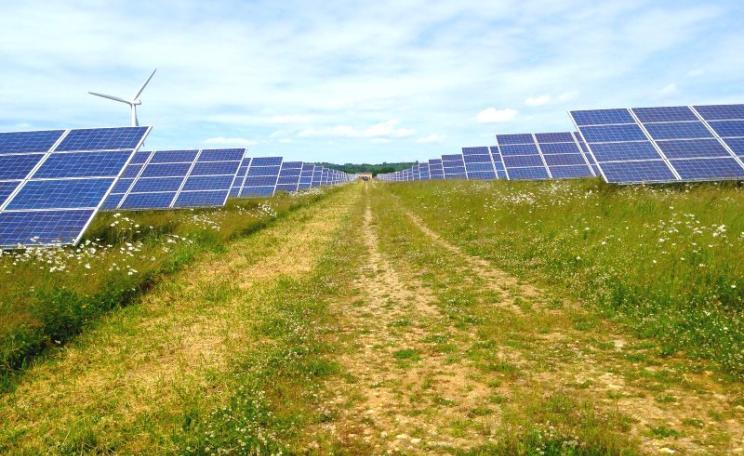
Last week a massive 350 hectare open cast coal mine at Druridge Bay took an important step towards winning panning permission. This got Chris Goodall wondering: what if the land was turned into a solar farm instead? His surprise discovery: solar power on England's south coast already costs no more than coal - and it's only getting cheaper.
Renewable electricity is already undermining the big energy utilities' business model, writes Emma Howard, breaking their monopoly and bringing down energy bills. But with the unfolding battery revolution, it's going to reach a whole new level as wind and solar powered families and communities become ever more self-sufficient, leaving utilities high and dry.
Louise Ward, investor relations director at renewable energy investor Low Carbon, examines how Britain's renewable energy industry is starting to make other European countries green with envy.
The economic impacts of the Brexit vote will very soon make themselves felt to British consumers, writes Chris Goodall - kicking off with higher fuel bills and pump prices. The good news is that nuclear power is now looking increasingly unaffordable. But renewables and green energy research are also likely to suffer, especially if under a right-wing Brexit government.
The renewable energy revolution is in full swing, writes Jeremy Leggett, with costs falling to new lows, deployment of wind and solar surging to unprecedented highs, and confidence ebbing away from fossil fuels. But global warming is also accelerating, with global temperature records broken every month for a year. Will the energy transition happen in time to avert catastrophe?
Britain's soils are in a bad way, writes John Quinton, and the government is doing little to help - indeed its policies are making the problems worse. So concludes yesterday's Environment Audit Committee report on soil health. But are ministers bothered?