Documents released to Wildcat Haven reveal the secret plans of the Scottish Wildcat Action Plan - funded by taxpayers and the National Lottery - to kill trapped feral cats by shooting them in the head with shotguns. Public documents mention only neutering, successfully carried out by Wildcat Haven to protect pure wildcat populations.
After beavers' reintroduction to Scotland, landowners have accused the native rodents of damaging the environment, causing floods, and worse, writes Louise Ramsay. But the public have rallied to the cause of these charming, beneficial creatures, leaving conservative landowners isolated. Could the shift in sentiment trigger long overdue change in the Scottish countryside?
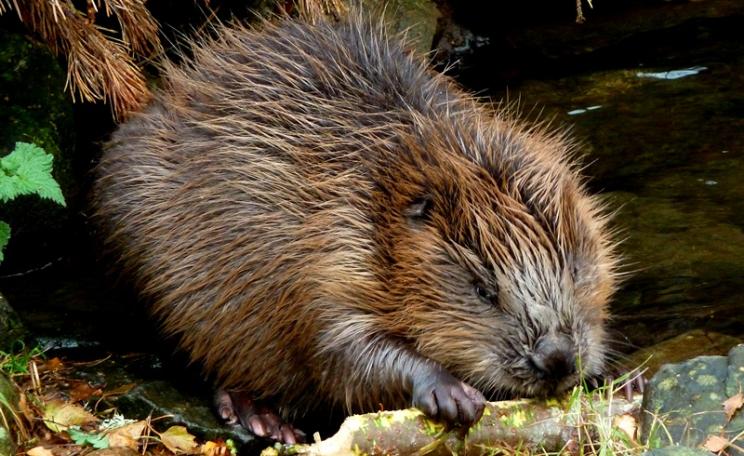
Beavers are Britain's native aquatic engineers and their return to sites in Scotland and England is doing wonders for the local environment, write Nigel Willby & Alan Law: restoring wetlands, recreating natural river dynamics and ecology, filtering farm pollutants from water, and improving habitat for trout and other fish.
High levels of toxins mercury and cadmium have been found in all organs of the whales recently beached on Scotland's North Sea coast, including the brain. The research shows that rising mercury levels in the oceans leads to toxic stress in the long-lived marine mammals.
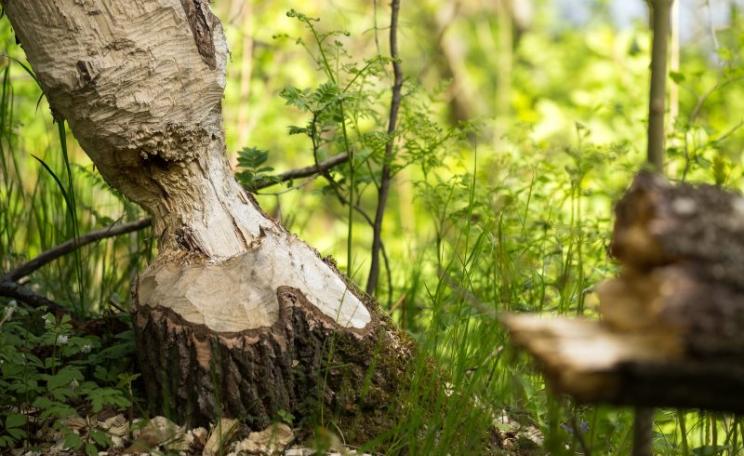
As climate change brings more rain, Britain is suffering from the extinction here of our native flood engineer - the beaver. Louise Ramsay says it's high time to re-introduce these charismatic rodents all over Britain.
The key to reducing the risk of more floods like those in Carlisle is to realise that conventional 'flood defence' can never provide security against the ever more extreme weather events that global warming will bring. We must embrace natural solutions to holding back flood waters: more trees; and bring back the beavers!
Native wild beavers in their natural range are meant to receive stringent protection under European and Scottish law, writes Louise Ramsay. But farmers have declared 'open season' on the small but growing population, shooting them at will, while the Scottish Government and its wildlife agency look the other way.
Fresh or dried wild seaweed may be on sale in a supermarket near you, writes Fiona Bird. But much better than supporting what may be unsustainable harvesting, gather your own at low tide on rocky shores, picking just enough for your needs. Once a poverty food, seaweed is now a sought after ingredient that expresses the 'fifth taste', umami.
Floating wind turbines offer huge falls in the cost of offshore wind power, writes Paul Brown, and could be generating power in UK waters at well under the cost of new nuclear by 2020, provided adequate support.
It may not be on tonight's telly, but there's only one story on the lips of SNP members at their party's conference in Aberdeen, writes Jen Stout - the grassroots revolt against the feeble land reform bill advanced by the party leadership, rejected outright by members in a decisive vote. Now the SNP must come up with a bill that's as 'radical' as Nicola Sturgeon's speeches.
New proposals on land reform in Scotland are a mixed bag, writes Craig Bayne: some good, some bad, and some downright ugly. Leading that last category is the failure to tackle offshore land ownership in tax haven shell companies, and force disclosure of the real landowners.
Scotland's decision to maintain its GM-free status is in the best interests of the country, its people and its farmers, 30 scientists write to Rural Affairs Secretary Richard Lochhead. It is abundantly justified by the scientific evidence and will support the sustainable, agroecological farming systems of the future.
Scotland's small-scale farmers have welcomed their government's decision to prevent the growing of GM crops, aimed at enhancing the country's 'clean, green status', among a coalition of green NGOs.
The Scottish diet is famous for being the worst in Europe, write Pete Ritchie and Miriam Ross. Yet the country has rich land and sea resources, and exports large quantities of high quality food. By treating food as a common good instead of leaving the market to provide, Scots can start to transform their food future.
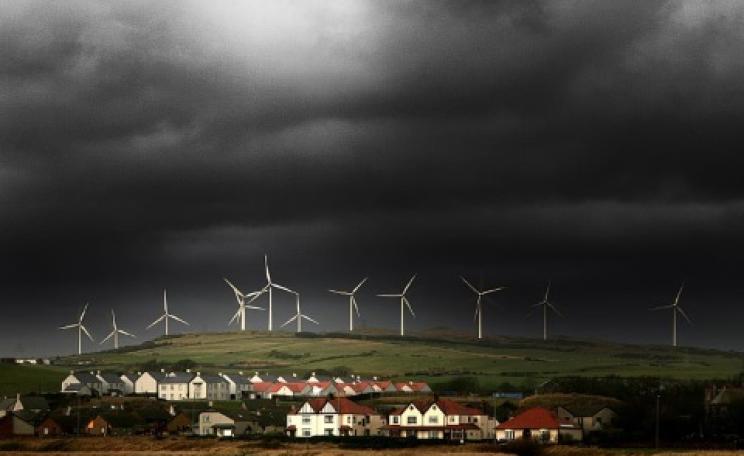
As the UK's electricity supply margins drop to new lows, the government's punitive approach to renewables will only make matters worse, write Peter Strachan & Alex Russell. Likewise its threats to boycott Scotland's wind power is utterly irrational - we will need it to keep our lights on.
Scotland's network of marine reserves doubled in area today with the designation of 30 new marine reserves. The move has been welcomed by green groups who have long campaigned on the issue - but they warn: this is where the real work begins.
Europe's periphories are meant to be in a state of collapse - but not so the Shetland Isles, where Thembi Mutch found a land of open skies, howling storms, historic traditions, and an active, growing community of notable individuals ...
Scotland's native forest remains in only a few fragments, but Trees For Life is working to restore it, and almost all of the work is done by volunteers. Philip Mason joined their newly expanded long-term volunteer programme for two months last autumn.
As climate change brings more rain, Britain is suffering from the extinction here of our native flood engineer - the beaver. Louise Ramsay says it's high time to re-introduce these charismatic rodents all over Britain.
Looking for a green holiday amid gorgeous landscapes and unbridled nature? Jon Gardner was inspired to visit Jura, where George Orwell wrote 1984. He was not disappointed ...
Last month’s downpours might have put you off water for life but that doesn’t mean a watery getaway isn’t worth a look. Ruth Styles rounds up 10 of the best
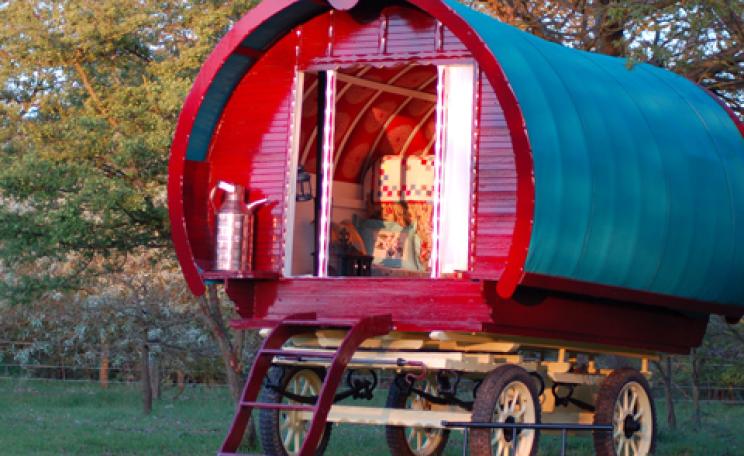
Forget My Big Fat Gypsy Wedding; the UK’s Romany caravans offer discreet luxury, emerald eco credentials and the chance to get back to nature in style. Lisa Stephens rounds up five of the best