Permitting Marine Biopolymers to mechanically dredge kelp could set a dangerous precedent that would be detrimental for pristine marine ecosystem, argues AILSA McLELLAN
Mountain hare numbers on moorlands in the eastern Highlands have declined to less than one percent of their initial levels, according to a newly published long-term scientific study. MARIANNE BROOKER reports
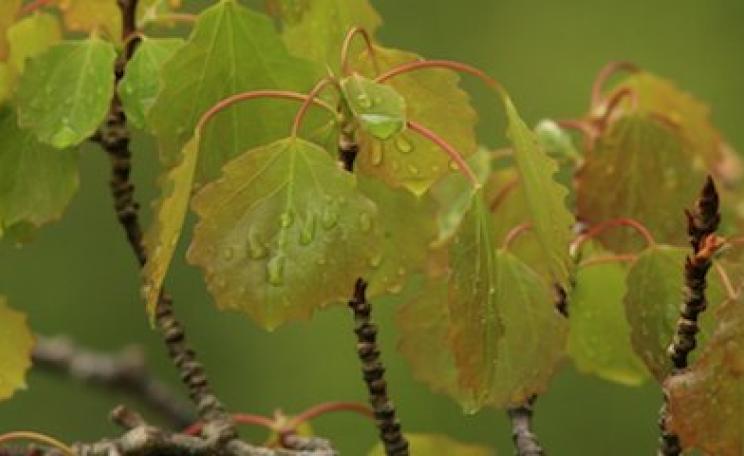
Aspen trees are one of the most important in Scotland, yet due to deforestation and deer its population is falling. ALAN WATSON FEATHERSTONE reports on how Trees for Life are working to help the Aspen tree.
Trees for Life is reintroducing red squirrels back to their former forest homes in Scotland - with great success. JACK ALEXANDER reports on the benefits of the project and plans for the future.
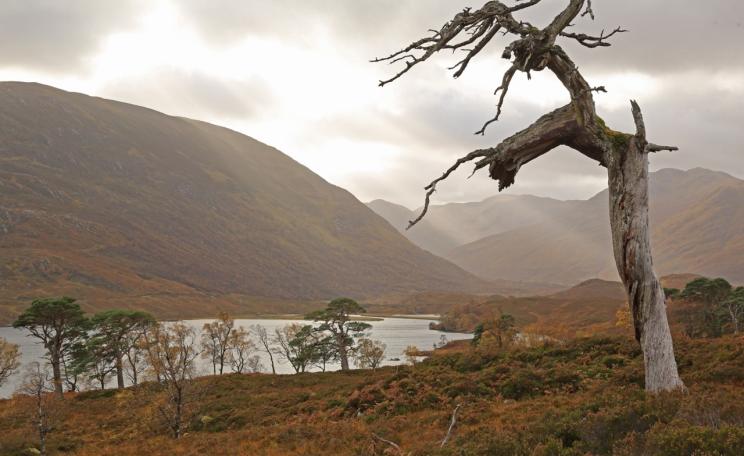
Scotland's national tree, the Scots pine, is under threat despite surviving since the last Ice Age. Trees for Life has now launched a new campaign, reports BRENDAN MONTAGUE
For over 40 years, Sea Watch Foundation scientists as well as volunteer observers all around the UK’s coast have been reporting on whales, dolphins and porpoises –collectively known as cetaceans – to inform Sea Watch’s huge database of records.
The whole idea of North Sea oil was to make Britain rich, writes Simon Evans. At least that's how it all began. But now ... it cost UK taxpayers a massive £396 million a year in tax breaks and subsidies to keep the industry alive last year. And there's no reason to think that's going to turn around any time soon.
A Greenpeace investigation has exposed the massive efforts of global food and drink giant Coca Cola to defeat popular proposals to require deposits on single-use plastic bottles, writes Maeve McClenaghan. In fact, deposit schemes are working fine in many countries in which the company operates - it's a simple case of corporate profit before environment, oceans and wildlife.
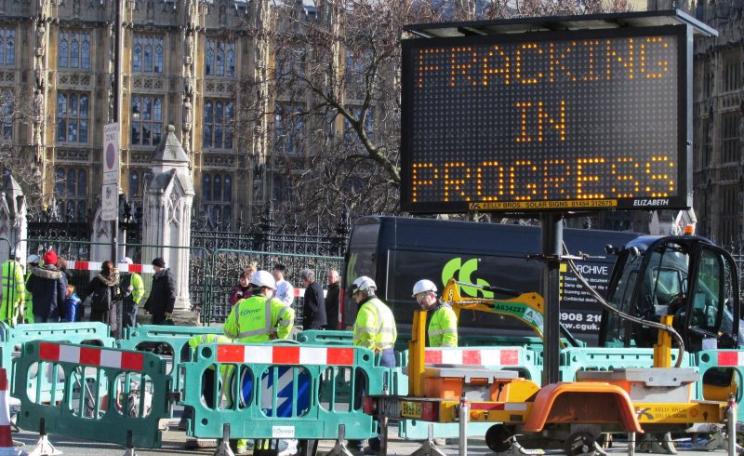
Fracking has no social licence in the UK, will contribute little to the economy, will have a huge adverse impact on other sectors, will be a disaster to climate and the environment, and won't even improve energy security, write Peter Strachan and Alex Russell. Do we really want to see 16,000 or more shale gas wells drilled in the British countryside? Let's FraXit now!
The Scottish government has announced that its wild beaver populations will be given the full protection of both UK and EU law. The decision has been welcomed by campaigners who point out all the benefits of beavers to biodiversity, water management and flood control. Now, they say, England and Wales should follow suit.
The jobs and quick money that fracking can generate may seem initially attractive, indigenous Canadian activist Caleb Behn told Jen Stout on his recent visit to Scotland. But after decades of oil and gas production, the ineradicable legacy is of fractured landscapes and long-term pollution. 'My land is bisected, divided, by pipelines, roads, well sites, pads, all that. It's really hard on my heart.'
A project to reintroduce red squirrels to isolated areas of regenerating forest in the Scottish Highlands gets under way this month. This will increase both the numbers and the range of red squirrels in the UK, and help to regenerate their native Caledonian forest habitat.
The UK government's insistence of pursuing fracking is based on a flawed and utterly misinformed vision of our future, write Alex Russell and Peter Strachan. Rather than delivering the prosperity they promise, large scale fracking would cause massive pollution of air and water, undermine vital export industries, and leave us with an irretrievably damaged economy and natural environment.
The disappearance of a satellite-tagged hen harrier on a Scottish grouse moor and the loss of eight Golden eagles in five years provide the latest evidence for a ban on driven grouse-shooting, writes EDUARDO GONCALVES. But birds of prey are only the most high-profile victims of a cruel and ecologically destructive industry.
Momentum is gathering behind the UK's transition to a fossil free society, writes Guy Shrubsole. We know we need to leave at least 80% of proven fossil fuel reserves in the ground to avert catastrophic climate change. Here's a quick run-down of progress to date - and the key upcoming fights, including an invasion of the UK's biggest coal mine this weekend.