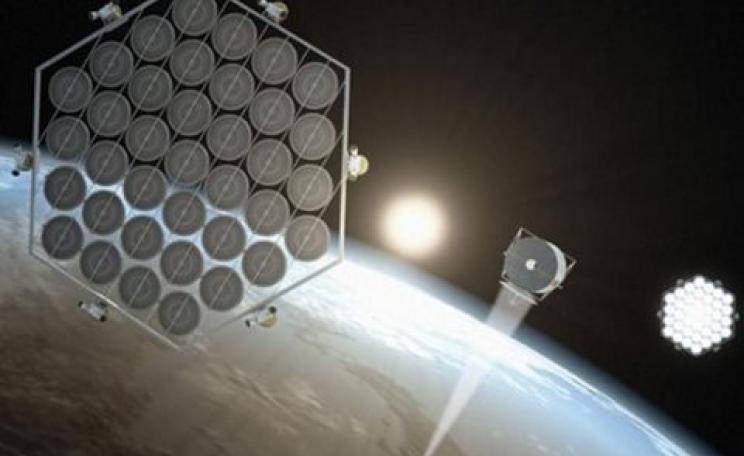
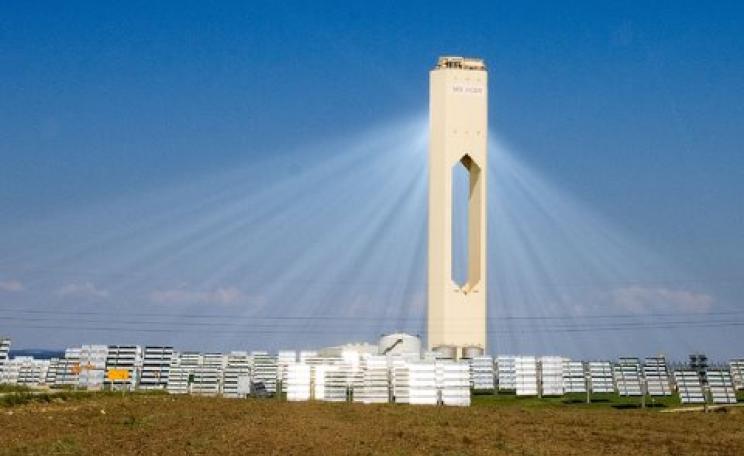
As the UK's nuclear dream fades, writes Chris Goodall, investors are turning to the possibilities of 'Concentrating Solar Power' in the Sahara connected to Europe by HVDC power lines. The cost would be much lower than nuclear or offshore wind, and provide reliable baseload capacity. With the UK government's say so, Tunisian sunshine could soon be powering our grid.
India's renewable power capacity is set to reach 170GW by 2022, write Areeba Hamid & Oliver Tickell - reducing power shortages and bringing electricity to off-grid of rural communities for the first time. But it may also have an unintended consequence - cutting off investment in India's troubled coal sector as prospects for future profitability evaporate..
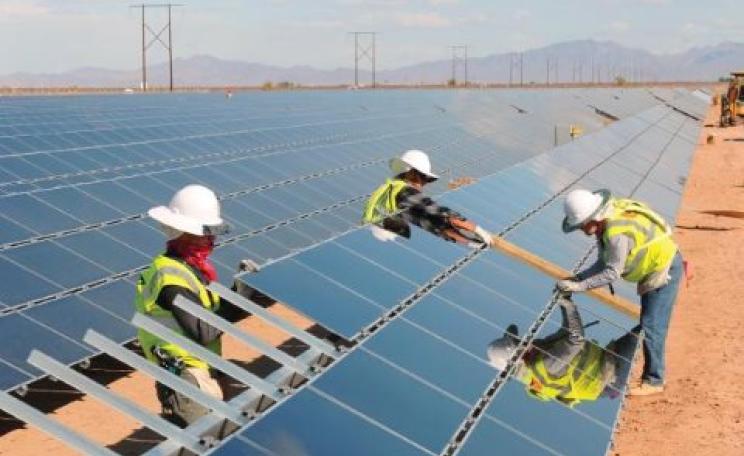
China has now overtaken the European Union as the largest new market for solar power, writes Paul Brown - as solar PV becomes one of the world's fastest growing industries - and one that's sure to keep on getting cheaper!
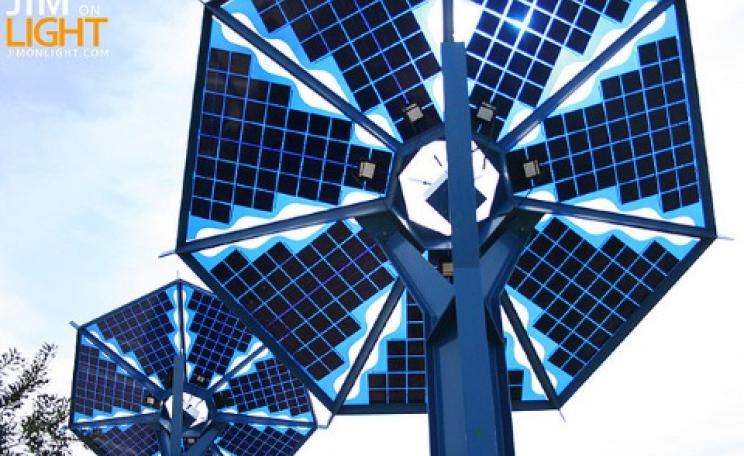
Egyptian researchers have come up with a solution to the a lack of sunlight in Cairo's narrow and dingy streets, writes Patrick Keddie: a sine-wave panel that reflects light as soon as the sun rises. Initial tests indicate a potential five-fold increase in light levels.
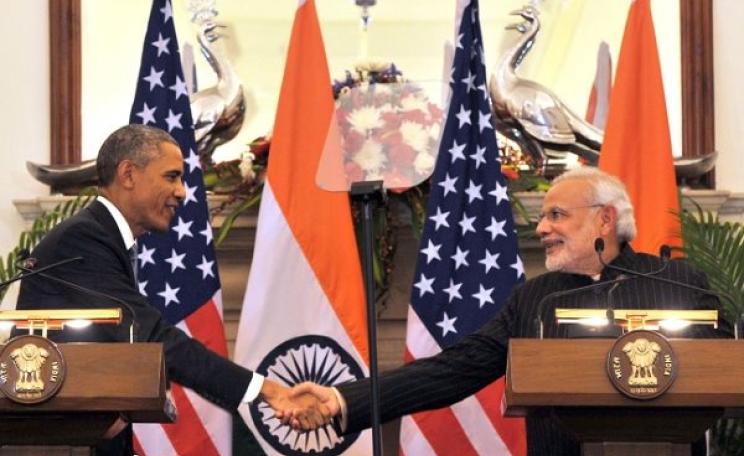
India made no promises to cut its CO2 emissions from coal power stations, writes Nivedita Khandekar, and refused to reveal its ambitions for the Paris climate talks - but Obama promised US support for its plans to roll out 100GW of solar power.
A KPMG study shows that the cost of solar power in India, revealed by public auctions, is barely half a cent above that of cheap local coal , writes Chris Goodall, with generators bids falling well below 5p (UK) / 7¢ (US) per kWh. The idea put about at COP21 that India and other poor but sunny countries need coal to develop their economies is fast running out of steam.
A bunch of innovations are taking place in the world of solar power, writes Zachary Davies Boren - and one or more of them could just propel the technology from providing just 1% of the world's electricity, to dominating the world's energy supply. Provided they work ...
Solar power has a sunny future - even without any major breakthroughs, writes Ralph Gottschalg. There are huge gains to be made simply by getting smarter and using existing technologies more effectively. A new report shows that - given political support - solar PV could be competitive in the UK by 2020.
The Walton family, owners of Walmart and Asda, project a 'public environmentalism', writes Mike Gaworecki. But their real agenda is to advance a monopolistic corporate economic model that is threatened by decentralised energy solutions like rooftop solar. The answer? Exterminate!
The cost estimates for solar PV used by the IPCC in its latest report fail to take into account recent price falls for the technology, reports Helle Abelvik-Lawson, and exaggerate financing costs. The result is to understate the importance of PV in a low carbon future.
Keith Barnham's new book reveals the giddying and glorious plethora of the solar technologies that lie at the heart of the all-renewable energy system that awaits us, writes Jonathan Porritt - making it 'one of the most exciting and genuinely hopeful books' that I've read in a long time'.
Solar power could be producing over a quarter of the world's electricity within 35 years, according to the International Energy Agency. But in the US, Congress's failure to extend solar tax credits is causing projects to be withdrawn.
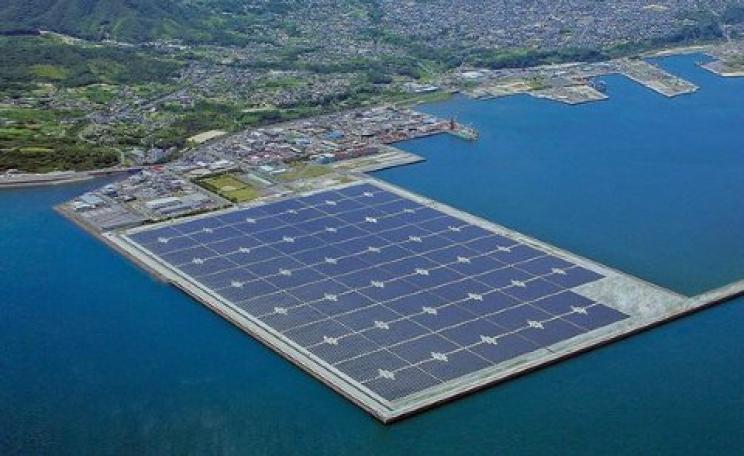
As Japan seeks to end reliance on nuclear power, one of the answers is floating 'solar islands', writes Jon Major. A 70MW solar island opened last year, and two additional plants have just been announced.
Consumers around the world want their electricity to come from renewable sources, writes Paul Brown. Yet governments from the UK to Australia are defying the popular will as they push for fossil fuels and nuclear power. The good news? Renewable energy is surging ahead regardless.
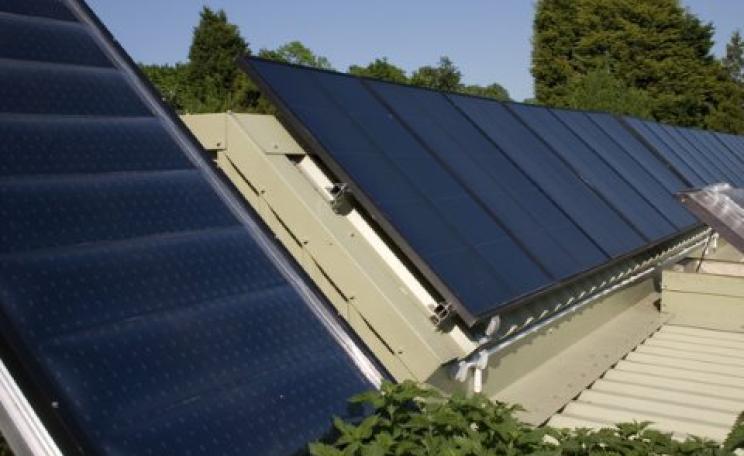
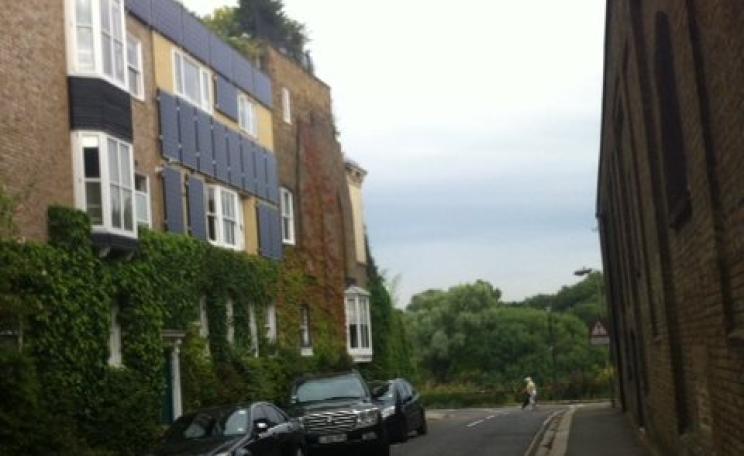
An array of solar panels on a Chiswick side street, facing a brewery wall, constitute a threat to the quality of life of future generations, according to the council and a planning inspector. Paula Owen begs to differ, and wonders - exactly what kind of mushroom have they been smoking?
India's economy is hindered by the lack of sustainable and reliable electricity, writes Michael Jacob. But the new government has a plan to bring 24/7 power to every citizen, based on grid renewal, subsidy cuts, and a big rollout of ever-cheaper solar power generation.
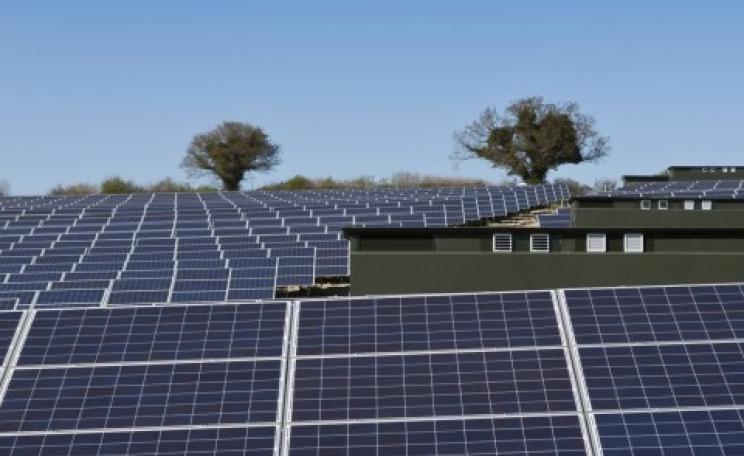
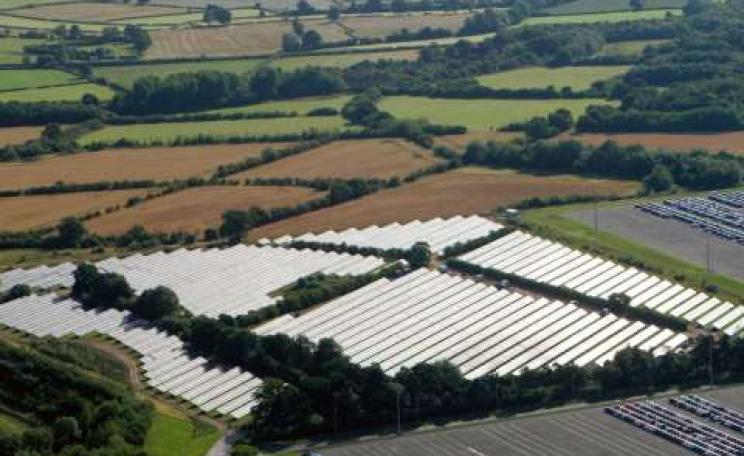
Four large solar firms are suing the British Government over its decision to end support for 'farm scale' solar generators of 5MW or more. The move reflects ministerial concern about the success of the UK's fast growing solar power sector.
Deep space missions have previously run on nuclear power, writes Karl Grossman - and have twice showered Earth with radioactive debris. But the ESA's Rosetta probe, about to reach its destination, is 100% solar-powered - showing that space can be nuclear-free.
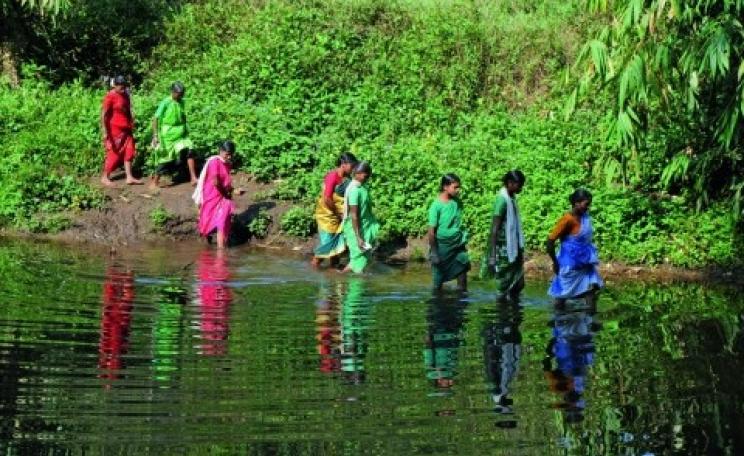
A social solidarity movement is transforming the lives of millions of poor women in Kerala, south India, writes P. Sainath - and among the greatest beneficiaries are indigenous adivasi women who dwell deep in the the forests, and their historically marginalized communities.
How did Germany do it? No, not its World Cup victory - how did Germany engineer Europe's highest penetration of renewable energy, plus fast-dropping electricity prices? Keith Barnham explains - and says the UK could do the same, and better!
California and Texas continue to break new ground in making electricity generation from renewable sources, writes Mike G. Solar PV in particular has become a vital part of the US' energy mix, accounting for half of new generation capacity.
Britain's new Environment Secretary is young (38), female, blonde, believes in climate change, and has floated imaginative policies to deal with it from a carbon tax to 'personal carbon allowances'. As for badgers ... her silence on the topic promises well.
With the Government wilfully undermining the UK's small but fast-growing solar power sector for the second time, Jonathon Porritt wonders ... why the attacks on what is our second lowest cost source of renewable energy, and getting cheaper all the time?
Two thirds of the world's investment in building new power generation until 2030 may go to renewable energy, reports Rosie Murray-West, causing CO2 emissions to peak at end of the 2020s.