The UK's exit from the EU won't deliver for the 'victims of globalisation' whose votes were decisive in the referendum result, writes Pete Dolack. All the economic scenarios advanced to date envisage more of the 'free trade' and neoliberalism that has global empowered capital against communities and the well-paid jobs that once sustained them. Plus ca change ...
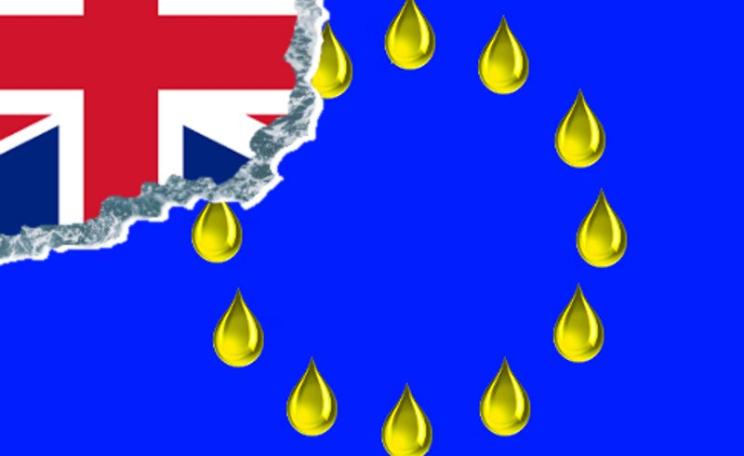
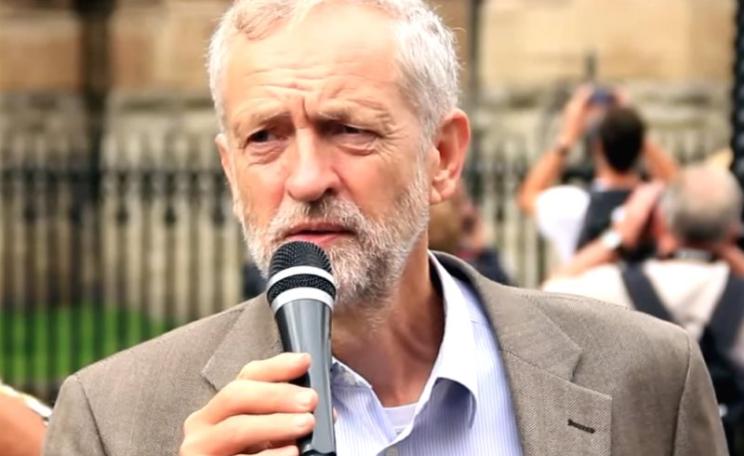
Depressed at the Breferendum result? So you might be, if you are bothered by the environment, social justice and a successful economy, writes Oliver Tickell. But it may never come to that. In fact it's just possible that the Brexit vote could deliver us a reformed 'peoples' EU' that includes the UK, under a progressive government led by Jeremy Corbyn. Here's how.
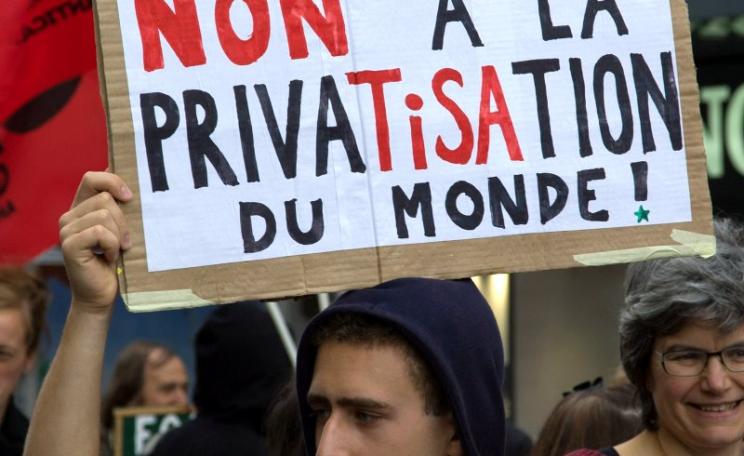
A leaked text from the 'Trade In Services Agreement' negotiations shows that TISA is set to unleash a massive wave of deregulation affecting social, environmental and financial standards, and force the privatisation of state-run enterprises, writes Pete Dolack. So it's not just TTIP, CETA and TPP we have to fight - TISA could be the biggest corporate power grab of them all.
The leaked chapters of the EU-US TTIP 'free trade' deal reveal a shredding of health, environmental and other protections for consumers and citizens, writes Pete Dolack. It's a wet dream for corporate monopolists and profiteers, and the elite bureaucrats that serve them. But for civil society it represents an irreversible destruction of democracy itself.
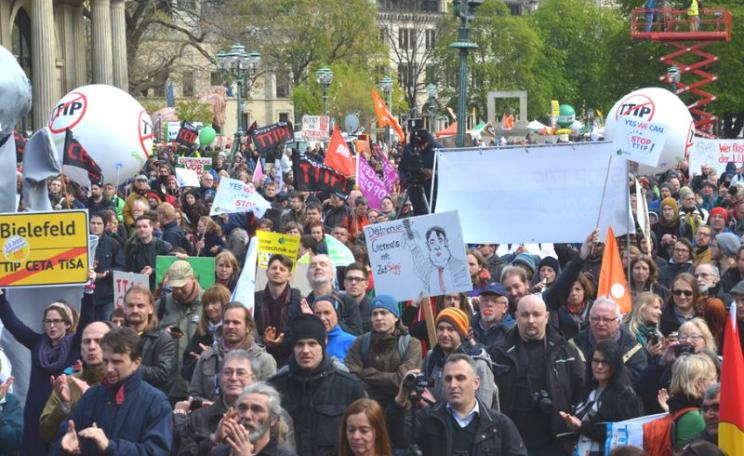
The TTIP EU-US trade deal has finally hit the rocks with massive popular opposition on both sides of the Atlantic gaining serious political traction, write Guy Taylor & Nick Dearden. There's now a good chance that TTIP will be defeated - but first we must make sure that CETA, the equally toxic EU-Canada 'Trojan Horse' deal, bites the dust.
Secret documents leaked to Greenpeace from the EU-US TTIP negotiations show that environmental protection, climate change mitigation, consumer protection, public health and sustainability are sacrificed throughout to corporate profit and commercial interests.
Maude Barlow, Chair of the Council for Canadians, has dedicated her life to fighting injustice, and so-called 'free trade' deals in particular. In this interview with Nick Dearden, Maude explained how CETA, the Canada-EU trade and investment agreement, is every bit as dangerous as TTIP, but has somehow escaped the same level of media and campaign focus - and what we can do about it.
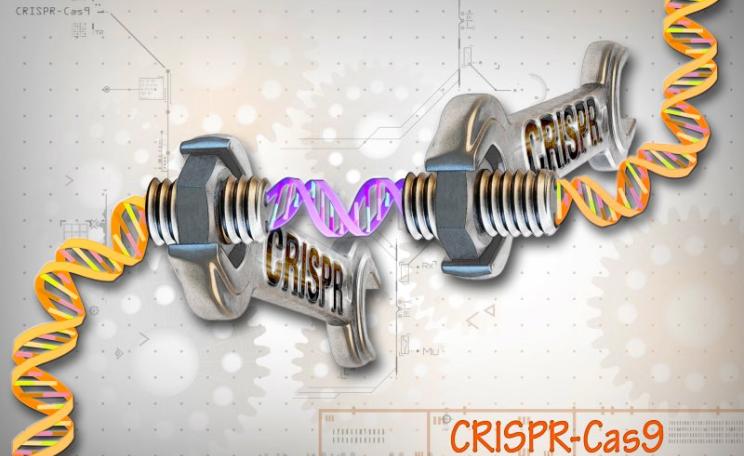
The EU Commission has caved in to US pressure in TTIP trade talks by deciding to consider organisms modified by new 'gene editing' techniques as non-GM - in violation of the EU's own laws. The move could make the 'new GMOs' exempt from labeling and from health and environmental testing.
The Stop TTIP coalition is warning that under a 'stealth clause' in CETA the trade deal could come into force without a single parliamentary vote - including its ISDS provisions allowing investors to sue governments in secret courts. US corporations would then be able to sue EU nations - even if TTIP fails.
The latest country to be hooked under 'free trade' agreements is Colombia, writes Pete Dolack, sued for tens of billions of dollars by US and Canadian gold mining companies for valuing its national parks and the high-altitude Andean wetlands that provide 70% of the nation's water above the profits of foreign corporations. Free trade or clean water? You can't have both.
There are many good reasons to criticise Donald Trump, writes John McMurtry. But none of these matter to the US media, political and corporate powers determined to keep him out of the White House. With his radical talk of halving military spending, controlling Big Pharma and exiting 'free trade' agreements, Trump is a direct threat to the parasite capitalism that's destroying America.
India's food system, essentially clean just a generation ago, has been comprehensively contaminated with sugar, bad fats, synthetic additives, GMOs and pesticides under the country's neoliberal 'great leap forwards', writes Colin Todhunter. The result? a surge in obesity, diabetes and cancer incidence, but no let-up in the under-nutrition of those too poor to join in the over-consumption.
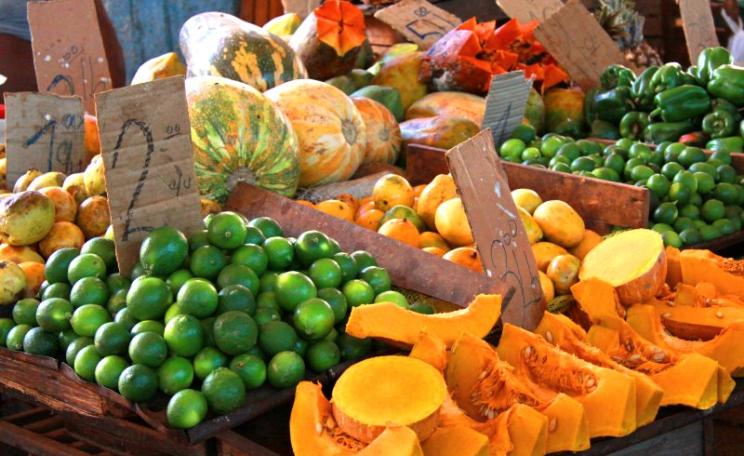
Among Cuba's greatest achievements is its organic farming sector, writes Miguel Altieri. Developed in the 1990s following the collapse of the Soviet Union, small agroecological farms now employ 300,000 campesinos and provide an abundance of healthy fruit and vegetables. But now US food and agribusiness corporations are eyeing up a multi-billion dollar business opportunity.
Agroecology is key to retaking control over food, farming and land from the 'monstrous machine' of agribusiness, biotech, big finance and 'free trade', writes Colin Todhunter, as it represents a truly viable alternative to agriculture for corporate profit. But such are the powers ranged against the world's small farmers that it must be supported by a broad-based, global people's movement.
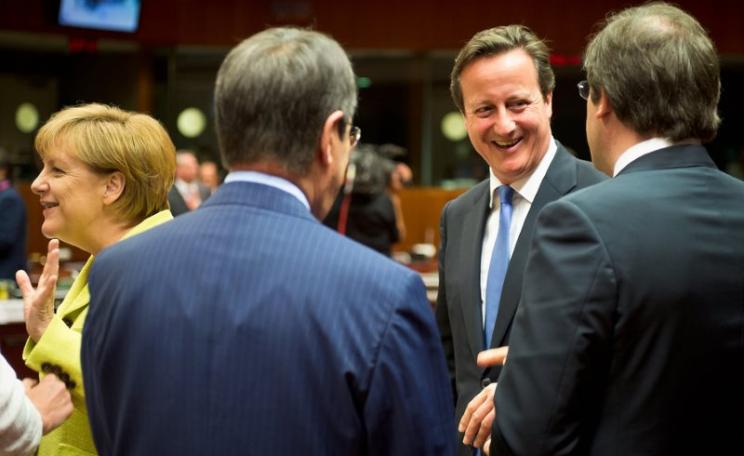
As the twelfth round of negotiations over the EU-US TTIP mega-trade deal begins in Brussels today, the chances of a treaty being concluded are looking weaker than ever, writes Guy Taylor. Time is running out, complex legal issues are crowding in, and most important of all, public opinion on both sides of the Atlantic is turning against the massive 'bill of corporate rights' that TTIP represents.
EU and US resume their negotiations next week over the TTIP trade and investment deal. But deep rifts have emerged over the corporate courts in which investors can sue governments for any actions that reduce their profits. Meanwhile MPs are seething over their restricted access to draft texts and negotiating documents.
The increasingly militant protests by dairy farmers against low prices forced on them by the corporate 'free market' represent serious and effective resistance against the 'free trade' agenda being forced on the world by neoliberal governments, writes David Miller. They are the first steps to building a new global food system that respects food, people, culture and environment.
A British exit from the EU wouldn't liberate us from the extreme neoliberalism epitomised by TTIP, writes Caroline Lucas. On the contrary, UK governments have been the strongest drivers of the EU's 'free trade', pro-corporate agenda. Despite all the EU's faults - and they are many - it is protecting us from much, much worse.
Boosters of 'free trade' agreements - like the Trans Pacific Partnership that's being signed today - like to make big promises, writes Pete Dolack: trillions of dollars of economic gains, billions of dollars of investment, millions of new jobs. But there's only one certainty, and it's one they never mention: the permanent redistribution of power and income from working people to capital.
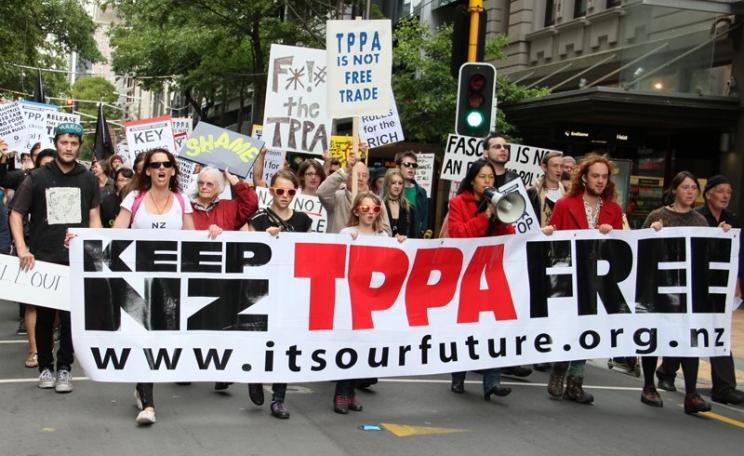
Trade ministers will sign the Trans Pacific Partnership 'free trade' deal today, writes Sam Cossar-Gilbert. But don't be fooled by the razzmatazz. Resistance to the agreement is growing fast, and the more people find out about it and its devastating impact on jobs, health, human rights and environment, the less they like it.
The true nature of western civilization is hard to grasp from within, says Professor John McMurtry, because we perceive it through media whose primary purpose is not to convey the truth, but conceal it. What is actually playing out is a global war of empire and capital against the Earth and her people, backed up by the omnipresent threat of overwhelming force.
Germany's association of judges and magistrates has condemned the EU's plan to create a special court for investors and corporations to sue national governments, writes Nick Dearden. The proposed new court would: have no legal basis; supplant the sovereignty of member states; and usurp the role of national courts. The chances of TTIP and CETA ever being agreed just took a big step back.
A USDA study shows that a GM alfalfa has gone wild in alfalfa-growing parts of the West. This may explain GMO contamination incidents that have cost US growers and exporters millions of dollars - and it exposes the failure of USDA's 'coexistence' policy for GMOs and traditional crops.
The TTIP 'trade agreement between the US and the EU would devastate EU farms as it opens them up to competition from larger, less regulated US operations, writes Dario Sarmadi. This is the conclusion of a new study to be published tomorrow, which also finds that small-scale farmers would be the first to go - with the big winners the large agri-food corporations.