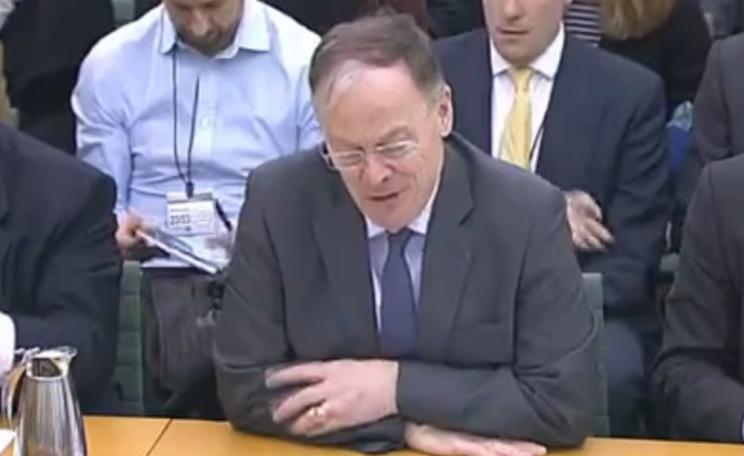
MPs today grilled EDF Energy supremo Vincent de Rivaz over the troubled Hinkley C nuclear plant in Somerset. He insisted that the project was definitely going ahead - but refused to say when the 'final investment decision' was due. Confused? Bewildered? Frustrated? So were the MPs.
After a succession of the hottest years and months ever recorded, climate is a hot topic, writes Liz Hutchins. But BBC1's 'Big Questions' climate change debate last Sunday completely missed the point. Instead of debating the only real question - how should we respond? - the BBC ran yet another repeat of the so-over 'believers versus deniers' ding-dong. Why do they still not get it?
Backed up the Information Commissioner, DECC refuses to release the documents it sent to the European Commission to support its massive subsidy package for the Hinkley C nuclear plant, writes Terry McAlister. But now the case will go before a tribunal which could order their release.
Given the long list of technical and financial problems afflicting the Hinkley C power plant, writes David Thorpe, the Labour Party's continuing support for the over-priced, highly subsidised project is increasingly paradoxical. Labour must take a fresh look at HPC and the renewable alternatives that can do better at far lower cost.
The Chancellor's 'sport not sugar' move to tax sugary drinks was extremely welcome, writes Simon Bullock. But we need a similar Treasury approach to protect people from other threats too. So how about tackling the air pollution that's killing tens of thousands of Britons a year?
Cancer is just one of of the outcomes of the genetic damage inflicted by nuclear radiation, writes Chris Busby, and perhaps one of the least important. Of far greater long term significance is the broad-scale mutation of the human genome, and those of other species, and the resulting genomic instability that causes cascades of heritable mutations through the generations.
Is the UK sinking into authoritarian rule? That's how it looks, writes Jonathon Porritt, as the government joins with right wing media and fossil fuel companies to attack local democracy and environmental campaigners. Is this 'merger of state and corporate power' a sign of more, and worse, to come?
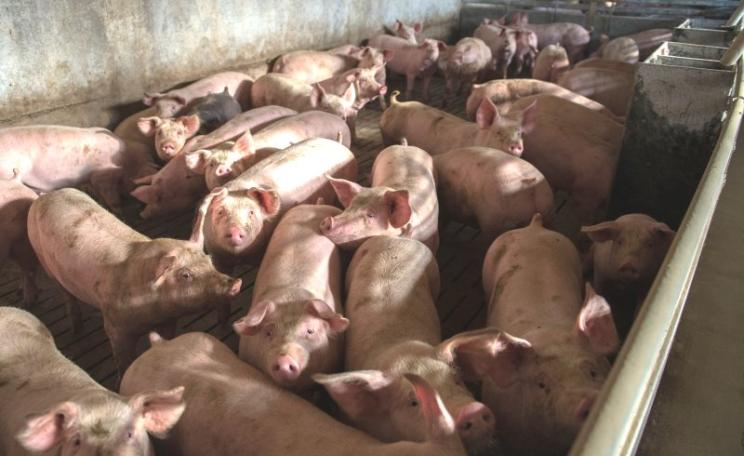
Labels on meat, egg and dairy products are often the only clue we have into the lives of the animals they came from, writes Philip Lymbery. But they are often confusing or even misleading about the truth of cruel farming practices. Labelling needs to be clearer to allow ethical consumers to make the right choices.
The main claim used to justify nuclear is that it's the only low carbon power source that can supply 'reliable, baseload electricity', writes Mark Diesendorf - unlike wind and solar. But not only can renewables supply baseload power, they can do something far more valuable: supply power flexibly according to demand. Now nuclear power really is redundant.
After ten massive renewable energy cuts that are leaving the UK falling well short of EU renewable energy targets, an eleventh! The axe is now falling on solar heating, writes Oliver Tickell - even though it's meant to be at the core of the government's renewable energy strategy.
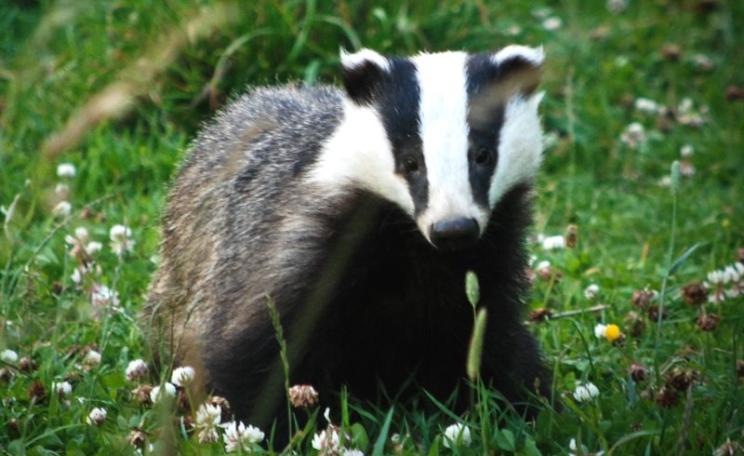
The British Veterinary Association has just launched its long-anticipated Animal Welfare Strategy, writes Mark Jones - and very welcome it is too. But it's also completely incompatible with the BVA's support for England's cruel and utterly unscientific badger culls. It's time for an urgent rethink.
The way food is produced has a profound impact on its nutritional profile, according to research published in the British Journal of Nutrition. Not only is organic farming better for animal welfare, the environment and wildlife, writes Peter Melchett, but organic meat, dairy, fruit and vegetables all have tangible health benefits for the people who eat them.
A programme to be broadcast on BBC2 promoting badger culling as the answer to bovine TB is praised in the corporation's flagship Radio Times, writes Lesley Docksey. But both are criticised by experts for their inaccuracy and bias. The main reservoir for bTB is, and always has been, the cattle themselves - and that's where the real solutions begin.
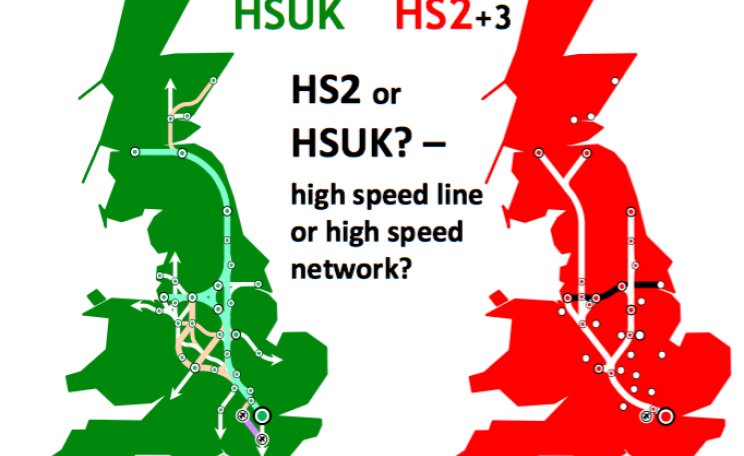
High Speed UK is the greener, well-connected alternative to HS2, write Colin Elliff, Andrew Coulson & Stephen Stretton - and it would save taxpayers billions. Financed by taxing property owners in connected cities on their windfall gains, HSUK would create a low fare, high capacity, interconnected railway network which would generate huge long-term profits for the nation.
French nuclear parastatal EDF is facing problem after problem - zombie nuclear projects in the UK, Finland, China and France, a fleet of 'beyond the grave' reactors, a dropping share price and its drooping credit rating. But is it really as bad as all that? Jonathon Porritt has exclusive access to the leaked Agenda of its latest board meeting. And the answer is - no. It's even worse.
At its Spring Conference in Harrogate yesterday the Green Party of England & Wales gave formal recognition to the Rights of Nature in an overwhelming vote, committing it to passing a new law to that effect at the earliest opportunity.
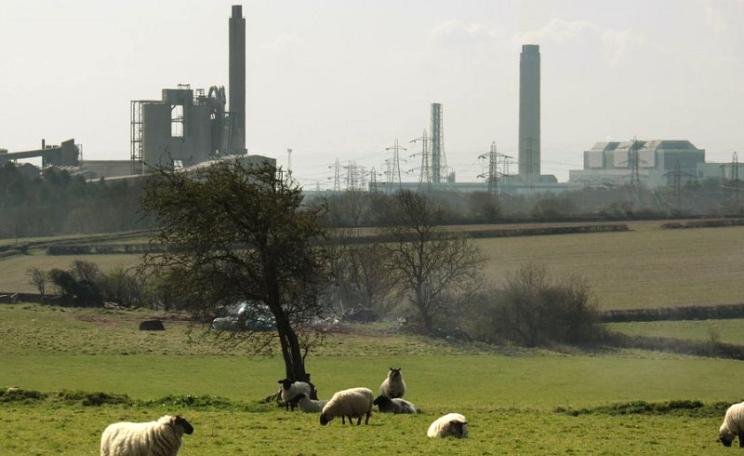
Wales should lead the UK in bringing an end to the entire coal industry from opencast mining to highly polluting power stations, writes Gareth Clubb. A new report by Friends of the Earth Cymru shows the Aberthaw plant alone imposes social and environmental costs of nearly £1 billion per year on the country and global climate.
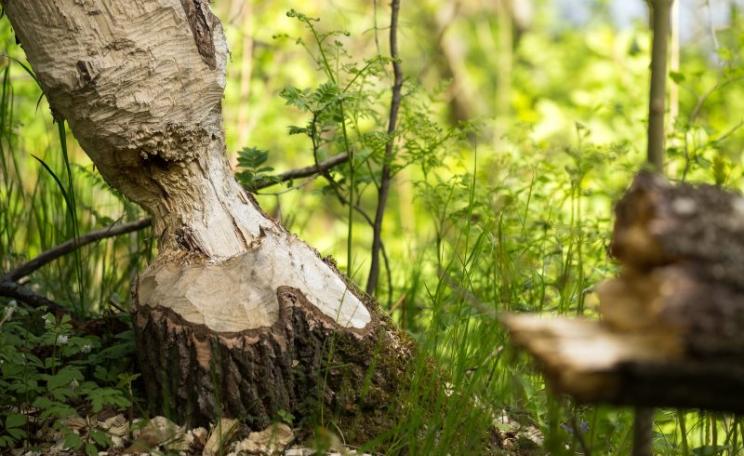
Beavers are Britain's native aquatic engineers and their return to sites in Scotland and England is doing wonders for the local environment, write Nigel Willby & Alan Law: restoring wetlands, recreating natural river dynamics and ecology, filtering farm pollutants from water, and improving habitat for trout and other fish.
Why is it so important to the US that Britain renew its nuclear weapons of mass destruction? The main purpose of Trident, writes Oliver Tickell, is to allow the UK to join American nuclear attacks, adding 'legitimacy' to them and so lowering the threshold for nuclear war - even if it guarantees our own destruction.
From banks that are too big to fail, to food banks for the too small to matter, the global econom systematically pumps money from the social economy and the poor up into the hands of a tiny minority of wealthy beneficiaries, writes Colin Tudge. Farmers, trapped between mountains of debt and low food prices, are among the main victims. It's time for a big rethink, starting from first principles.
Existing models of protecting nature are failing, write Atus Mariqueo-Russell & Rupert Read. They serve to regulate, rather than prevent the destruction of nature, and are now adopting the very 'market' approaches that are largely responsible for the problem. The answer is to give formal effect to the Rights of Nature.
Today's threats of legal action by ClientEarth against the UK Government highlight the problem of London's poisonous air, which is killing some 10,000 people a year, writes John Weeks. Fortunately there are simple, low cost, effective measures that could be taken to bring about big improvements to the city's air quality, fast.
With the 'Heathrow 13' protestors expecting custodial sentences today for their occupation of a Heathrow runway last July, Shadow Chancellor John McDonnell MP writes that their direct action followed years of official lies and broken promises, and forms part of a long tradition of direct action protests in defence of democracy.
A tangle of undercapitalised companies are coming forward to cash in on old deep coal mines in Wales, writes Guy Shrubsole - by digging them all out from above from huge open cast pits. But local communities, alarmed at the noise, pollution and destruction of landscape, increasingly see coal as an industry that's best consigned to the scrapheap.