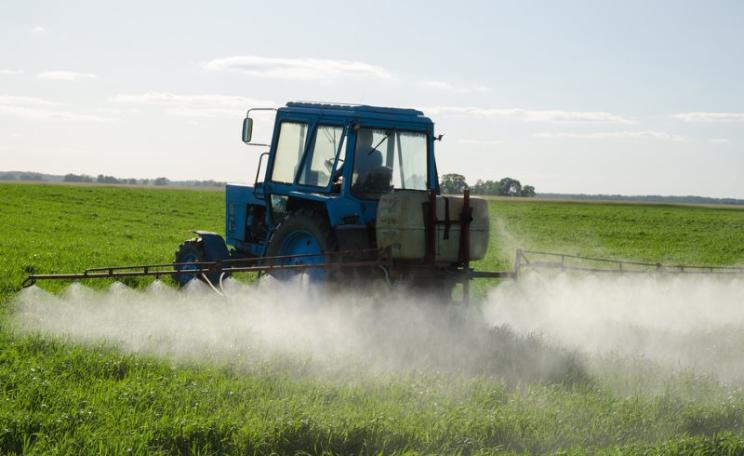
The British establishment does nothing quite so well as lies, cover-ups and high-level corruption, writes Georgina Downs - whether it's the Hillsborough disaster or permitting polluters to poison us. Georgina won her own High Court legal victory protecting rural residents from pesticide exposure as long ago as 2008 - only to have it snatched away as Court of Appeal judges closed ranks.
Tidal lagoons could generate 8% of the UK's electricity, writes Stephen Tindale, and go on doing so for 120 years to come. With the Hinkley C nuclear project looking ever more dicey, and with promises to shut down coal fired generation by 2025, a promised new tidal lagoon In Swansea Bay would come in very useful. So why hasn't the government included it in the Energy Bill?
Planned air transports of high-enriched uranium from Dounreay in Scotland to the US state of Tennessee would risk of accident or a terrorist seizure of weapon-usable nuclear material, writes Ernie Galsworthy. The motive for the transport appears to be purely commercial - and would thus put the public at needless risk for the sake of a cut-price nuclear waste / fuel deal between US and UK authorities.
Lacking an official body to investigate and prosecute illegal cruelty to wildlife a unique charity, the RSPCA, took on that role almost 200 years ago, writes Lesley Docksey. But now it has ruffled high-ranking feathers by pursuing cases of illegal fox-hunting, and has been forced to leave prosecutions of such cases to the Crown Prosecution Service. But will the CPS do its job?
Momentum is gathering behind the UK's transition to a fossil free society, writes Guy Shrubsole. We know we need to leave at least 80% of proven fossil fuel reserves in the ground to avert catastrophic climate change. Here's a quick run-down of progress to date - and the key upcoming fights, including an invasion of the UK's biggest coal mine this weekend.
Britain's ash woods are under threat from a fast-spreading 'dieback' disease, write Steve Woodward and Eric Boa. With 3% of ash trees resistant to the fungus, the species should just be able to survive. But now scientists fear the arrival of the Emerald ash borer beetle, already infesting forests in the US and mainland Europe. Could the two combine to push our ash trees into extinction?
If we are ever to bring bovine TB under control in Britain's cattle herd, we must begin with the main disease reservoir, writes Tom Langton: the cattle themselves. The insistence on culling badgers has little to do with disease control, and everything to do with the short term economics of the beef and dairy industries, unwilling to sacrifice an iota of production in the interests of a real solution.
UK water voles face an uncertain future after widespread habitat loss and predation by American mink, write Emily Thomas and Nida Al-Fulaij. But you can help by joining a UK-wide monitoring scheme run by the People’s Trust for Endangered Species that's recruiting nature-loving volunteers to survey local lakes, rivers, ditches and streams for signs of these lovable but elusive creatures.
We all know that coal and steam vanquished over water power in Britain's - and the world's - industrial revolution, writes Irma Allen. But as Andreas Malm sets out in his fascinating new book, the deciding factors in that victory were the unconstrained mastery over people and nature that coal provided mill owners. And so the model was set for the fossil age that may only now be coming to an end.
Remember when the UK was the 'dirty man of Europe'? What has changed since then, writes Caroline Lucas, is our membership of the EU - which has made us raise our environmental performance on everything from fisheries to air pollution, nature conservation, clean bathing waters and renewable energy. Leave, and it could all go into reverse.
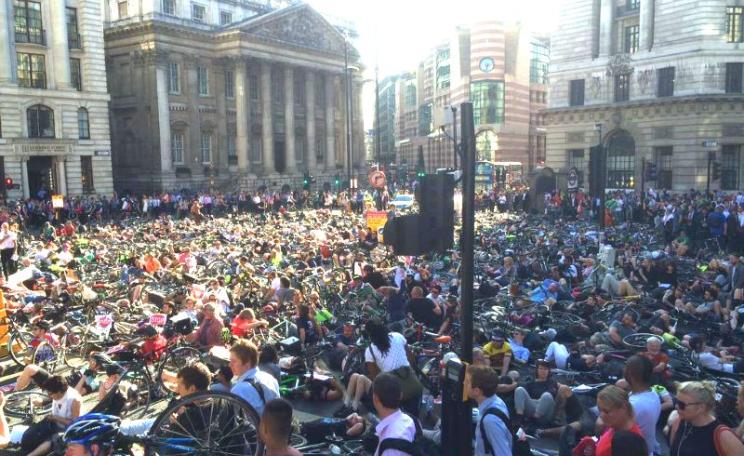
Stop Killing Cyclists are staging a protest in London on 27th April to demand an end to the UK's intolerable air pollution, writes Donnachadh McCarthy. With an estimated 40,000 people dying every year from filthy air, much of it caused by diesel cars, all are welcome to join in, denounce the government's 'polluters' friend' policies, and insist on swift action to stop the needless deaths.
Next month thousands will gather in Wales to shut down the UK's open cast coal mine at Ffosyfran, whose 3,500 acres abut both Merthyr Tydfil, one of Britain's most deprived communities, and the glorious Brecon Beacons national park. It will be one of dozens of coordinated actions across the UK, and around the world, to bring the age of coal to the rapid end it so richly deserves.
The European Parliament just voted to re-authorise glyphosate, writes Peter Melchett - but with significant restrictions on its use. So what does the vote mean for the world's biggest selling herbicide? And how come the UK's National Farmers' Union welcomed the decision as an unqualified victory?
There's absolutely no evidence for BBC Panorama's claim of 90% success for Bt brinjal in Bangladesh, writes Claire Robinson. But that has not stopped the BBC Trust from dismissing all complaints against its monstrously dishonest report. Nor has it diminished the jubilation of GMO cheerleaders.
An exciting new project has been launched to give children a chance to join in the GMO debate, writes Pat Thomas. With young people speaking up and becoming more aware of food, health and environmental issues, they deserve the platform to voice their concerns and join in a wider global network of youth working for positive change in the world they will inherit.
France's energy minister Ségolène Royal has backed union demands for the EDF's Hinkley C project in Somerset to be re-examined, write Angelique Chrisafis & Chris Johnston - adding that the project must not go ahead if it would 'dry out' funds needed for EDF's renewable energy program.
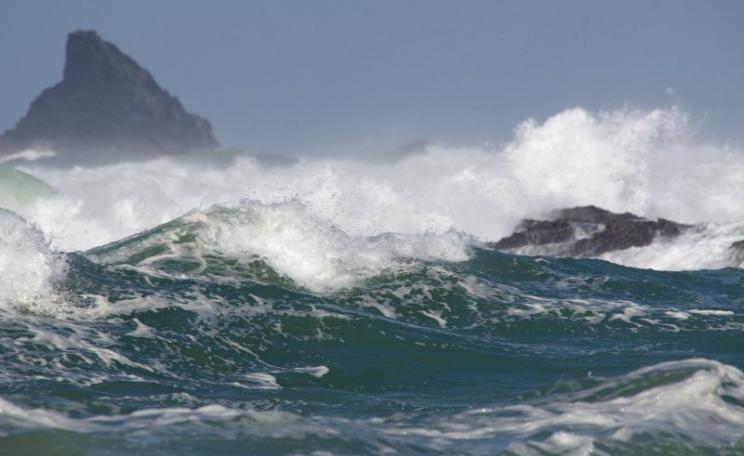
The giant waves that hit Cornwall's coast this weekend form part of a long term trend, writes Tim Radford. Extreme weather linked to global warming is leading to more violent and more frequent storms devastating beaches, ports, infrastructure and coastal communities on Europe's exposed Atlantic coastlines.
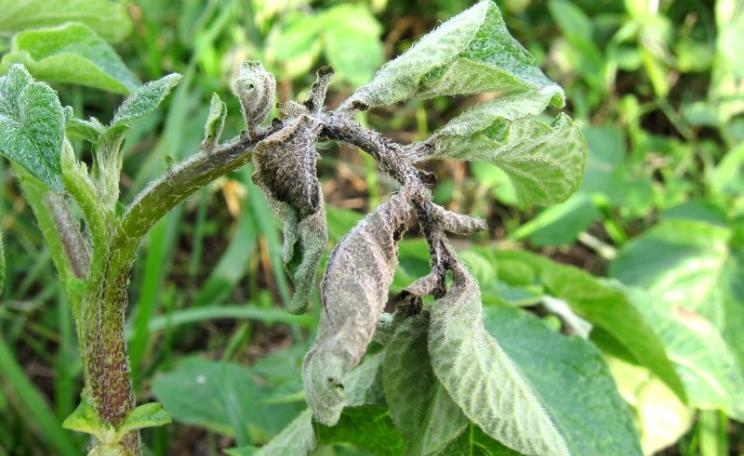
British NGOs have objected to two applications for open-air field trials to grow GM crops. One is for a blight-resistant potato that is much less resistant than existing non-GM varieties. The other is an oilseed to be used as fish food whose fatty acid profile has been subject to only 'rudimentary analysis'.
Britain is shipping 700kg of highly-enriched uranium capable of making scores of nuclear bombs to the US, writes Gordon MacKerron. The move is a symptom of a huge problem that's afflicting all nuclear nations - what to do with their nuclear wastes? The only real solution is deep geological disposal. But it's politically fraught, technically challenging, very expensive - and has yet to be done.
Never mind Cameron's mealy mouthed denials that he or his family benefit from tax havens, writes Donnachadh McCarthy. The real problem is systemic: Britain's entire political establishment has long been owned by tax haven wealth. Finally a senior politician, Jeremy Corbyn, has the courage to stand up to the unaccountable super-rich.
EDF in the UK may be propelled by its disastrous nuclear ambitions, writes Chris Goodall. But across the Atlantic it's another story: the company is the US's biggest wind developer, and selling its power, profitably, for under 40% of the price it has been promised for Hinkley C, including federal tax credits.
Since December 2011, when it became clear that the government was intent on its badger cull, Defra and Natural England have been flooded with FOI requests about how the culls would be set up, conducted and monitored. The notable success of Anna Dale in cutting through official obfuscation has implications for everyone trying to protect the environment and wildlife.
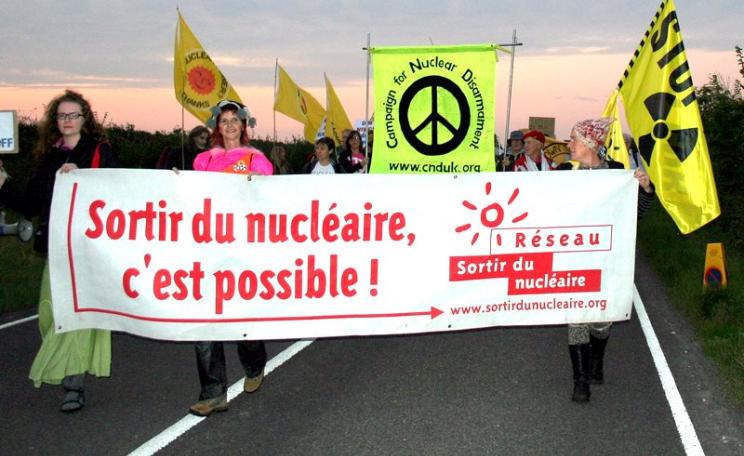
The tiny Pacific state of the Marshall Islands has given oral evidence to the International Court of Justice against all nuclear armed states for failing to pursue disarmament. The UK, India and Pakistan were present to deny the charges, but the US, Russia, France, China, Israel and North Korea have denied the ICJ's compulsory jurisdiction.
The Green Party is the only national party in Westminster to be denied a Party Political Broadcast by the BBC, write Bennet Francis and Rupert Read. The decision reveals a massive failure of impartiality against which there is no right of independent appeal - save to the court of public opinion.