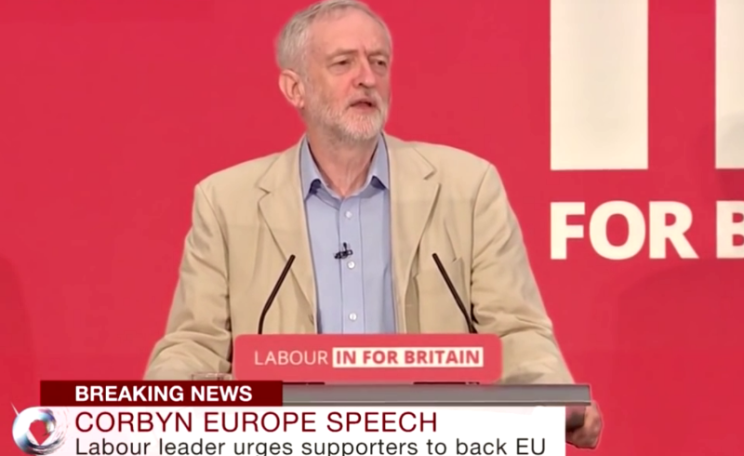
The campaign to Remain cannot be left to the grey men of British politics, writes Alan Simpson. The Labour leadership must proclaim the case for a green Europe that belongs to its people not its corporations, inspiring voters with a positive vision of the EU as it ought to be - and that we can bring about only as fully engaged members.
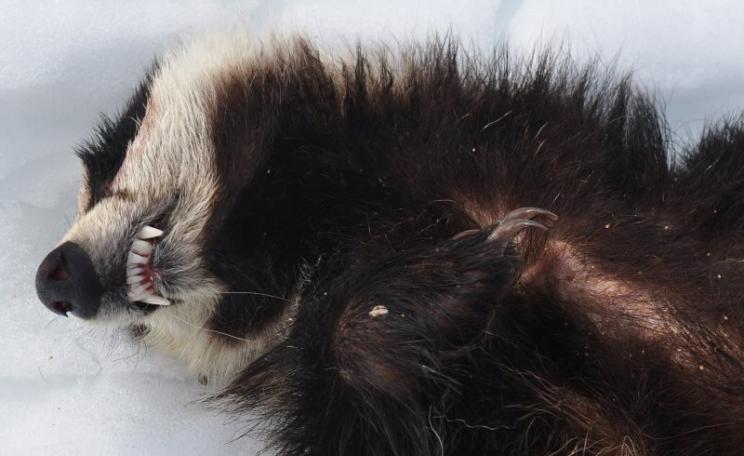
Badgers are having a rough time in England, writes Lesley Docksey. But it's no better in most other European countries, where they enjoy no specific protection and digging, baiting and shooting are widespread. Hence the new Eurobadger coalition formed to campaign for them Europe-wide. The one shining example is Holland - TB-free since 1999 without killing a single badger!
Twin nuclear reactors at Taishan in China have been sealed into their concrete domes despite fears that the reactor vessels have serious metallurgical defects. No safety test data has been released by the two companies in charge, EDF and CGN, to show that the reactors will not crack in operation, releasing radioactivity.
The mainstream British media have long acted as cheerleaders for GMOs, but none quite so much as The Times and its disgraced correspondent Matt Ridley, writes Colin Todhunter. His most recent article on the topic is a strange concoction of misrepresentations, falsehoods and blunders dressed up as science, and reflects both his ignorance of the real facts and his deep ideological commitment to corporate profit and power.
Britain's soils are in a bad way, writes John Quinton, and the government is doing little to help - indeed its policies are making the problems worse. So concludes yesterday's Environment Audit Committee report on soil health. But are ministers bothered?
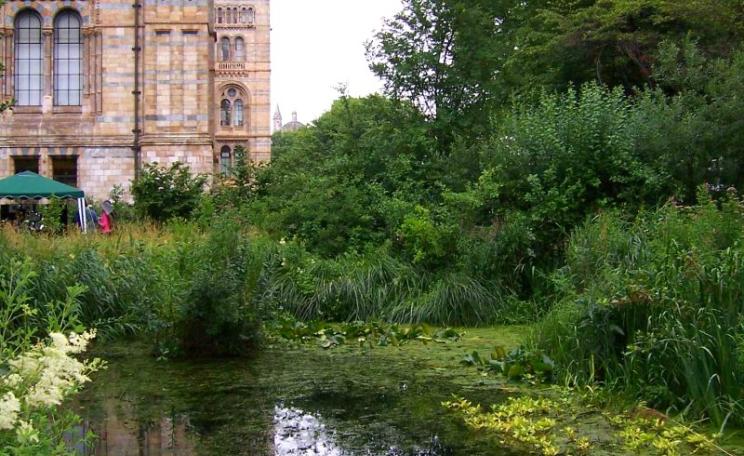
A proposed redesign of the Natural History Museum's grounds in London would cause some unfortunate collateral damage, writes Gary Grant - the destruction of the Museum's 21 year-old wildlife garden, an ecological jewel in the heart of London which features over 3,000 species of plant and animal in just one lovingly tended acre. The Museum must think again!
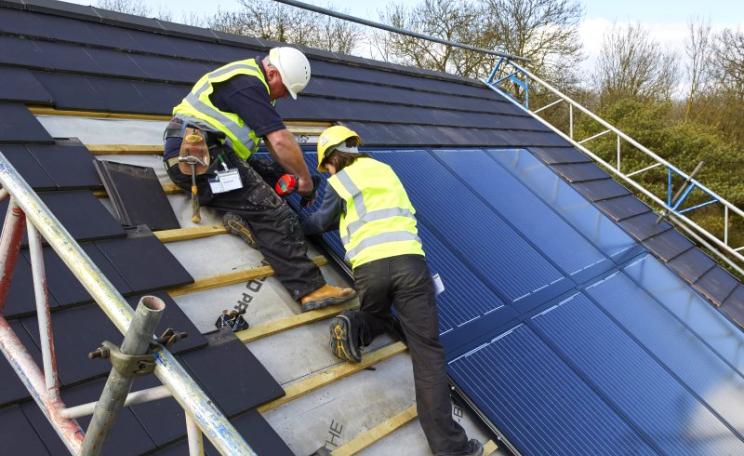
In the face of repeated attempts by the UK government to suppress the nation's solar industry in favour of fracking and nuclear, Jeremy Leggett tells the story of how the solar company he founded in 2000 has not just survived, but driven forward with technical innovation - including its new 'Sunstation' - an integrated 'snap-on' solar generation design that elegantly embeds into roofs.
The government's new 'strategy' for cycling is a feeble attempt to hide huge cuts to local transport budgets with a minute line of funds that would take over 2,000 years to bring the UK up to Dutch cycle lane standards, writes Donnachadh McCarthy. We must demand better!
The Royal Society has form on GM crops, writes the Soil Association - consistently Gung-ho! for the last 20 years, while refusing to engage with critics of the technology or even accept the existence of any problems. Its latest effort represents more of the same, while exposing this once August body to ridicule for its egregious scientific howlers.
The lives of all the thousands of badgers slaughtered in the name of TB eradication have been lost in vain, writes Martin Hancox. The cryptic reservoir of bovine TB is the cattle themselves, and no amount of badger killing will make the slightest difference to the problem. Once we have grasped this reality the solution is astonishingly simple: improved TB testing that picks up all infected cattle.
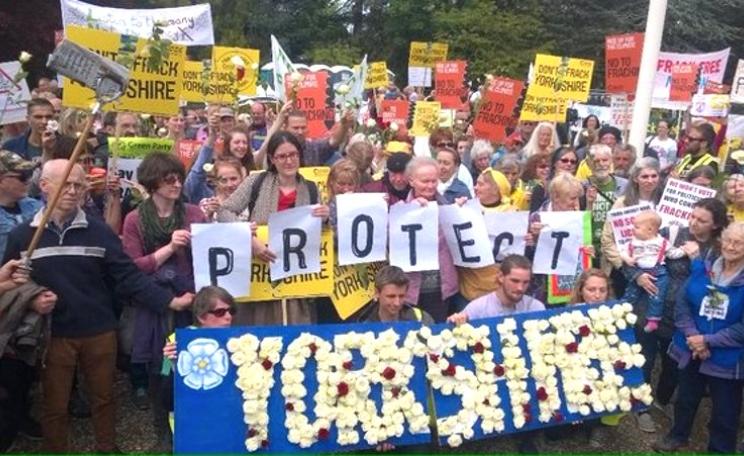
Conservative councillors have passed an application to frack in the Yorkshire Dales by Third Energy, signalling the return of shale gas exploitation in the UK after a five year break, writes Victoria Seabrook. Campaigners vow: 'We will fight on!'
The UK's 'Green Deal' energy efficiency scheme was a massive failure, writes Sue Roberts. But few knew just how bad until the NAO's report - which reveals that its main effect was to line the pockets of the Big Six energy companies, load the public with expensive loans, create a tangle of red tape, and engineer the collapse of the UK's nascent energy efficiency sector.
Government plans to pay coal and diesel generators to stay open the winter after next to 'keep the lights on' betray dangerously old-fashioned thinking, writes Chris Goodall. Not only would it subsidise our dirtiest electricity - it's also incredibly costly. Why not just pay people to reduce their demand when power supplies are stretched?
Another week, another series of disasters for EDF and it's Hinkley C nuclear power project, writes Oliver Tickell, with the company's credit rating downgraded partly due to its exposure to the project, and its Chinese partner CGN ruling out a takeover of the site. How much longer can the tragicomedy continue before the curtain falls?
For most of 2015 Walter Lewis travelled around England and Wales meeting and photographing people producing food outside the confines of mainstream agriculture - working out of a passion for the earth and the Earth rather than for commercial gain. He completed his exploration inspired, and determined to spread word of quiet revolution under way across the fields of Britain.
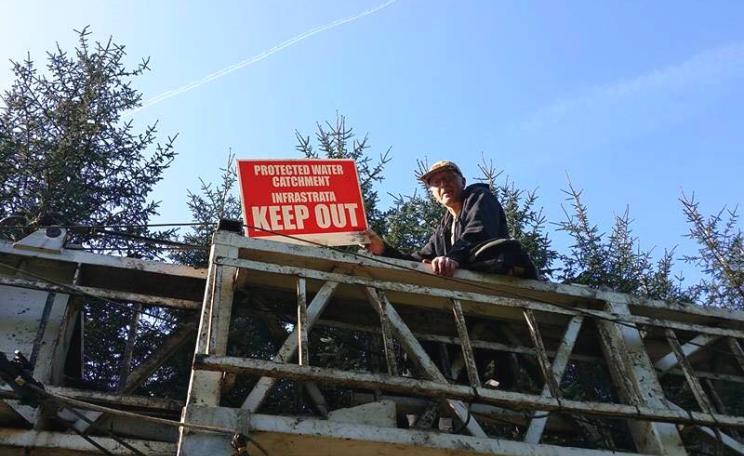
Local people are furiously trying to stop a fracking company from drilling near a drinking water reservoir serving tens of thousands of homes, after Northern Ireland planners failed to block Infrastrata's claim for 'permitted development' rights.
Where does the Green Party go now? Last week's uninspiring election results show that Jeremy Corbyn's Labour poses a serious challenge to us Greens, who can no longer succeed by being merely left wing. We must fulfil our own destiny, representing a distinct, authentic ecological strand in politics, making the case for living as if we only had one planet - as is in fact the case.
Snares are one of humankind's earliest inventions, writes Bill Oddie, once essential to our survival as hunters. But their modern use by gamekeepers seeking to protect game birds on shooting estates from predators is a cruel and barbaric practice, with most of the victims non-target species like hares, badgers and deer.
Bristol's decision to trial vinegar as a weedkiller in place of glyphosate certainly grabbed headline-writers' imaginations, writes Harriet Williams. But with a wide choice of proven chemical-free weed control strategies available, might this experiment be 'set up to fail'?
A recent scientific study found the same long-chain omega-3 oils that are engineered into a new GM Camelina oilseed variety make butterflies grow up with deformed wings, writes Claire Robinson. Attempts by the 'pro-science' non-scientist Mark Lynas to discredit the study are a mixture of ignorance, research failures, 'straw man' arguments and outright errors.
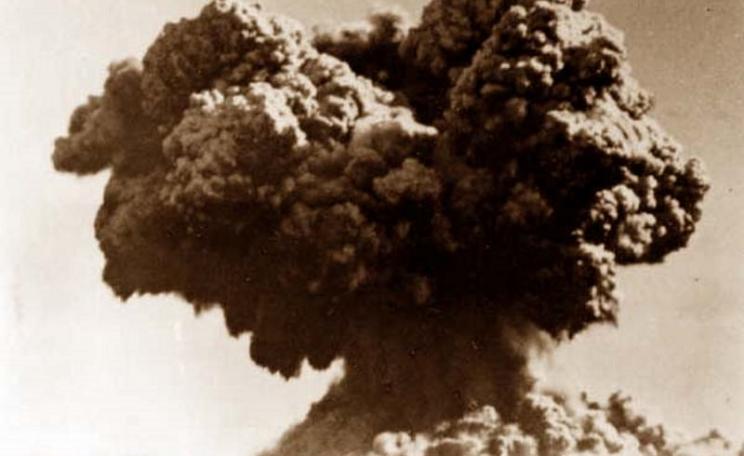
Britain's nuclear bomb test veterans suffered severe genetic damage from radiation, writes Chris Busby, and their case for compensation is being heard in the High Court today. Key to their case is evidence of similar damage inflicted on in utero babies exposed to radiation from the Chernobyl disaster, and how the dreadful health impacts of radiation cascade down to future generations.
Earlier this year, 13 climate activists were sentenced for aggravated trespass after blocking a runway at London’s Heathrow airport. For Kara Moses, the protest was part of her Buddhist practice of loving kindness to life and planet.
Critics of renewable energy sources like wind and solar claim that they are inefficient, unreliable and need to be backed up by coal and gas, writes David Elliott. But we have the technology to match green power supply and demand at affordable cost without fossil fuels - by deploying the 'smart grid', using 'green gas' made from surplus power, and raising energy efficiency.
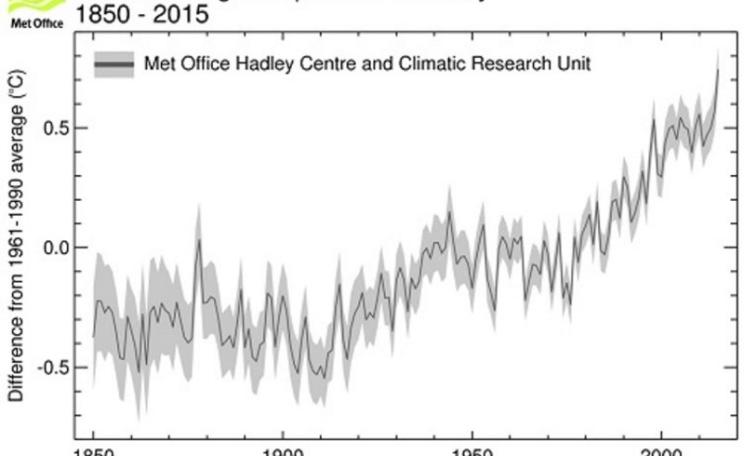
The deliberate misrepresentation of climate science in our media deserves an urgent corrective, writes John Krebs. Recent misreporting by The Times - passing off partisan, unscientific, non-peer reviewed, ill-informed climate change-sceptic opinion as 'science' - deserves particular opprobrium.