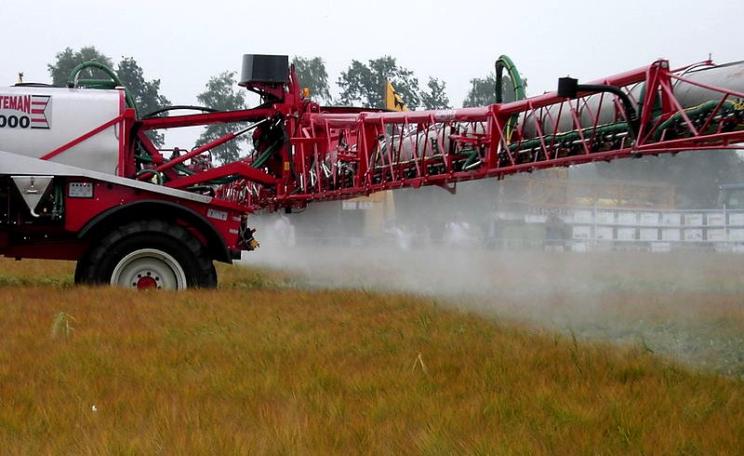
No matter how concerned we are about the quality of food we and our families eat, we can be sure governments are putting corporate profit first, writes Sally Beare. But we - Mums in particular - still have our power as consumers to push supermarkets and other retailers into going GM-free and keeping toxic agrochemicals out of the food chain. Let's use it!
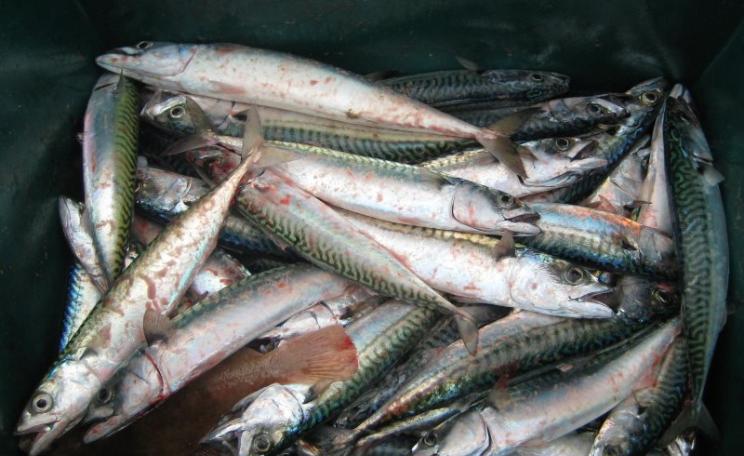
With the EU referendum on the horizon, the Common Fisheries Policy is likely to figure in the debate as an exemplar of EU policy failure, writes Griffin Carpenter. But the much maligned and misunderstood CFP is doing a good job: stocks are recovering, bycatch-dumping is banned, and it may even force the UK to give more quota to small-scale fishers.
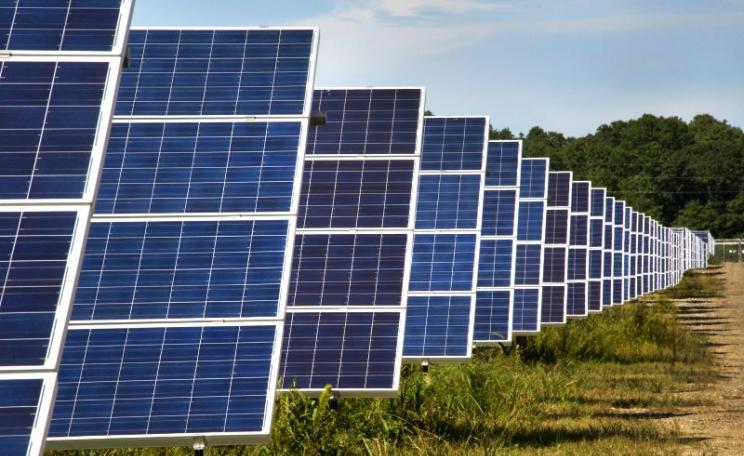
Wind, solar and hydro together generated 14.6% of Britain's electrical energy in 2015, the highest ever, writes Grant Wilson. They also peaked at 22% of electricity over the week of Christmas - another British record.
Easy to miss in the New Year Honours list: a little-known civil servant for 'services to pesticides regulation'. But none the less shocking for that, writes Georgina Downs. Paul Hamey MBE is the very man who has been responsible for ensuring that rural residents receive no proper protection from repeated exposure to toxic mixtures of pesticides on nearby farms. Go figure.
The 'New Alliance', backed by £600m of UK aid, is meant to improve food security, reduce malnutrition and lift people out of poverty, writes Aisha Dodwell. But it's all a huge con - delivering corporate welfare, attacking small farmers, enabling land grabs - and leaving a trail of poverty and human devastation. It draws praise from only a single review of its activities: its own.
The UK's nuclear power programme is driven by military demands, write Andy Stirling & Phil Johnstone - but not in the way you might think. The most essential need is not for plutonium or tritium, but for a nuclear industrial sector to design, build and maintain the reactors that power nuclear submarines. Without them, the Trident missile system would have no military credibility.
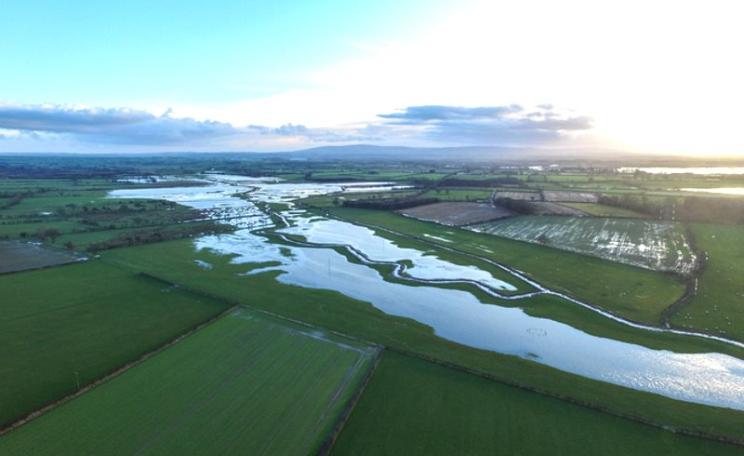
Changes to natural drainage processes in headwaters, rivers, floodplains and river channels has increased the UK's vulnerability to heavy rainfall, write Neil Entwistle & George Heritage. And to put things right, we must first gather the detailed evidence of what took place in recent floods. The Environment Agency must publish all its data, maps and images - now!
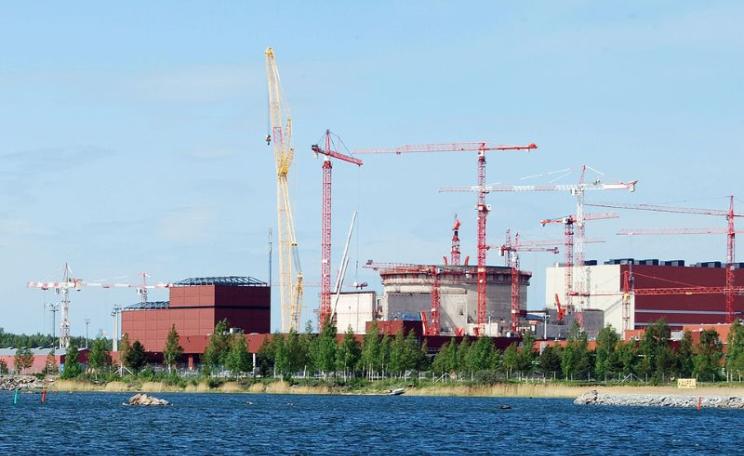
The cash-strapped French energy giant EDF may sell off profitable stakes in its in its eight existing UK nuclear reactors to raise money for the Hinkley Point C project. But with no example of the EPR design planned for Hinkley even near completion, it may all prove a risk too far.
At a time when the Labour Party is discovering its egalitarian roots, inequality is as much of an issue in the countryside as in the city, states this 'Rural Manifesto' from the Land Workers Alliance and The Land. The neglect and exclusion of Britain's rural poor and landless farmers must end.
Almost 60 years since the world's first commercial nuclear power station began to deliver power to the UK's grid, the industry remains as far from being able to cover its costs as ever, writes Pete Dolack. But while unfunded liabilities increase year by year, governments are still willing to commit their taxpayers' billions to new nuclear plants with no hope of ever being viable.
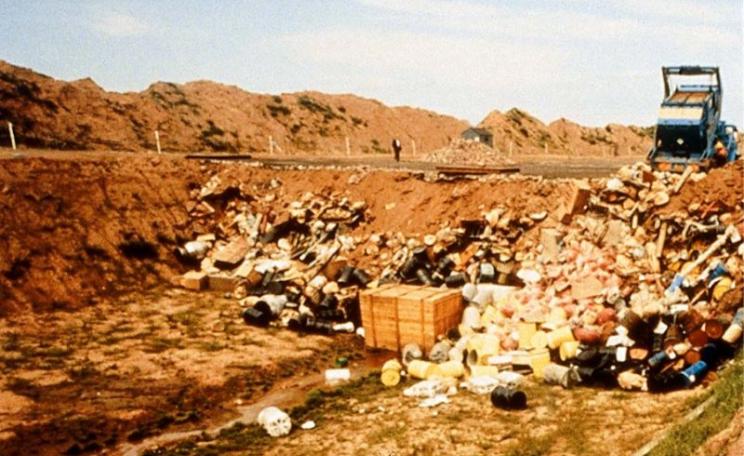
Following this month's intense rainfall in the north of England an Environment Agency alert has highlighted the flood risk to the crumbling nuclear waste dump adjoining Sellafield in Cumbria, writes Marianne Birkby - a dump which remains in use despite its condemnation by the EA in 2005 due to its likely destruction by rising seas. Now it really is time to close the gate on Drigg!
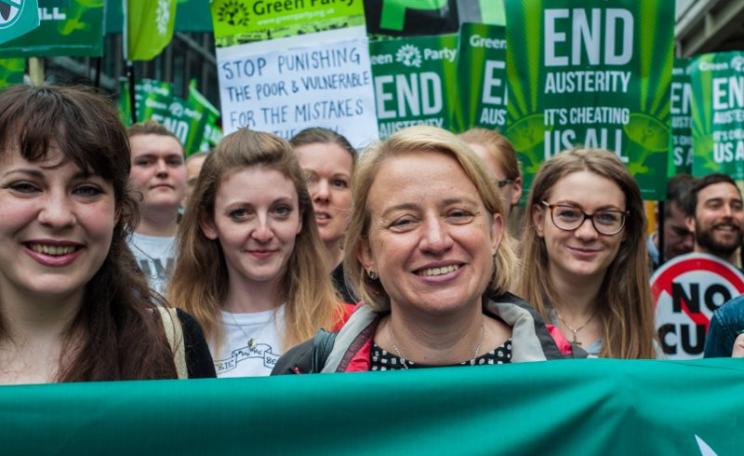
2015 saw the #GreenSurge that saw the Green Party's membership more than triple in a year and win over 1 million votes in the election, writes Natalie Bennett. Now we need to build on that success: winning representation in local authorities and working for a fair electoral system in which no vote is 'wasted' and we can all vote for what we believe in.
As climate change brings more rain, Britain is suffering from the extinction here of our native flood engineer - the beaver. Louise Ramsay says it's high time to re-introduce these charismatic rodents all over Britain.
The UK's insistence on opening up the UK to fracking is symptomatic of a deeper malaise, writes Paul Mobbs. Of course we need a change of government, but more than that, we need a deeper, enduring change of the nation's governance if we are ever to effect the transition to sustainable policies on energy and environment. It's time for the UK to become truly democratic.
Protestors who closed down the coal mine on climate change denier Matt Ridley's estate faced a claim of £100,000 in losses, writes Brendan Montague. But a judge cut that down by over 90% while declaring the eight defendants of 'impeccable character'.
The coal profits that fill Matt Ridley's bank account come wet with the blood of those killed and displaced by the climate disaster his mines contribute to, writes T. If hgis consicence is no longer functioning, then others must step into that role to confront him with the evil that he is doing.
Environment Secretary Liz Truss told Parliament yesterday that England's badger cull is 'working', and needs to be extended into new areas, writes Oliver Tickell. Yet she and the NFU have refused to release the evidence to back up her claims. Now MPs and NGOs are joining the cry: 'publish or be damned!'
Less than a week ago Amber Rudd was basking in the glory of the Paris Agreement. Today, she's betraying all her high-flown rhetoric as she smashes up what's left of the UK solar industry with a deep cuts in incentives to solar generators and the imposition of 20% VAT.
In this new age of austerity money is a perpetual struggle for the public sector and ordinary people, writes Pete Dolack. Yet central banks have squandered trillions to boost profits in the financial sector, reward speculation and push up real estate values. In fact, the world is awash with money as never before - our money. Just don't expect to get your hands on it any time soon.
New regulations that will allow fracking under national parks, water sources and nature sites won the approval of MPs today in a Commons vote, write Kyla Mandel & Oliver Tickell, even though four Tory MP's rebelled against the party whip. But the new rules won't apply in Wales and Scotland.
Energy Secretary Amber Rudd's plan to deliver the UK's emissions reductions promised in COP21 rely on nuclear power as the main 'low carbon' energy source, writes Paul Flynn. But the high cost of nuclear, and the ruinous track record of current technologies, show that this path leads only to massive failure at public expense.
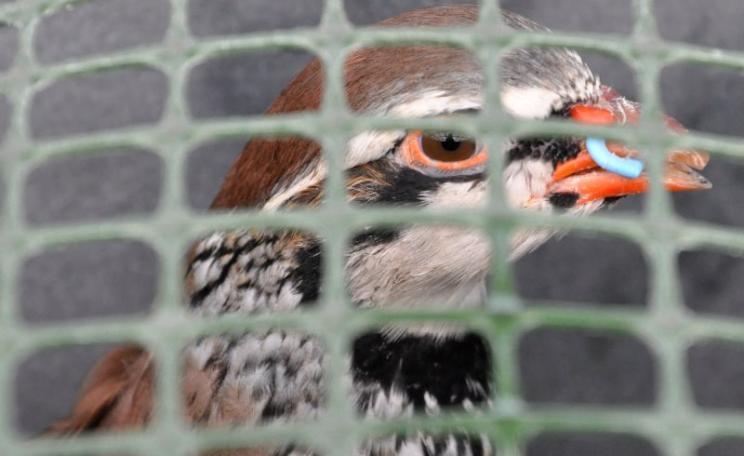
Forget pear trees. Today's partridges are unlikely to have seen much beyond the barren confines of their cages until they are released to be shot, writes Toni Shephard. A new investigation by the League Against Cruel Sports reveals that thousands of partridges will spend Christmas, like every other day, imprisoned on the farms that supply shooting estates.
The apparent conspiracy by the UK government and its agencies to conceal the real cause of death of 7-year old Zane Gbangbola may go right up to Prime Minister David Cameron, writes Paul Mobbs. He was chair of the COBRA emergency committee at the time when it appears to have held back the truth that he was killed by cyanide from the toxic landfill site his home was built over.
Overtaken by massive regional trade agreements like TPP, TTIP, CETA and TINA, the World Trade Organisation has slipped into the background, writes Polly Jones. But this week it's back with a vengeance, with its first big meeting in two years. The US's plan is to globalise the investment protection regime set out in the TTP, and open a new era of corporate rule and the eradication of democracy.