Investigative reporters working for Greenpeace UK's Energydesk have uncovered a nexus of senior academics willing to accept large sums of money from fossil fuel companies to write reports and newspaper articles published under their own names and university affiliations, without declaring the funding. Lawrence Carter & Maeve McClenaghan spill the beans ...
Britain's five top media billionaires are all 'climate sceptic and using their newpapers to disinform us on climate change and block effective action, writes Donnachadh McCarthy. So let's put together a block of climate-aware advertisers to demand they tell the truth.
How can Green parties acquire real political power? A new book by Per Gahrton, founder of the Swedish Green Party, is much more than a useful reference text on the history of Green Parties around the world, write Bennet Francis and Rupert Read. It's also a valuable manual in realpolitik that resonates here and now in the UK.
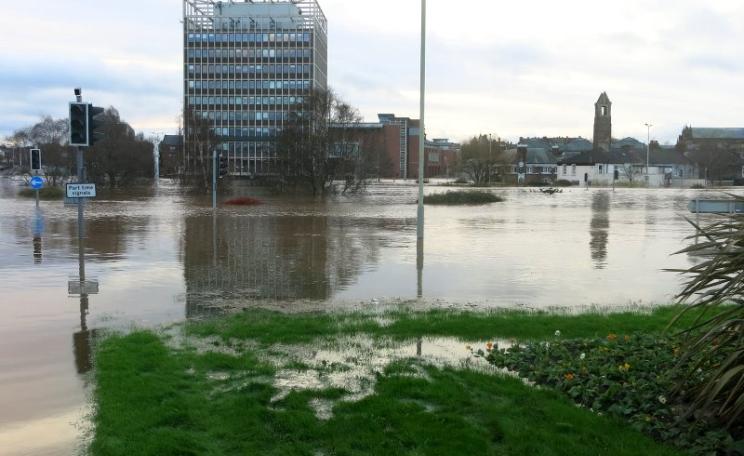
The key to reducing the risk of more floods like those in Carlisle is to realise that conventional 'flood defence' can never provide security against the ever more extreme weather events that global warming will bring. We must embrace natural solutions to holding back flood waters: more trees; and bring back the beavers!
Native wild beavers in their natural range are meant to receive stringent protection under European and Scottish law, writes Louise Ramsay. But farmers have declared 'open season' on the small but growing population, shooting them at will, while the Scottish Government and its wildlife agency look the other way.
Climate change denier Lord Monckton was making waves at COP21 in Paris yesterday, write Brendan Montague & Kyla Mandel, with his claims of a 'synergy of interests' between 'malevolent scientists' and power-mad politicians intent on setting up a fascist / communist world government under the guise of a climate treaty.
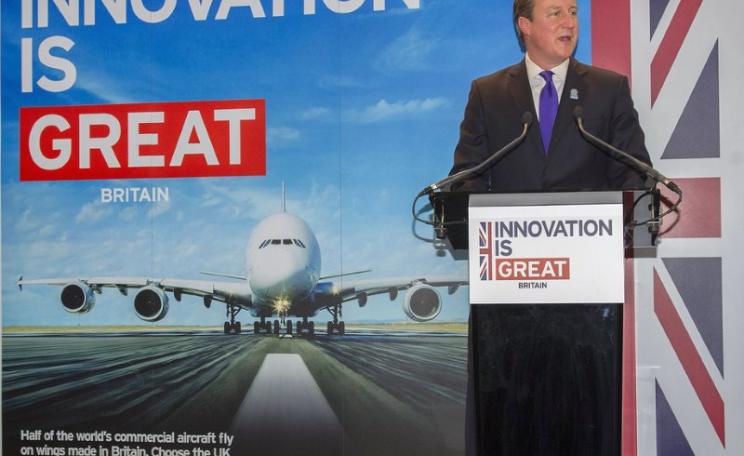
On Monday Cameron was waxing lyrical on climate change at COP21 in Paris, writes Natalie Bennett. But his true colours will be revealed tomorrow as a long established anti-fracking camp in Cheshire is set for eviction: all part of the plan for a new generation of gas-fired power stations that will blow the UK's emissions targets.
Earthship Brighton, an award-winning off-grid community centre set in an organic farm within the South Downs National Park, has hosted hundreds of events and inspired tens of thousands of visitors over the last decade, writes Phil Moore, demonstrating green technologies and energy-efficient living. But now it's in need of a refit.
David Cameron's vision of striking terrorists in Syria betrays a pitiful lack of vision. We must bomb terrorists and their accomplices wherever they are lurking: Saudi Arabia, Turkey, Molenbeek, the Parisian banlieue, even Leeds and Finsbury Park if we have to.
Little publicised government plans to 'reform' court costs are intended to foreclose access to environmental justice for all but the wealthiest individuals and communities, writes Paul Mobbs. Meanwhile cuts to agencies and regulators will make it ever harder for them to do their jobs - making public participation in environmental protection all the more important.
As protestors gather to oppose yet another illegal war in the Middle East, Colin Todhunter asks why David Cameron is so keen to bomb. Of course there's access to oil and routes for gas pipelines, but beyond that, it's about re-entrenching militarism into our national culture, and re-asserting the dominance of capital over people.
The surprise removal of tax benefits for investors in community renewable energy schemes - effective from Monday - is unlawful and must be reversed, states a legal letter to the Treasury. But meanwhile, investments in the sector have hit record levels, with two days still to go.
The 'Autumn Statement' delivered with such aplomb by the Chancellor is yet another attack on the UK's sustainable future, write David Lowry & Oliver Tickell - cutting energy efficiency funds just as tens of thousands are set to die of cold this winter, betting £250m on pointless nuclear research, and raiding the renewables budget to fund subsidies to nuclear power and fossil fuels.
Fresh or dried wild seaweed may be on sale in a supermarket near you, writes Fiona Bird. But much better than supporting what may be unsustainable harvesting, gather your own at low tide on rocky shores, picking just enough for your needs. Once a poverty food, seaweed is now a sought after ingredient that expresses the 'fifth taste', umami.
Turkey's shooting down of a Russian jet near its border with Syria has just revealed the real nature of the war, writes Oliver Tickell, and sharply illustrates the dangers of getting involved in a conflict that is driven more by a battle of two gas pipelines than a clash of ideologies. The message for the UK - keep well out! Or if we are serious about crushing IS, best join in with Assad and Putin.
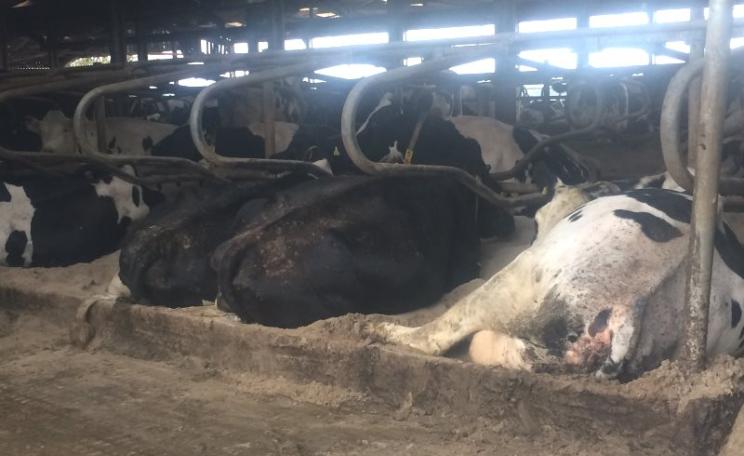
As falling milk prices push dairy farm out of business, new mega-dairies and feedlot operations of 700 or more cows are filling the void, writes Andrew Wasley. Never mind the pollution, slurry lagoons, and heavy plant on country lanes - do we want the cows that produce our milk confined to sheds? And what's the future for traditional dairy farmers with small, well cared for herds?
Luxembourg will join Austria's legal challenge to the UK's support package for the Hinkley C nuclear power station. Meanwhile EDF has laid off 65 engineers working on the project in Paris, and the EU Commission has initiated proceedings against Hungary over its Paks II nuclear project with Rosatom.
Amber Rudd's speech today exposes her total failure to assemble a coherent energy strategy, writes Oliver Tickell. It reveals the increasingly certain failure to meet EU renewable energy targets, proposes a new tax on wind and solar generation, and leaves the country facing the real prospect of lights going out in the next decade. The one hard policy? To maximise oil and gas recovery.
Right wing Labour MPs have launched a full-scale coup against Jeremy Corbyn, and against the members of the party they represent, writes Oliver Tickell. Their plan is simple - backed by mainstream media, to discredit him so utterly that even his supporters turn against him - and elect a new 'heir to Blair' leader.
The government's policies on climate, energy and industry are not merely stupid, writes Alan Simpson. The repeated cuts to renewables and energy efficiency, combined with limitless largesse to fossil fuels, has reached the point of insanity in the face of the UK's legal obligations and the growing climate crisis. Only we, the people, can end the madness.
The recently announced Snoopers Charter 2.0 gives the state enormous powers to delve into our lives, writes Paul Mobbs. And all the more so when combined with other data to which the government has access - by simply buying it from commercial providers. If you don't like the idea, it's time to get your systems secure and shrink your digital data trail.
Surprise changes to the Finance Bill in its third reading have withdrawn tax benefits for investors in community renewable energy projects, writes Georgina Matthews. While some societies are rushing to complete their fund-raising by the end of the month, others have been forced to close. If these measures are not withdrawn, a small but flourishing sector will be at risk.
Floating wind turbines offer huge falls in the cost of offshore wind power, writes Paul Brown, and could be generating power in UK waters at well under the cost of new nuclear by 2020, provided adequate support.
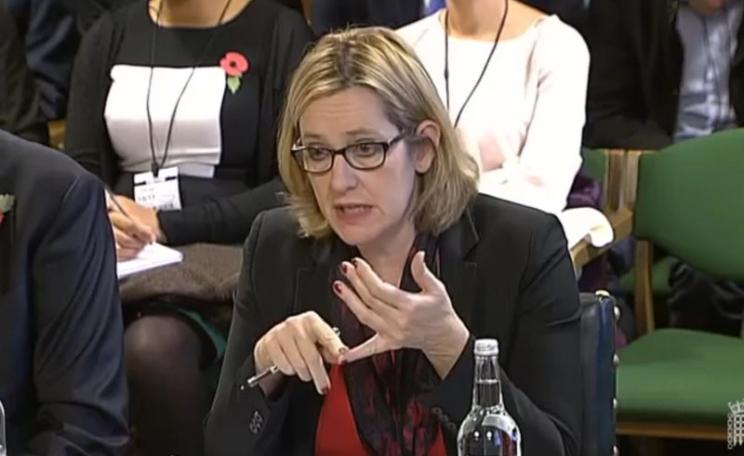
Despite strong public support for wind and solar power in an official survey published today, the UK's likely failure to meet its EU renewable energy target, and an impending legal challenge, Energy Secretary Amber Rudd today told MPs she would not be reversing recent cuts, writes Oliver Tickell.