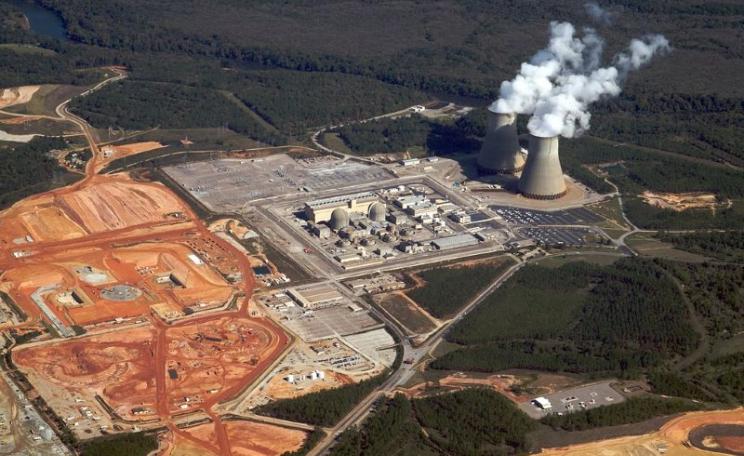
The UK-China plan for new nuclear build in England defy the evolving reality of 21st century power networks, writes Paul Dorfman. In China itself, the nuclear dream is hitting construction problems and delays, while wind and solar blossom at ever falling cost. But the phenomenon is global. Despite some governments' nuclear obduracy, renewables are winning the race hands down.
A letter from Energy Secretary Amber Rudd leaked to The Ecologist shows that she misled Parliament by promising the UK was 'on course' to deliver on its renewable energy targets - when in fact there is a delivery shortfall in 2020 of almost 25%. Her plan to fill the gap relies on more biofuels, buying in green power and 'credits' from abroad - everything but wind and solar.
Jeremy Corbyn came under attack yesterday for his refusal to countenance the use of nuclear weapons, writes Commander Robert Green. But his stance is honourable and both legally and strategically correct - especially with his opposition to renewing the Trident nuclear missile system.
The fox-hunting season is now well under way, writes Toni Shephard. But with Cameron still pressing for a Commons vote on wrecking amendments to the Hunting Act, political controversy shows no sign of subsiding. Take, for example, the proposed lifting of the limit on number of dogs that can be used for the 'observation or study' of a wild mammal.
The UK's nuclear deal with China makes no sense, writes Jeffrey Henderson - unless you factor in the simultaneous agreement to forge lucrative links between UK and Chinese financial markets. Lucrative, that is, for the City institutions whose interests the British government so assiduously represents. As for the rest of us, our task is simple: to bear the ever-growing cost.
The world could soon be generating all its electricity from renewable sources, writes Dave Elliott, by harnessing diverse technologies for generation, grid balancing and energy storage. Add to that the use of power surpluses to make fuels, and it could even be feasible to make all our energy - not just electricity - renewable. A clean green future beckons.
The EU's Nature Directives have been doing a great job of protecting Europe's most threatened species and habitats and building up wildlife numbers, writes Catherine Weller, and the UK knows it. But now it's the Directives themselves that are under threat. Other EU countries are standing up for them - but not the UK.
What's the new 'big thing' in energy? Of course, cheap, abundant solar power is very new and very big. But to make it work on a really large scale we need to be able to store its energy to use when we need it, not just when the sun is shining. Soon the batteries will be there to make that possible - at a price we can afford. And that will be a very big thing, indeed.
On the first anniversary of the UK's National Pollinator Strategy, writes Sandra Bell, the Bee Coalition warns that bees are still under threat from highly toxic pesticides, continuing loss of habitat, and an increasingly inhospitable countryside. The Government must do more to protect our bees.
The Government has refused to publish its report on the cost effectiveness of England's badger cull because it is 'still in draft form'. Campaigners say the real reason is that it reveals the cull to be cruel, ineffective and incredibly expensive.
Another week, another renewable energy cut. This time George Osborne is swinging the axe at tax breaks for community renewable energy schemes, writes Aisha Gani - even though previous cuts have already made 90% of projects unviable.
The UK dairy industry is in crisis, writes Megan Perry, with falling prices forcing many farmers out of business. Smaller, more sustainable farms have been the worst casualties, while the large, intensive producers survive. We must ditch market-driven 'survival of the fittest' attitudes - and recognise both the real costs of intensification, and the true value of traditional farming.
Buried in the minutes of an obscure new quango is evidence of vast corporate capture of the UK government, writes Christine Berry. The order of the day is to strip away business regulation without regard to the public costs - so long as companies save money.
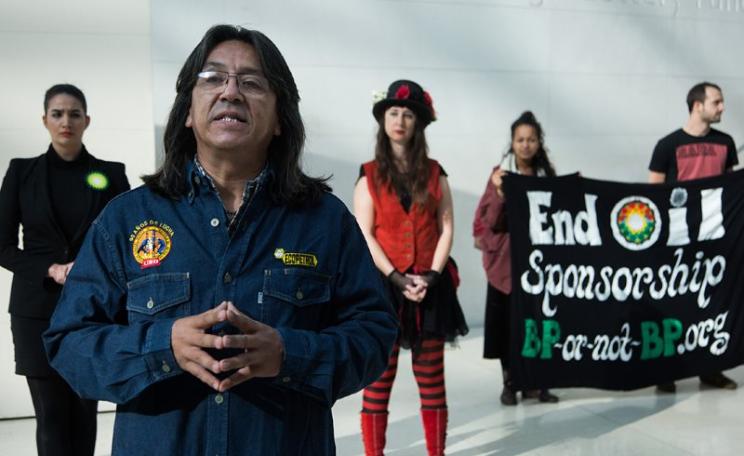
Last week BP's Peter Mather - who claims to have 'green and yellow oil' flowing in his veins - took to the airwaves on Radio 4's The Bottom Line'. Evan Davies asked some tough questions, writes Chris Garrard - but failed to mention the shocking case of Colombian trades unionist Gilberto Torres, kidnapped and tortured for 42 days by paramilitaries employed by BP's joint venture partner.
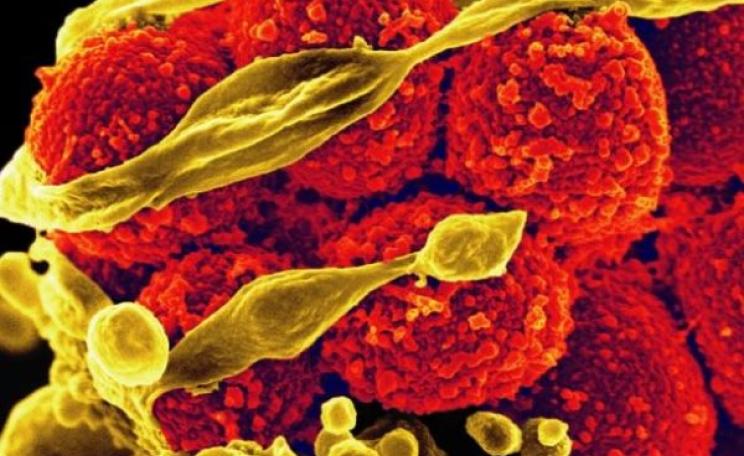
Antibiotics have saved countless millions of lives since the 1930s, but their power is failing due to their massive use in factory farming, horticulture, aquaculture and industry, says a new report from the All Party Parliamentary Group on Antibiotics. We must stop all inessential uses of antibiotics, or face a future where we risk death from minor injuries and routine surgery.
The late Labour MP fought both Tony Blair and Gordon Brown on environmental policies, writes John Vidal, standing up for climate and access to countryside, and against GMO crops and road building. Radical to the end, he was one of the few MPs to support Jeremy Corbyn as Labour leader.
Massive government cuts in solar 'feed in tariffs' threaten to wipe out our highly successful solar industry, writes Sonia Dunlop - and all to save £1 year off our fuel bills. Yes, that's all it would cost to keep the sector in business, employing tens of thousands of expert solar installers all over the UK.
China's nuclear investment into the UK raises more questions than it answers, writes Oliver Tickell. The £6bn committed is nowhere near enough to see Hinkley C to completion, and EDF has few options for raising the rest elsewhere. The only answer is more Chinese money, and it won't come cheap - not for Britain, nor indeed for France's vulnerable nuclear corporations.
The UK's plan to get China to build and finance new nuclear power stations is based on a wish and a prayer, writes Oliver Tickell. There is no reactor design, including new Chinese ones, that we can depend on to fill our impending power generation gap. This time, the last one out won't even have to turn out the lights.
The UK is embarking on a reckless endeavour in its attempted nuclear union with China, write David Lowry & Oliver Tickell. China's investments will come at a high price, one that transcends mere money and the undoubted security risk inherent in its control of key elements of our energy infrastructure. At risk is the UK's very future as a sovereign, independent nation.
The effect of wind and solar generation in the UK is to push down wholesale power prices, writes Oliver Tickell, taking over £1.5 billion off our bills in 2014 - that's 58% of the subsidies paid to renewable generators. Keep it up and the benefit will rise to over 100% of cost.
The love affair of the 'pro-nuclear greens' with a failed technology has paved the way to the UK's destruction of its renewable energy industry, writes Jonathon Porritt, and to the imminent deal with Chinese parastatal corporations to build a new fleet of already obsolete nuclear power plants at massive cost to us all.
It may not be on tonight's telly, but there's only one story on the lips of SNP members at their party's conference in Aberdeen, writes Jen Stout - the grassroots revolt against the feeble land reform bill advanced by the party leadership, rejected outright by members in a decisive vote. Now the SNP must come up with a bill that's as 'radical' as Nicola Sturgeon's speeches.
It sounds like a modest ambition: France wants to raise the amount of carbon in its soils by 0.4% a year, writes John Quinton. But that represents a vast amount of carbon, and its capture into soils will bring a host of other benefits. We should all get with the program!