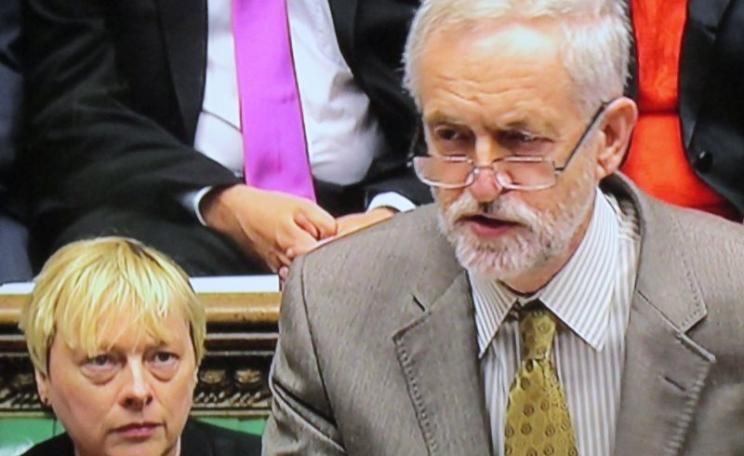
It was a remarkable spectacle, writes Damian Kahya: MPs trying to get straight answers out of VW's top man in the UK over the 'dieselgate' scandal. Of course our cars gave false test results. But who would ever believe those stupid tests anyway? How many people died from all the extra pollution? None! There was no pollution!
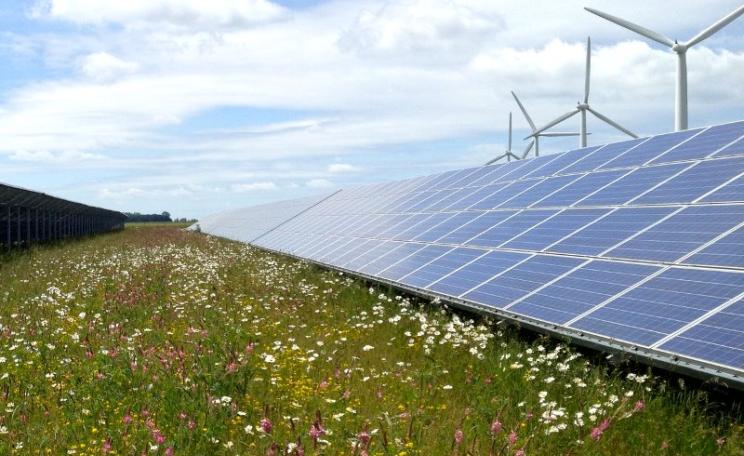
Wild flower margins around arable fields can funnel deadly pesticides into the bees, wild pollinators and other insects they are intended to benefit, writes Oliver Tickell. Neonic pesticides are often far more concentrated in the wild flowers than in the crop itself.
The UK's official agency for car pollution testing has taken £80 million from the auto industry in ten years, a Greenpeace investigation reveals, while its senior staff and engineers have a 'revolving door' relationship with car makers.
Ecotricity boss Dale Vince has accused the government of rigging the electricity market, writes Alex Kirby, by showering fossil fuels and nuclear power with huge subsidies, while taxing renewables and insisting they must 'stand on their own two feet'.
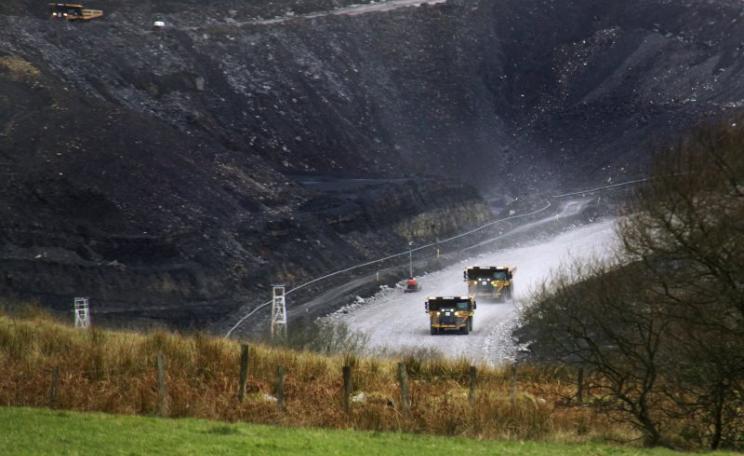
Campaign groups from Indonesia, Kenya and Peru have called on planners in the UK to turn down opencast coal mines in Co Durham and Derbyshire, write Anne Harris & Hal Rhoades. Not only do the mines damage local health and environment, say the activists. They also threaten global climate stability - and all countries must play their part in ending the world's coal addiction.
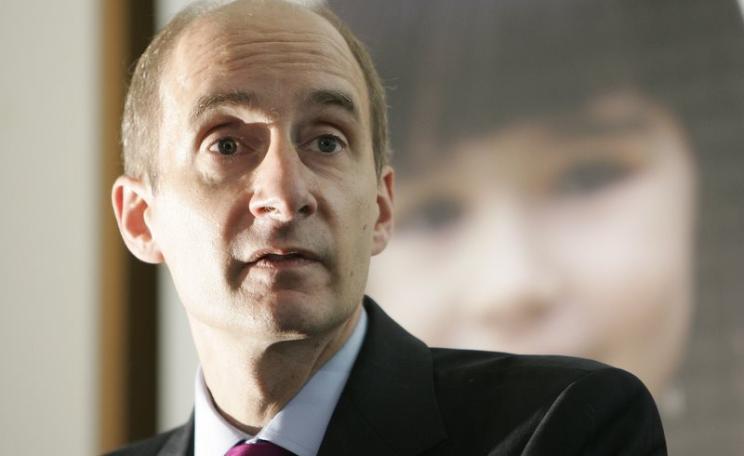
This week George Osborne took the entire energy policy brief out of the department for energy and climate change, and handed it to the new National Infrastructure Commission. It could mean a swift end to the Hinkley C nuclear plant and a new wave of renewables - but don't count on it. NIC chairman Lord Adonis is no green dreamer. But at least he takes energy seriously.
George Osborne's silence over nuclear power in his conference speech yesterday speaks volumes, writes Jeffrey Henderson. Fresh from his trip to China to put together deals worth tens of billions with state-owned Chinese corporations to get Hinkley C and Bradwell nuclear plants built, he had nothing to say on the matter. Is it because too many serious questions remain unanswered?
To explain their desperation to commit an estimated £76 billion of public money to the Hinkley C nuclear project, writes Paul Dorfman, the Treasury and its Chancellor, George Osborne, claim there are other benefits that justify this vast expenditure. So what exactly are they? And do the claims survive critical examination?
Cornish beaches are awash with millions of 'nurdles', tiny wildlife-choking plastic pellets presumed spilled from an rogue shipping container. As England's plastic bag charge comes into force, it's a sign that there's still a long way to go to rid our seas of the plastic menace.
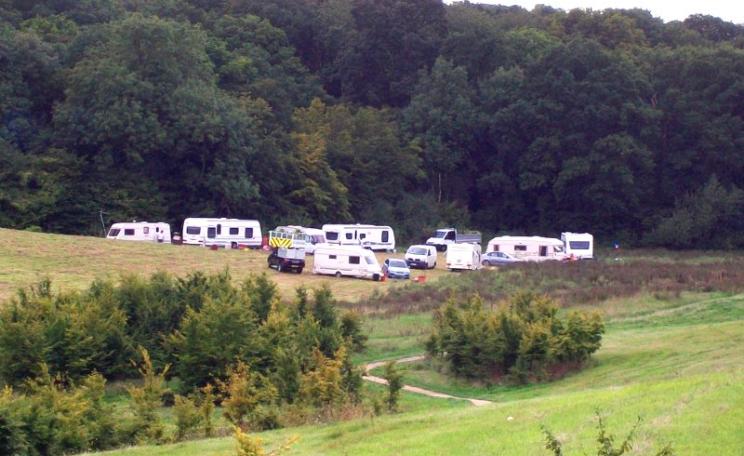
Under new planning rules, Travellers and Gypsies must be able to prove they are actually traveling to qualify for limited planning benefits to create new sites. But for many, it's impossible to do that. Not only to remain in employment, or education - but precisely because there are so few sites, that they are unable to travel.
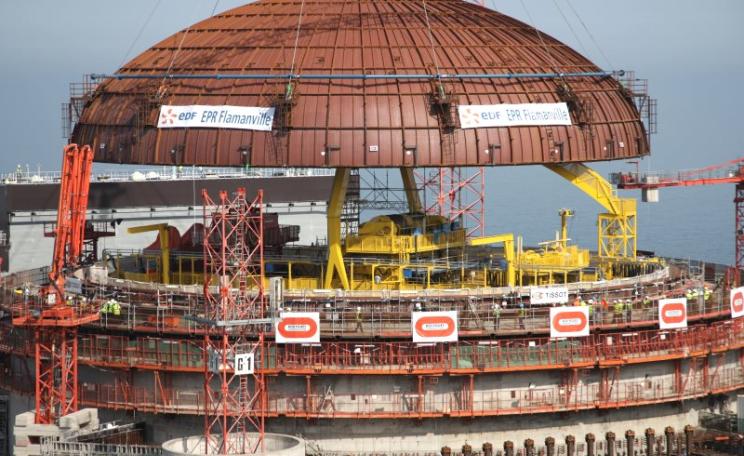
Just as George Osborne is hoping to get China to invest billions in EDF's Hinkley C nuclear plant in Somerset, news from EDF's Flamanville nuclear site threatens to sink the project. French regulators are to demand another lengthy round of tests on its flawed reactor vessel. And if Flamanville isn't working by 2020, £17 billion of UK finance guarantees for Hinkley C will collapse.
This week's Labour conference sent the party and its new leader, Jeremy Corbyn, soaring in popularity. So better get the knife in quick, writes Oliver Tickell. His refusal to commit mass murder in a nuclear attack gave his enemies just the cue they needed - including those who should be his loyal allies. We must not let them succeed.
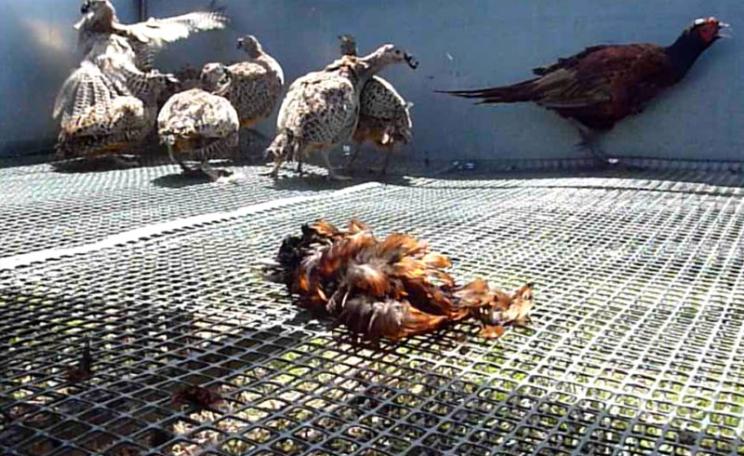
This is the first day of the pheasant shooting season, writes Toni Shephard. But put bucolic ideas of happy birds running around in the wild woods out of your mind. Most of the birds coming under shotgun fire today have only just been released from overcrowded factory farms. Even in death they have no dignity: most are not even eaten, but end up dumped in makeshift pits.
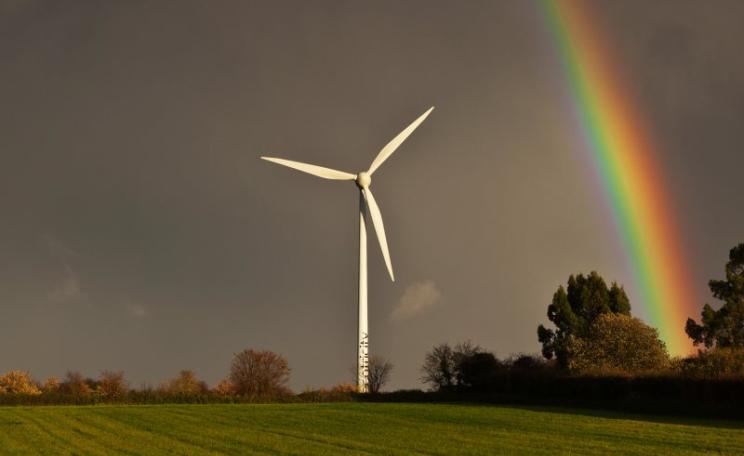
Britain has a huge role in effecting the global energy transition to renewables, new shadow energy secretary Lisa Nandy told the Labour Party Conference. But that will mean a complete reversal of Tory policies to attack wind and solar, lock us into polluting fossil fuels and overpriced nuclear power, and maintain 'big six' profits at consumers' expense.
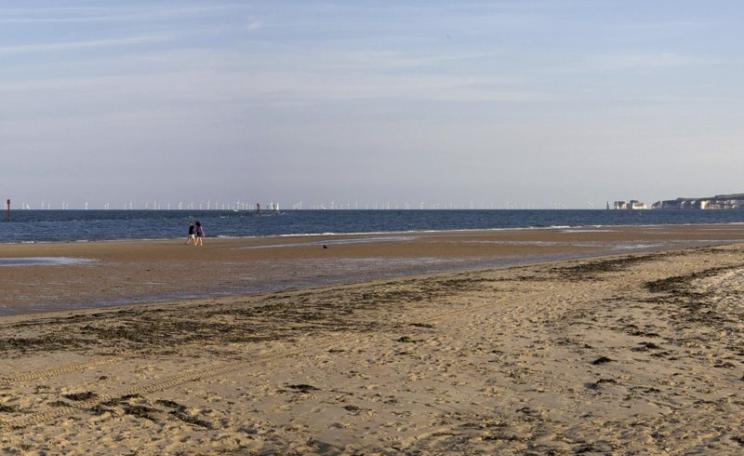
The government's decision to turn down the 1GW Navitus Bay offshore wind farm near the Isle of Wight sends a chilling message to developers: 'don't waste your time and money here!' The refusal of planning permission based on visual impact to a geological world heritage area is capricious and threatens to kill off an industry in which the UK has been - until now - the world leader.
UK local authorities have £14 billion invested in fossil fuels, campaigners revealed today. Now they should re-invest it in solar energy, new housing and other areas that generate local and global benefits - as well as providing better security for pension holders.
The UK government and its Chancellor George Osborne are grossly misleading the public over the relative costs of renewable energy and nuclear power, writes Oliver Tickell. Osborne's claim that nuclear is the 'cheapest low carbon technology' is the very reverse of the truth. He and his nuclear plans must be stopped.
The UK's decision to 'green light' £2 billion in guarantees for the Hinkley C nuclear power station indicates the government's increasing desperation, writes David Toke. Bar the shouting, has anything actually happened? The guarantees have not been issued, and the announcement of Chinese participation in a new reactor at at Bradwell remains ... an announcement.
Coming so soon after the Magna Carta celebrations, the eviction and destruction of the Runnymede Eco-village is a parable of our times, writes Nicholas Sebley: a violent assertion of the power of capital over people and community, and part of a deliberate, systematic closure of alternative ways of living outside the mainstream economy.
The government claims that we need nuclear 'baseload' power to keep the lights on, writes Damian Kahya. But a new study shows reliable, low carbon energy can be provided by combining diverse green technologies including efficiency, large scale renewables, 'smart grid', energy storage and rarely used fossil fuel backup.
Today's announcement of a £2 billion government guarantee for Hinkley C confirms that Chancellor George Osborne and his Treasury cannot be trusted to run the UK's energy policy - which is precisely what they are doing. On top of decimating the renewables industry, now they're risking billions on a failed nuclear design owned by failing companies. It's time to stop the madness.
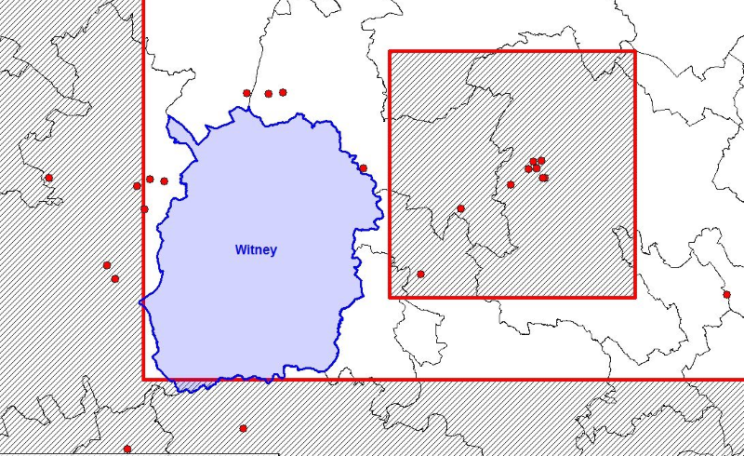
The 14th Onshore Round of oil and gas licencing entirely avoided the Prime Minister's Witney constituency for reasons that clearly have nothing to do with geology, writes David Smythe. Is the little-known Frack-Free Witney the UK's most successful - and covert - anti-fracking organisation? Or are darker forces at work?
The US's Nuclear Regulatory Commission just cancelled its study into cancer near nuclear plants citing the 'excessive cost' of $8 million, writes Chris Busby. Of course that's rubbish - similar studies in the UK have been carried out for as little as £600 per site, and in any case $8 million is small change for the NRC. The real reason is to suppress the unavoidable conclusion: nuclear power kills.
UK support for low-carbon energy technologies is running at £250 million a year, writes Chris Goodall. Yet the government wants to throw four times more, every year for 35 years, at the Hinkley C nuclear power station, that could take almost as long to build as Salisbury Cathedral.