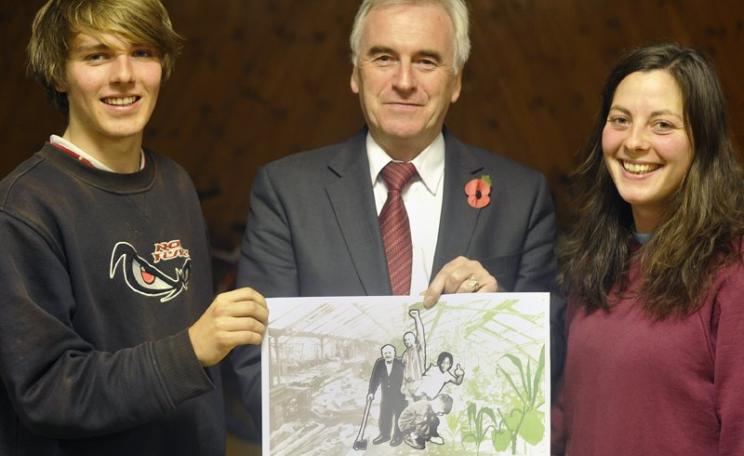
New proposals on land reform in Scotland are a mixed bag, writes Craig Bayne: some good, some bad, and some downright ugly. Leading that last category is the failure to tackle offshore land ownership in tax haven shell companies, and force disclosure of the real landowners.
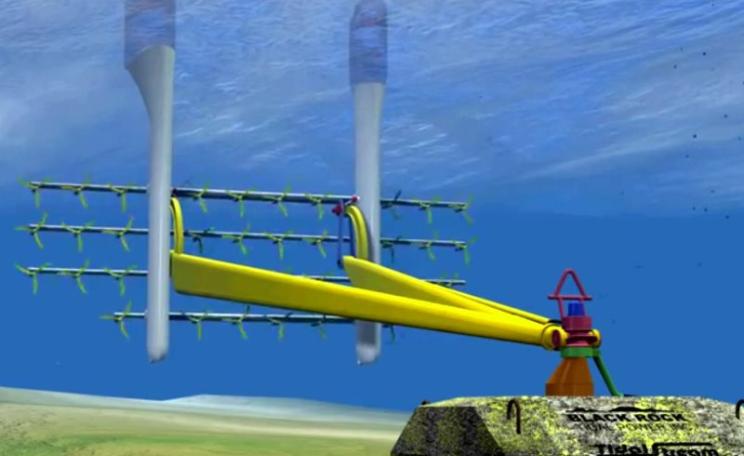
Tides in the UK's coastal waters could be generating 10GW of clean power, representing half of Europe's tidal resource, writes Ross Jennings. So far it's going unexploited, but a new generation of lightweight, low cast tidal turbines that float off the surface could soon get that electricity into our homes and businesses.
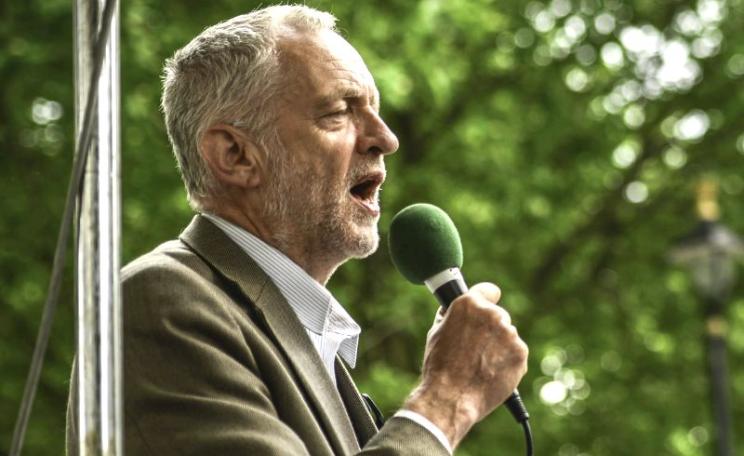
Jeremy's Corbyn's appointment of John McDonnell as shadow Chancellor was bold, provocative and absolutely correct, writes Donnachadh McCarthy. As well as being Corbyn's firm political ally, McDonnell understands the nature and scale of the challenge that he faces as he confronts the corrupt nexus of political and economic power in modern Britain.
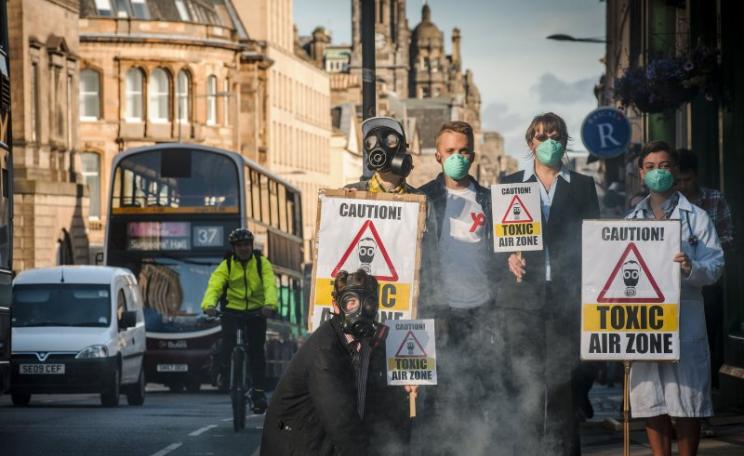
The UK government's response to the Supreme Court's order to clean up air quality in key urban areas has been condemened as vague, weak and slow, lacking in clear targets and compulsory measures. New figures reveal that over 50,000 people a year are being killed by air pollution.
The fight against TTIP is being picked up by local authorities across the UK and other EU countries, writes Kevin Smith. Even Brussels - where the European Commission has been negotiating the deal with its US counterparts - has joined the movement. And now, with the election of the anti-TTIP MP Jeremy Corbyn's as Labour Leader, it's time to drive the message all the way home.
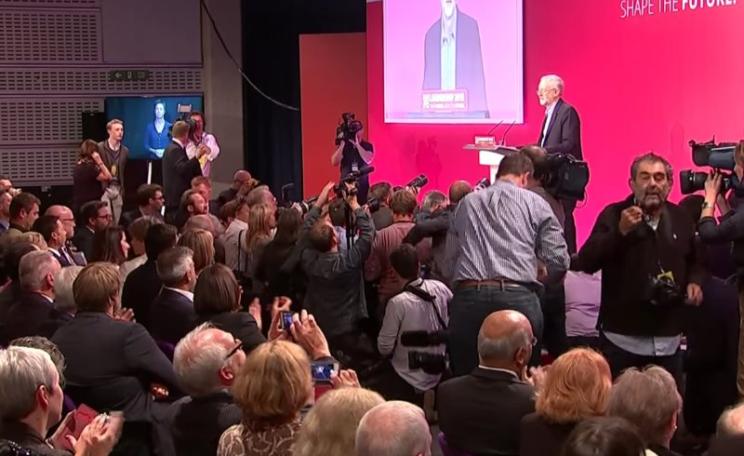
The magnitude of Corbyn's victory today represents an irreversible seismic shift in British politics, writes Oliver Tickell. Finally the Tories face serious, principled opposition that will reveal them as the far-right ideologues they truly are. The reverberations will echo far, wide, long and deep, including to the US where the socialist Bernie Sanders is well on his way to winning the Democratic nomination.
Labour's new candidate for London Mayor has taken a firm stand against Heathrow expansion, write Victor Anderson & Rupert Read. But he's all for it at Gatwick - never mind the climate change. For those who oppose new runways on principle, there's only one choice: The Greens' Sian Berry.
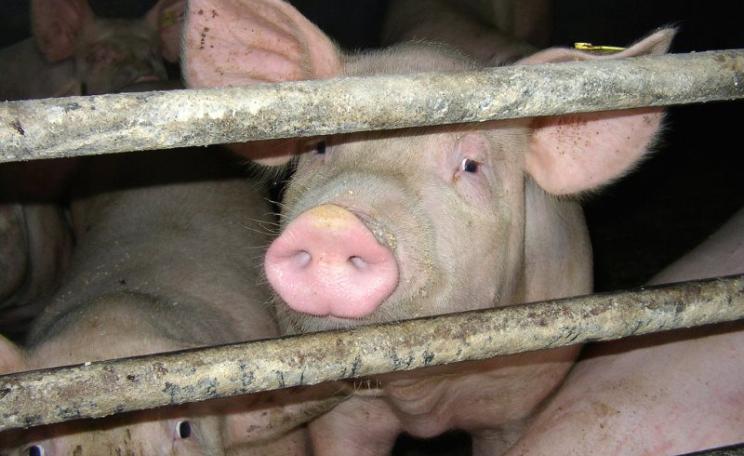
Doctors have been told to limit their use of antibiotics to limit the spread of microbial drug resistance, writes Emma Rose. But 40% of the UK's antibiotics are used on farms, of which 85% is fed to disease-free animals. We can no longer ignore the massive agricultural overuse of the drugs, now a major driver of antibiotic resistant infections.
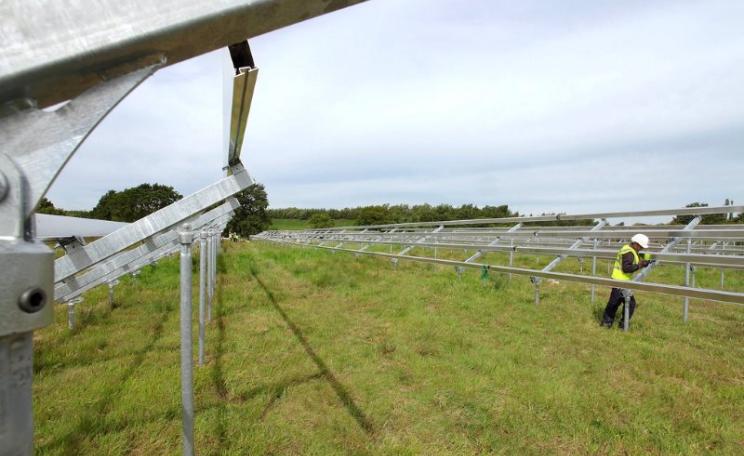
A stones throw from where Cuadrilla lost its bid to develop a fracking operation in Lancashire, a solar farm has just won planning permission with widespread local support, writes Ben Lucas. However a 194-turbine offshore wind farm near the Isle of Wight has been refused planning consent.
This week Chancellor George Osborne told Parliament that the power from the planned Hinkley C nuclear plant would be cheaper than onshore wind, writes Doug Parr. That could be true on Planet Zog - but here on Earth the reverse is the case. Exactly what are Osborne and his Treasury mandarins smoking?
The single biggest energy service we all need is heat, writes Rob Raine - yet it's largely ignored in the energy policy discourse. By focusing on heat as well as power, we can accelerate the transition to renewable energy sources and - because heat stores are far cheaper than batteries - keep the costs down.
Defra's new £500,000 report on pheasant and partridge breeding is biased towards commercial shooting interests from start to finish, writes Toni Shephard. It purports to study the welfare of captive birds reared in restrictive cages, but fails to compare their lot to that of free-range birds - the only adequate baseline.
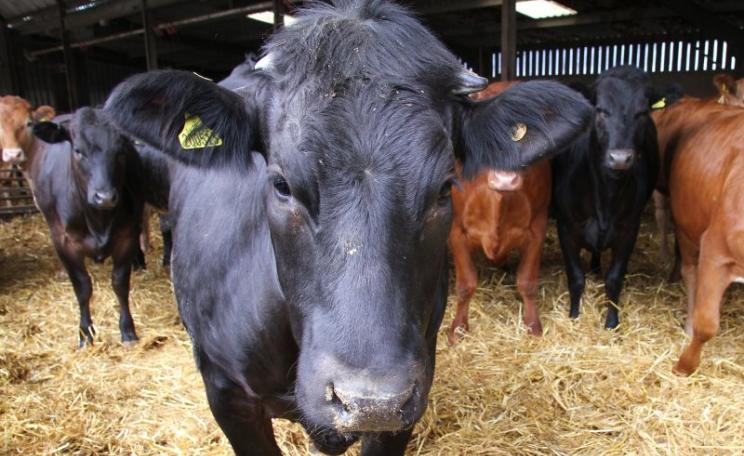
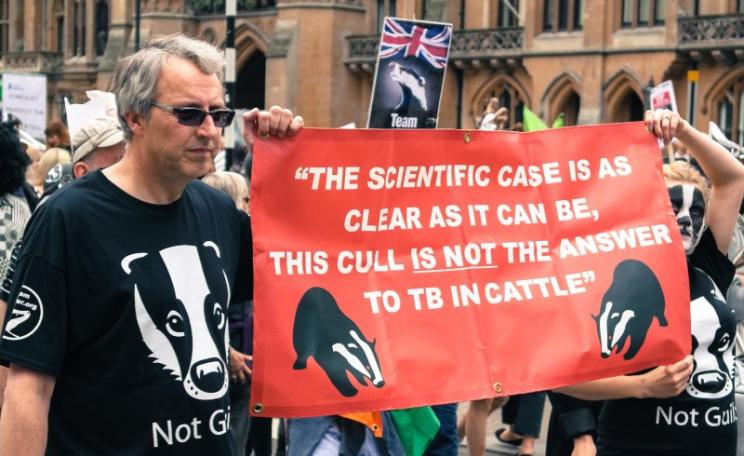
A new study on the spread of bovine TB shows that only with more frequent testing of cattle will the disease be defeated in England, writes Oliver Tickell. It has already worked in Scotland, and is on the way to doing in Wales - where some herds are tested every six months.
Consumers are routinely ripped off in an anti-competitive retail energy market dominated by a handful of big, polluting companies, writes Stephen Hall. Jeremy Corbyn's vision of a nimble, decentralised energy democracy with rapid development of renewables and real choice is both timely and innovative.
The notion that nuclear is cheaper outside the UK is a myth, writes David Toke. Yes, it looks more expensive here - but only because new stations like Hinkley C have to compete in an electricity marketplace, making it harder to conceal the true costs like we used to.
They tried to influence government - but that's not working any more, writes John Vidal. So Friends of the Earth's new boss is taking a more radical approach rooted in community activism. And as he prepares for a storm of protest over fracking and cuts to wind and solar, he's ready to take on George Osborne in an 'ideological war' for the future of Britain.
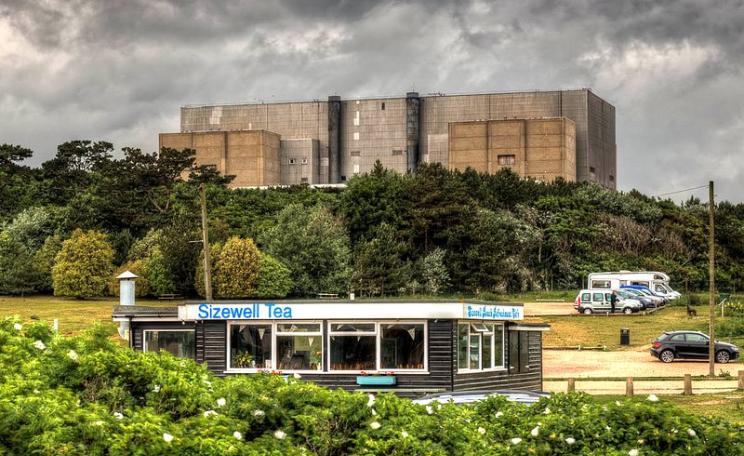
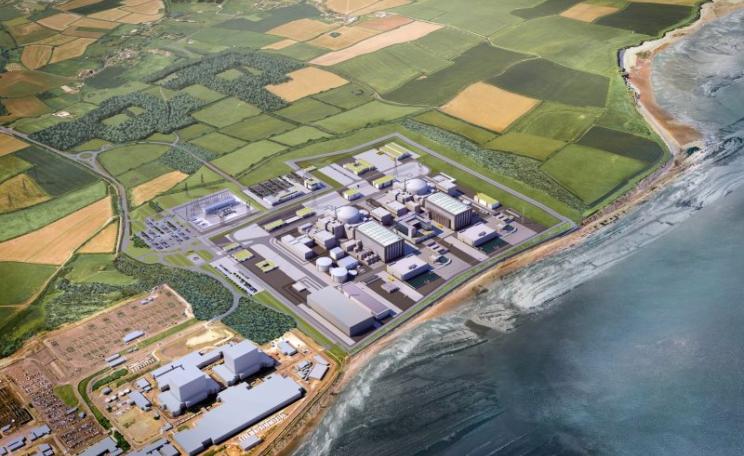
EDF has indefinitely postponed its Hinkley C nuclear plant in Somerset, England, as a new IEA analysis shows that its power will cost UK energy users three times more than it should, writes Oliver Tickell. A similar reactor in France is running six years late and three times over budget - and may never be completed.
Scotland's decision to maintain its GM-free status is in the best interests of the country, its people and its farmers, 30 scientists write to Rural Affairs Secretary Richard Lochhead. It is abundantly justified by the scientific evidence and will support the sustainable, agroecological farming systems of the future.
The Garden Bridge will offer a new kind of green space in the heart of the city, strengthening London's status as the greenest capital in Europe, writes Bee Emmott. It will benefit the health and wellbeing of local communities and visitors alike.
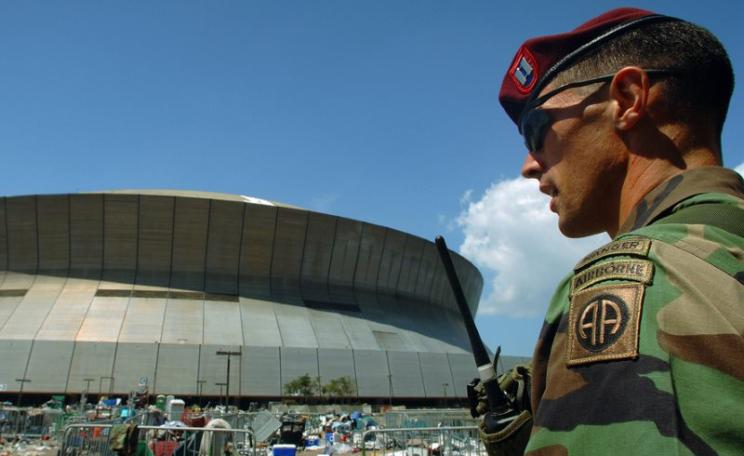
Confronted with climate change, disasters and their human victims, governments are all to quick to adopt a security response, write Nick Buxton & Ben Hayes. We saw it in the US after Hurricane Katrina. We see it now in Europe. And there's a host of powerful corporations keen to cash in on the opportunities. But the solutions they offer will only deepen the crises we face.
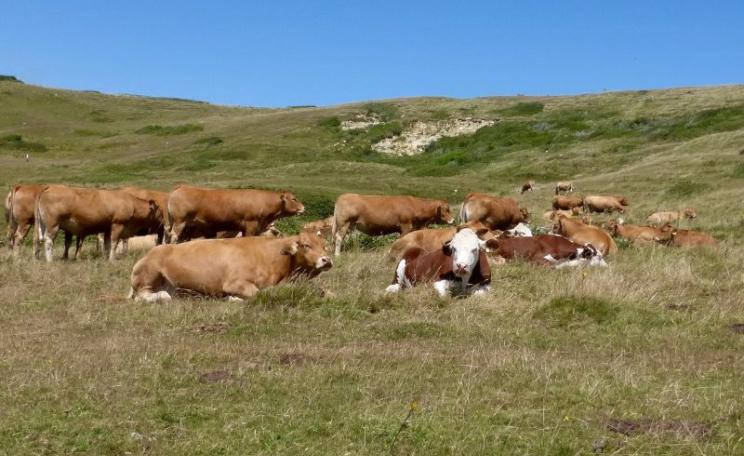
The government is right to extend the badger cull into Dorset, writes Mel Squires in this 'right of reply' article. While culling badgers is only part of the solution of bovine TB, along with annual TB testing of cattle and badger vaccination, it is a necessary measure in areas of high risk.
The government's decision of extend the badger cull to Dorset, and persist with the Somerset and Gloucestershire culls, is 'completely irrational', say badger protection groups - and now they intend to prove it in a High Court legal action, forcing an end to the killing.
Greens are united in opposing neoliberal 'austerity', write Rupert Read & Sandy Irvine. But there's another kind of austerity to which we are committed - that of living within ecological limits. But base the transition on social, economic and environmental justice, and there will be nothing austere about it. The future we're working for is one of sustainable, life-enhancing abundance.
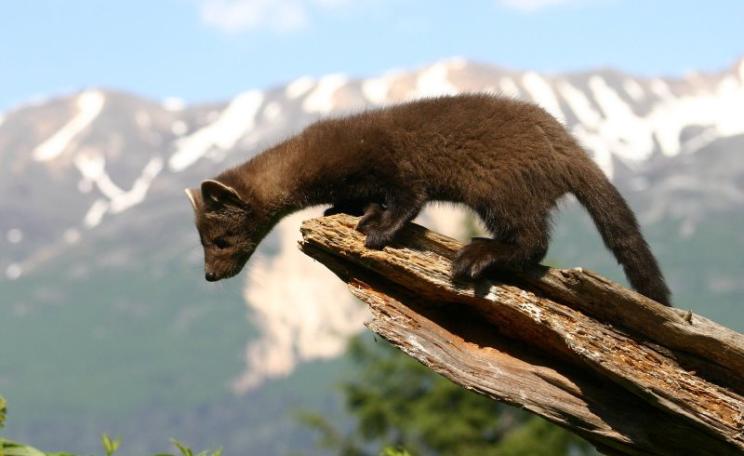
The return of pine martens to central Ireland has been followed by a resurgence of red squirrels, writes Emma Sheehy. Now that the predatory mammal is being seen south of the Scottish border, the same could happen in England. The heavier grey squirrel is easy prey for pine martens, and their demise could open up ecological space for the native red to recolonise.