The Tories' decision to scrap the UK's renewable energy sector deserves condemnation, writes Oliver Tickell. But there is a silver lining: it creates the space in which to design better, cheaper, more cost effective support mechanisms to drive the clean energy revolution forward.
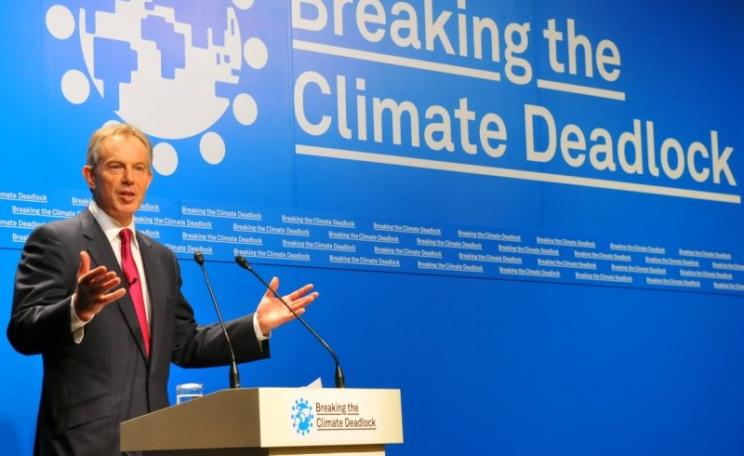
Commitment to action on climate change was once a banner of modernism adopted by by both Tony Blair and David Cameron, writes Leo Barasi. But no longer. The Tories have abandoned it entirely, while the Labour mainstream, in thrall to the twin narratives of 'austerity' and 'aspiration', looks the other way. So how to put climate change back on the centre-left agenda?
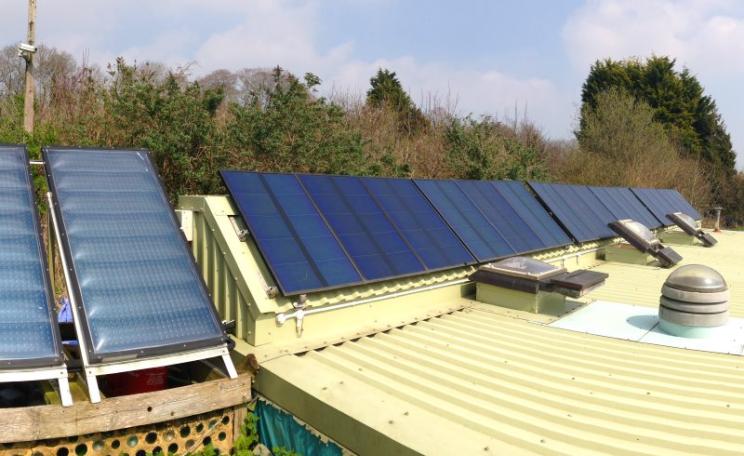
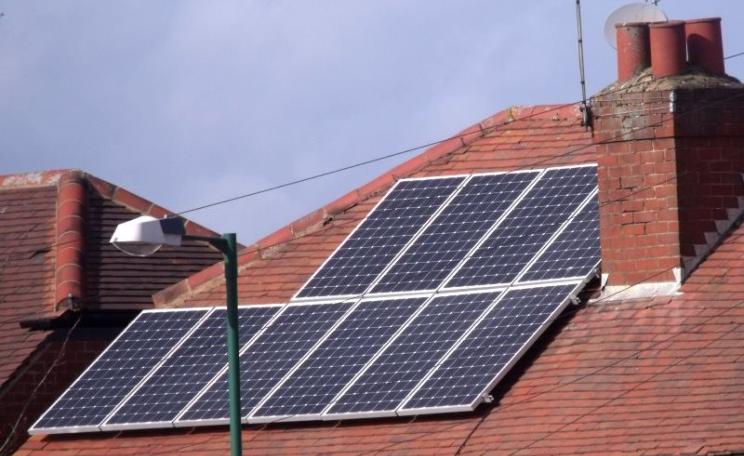
The UK government is to cut support for domestic rooftop solar to 13% of current levels, with similar cuts for bigger systems, and end all support for small scale renewables by 2019. The likely result, and surely the intention, is to kill off the UK's solar industry altogether.
It sounded wonderful: a futuristic 'garden bridge' across the Thames dripping with flowers and foliage, writes Will Jennings. But really it's a private enclosure of valuable public space, mature trees and views, backed by £60m of taxpayers money, that delivers no benefits to London's wildlife, environment or transport needs.
A month after warning the government of legal action over its decision to allow farmers to use bee-killing pesticides banned under EU law, Friends of the Earth has filed a High Court legal challenge to have the 'derogations' declared unlawful.
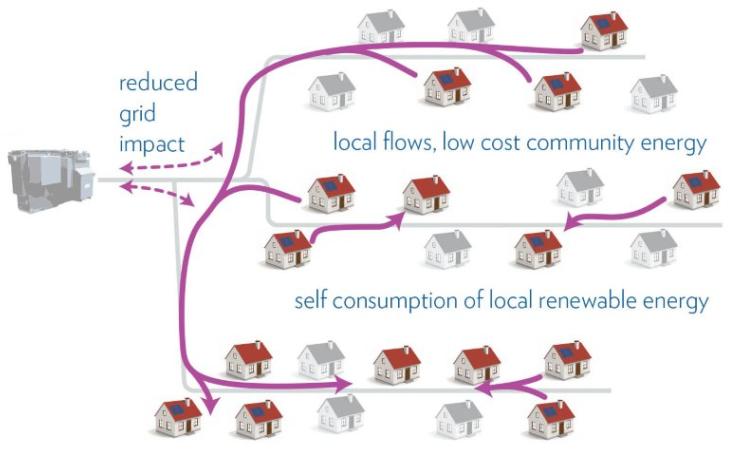
With centralised fossil-fuel and nuclear generation both undesirable and increasingly unviable, the answer is to make our energy local, distributed and renewable, writes Chris Wright. But to complete the picture we need battery systems for backup, stability and efficiency. And one could be coming your way soon ...
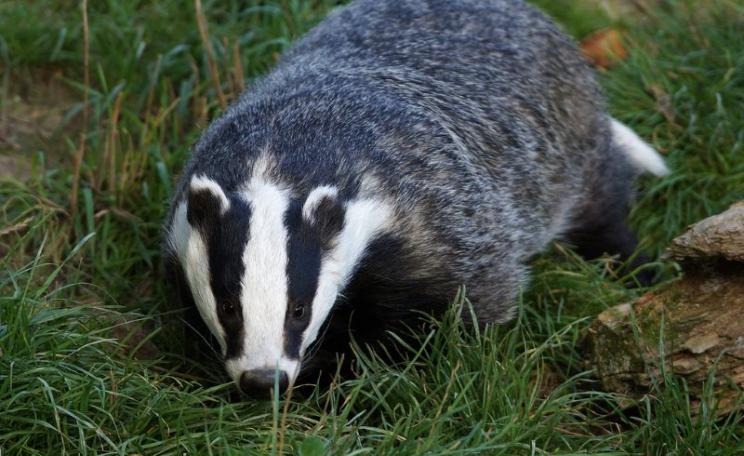
As they argue for an extended and intensified badger cull, some farmers have been making extravagant and improbable claims about giant badgers frolicking with their cattle in the sunshine, write Jay Tiernan & Lesley Docksey. But despite holding office in the NFU, they display astonishing negligence by failing to adopt the most elementary bio-security measures advised by Defra to keep their cattle TB free.
English Nature's decision to licence England's badger cull has no scientific basis, write Iain McGill and 26 other distinguished vets in this Open Letter to EN's Chief Scientist. Science Advisory Committee and Board. The body must urgently re-examine the entire issue before issuing any more licences to kill badgers.
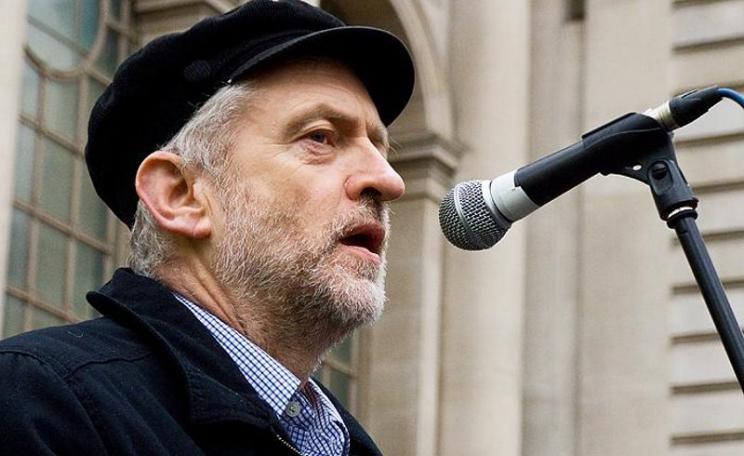
Jeremy Corbyn is the one candidate for the Labour leadership who is serious about the environment and social justice. Only he can re-energise the Party, turn it into a political force capable of defeating neo-liberalism, and lead the progressive government that Britain so desperately needs.
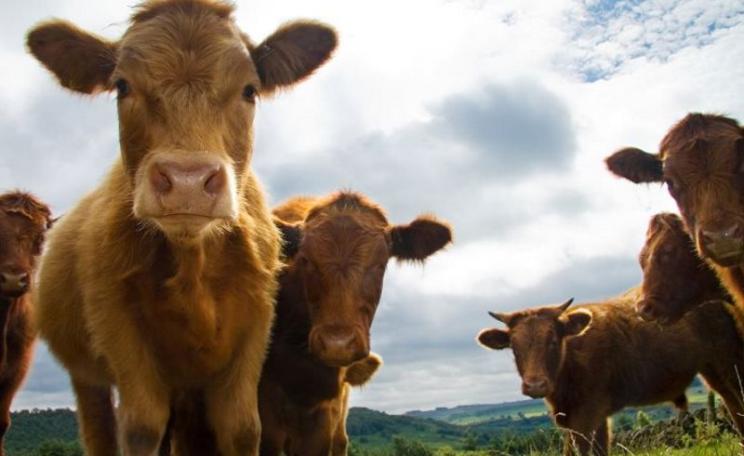
Britain's dairy farmers have been having a hard time, writes Vicki Hird, largely thanks to their exposure to an unregulated, unstable, global food market. But if the EU's TTIP 'trade deal' with the US is ever signed, pitting UK dairy farmers against zero-welfare US mega-dairies run on hormones and antibiotics, they won't have a chance.
It's a fair question, writes Doug Parr, but one to which we are getting no answers - the government is keeping its sums and energy models secret. It looks as if the energy department, DECC, is making things up as it goes along to justify its pro-nuclear, anti-efficiency and anti-renewables policies. And when it all goes disastrously wrong, who will end up paying for the mess? We will.
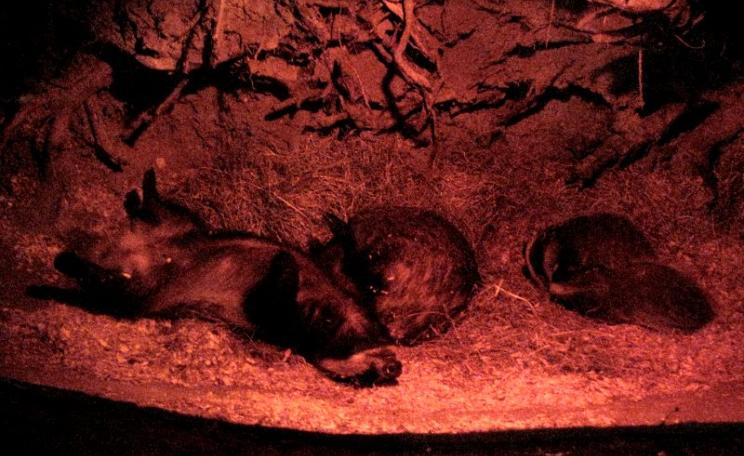
A scientific paper published today says badger persecution may be one of the reasons for the persistence of bovine TB hotspots, writes Oliver Tickell. A further finding is that the main risk factors for bTB are all to do with cattle - not badgers at all.
Canadian mining company Gabriel Resources is seeking over $2.5 billion damages from Romania after it rejected a vast gold mine at Rosia Montana, writes Oliver Tickell. Incredibly, it is taking legal action under a UK-Romania trade agreement.
At an £11 billion cost to energy users, and against all expert advice, writes Mel Kelly, the government is forcing the rollout of 'smart meters' repeatedly exposed as expensive, poorly tested and potential threats to our health and privacy. This madness must stop.
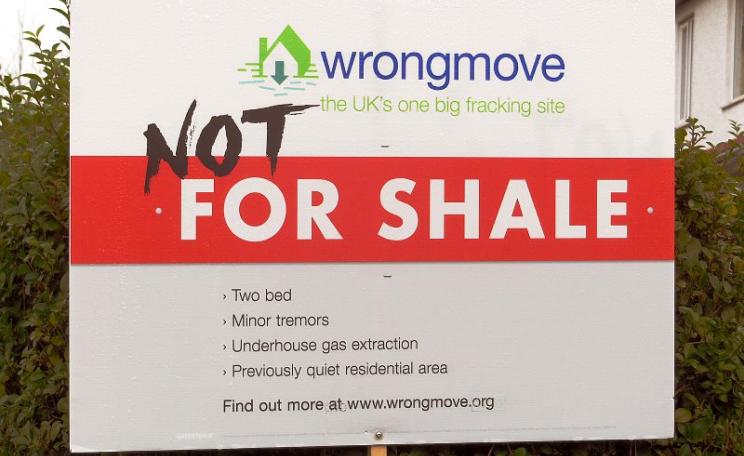
New measures to compel local councils to speed up frackers' planning applications have a clear intention, writes Oliver Tickell - to make it ever harder for planners to refuse permission.
The success of the SNP and surveys carried out by DECC show that green energy is overwhelmingly popular, writes Keith Barnham. Labour's failure to support renewables and oppose nuclear power and fracking may have cost them the last election - but now, with the rise of Jeremy Corbyn there's a real chance for the party to put that right.
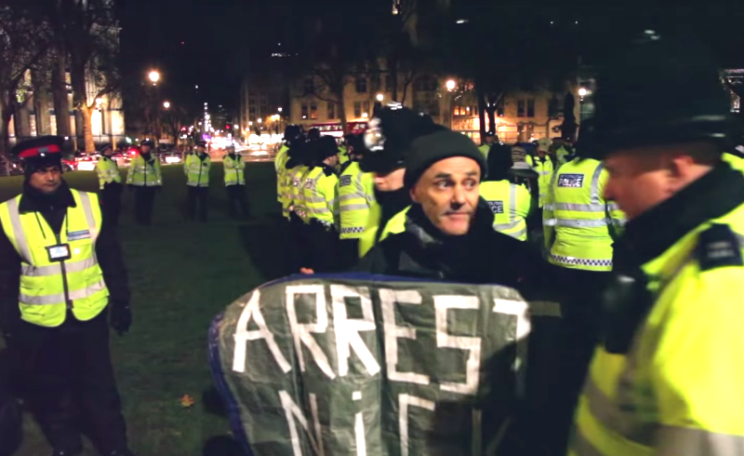
Democracy campaigner Donnachadh McCarthy is in court tomorrow tomorrow on a fictitious charge of 'assault against a security guard in Parliament Square'. But his real offence was to expose the corruption at the heart of the Lib-Dems, with the sale of peerages by political parties for around £300,000. And now the CPS is trying to deny him a fair trial.
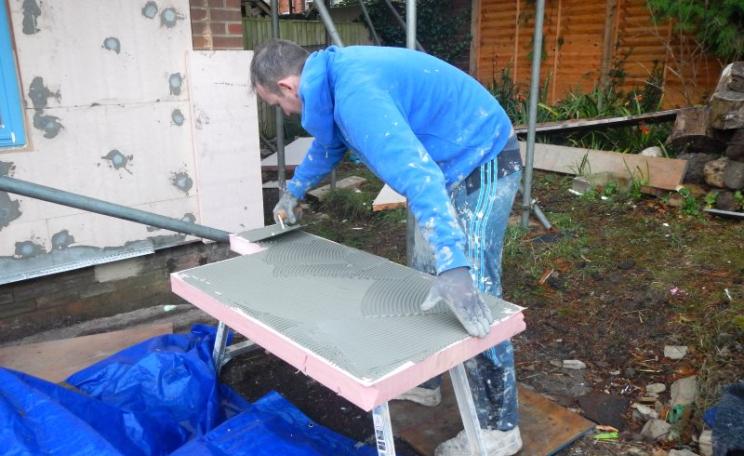
The Green Deal was expensive, bureaucratic, complex, inefficient and so badly designed it could have been set up to fail, writes Sue Roberts. Yet it was the UK's only national home insulation scheme and its intentions were sound. What it needed was rethink and reform, not scrapping - and with it gone, there's a huge gap that desperately needs to be filled.
Professor 'Jim' Al'Khalili's 'Inside Sellafield' programme was a tour de force of pro-nuclear propaganda, writes David Lowry - understating the severity of accidents, concealing the role of the UK's nuclear power stations in breeding military plutonium, and giving false reassurance over the unsolved problems of high level nuclear waste.
Jeremy Corbyn's soaraway success in Labour's leadership contest poses an existential threat to the Greens, writes Rupert Read. To counter it we must re-assert our distinctive ethos, values, policies and principles, rooted in ecologism not socialism, respecting natural limits, opposed to endless economic growth, dedicated to building and sharing the wealth we all hold in common.
There is huge untapped potential in the green economy to create millions of decent jobs, writes Jean Lambert - but only if lessons are learned from the Government's flawed, now scrapped, Green Deal. Lesson one: we desperately need a well-funded, ambitious replacement.
An new design of tidal power turbines will generate power at a third the price of current technologies, write Alex Kirby & Oliver Tickell, even at a lower price than offshore wind - without endangering marine life.
Scotland's small-scale farmers have welcomed their government's decision to prevent the growing of GM crops, aimed at enhancing the country's 'clean, green status', among a coalition of green NGOs.
Should we really be spending £1.2 million a year to conserve red squirrels? Yes we should, writes James Borrell. But with Africa's rhinos facing extinction, and vital conservation in UK's overseas 'biodiversity jewels' sadly underfunded, there are much better investments we should be making too.