In early March author Steven Druker challenged the Royal Society to justify its outspoken and partisan support of GMO crops, writes Colin Todhunter, and to correct any errors of fact in his book 'Altered Genes,Twisted Truths'. Three months later, the Royal Society remains silent. Is it frightened of genuine scientific debate?
Charles Kennedy may have struck a chord with voters as a man of the people, writes Donnachadh McCarthy. But in fact, he was very much a politician. He refused to speak out against the Iraq war, suppressed anti war activism, presided over serious political corruption, was supine in the face of corporate power, and laid the foundations for Nick Clegg's disastrous takeover.
Emails released by the Science Museum show that Shell pressed its case to Museum staff to deny NGOs the opportunity to open up a debate on the company's operations in connection with an exhibition it had sponsored on waste and climate change, writes Terry Macalister.
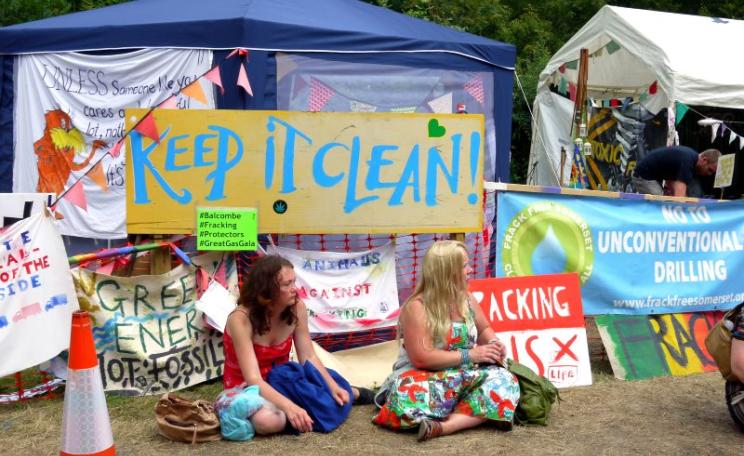
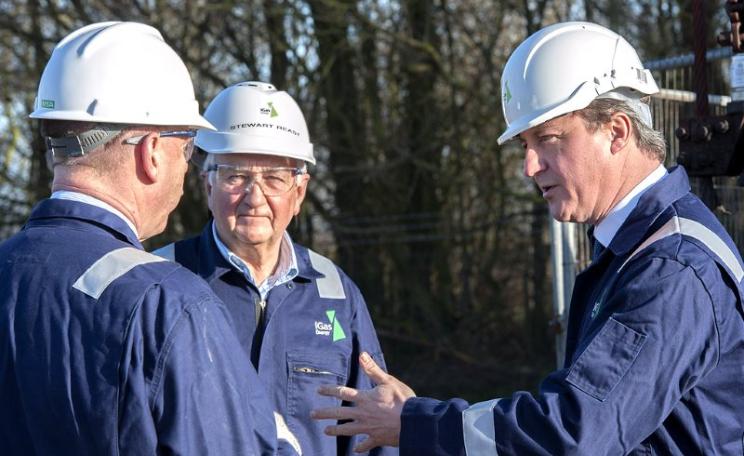
Emboldened by the Tory election victory and the appointment of Amber Rudd as energy Secretary, writes Ben Lucas, planning applications to frack have been coming in thick and fast - even in densely populated London boroughs.
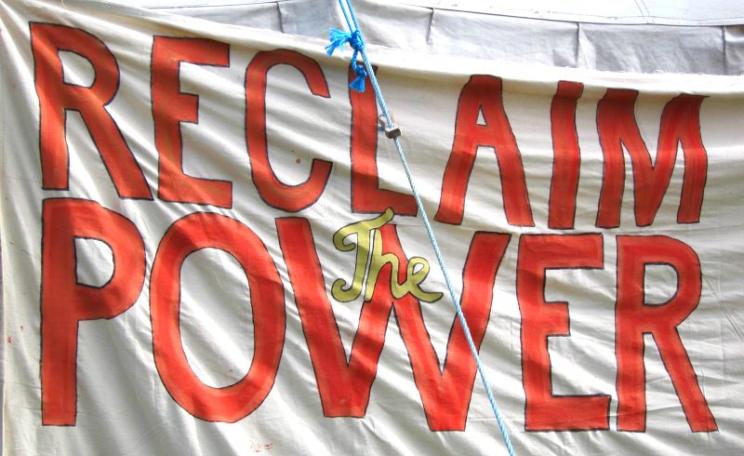
Hundreds of campaigners are gathering at Didcot Power station in Oxfordshire to demand a green energy future - and an end to the Government's relentless push for fossil fuels and nuclear power, writes Diêgo Lôbo. Preparations are under way for a series of actions due to take place tomorrow, Monday 1st June.
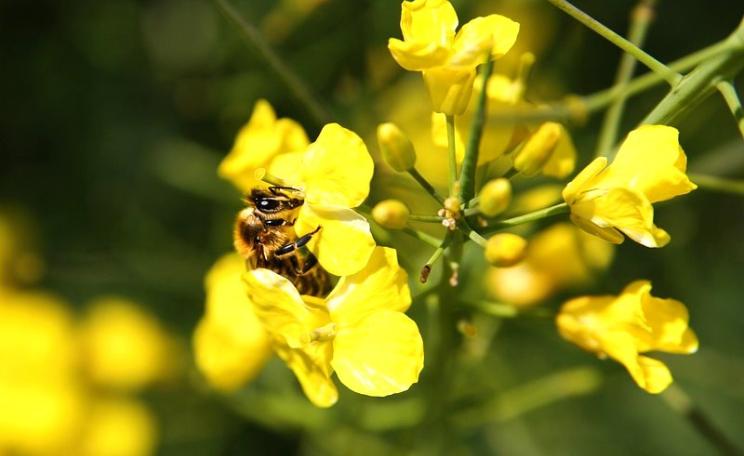
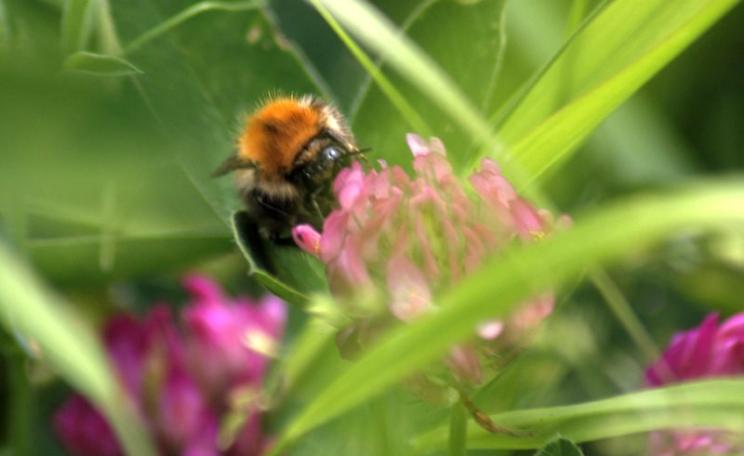
You can help save our bees with 'citizen science', writes Paul de Zylva - recording those you spot in your local area to help build up a long term picture of their changing numbers. Today we publish an identification guide to the 'top ten' bees, so you can get started right away. But be quick - the Great British Bee Count 2015 ends on Sunday.
Government plans to enact a 'domestic extremism' law, announced in yesterday's Queen's Speech, threaten to make thought criminals of all who challenge the established order, writes Donnachadh McCarthy. At risk are campaigners, protestors, journalists and all who dissent from Britain's neoliberal corporatocracy.
Shale gas advocates say we must open up the UK to fracking to reduce our dependence on Russian gas, writes Tony Bosworth. But why not just burn less of the stuff? Energy efficiency and renewables can achieve the same aim without the adverse impacts on land, water and climate.
As part of a global week of action campaigners from Divest London have gathered to ‘Raise the Heat' on the Commonwealth Bank of Australia, writes Hal Rhoades - protesting its plan to invest in a ‘carbon bomb' coal project that endangers global climate and threatens to finish off the Great Barrier Reef.
The serious failings revealed by William McNeilly on the UK's nuclear-armed submarines are indicators of a deeper malaise, writes Paul Ingram. With no realistic threat requiring a nuclear response, the whole exercise lacks meaning and purpose, so no wonder standards slip. But as they do so, they endanger us all.
The UK government has showered £500 million of its aid budget on 'partnerships' with global corporations that are meant to help the poor, writes Kevin Smith. Surprise - an independent assessment has found that the only ones to benefit were the companies themselves. This ideologically-driven farce must stop now!
Fresh from his surprise election victory, David Cameron is facing calls to expedite a 'free vote' in Parliament to repeal the law that forbids hunting with dogs, writes Chris Pitt. We must make sure our MPs vote to protect wild animals from the horrendous cruelty that resumed hunting would inflict on them.
Important developments are unfolding at the Nuclear Non-Proliferation Treaty negotiations in New York this week, writes David Lowry. These include the surprisingly large scale of the US's warhead scrapping, and a grassroots rebellion against the nuclear states led by South Africa. But the UK and its media remain aloof from it all - intent on renewing Trident no matter what.
Thanks to TTIP the corporate drive for free trade is once more facing critical public scrutiny, writes Alex Scrivener. But in the rush to oppose TTIP we mustn't lose sight of the context in which the deal is being negotiated - the hundreds of bilateral treaties that give corporations the right to sue in secret 'trade courts'.
The link between nuclear power and cancer is real, writes Chris Busby, and revealed in the UK's cancer statistics - if only you look for it. Previous approaches have focused on rare cancers over large, poorly selected populations. But look at common cancers among those most exposed to nuclear radiation, and the statistical evidence is overwhelming.
This week Finland cancelled its option for a second European Pressurised Reactor as the existing EPR project sinks into a abyss of cost over-runs, delays and litigation, writes Jim Green. It now looks like the EPR is a failed technology and its owner, French nuclear giant Areva, is fast running out of both money and orders as its 'hot prospects' evaporate.
A 'summer of protest' is brewing as campaigners vow to protect seals from shooting by salmon farmers in Scotland and managers of wild salmon fisheries, writes Dominic Dyer. The RSPCA's 'Freedom Food' system is driving animal welfare advances on salmon farms - now the model must be extended to wild salmon.
A damning expert critique of the National Farmers Union's application to use banned bee-toxic neonicotinoid pesticide seed treatment on a third of England's oilseed rape crop this autumn has forced the UK government to refuse the NFU's demand.
The battle for the soul of the Conservative party will intensify on the volatile issue of climate change, write Brendan Montague and Matteo Civillini. Energy Secretary Amber Rudd may be among the Tories' greenest but the 'grey blob' led by Owen Paterson may yet defeat her.
As Cameron appoints his cabinet, we had better get prepared for the 'green crap' that's about to be unleashed on us, writes Oliver Tickell - the return of fox-hunting, badger-culling, road building and nuclear power, the arrival of GM food and crops, more cuts to wind and solar power and the underfunding of home insulation.
Our bees and wider farmland ecosystems have been seriously harmed by neonicotinoids, writes Dave Goulson. But that's just the start of the damage that modern farming is doing to wildlife in a countryside stripped of wild flowers and drenched by cocktails of pesticides. The problem is not just neonics, but the entire model of industrial agriculture.
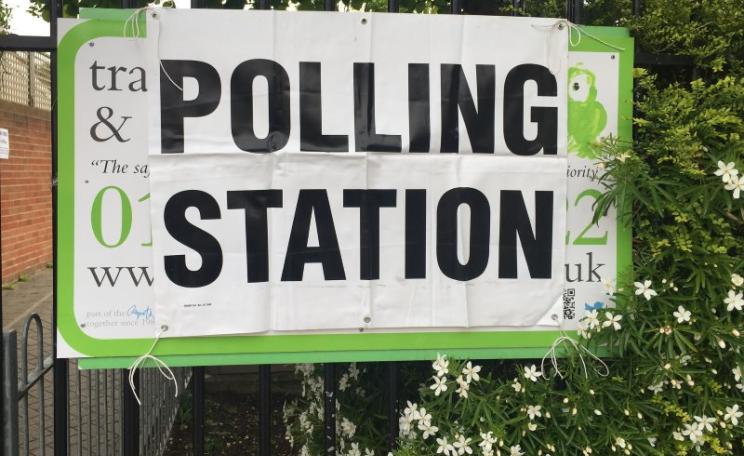
This week the people spoke - and a tad under a quarter of them voted to put the Conservatives in power for another five years, writes Jonathan Cook. Was it an act of collective insanity? No, it's much worse than that. It's because our politics, media and ultimately our minds are controlled and manipulated by billionaires.
The UK's decisive Conservative victory is the result of a grossly unfair electoral system.The 'winners' were backed by under 25% of the electorate, the losing Labour vote went up by twice as much as the Tories' - and some MPs represent as few as 23,000 voters, others over 3 million. We must now demand real democratic reform.