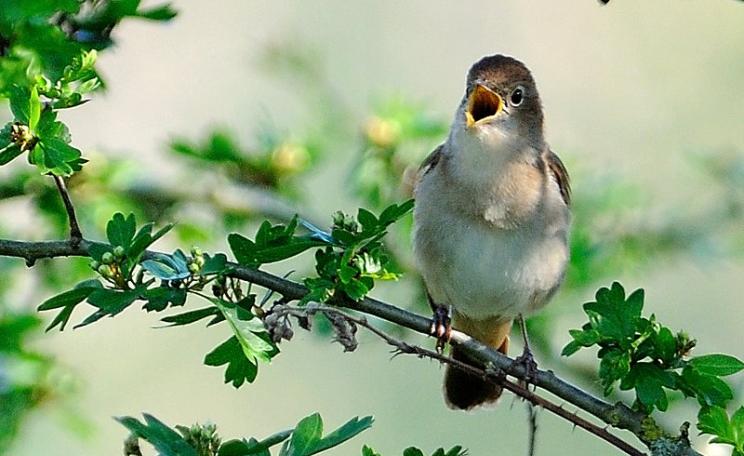
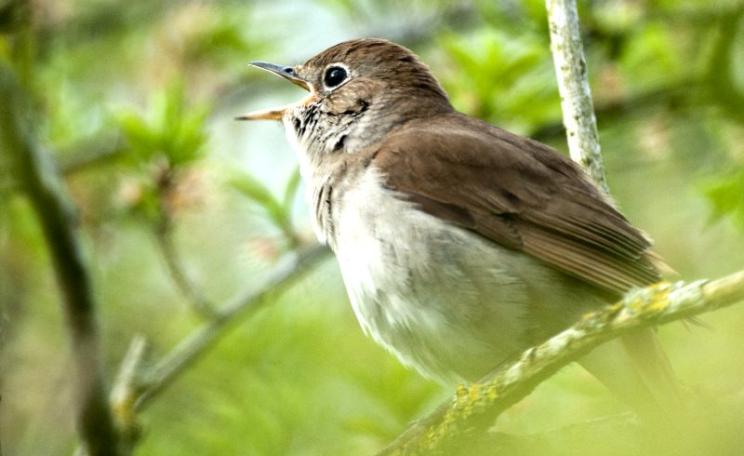
Nightingales, famous for the entrancing beauty of their song, have declined by 90% over the last 50 years, writes Chris Rose, and are heading towards their very own silent spring. The first step to saving this wonderful bird must be for us to fully appreciate it, and the terrible loss its extinction would represent.
At the inspiring new 3,500 acre 'wildland' of the Knepp Estate in West Sussex, the nightingale is making itself at home amid the thorny thickets, writes Hazel Sillver. That's proof to any that need it that the bird's extinction is far from inevitable - if only we can muster the will to save it! It also offers a wonderful opportunity to hear its magical song ...
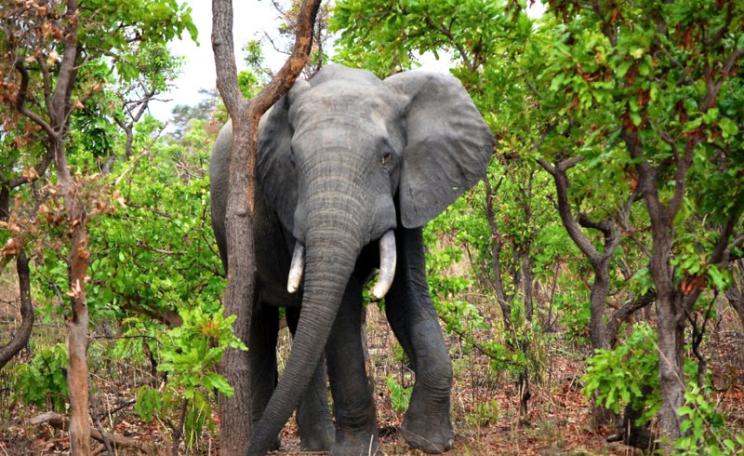
Most of the world's large herbivores - from elephants to gorillas, tapirs and sloths - are at risk of extinction, a new study shows. With most of these species in poorer countries, rich nations should dedicate substantial resources to their survival. But we must also lead by example - by reintroducing them ourselves.
Last election climate change was all the rage, writes David Williamson. But in the current campaign it's hardly getting a look in in spite of melting icecaps, collapsing glaciers, a wave of climate refugees fleeing Africa and serious weather events at home. Now it's up to us to force it onto the election agenda!
Tired of politicians' platitudes, defensive pledges and blinkered vision? As the General Election approaches, we desperately need to expand our discussion of 'the economy' beyond its usual narrow confines, writes David Powell. And if they won't get the ball rolling, he will ...
After the world's warmest year ever governments are pouring trillions into fossil fuels every year and the UK has even created a legal obligation on itself to maximise oil and gas recovery, writes Donnachadh McCarthy. But thanks to the UK's media billionaires climate change has not even figured as an election issue. Join us to protest tomorrow!
Only one party is challenging the mainstream concensus on transport, write Rupert Read, Sandy Irvine and Bennet Francis - massive spending on roads and HS2, and the little that's left for everything else. It's time to throw away the old thinking and commit to an effective, sustainable transport system that begins with local needs.
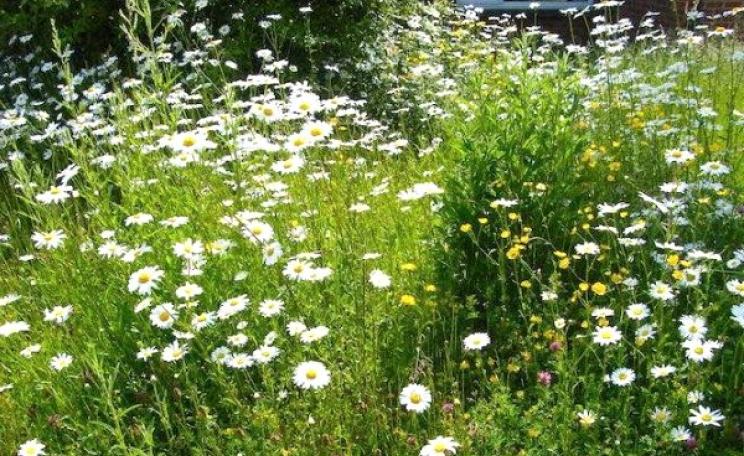
Decades of regular mowing left my front lawn looking bare and sterile, writes Jo Cartmell. But in fact, the exhausted, infertile soil made it the perfect place for a host of wild flowers to take up residence - some from planted seed, others blown-in, or from long buried seed lying dormant in the soil. And after that, the butterflies ...
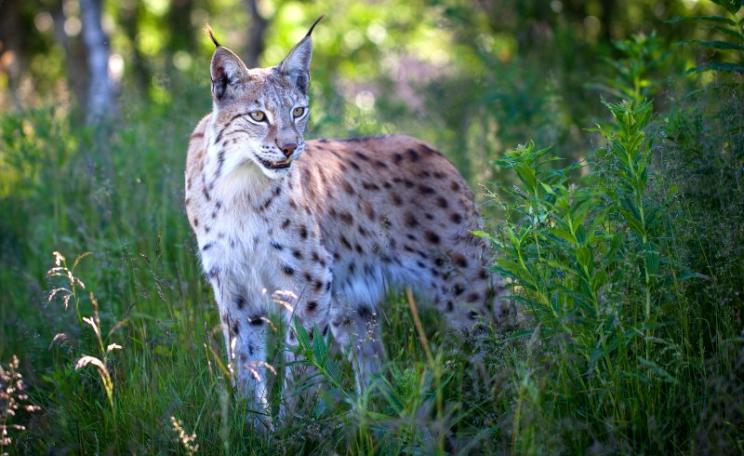
The return of the lynx to the British Isles could bring many benefits, writes Niki Rust, not least to the ecology of our woodlands, ravaged by too many deer. But we must not forget the human factor: livestock farmers may fear the arrival of a top-level predator, and their support will be essential to the success of any reintroduction.
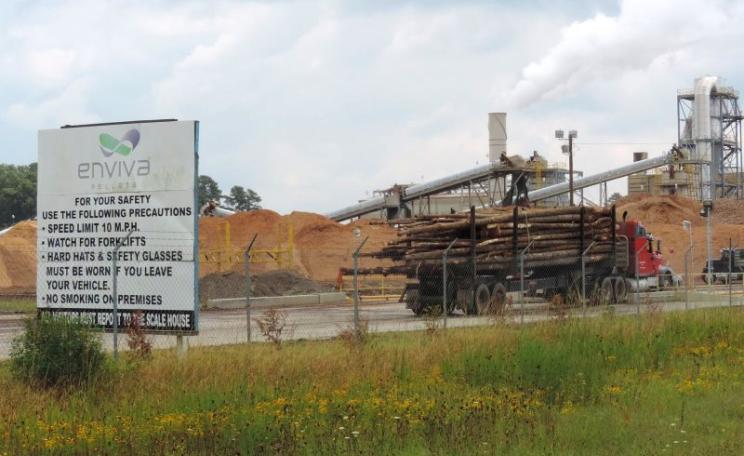
Hundreds of millions of pounds meant to be spent on green energy will soon be lavished on Britain's biggest coal fired power station to reward it for burning 7 million tonnes of wood pellets a year - meant to be 'renewable' but actually driving biodiversity loss and even worse for climate change than coal. DECC must stop this madness!
All the 'main' political parties are backing nuclear power in bold defiance of all the evidence that it's expensive, dangerous and not even low-carbon, writes David Lowry. Even George Osborne just admitted that Hinkley C is 'unaffordable' - but supports it anyway. For a rational nuclear policy, the way is Green.
If you care about the wildlife in our countryside and the welfare of animals, then make your vote count in the general election, writes Joe Duckworth. Backed by Cameron himself, 'country sports' enthusiasts are getting organised to support pro-killing candidates. We must be even more effective in opposing them.
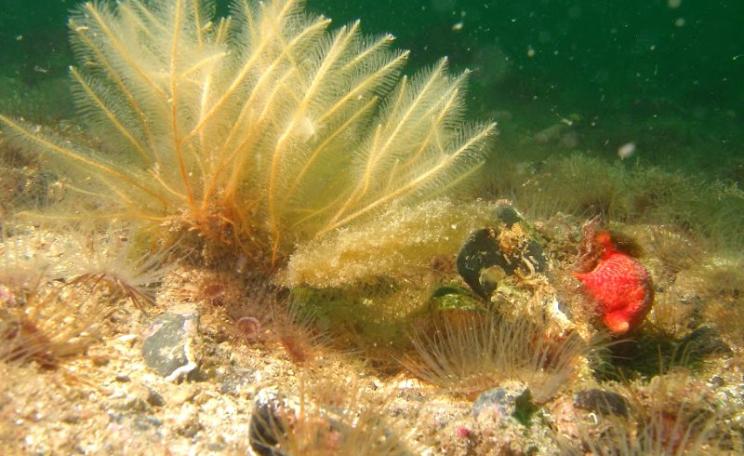
The strongly protected marine reserve in Lamlash Bay, Arran, has been a huge success, write Bryce Stewart & Leigh Howarth, with abandant life returning to the once denuded waters. The government's refusal to expand such protections represents a huge wasted opportunity for both fishing and the marine environment.
Lettuces, peppers and other vegetables grown under 'semi-slavery' conditions in Spain are filling supermarket shelves in the UK, writes Almudena Serpis. Workers are routinely abused, underpaid, sprayed with pesticide, and sacked if they dare complain, an C4News / Ecologist investigation has found. But now they are getting organised to defend their rights.
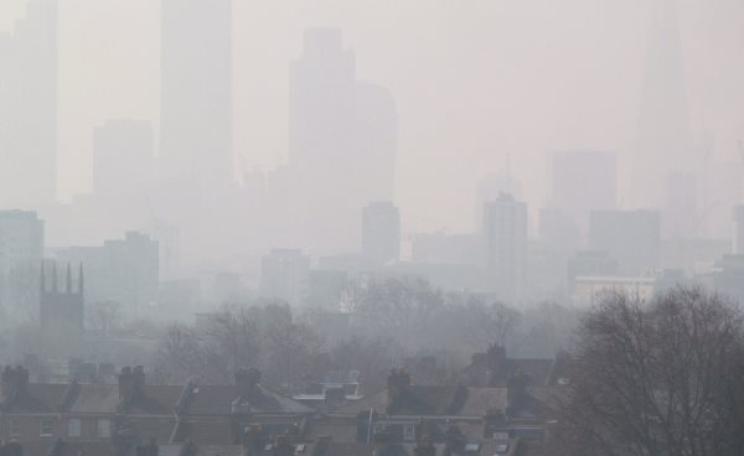
The UK Government will be in the Supreme Court tomorrow accused of 'dragging its feet' over an EU air pollution law that should be saving tens of thousands of British lives a year, writes James Thornton. Instead of defending its inaction, the Government should make an immediate start on cleaning our filthy air.
As the Greens announce anti-austerity policies in their election manifesto, Bennet Francis & Rupert Read examine the austerity narrative - and find it doesn't add up. By insisting that deficit reduction is necessary for growth, the politicians of austerity undermine the very meaning of the 'prosperity' they promise us.
A serious flaw in the steel reactor vessel of a nuclear plant under construction in France raises safety fears for the EPR design, write Paul Brown & Oliver Tickell - and casts a dark shadow over the UK's troubled Hinkley C nuclear project.
Nicola Sturgeon secretly met with pro-fracking firm Ineos on the very same day that Scotland announced its shale gas moratorium, writes Kyla Mandel - giving rise to fears of a under-the-table stitch-up.
There's strong public support for protecting marine wildlife, writes Horatio Morpurgo - so why aren't politicians championing the cause? Labour and Tories alike fear to challenge the big fishing companies that have come to believe they own Britain's offshore waters and seabed. Now it's up to use to prove they're wrong.
When seeking a new Vice-Chair for the BBC Trust, would you seek out a distinguished journalist? Or the Chairman of Europe's biggest arms company, one with a murky past of corruption and supplying deadly weapons to despotic governments? For the British oligarchy, writes Harry Blain, the answer is obvious.
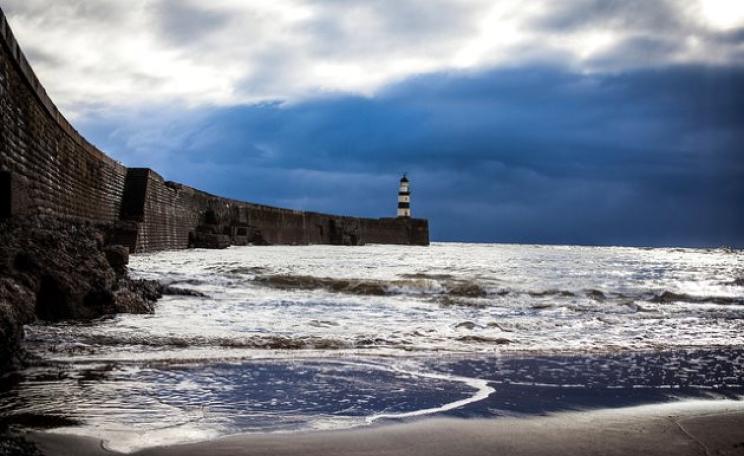
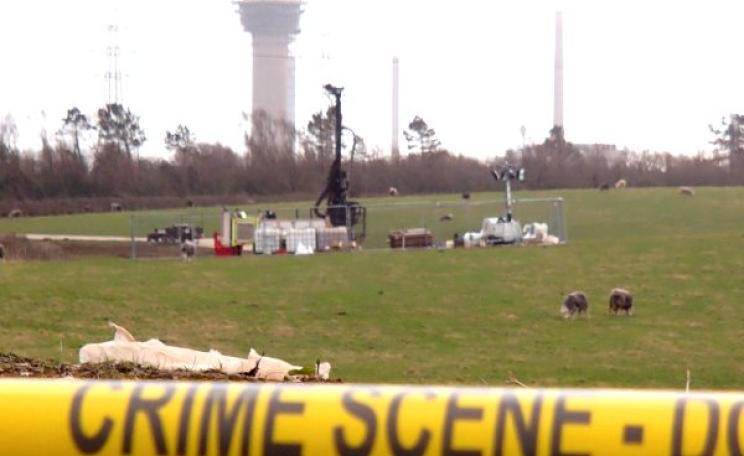
After over a century of coal ash and colliery waste dumping, the Tyne and Wear coastline is no stranger to industrial pollution. But soon a horrific new technology - underground coal gasification (UCG) - will endanger human health and the environment, backed by unflinching Government support and generous lashings of taxpayers' money.
In the last act of the dying Parliament, MPs quietly voted to dump democratic planning processes to expedite a 'facility' for the high level nuclear waste in geologically fractured Cumbria, writes Marianne Birkby - so over-ruling strong and highly effective local opposition. Shame on them!
Thanks to pro-GMO politicans and lobbying by powerful agribusiness interests the UK and other EU countries may soon find supermarket shelves flooded with GM foods, both imported and home grown, writes Linda Kaucher. We must press parliamentary candidates now to defend us from this serious and long-term debasement of our food and farming.
A culture of environmental denialism is deeply embedded in the institutions of government, writes Duncan Brack. So how to put that right? How about a powerful new Office for Environmental Responsibility? And an annual 'natural resource budget' complete with bright green box?