Halal ritual slaughter has raised huge controversy in the UK press, writes Alicia Miller. But the far greater issue is farm animals' entire quality of life - as reflected in the Qu'ranic principle that meat must be 'tayyib' - good, wholesome and from well-treated, healthy animals. Is this something we can all agree on?
Can you be a committed nature and animal lover, and enjoy shooting and angling? Only after extraordinary mental contortions, writes Lesley Docksey - who is only mildly surprised to find out that a Facebook critic is a PR man for 'country sports and associated technologies'.
Speaking in Stroud this week, Huw Irrancas-Davies MP delivered a withering attack on the Government's badger cull policy - and firmly committed a future Labour government to ending the badger cull, using measures to control bovine TB that are safe, effective, and humane.
If the Scots vote yes on Thursday the UK's already tight military budget will be squeezed even harder, writes Paul Ingram, dramatically increasing the chances of nuclear disarmament. Adding to the UK's headache: the only medium term alternative base for its Trident submarine fleet would be ... in Georgia, USA.
Community energy presents a real solution to Britain's energy trap, writes Hugh Bowring. And here's the perfect opportunity to find out more: Community Energy Fortnight is now under way, with over 80 events across the UK - from visits to wind farms and hydro stations, to DIY solar panel workshops and a community share offer festival.
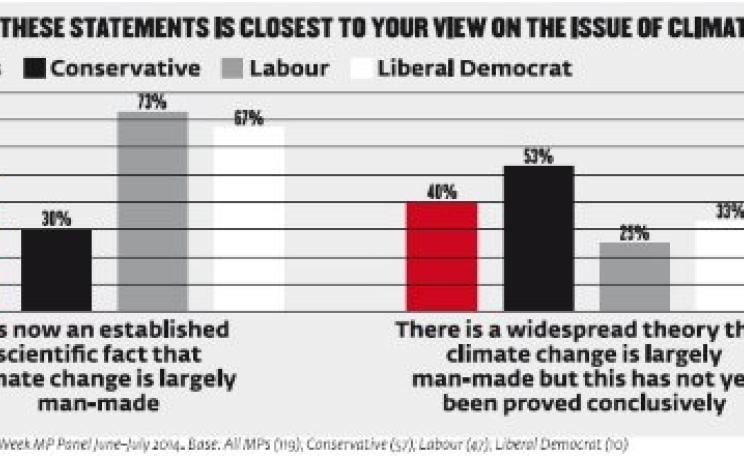
Seven out of ten Tory MP's think there's no proof that climate change is caused by people, and one in five thinks the idea is 'environmentalist propaganda', a new poll shows. Labour and Lib-Dem MPs are far more likely to accept climate science, but Parliament as a whole is remarkably 'climate sceptic'.
The Scottish referendum must mark an end to 'business as usual' in UK politics - no matter who triumphs in this week. That means no more 'first past the post' parliamentary elections, and a wider democratic rebirth under a new constitutional compact.
Plans to create a market in nature itself are fraught with danger, writes Alex Scrivener. Biodiversity offsetting could allow the fate of our forests, rivers, meadows and wildlife species, and the people who depend on them, to be determined by the whims of multinational corporations and speculative investors.
British officialdom and those they serve are obsessed with the killing of wildlife, writes Lesley Docksey. It seems that whatever the 'problem', from bovine TB to the serendipitous arrival of beavers in Devon, the reflex is the same - to kill wild animals. But increasingly, the British people aren't having it. And our fightback is making waves ....
Ministers are determined to get fracking under way in the UK as fast as possible, so it's a 'fait accompli' in time for the election, writes Alex Stevenson. With a firm pro-fracking concensus in Parliament, only one thing can frustrate their plans - strong local campaigns to turn around MPs desperate for re-election in 2015. It even has a name: democracy.
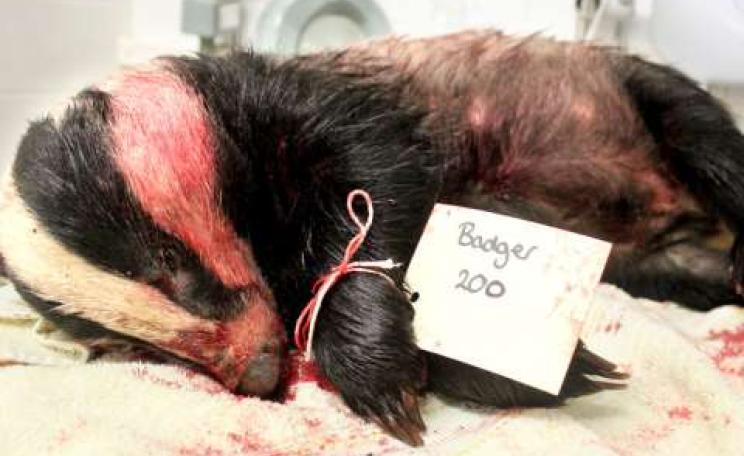
England's 2014 trial badger cull starts today - with no independent oversight, and no gathering of essential scientific data. The government's 'science-led' policy consists of asking scientists for help, writes Rosie Woodroffe - then completely ignore everything they said, and order them off the premises.
A 5,000-house development has just won planning permission on a SSSI nature area in Kent which is home to over 1% of the UK's nightingales. It violates government planning policies, and ministers have the power to stop it. But will they? Yes they will, writes Martin Harper - provided enough people show they care!
Consumers around the world want their electricity to come from renewable sources, writes Paul Brown. Yet governments from the UK to Australia are defying the popular will as they push for fossil fuels and nuclear power. The good news? Renewable energy is surging ahead regardless.
A 'rotten borough' election in Oxford has won Labour a councillor on the lowest turnout in British electoral history - robbing the Greens of a winnable seat. The by-election in a mainly student ward was timed for the summer vacation - disenfranchising 60% of voters.
The UK's Advertising Standards Authority has ordered the withdrawal of an ad extolling the virtues of fracking, ruling that it is misleading, exaggerating, and lacks substantiation. In the process it has undermined the Government's entire case for fracking in the UK.
Good food is an essential ingredient at Schumacher College, writes Julia Ponsonby, made with love using fresh, wholesome ingredients many of which have traveled no further than the vegetable garden. No less important, the sense of companionship, learning, fun and frequent hilarity that permeates the building - and the kitchen in particular.
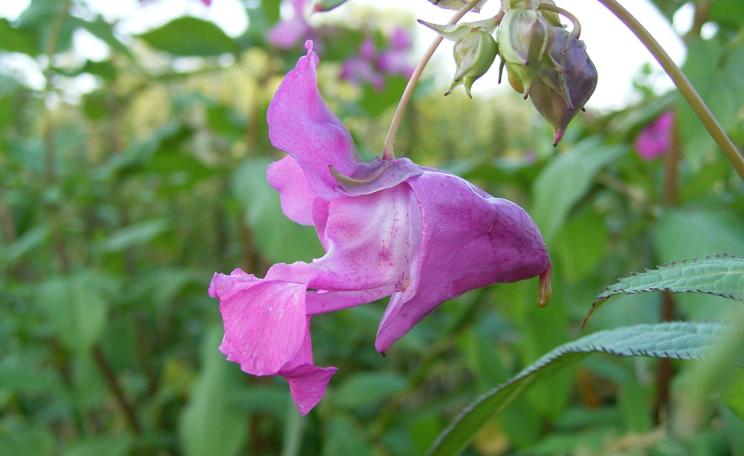
Even if you love Himalayan balsam, it has surely become too much of a good thing as it takes over Britain's wetlands and riverbanks. But now it's facing a major setback - the deliberate introduction of a parasitic rust fungus from its native range in the mountains of Asia.
A High Court judgment on the lawfulness of the 2014 badger cull is awaited. A criminal investigation is under way on the dangerous and illegal behaviour of culling contractors. Obviously, writes Lesley Docksey, it's the perfect time for Natural England to authorise another round of culling.
On the face of it, the UK government's obsession with nuclear power defies reason. It's very expensive, inflexible, creates 'existential' threats and imposes enormous 'long tail' liabilities tens of thousands of years into the future. But there is a simple explanation: it's all to maintain the UK's status as a nuclear WMD state.
Controversy has been raging for decades over the link between nuclear power stations and childhood leukemia. But as with tobacco and lung cancer, it's all about hiding the truth, writes Ian Fairlie. Combining data from four countries shows, with high statistical significance, that radioactive releases from nuclear plants are the cause of the excess leukemia cases.
The Apricot Centre in Essex is a unique project that uses organic horticulture and animal husbandry to heal, inspire and educate children from diverse backgrounds, and kindle love for the natural world, writes Martin Large. Now it's expanding to Devon, to establish a second, much larger biodynamic smallholding near Totnes and Dartington.
Government energy policy is caught between apparently conflicting objectives, writes Mark Hackett. But there is a solution that is already working in the UK and abroad - to encourage the active participation of local authorities in delivering low carbon energy to the communities they serve.
Avon & Somerset police say that National Farmers Union and cull company representatives will be excluded from the control room in the 2014 cull. Their presence in control rooms in the 2013 cull caused a major loss of public confidence in the policing operation.
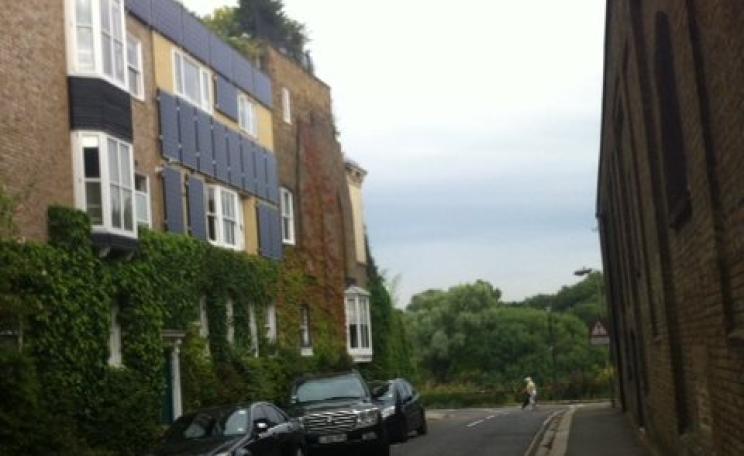
An array of solar panels on a Chiswick side street, facing a brewery wall, constitute a threat to the quality of life of future generations, according to the council and a planning inspector. Paula Owen begs to differ, and wonders - exactly what kind of mushroom have they been smoking?