There is no better time to put the 'green' into building than at the outset of the design phase, writes Ryan Kohn. And to get it there we need to raise awareness of sustainable technologies, and offer incentives, rather than loop-holes, for developers. Buyers too must learn to appreciate the long term value of green ... and demand the highest standards.
The FCA is accused of undermining official policy by refusing new applications for community energy projects with a co-operative structure, writes Adam Vaughan. The key question: what is a bona fide co-op? Is investment alone a valid form of participation?
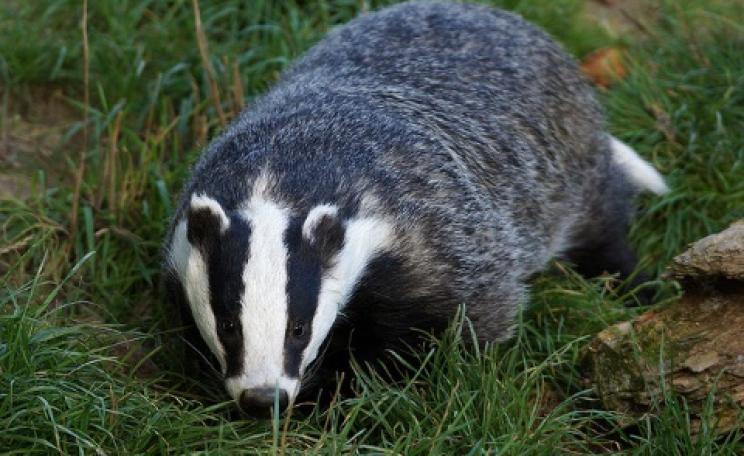
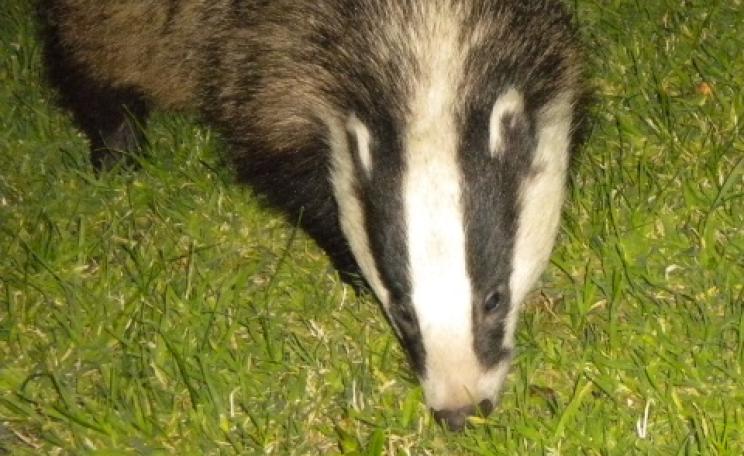
New revelations show that the rifle-wielding badger cullers were often acting criminally, writes Lesley Docksey - pursuing badgers with loaded weapons on both private and public land outside licenced areas, with impunity, while the IEP was apparently kept in the dark. Strict controls are essential - or just an end to the cull.
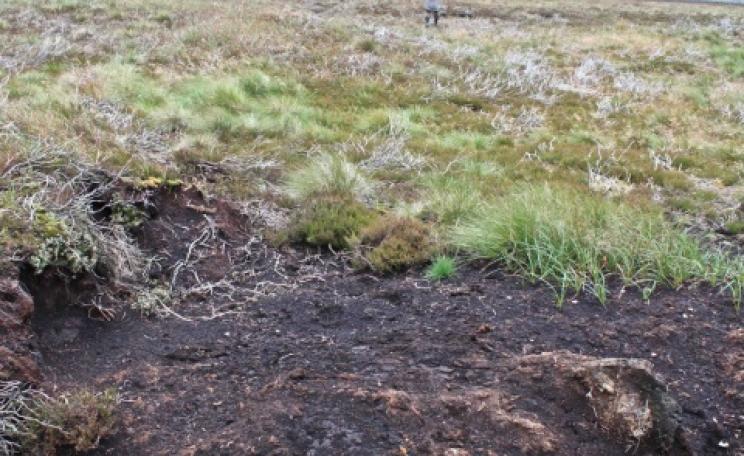
Today, on the 'Glorious 12th', well-heeled folk take to the hills to shoot grouse. And to be sure there's lots of birds to kill, writes Martin Harper, England's moorlands are burnt with dire impacts on their biodiversity and ability to absorb rainfall. It's high time to end this barbaric practice!
Feed-in tariffs are a great way to kick start renewable technologies, writes Chris Goodall. But they suffer from a law of exponentially diminishing returns. It's time for governments to move to direct R&D funding to achieve the transformational changes the world needs.
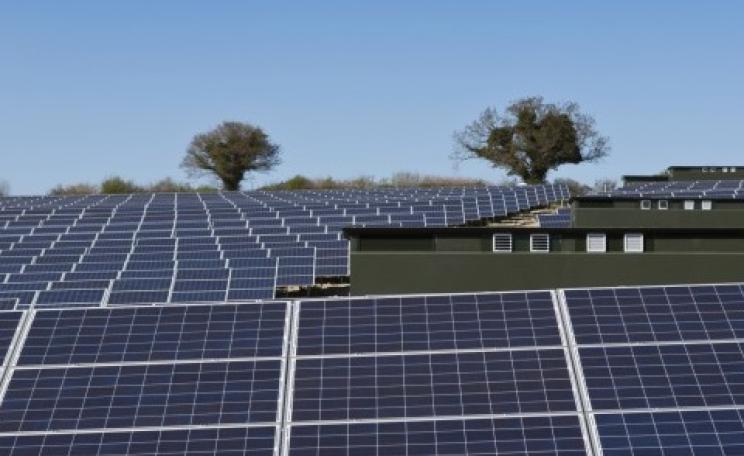
Four large solar firms are suing the British Government over its decision to end support for 'farm scale' solar generators of 5MW or more. The move reflects ministerial concern about the success of the UK's fast growing solar power sector.
Last week the Upper Tribunal of the Royal Courts of Justice ordered Defra to release key information about the badger cull based on a 'public interest' argument, writes Lesley Docksey. Could this judgment open a new era of transparent and accountable government?
What's the biggest threat to your life savings you've never heard of? Rebecca O'Connor shows how the world's exposure to unburnable carbon assets, and competition from clean energy technologies, could hammer your savings, pensions and investments.
Plans to crack down on endocrine disruptors and illegal timber were buried by the outgoing President of the European Commission, José Manuel Barroso and his secretary-general Catherine Day - while undermining action on climate, renewables and energy efficiency.
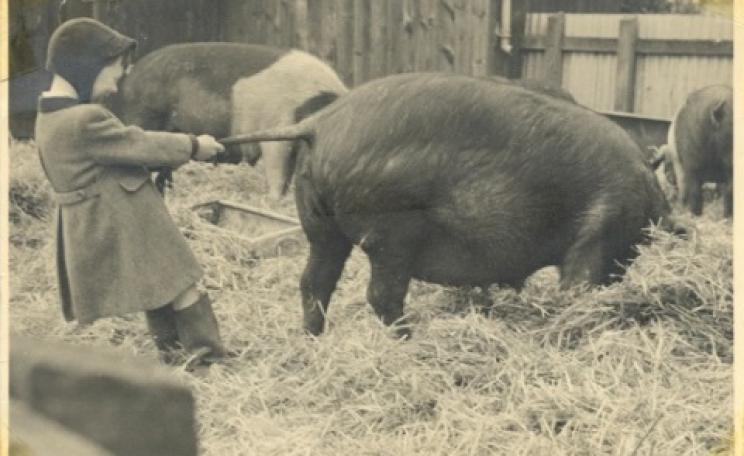
The factory farming of pigs is organised animal abuse, writes Alastair Kenneil, and it imperils the environment and human health. But in the UK we have the choice to buy meat from pigs raised humanely under the open sky. Will you take the Pig Pledge today?
The nuclear industry remains remarkably optimistic about its future, wrties Paul Brown - despite evidence that it is a shrinking source of power as renewables, in particular solar and wind power, compete with increasing success to fill the energy gap.
The Government must release key documents about its secret development of England's badger cull with the National Farmers Union. The Upper Tribunal ruled that the public interest would be served by a full disclosure.
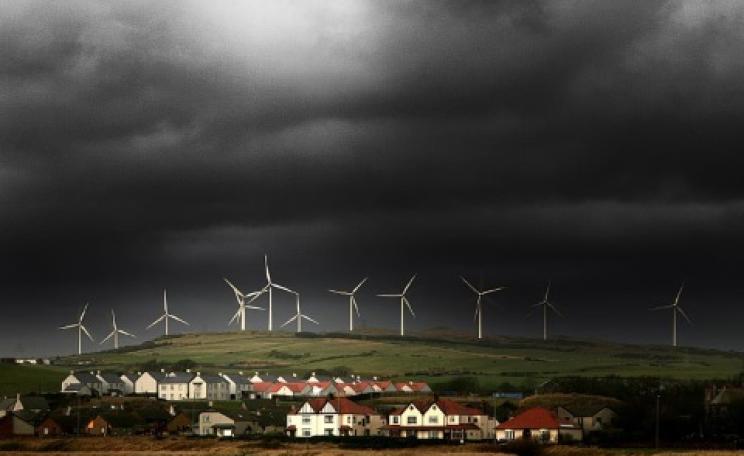
As the UK's electricity supply margins drop to new lows, the government's punitive approach to renewables will only make matters worse, write Peter Strachan & Alex Russell. Likewise its threats to boycott Scotland's wind power is utterly irrational - we will need it to keep our lights on.
Pesticide companies are responsible for assessing the safety of their products, writes Christopher N Connolly - and this situation cannot continue. The research should be carried out independently, subjected to peer review, and published.
A major demonstration will take place in November to demand an end to the killing on Britain's roads, both direct and indirect, writes Donnachadh McCarthy. And now is the time to sign up, get involved, and build up the momentum for desperately needed change.
The UK has just opened a bidding round for fracking licences. But the rules contain only weak protections against fracking in National Parks and AONBs - and none at all for even the most important wildlife sites and drinking water aquifers.
'We need to look at the best scientific evidence' on badgers and bovine TB, says Environment Secretary Liz Truss. But as Lesley Docksey writes, the 'best scientific evidence' appears to mean only that which supports the cull - and there's precious little of it!
How did Germany do it? No, not its World Cup victory - how did Germany engineer Europe's highest penetration of renewable energy, plus fast-dropping electricity prices? Keith Barnham explains - and says the UK could do the same, and better!
Scotland's network of marine reserves doubled in area today with the designation of 30 new marine reserves. The move has been welcomed by green groups who have long campaigned on the issue - but they warn: this is where the real work begins.
To live sustainably we must learn to live with wildlife, Patrick Barkham argues in his book Badgerlands. To do this we have much to learn from our ancestors - but we must also discard their barbaric practices and outrageous myths that, even today, some are so keen to perpetuate.
A new report on the Channel's fisheries is a timely reminder of the ecological trend to 'simplification' as whole trophic levels are stripped away by over-exploitation, writes Horatio Morpurgo. Yet the government's profit-focused vision of 'sustainability' is missing the essential element - allowing the recovery of marine ecosystems.
Israel desperately covets Gaza's gas as a 'cheap stop-gap' yielding revenues of $6-7 billion a year, writes Nafeez Ahmed. The UK's BG and the US's Noble Energy are lined up to do the dirty work - but first Hamas must be 'uprooted' from Gaza, and Fatah bullied into cutting off its talks with Russia's Gazprom.
As a youngster on a small farm, antibiotics saved Richard Young's life after a scratch on barbed wire led to septicemia. Now, he's campaigning to stop the routine, mass use of antibiotics on intensive farms, so that they can carry on saving human lives for many years to come ...