The Government has gutted its 'zero carbon home' standard - builders will be able to 'zero the carbon' through an offsetting scheme - rather than by installing more insulation, or renewable technologies like solar PV or solar water heating.
An application has been made to kill ten buzzards to protect pheasant poults at a game shoot. With buzzards only slowly returning to the UK after decades of persecution, writes Martin Harper, this and all similar applications must be rejected.
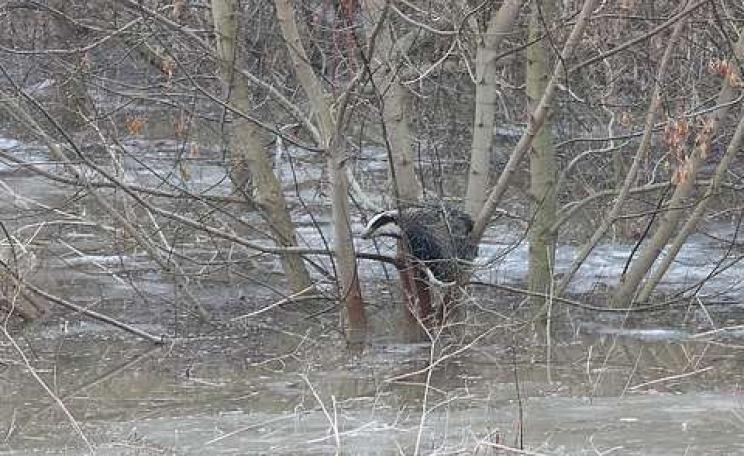
Following last winter's severe flooding in SW England, the Government has refused to assess how badly badgers suffered - even though local populations could have crashed. If the cull goes ahead, badgers could be wiped out of some areas altogether.
59 University of Oxford academics have signed an open letter urging the University to 'take action on climate change' by ridding its £3.8bn endowment of investments in fossil fuel companies, as hundreds march to demand change.
An unholy alliance of pro- and anti-GMO countries have struck a deal that will sweep away the obstacles to genetically engineered crops in the EU, writes Lawrence Woodward.
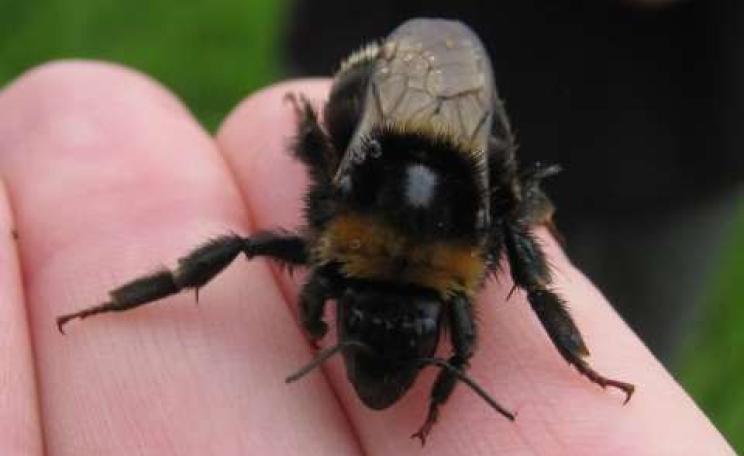
The short haired bumblebee was declared extinct in the UK 30 years ago. But now the species is being re-introduced in the flower-rich meadows and field margins of Kent, writes Michael Parker - helped along by sympathetic local farmers.
A wholesale corruption of science underlies the UK Government's insistence that gas from fracking offers a 'low carbon', low cost route to energy abundance, writes Paul Mobbs. On the contrary: it's expensive, over-hyped - and just as bad for climate change as coal.
The New Sylva is a worthy successor to John Evelyn's original of 1644, writes Colin Tudge, with superb line drawings and a text that looks more to the future of Britain's trees, than their past. A book for ladies, gentlemen, 'meer woodsmen' and 'ordinary rusticks' alike.
In the industrial era, economic growth has become equated with human progress, writes Jules Pretty, with a fundamental assumption that material growth and consumption inevitably leads to improvements in our well-being. Now think again ...
UKIP's election success is a victory for the climate change 'skeptics', writes James Dyke. But head-in-the-sand climate politics will only provoke more mass migration to northern countries in the future - as coastal cities flood, and tropical temperatures rise.
Organic farming has changed, but for the better, writes Soil Association head of policy and Norfolk organic farmer Peter Melchett. As never before, organic inspections are central to the delivery of environmental and animal care, and food you really can trust.
Supporters of HS2 assert that it will cause prosperity to trickle down from London to the entire North of England, writes Tony Payne. But economic theory and hard experience tell us that the reverse is more probable - that it will help London to 'suck out' northern wealth.
The belief that unilateral reductions in the UK's nuclear weapons arsenal would bring no international benefits is deeply engrained in officialdom, writes Paul Ingram. Deeply engrained - and profoundly mistaken.
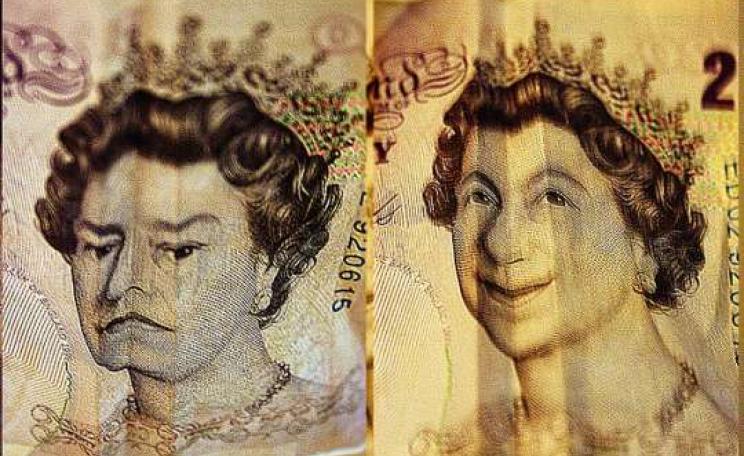
Where does money comes from? In the 97% of the money we use is created by commercial banks out of thin air, as they advance credit. Charlotte Jackson argues that this system costs us all dear - as citizens, debtors, taxpayers, and as victims of economic instability
Elevated urban highways epitomise the dark side of vehicular mobility - polluting, visually brutal, noisy, and contributing to local 'heat islands', writes Marco Picardi. So let's re-engineer them for people and create imaginative urban spaces we can all enjoy!
Graham Phillips, a British freelance journalist reporting for RT from Eastern Ukraine was detained yesterday by the National Guard and has not been seen since. Not that you would know from British media coverage. RT wrote this open letter.
Under its minority Green administration, Brighton & Hove is an exemplar of progressive politics that is realising huge social, economic and environmental gains, writes Rob Shepherd. Maybe that's why political opponents are so desperate to brand it a failure ...
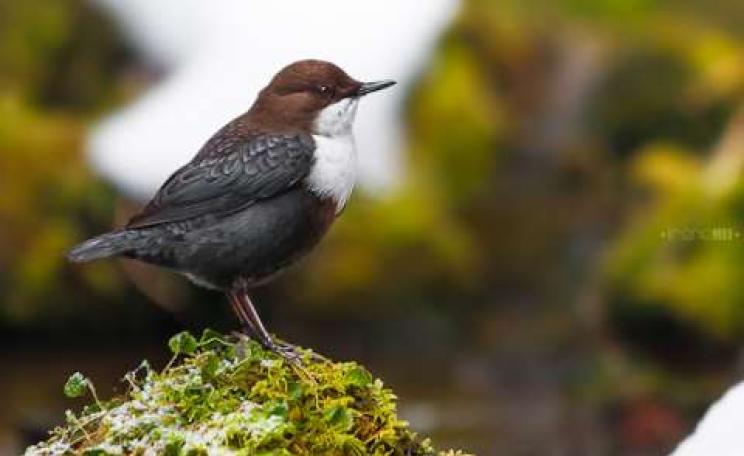
Hormone-disrupting pollutants in the urban rivers of South Wales are having adverse effects on the health and development of wild birds such as dippers, writes Steve Ormerod. Could this humble bird be the 'new canary' for environmental toxins?
The Greens are now running at 12% in the polls - 2% more than the LibDems, and up 3% in as many days - in the run up to Thursday's elections, reports Elise Benjamin. And their policies are the most popular of all the UK's parties. The Greens are breaking through!
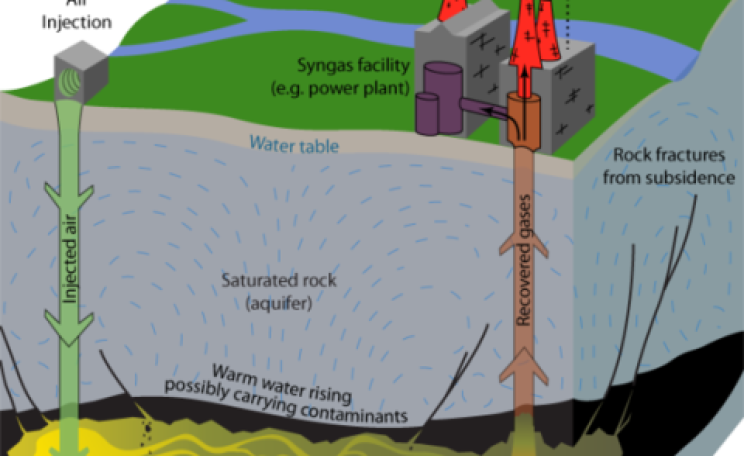
A company bidding to undertake 'underground coal gasification (UGC) - a notoriously hazardous and polluting process - in the UK has threatened a Scottish clean energy campaigner: shut up or get sued. Paul Mobbs reports ...
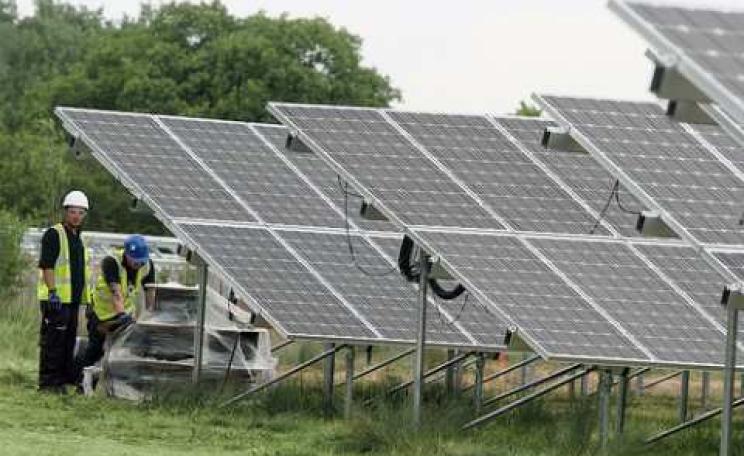
By publishing its 'reform' proposals for the support of large scale solar PV in two separate documents on the same day, the Government managed to conceal its true intent from the industry, writes Chris Goodall. The truth is much worse than anyone realised.
Organic certification used to be carried out by real farmers in wellies, who knew all the tricks and could spot dodgy practice on the land at 100 paces, writes Julian Rose. Today's certifiers arrive in patent leather shoes and get no further than the office - and this is meant to be an improvement?
Senior Gloucestershire police were questioned this week about the policing of the 2013 pilot cull, writes Lesley Docksey. But the Police Commissioner never asked about the most serious problems - police bias and ignorance of the law, and culler criminality.
Talis Kalnars was a pioneer of 'continuous cover' forestry in Britain, writes Phil Morgan. His woodlands were not only beautiful but profitable, as he nurtured the 'natural capital' of the forest ecosystem, and only harvested the dividend of high value timber.