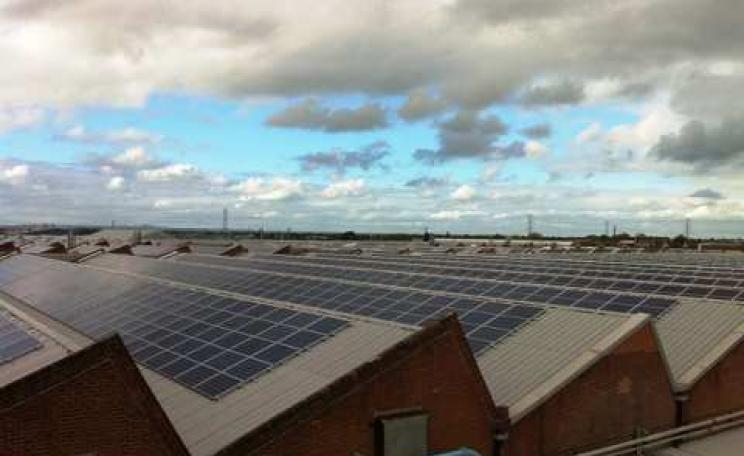
Not only does the Government hate onshore wind, now it's turning against large scale solar. Its latest 'big idea' is to lock projects above 5MW out of the Renewables Obligation, while keeping tight limits on rooftop schemes.
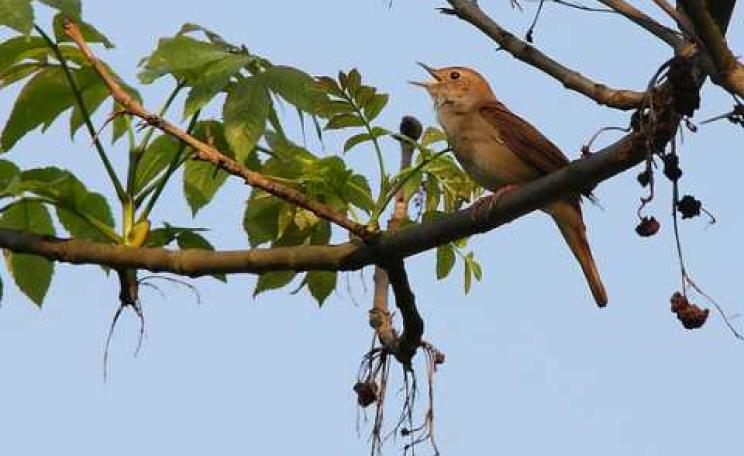
Britain's nightingales are in decline - not least because of intensive farming, and our insistence on building over their last refuges. But their song is as unforgettable as ever, writes Chris Rose, and that will surely be the key to valuing them more ...
Children are an indicator species for the health of our communities, writes Melissa Henry - and they are being forced off our streets by traffic. This adds further to traffic and pollution as children are driven everywhere, depriving them of exercise. It's time to break the vicious circle!
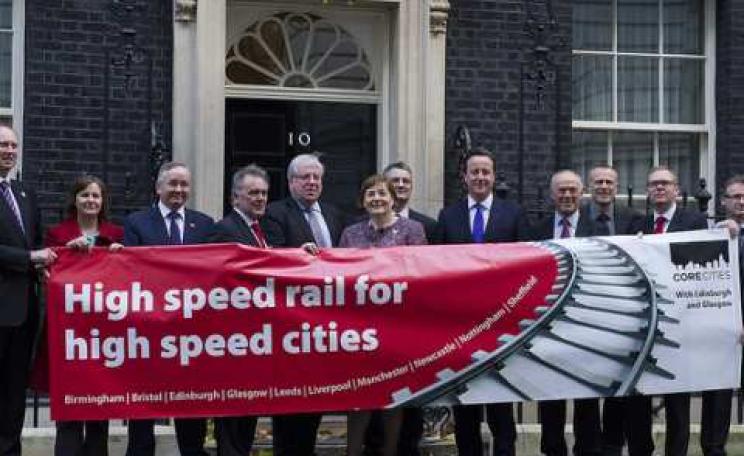
HS2, the UK's £50bn+ high-speed rail project to speed travel between London and Birmingham - and eventually Manchester and beyond is colossal waste of money, writes Rupert Read. The resources should be used to fund sustainable local and regional transport schemes.
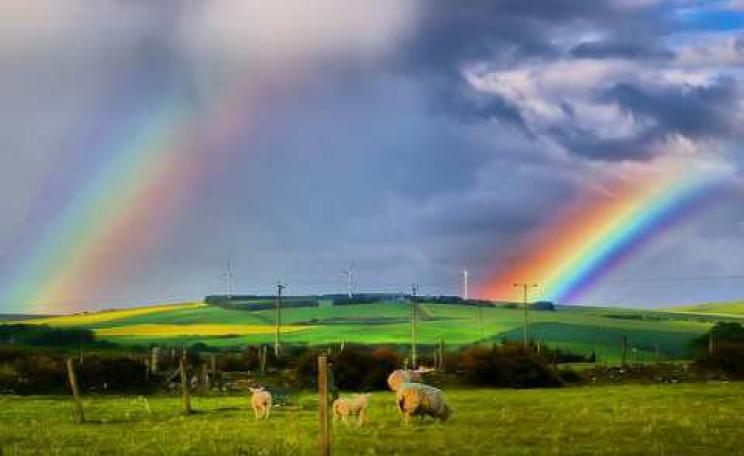
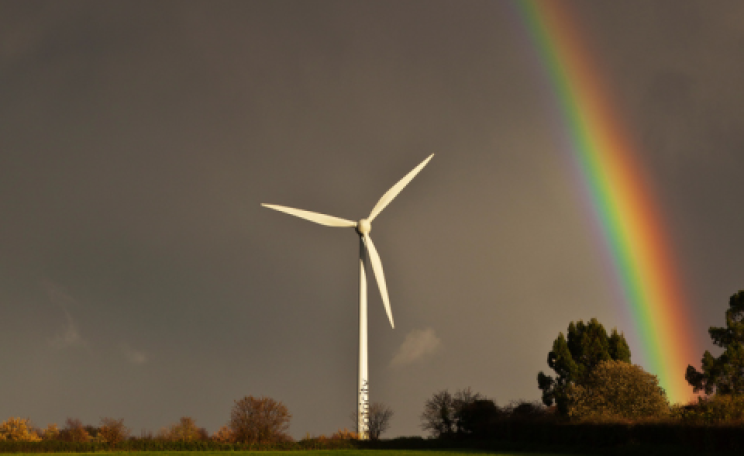
David Cameron has promised to suspend incentives for onshore wind farms if he is re-elected in 2015, writes Alan Whitehead. But how exactly will he replace the 8GW of planned wind capacity that will not be built?
Large-scale fracking is a must for the UK economy, says a new report from the House of Lords. But it confuses opinion with fact, cherry-picks data, and six of its authors have a stake in the industry. The real solutions, writes Tony Bosworth, lie in energy efficiency and renewables.
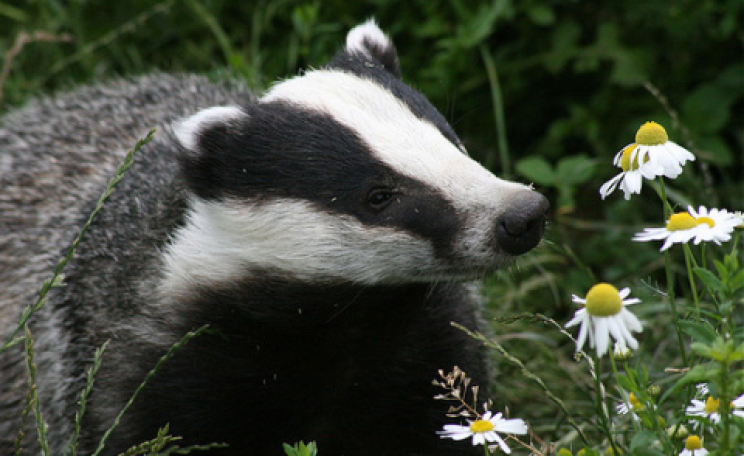
Days after our exposé of a policing disaster at England's 2013 badger culls, the Police Commissioner for Gloucestershire is to question the county's most senior police officers. The event will be video-streamed online.
In its report on last year's pilot badger culls, the Independent Expert Panel (IEP) judged that the culls failed the criteria for effectiveness and humaneness, but satisfied those for safety, writes Lesley Docksey. The facts say otherwise.
Public Health England is guilty of gross scientific misconduct, writes Paul Mobbs, for its apparently deliberate whitewashing of the public health impacts of fracking. But it's all part of a pattern of maladministration that reaches to the heart of government.
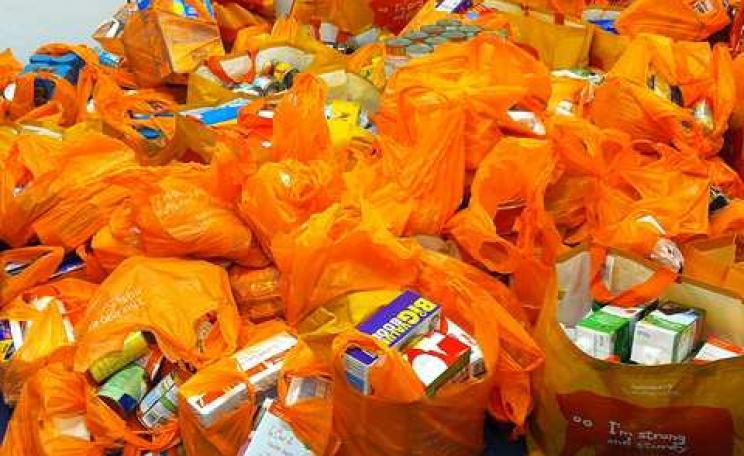
The growth of food banks reflects a simple truth: the government does not care about hungry families, writes Rupert Read. To tackle hunger, work must pay a living wage, social security must do its job, and communities must rebuild local food networks.
A massive citizen-powered climate simulation conclusively links the UK's winter floods to global warming, writes Simon Redfern. Over 33,000 climate models running in 'screen saver' mode show a powerful connection between hotter oceans and UK rainfall.
Ten years ago, Mo and Dave fell in love, writes Helen Leavey - with a ruinous but romantic water mill in Yorkshire. It was the beginning of a fabulous restoration adventure, and the mill is now an exemplar of renewable energy generation and a thriving education centre.
Opponents of nuclear power rightly focus on issues of cost, operational danger and waste disposal, writes David Lowry. But they should not forget the towering 'elephant in the room' - nuclear security and the risk of proliferation and terrorist attacks.
For just 8% of the fish landed, extraordinary, beautiful, ancient, diverse deep sea habitats are routinely destroyed by fishing gear. And as J. Murray Roberts writes, it's all for a one-off hit as the fish are so slow to grow and reproduce. If the same damage happened on land, there would be uproar.
Eating wild plants and mushrooms is a pleasure we should all indulge in, believes open air gastronomist Humphrey Birley - and this new edition of 'Wild Food : a complete guide for foragers' is just what's needed to get us exploring woods, hedgerows, meadows and salt marshes in search of edible delicacies.
You would think vets would take animal welfare seriously, writes Lesley Docksey. So why does the British Veterinary Association (BVA) support England's badger cull - when all the science is telling them it's both cruel, and ineffective against Bovine TB?
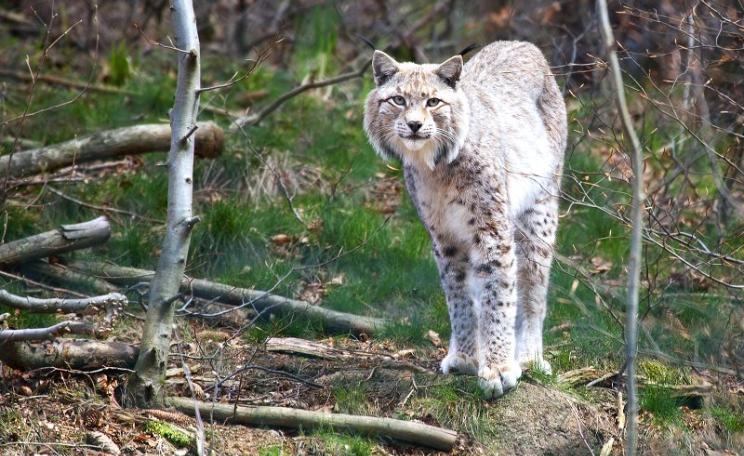
Lynx could be re-introduced to sites in England and Scotland before the end of 2015, according to the Lynx UK Trust, which has just issued polling and survey results that show strong support for the idea among the UK population.
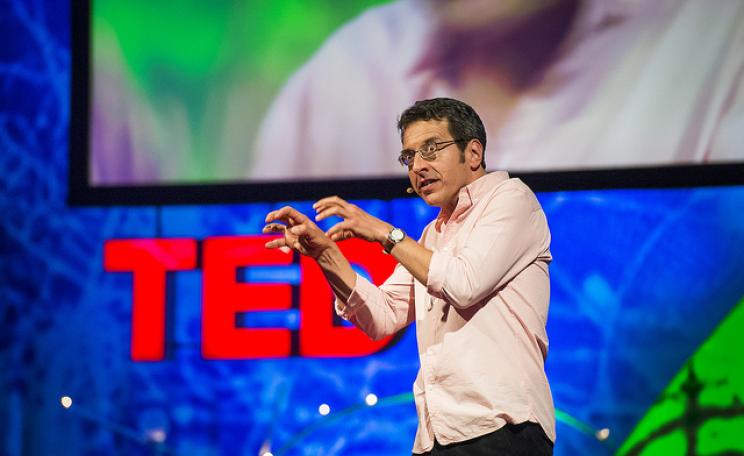
Marking 'Chernobyl day' 2014, a website is launched that calls for the arrest of writer George Monbiot for 'Nuclear Crimes against Humanity and the Environment'.
New scientific research shows that culling badgers can increase local hedgehog numbers. As UK hedgehog populations continue to decline, Hugh Warwick asks - are badgers to blame? Or does the real problem lie elsewhere?
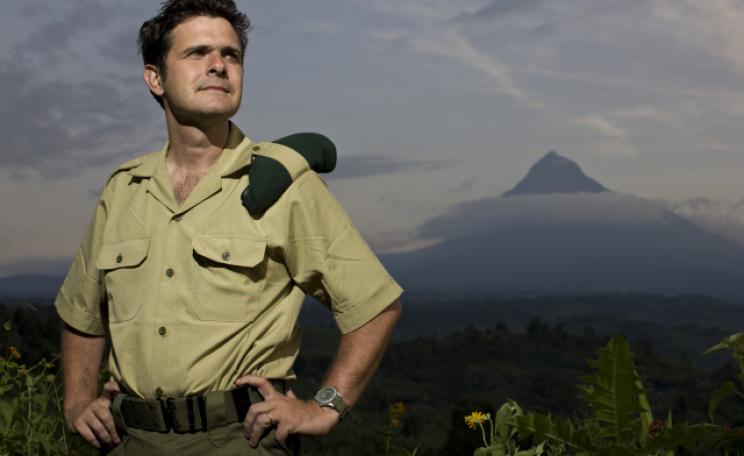
Following the shooting of Virunga's chief warden last week, WWF is calling on UK oil company Soco International PLC to pull out of the Park and respond to allegations made in a new documentary premiering at the Tribeca Film Festival.
The Land Workers Alliance gathered yesterday at DEFRA's London HQ to protest at the corrupt relationship between Government and corporate agriculture - and the deliberate marginalisation of small farmers, our most sustainable producers. Ed Hamer explains ...
With three of Jonathon Porritt's wishes for the UK's energy sector coming true in the space of as many weeks - the launch of the Renewable Heat Incentive, a Solar Strategy and a Community Energy Strategy - he finds cause for celebration.
Turbulence lies ahead for the UK's wind energy sector, writes Rebecca Cooke, as key Conservative MPs appear to be launching a hardline attack on onshore wind farms in the run up to the General Election.
Wales has an enviable record of declining BTB in cattle - without having to kill a single badger. Jan Bayley explains how Wales's combination of frequent testing and exacting biosecurity has succeeded - and how England can learn from Wales's experience.