Should it be Heathrow or Gatwick? The answer, writes Keith Taylor, is neither. For climate and pollution reasons alone the UK should be scaling back on aviation, and in any case projections of future demand have been monstrously exaggerated. Step 1: a 'frequent flyer' tax on the 15% of people who take 70% of flights.
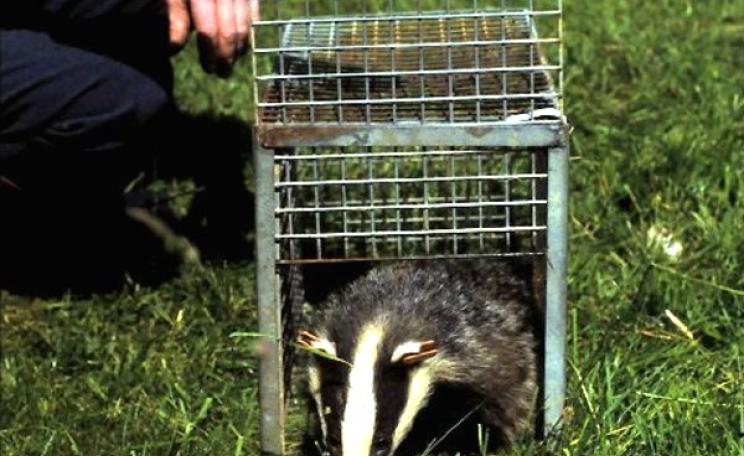
Wales has achieved enviable success in reducing bovine TB in its cattle herds without killing badgers, writes Lesley Docksey. The farming lobby is still demanding an England-style cull, but the Welsh government's 'refreshed' policy on bTB remains firmly science-based and no badgers will be killed without 'objective evidence' of infection.
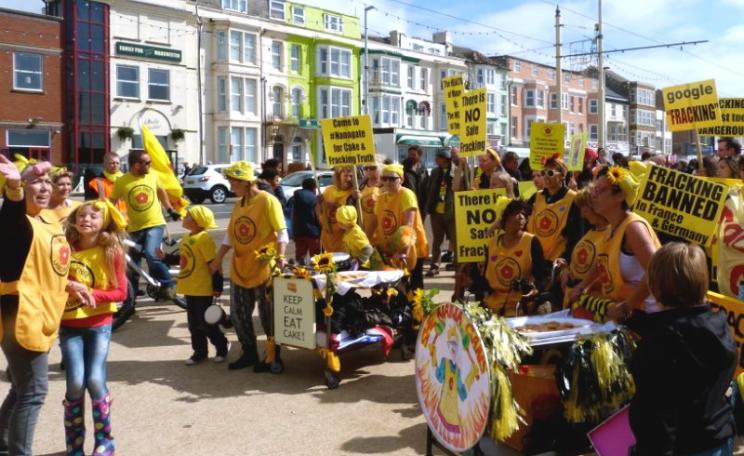
The UK government's insistence of pursuing fracking is based on a flawed and utterly misinformed vision of our future, write Alex Russell and Peter Strachan. Rather than delivering the prosperity they promise, large scale fracking would cause massive pollution of air and water, undermine vital export industries, and leave us with an irretrievably damaged economy and natural environment.
The EU Council today blocked the progress of CETA, the Canada-EU trade deal, writes Nick Dearden. It's a dramatic reversal for the transatlantic 'free trade' agenda, with the unpopular TTIP US-EU agreement already close to death. But negotiators aren't giving up on their aim to push CETA through, no matter what. Our fight goes on!
The Drax power station in North Yorkshire is among Britain's greatest greenhouse gas emitters, writes Almuth Ernsting. Not only is it burning some 6 million tonnes of coal every year, it is also burning its way through forests in the USA and other countries as it converts to biomass-fired units, rewarded by £1.3 million a day in subsidies. Join the #AxeDrax protest this weekend!
Regulatory failures are allowing Danish pigs infected with lethal antibiotic-resistant bacteria into British farms, writes Andrew Wasley, with contaminated pork found in UK supermarkets, and three human infections recorded. The official response? Deny there's a problem, take no action, and hope for the best. Six people may have died from the bug in Denmark, but the UK is safe, surely?
Last week the EU ratified the Paris Agreement to limit climate change, writes Tony Bosworth. So how did Communities Secretary Sajid Javid mark the occasion? By overturning Lancashire's democratic rejection of fracking, so giving a whole new fossil fuel industry the green light to let rip. Hypocrisy? The word hardly does justice to our government's mendacity.
Chemical and pesticide industry lobbyists are striving to abolish the European precautionary principle in favour of a so-called 'science-based' approach, write Lora Verheecke & Laura Große. If the EU succumbs to the spin, human health and the environment across Europe will be sacrificed to corporate profit.
Hot on the heels of the recent revelations of antibiotic-resistant bacteria on UK meat, a new Early Day Motion in the House of Commons calls on supermarkets to prohibit 'routine mass-medication of livestock' in their supply chains, and commit to 'drastic reductions' in farm use of critically important antibiotics. Make sure your MP signs!
Thirty years ago, there was no evidence that badgers spread bovine TB among cattle, writes Lesley Docksey. Nor is there now. Yet badgers are still being slaughtered in a futile attempt to control the disease. This timely republication of Richard Meyer's 1986 book reveals the belligerent ignorance of the officials, politicians and farmers driving the failed policy.
Sajid Javid's decision to allow shale gas wells to go ahead in Lancashire marks a new phase in the industry's development, writes Michael Bradshaw. But it will also trigger a new phase of organisation, protest and resistance among impacted communities. Cuadrilla, IGas and other companies may just find the 'social licence' they thought they didn't need is essential, after all.
A 30-year decline in toad populations recorded by volunteers, shows the need to rebuild vital 'green infrastructure' across both the wider countryside and urban areas, writes Oliver Tickell: reversing habitat fragmentation, digging out ponds and ditches, and leaving ample unkempt areas for cover and hibernation.
London Mayor Sadiq Khan promised electors that he would be the 'Greenest Mayor ever'. In spite of his apparent support for a new Thames road crossing in East London and an expanded London City Airport, he still has huge opportunities to make good his pledge. And Green Assembly Members will be working hard to make sure he does.
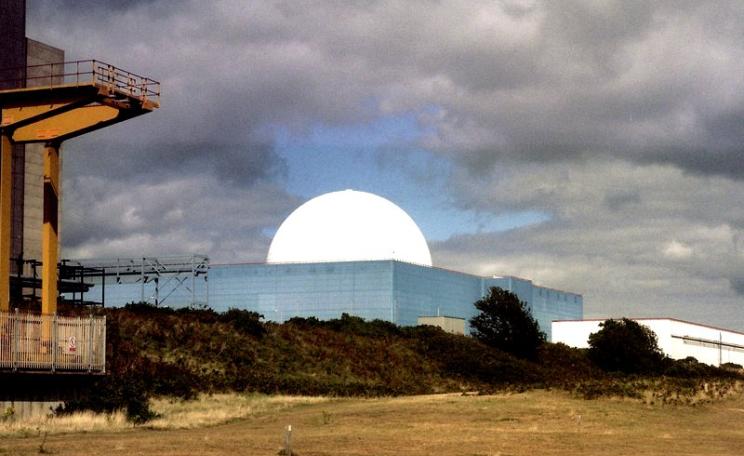
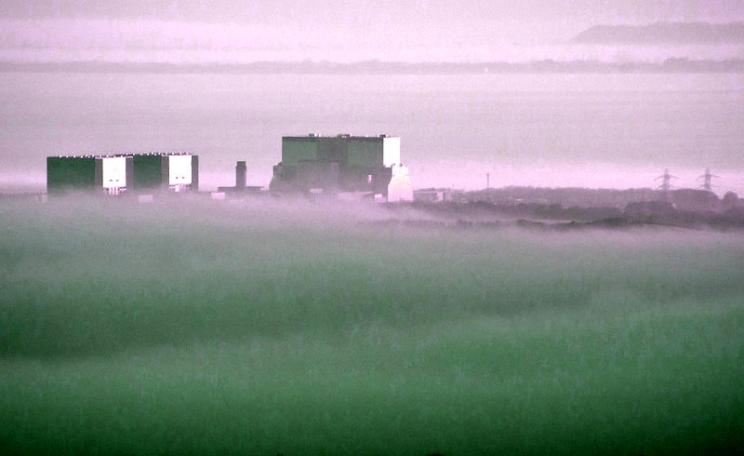
A new report finds that 28 nuclear reactors, 18 of them EDF plants in France and one at Sizewell in the UK, are at risk of failure 'including core meltdown' due to flaws in safety-critical components in reactor vessels and steam generators, writes Oliver Tickell. The news comes as EDF credit is downgraded due to a growing cash flow crisis and its decision to press on with Hinkley C.
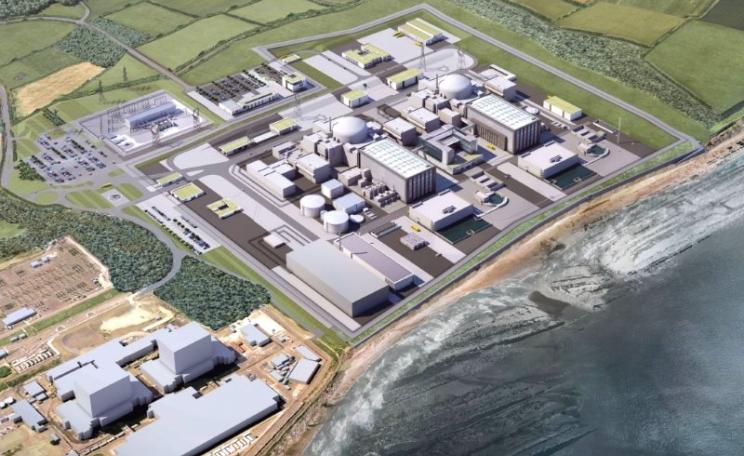
With its choice of Hinkley Point C - a £100 billion nuclear boondoggle - its enthusiastic support for expensive and environmentally harmful fracking, and its relentless attack on renewable energy, the UK government's energy policy is both morally and economically bankrupt, write Peter Strachan & Alex Russell. It must urgently reconsider this folly and embrace the renewable energy transition.
A future Labour government will ban all fracking in the UK and drive forward a clean, affordable energy revolution, Barry Gardiner promised in his conference speech today. And it will openly negotiate 'Just Trade' agreements that respect the environment, health and labour, boosting small business not just multinational corporations.
All 193 UN states will sign a declaration today to fight the spread of drug-resistant 'superbugs', writes Alastair Kenneil. The problem is often blamed on over­prescription of antibiotics by doctors. But that's to ignore the massive use of antibiotics on animals in factory farms, both to prevent infection and to assist weight gain - turning farms into superbug breeding centres.
A handful of right wing media billionnaires have been using their newspapers as propaganda rags to attack climate science and oppose climate action, writes Donnachadh McCarthy. Yet even 'climate leader' companies like M&S are fuelling their profits by advertising with them. Now a new #Deadvertisment campaign is demanding them to stop, right now.
The French and the Chinese may be celebrating the UK's decision to press ahead with the Hinkley C 'nuclear white elephant', writes Oliver Tickell. But the deal is a disaster for the UK, committing us to overpriced power for decades to come, and to a dirty, dangerous, insecure dead end technology. Just one silver lining: major economic, legal and technical hurdles mean it still may never be built.
The 2016 'State of Nature' report, published today, offers many small victories to celebrate, writes SUSAN CLARK, but overall it's not good news: 15% of our native species are under threat of extinction, while 53% are in decline. With intensive farming the main cause of the damage, and climate change a serious long term problem, turning the tide of wildlife attrition will be a long and challenging task.
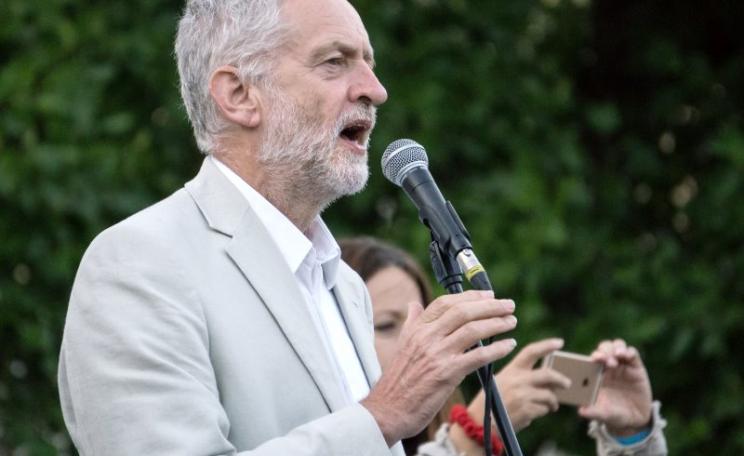
Under my leadership Britain will act to protect the future of our planet, with social justice at the heart of our environment policies, writes Jeremy Corbyn. Meeting our Paris climate targets will be the starting point for a green industrial revolution that will deliver clean, affordable energy to all, create millions of new jobs, and establish the export industries of the future.
There's quite a fashion now for creating enormous ocean nature reserves, write Peter J S Jones & Elizabeth De Santo. The UK kicked off the trend last year at Pitcairn Island, and now the US has followed up with a 1.5m sq.km reserve around Hawaii. But while these look like big conservation gains, the more serious task is to manage sustainably the intensely exploited seas close to home.
Theresa May's first big decision as PM was to duck out of a signing ceremony and review the Hinkley C nuclear project. But she will soon have to reach her decision. In this open letter Scientists for Global Responsibility set out six compelling reasons for her to let the whole monstrous white elephant go.
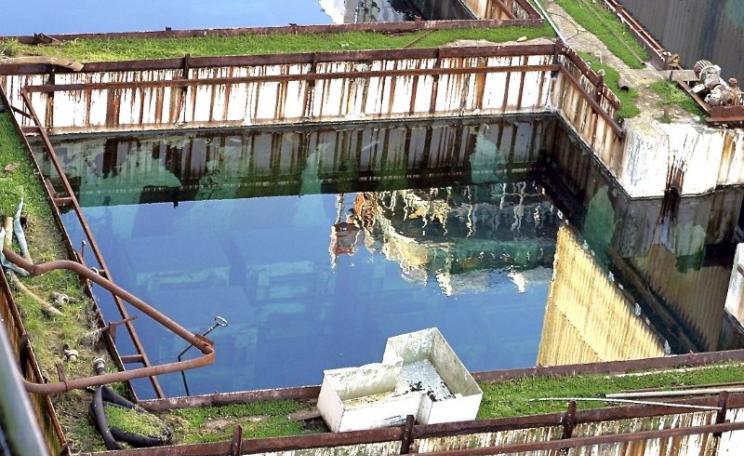
Last night's BBC Panorama programme did a good job at lifting the lid on Britain's ongoing nuclear disaster that is Sellafield, writes Ian Fairlie. But it failed to expose the full scandal of the UK's 'reprocessing' of spent fuel into 140 tonnes of plutonium, enough to build 20,000 nuclear bombs - while leaving £100s of billions of maintenance and cleanup costs to future generations.