Indonesia's murderous campaign of military repression in its stolen territory of West Papua continues, writes Jason MacLeod. But a courageous 50-year struggle for human rights and freedom is finally bearing fruit, with growing recognition of West Papua's right to nationhood among its Pacific neighbours. Real hopes of a better future are rising above the blood and pain.
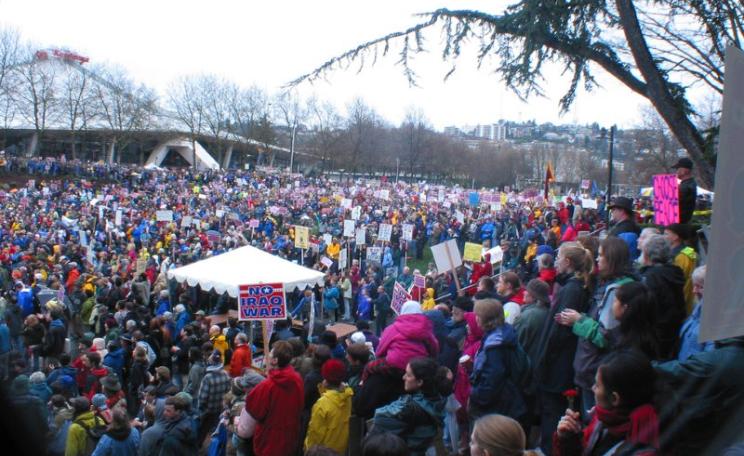
Supporters of the Iraq War dominate the UK's public institutions, despite its dismal failure. Why? Because it's the touchstone for adherence to the neo-liberal consensus and all its dogmas, writes Craig Murray, from TTIP to austerity and the corporate takeover of public services. But now, with the rise of Corbyn and the SNP, the deep state is finally facing a real challenge.
As World Water Week kicks off in Stockholm today with a theme of 'Water for Development', the drought being deliberately inflicted on Palestinians is firmly off the agenda, writes Laith Shakir. While Israelis water their lawns, irrigate crops and swim in Olympic-sized pools, Palestinian communities a few kilometers away are literally dying of thirst.
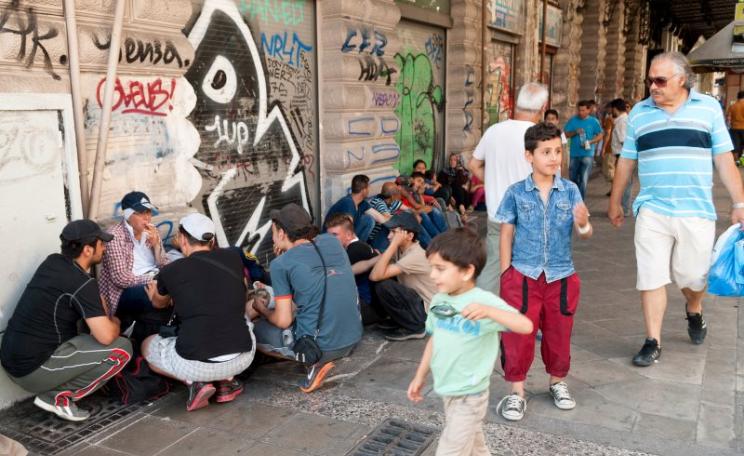
By working together and caring for those in need we can show that human kindness and global cooperation are stronger than competition and fear, writes Matt Mellen, and essential to building the better world we seek. Let's begin by recognising the humanity of the refugees washing up on Europe's shores.
Following the atomic bombs exploded over Japan in 1945 a second crime against humanity took place, writes Chris Busby: the deliberate falsification of science to hide the dangers of ionising radiation, perpetrated to quell public opposition to a new age of nuclear bombs and energy. The fraud continues to this day, but finally the truth is winning out.
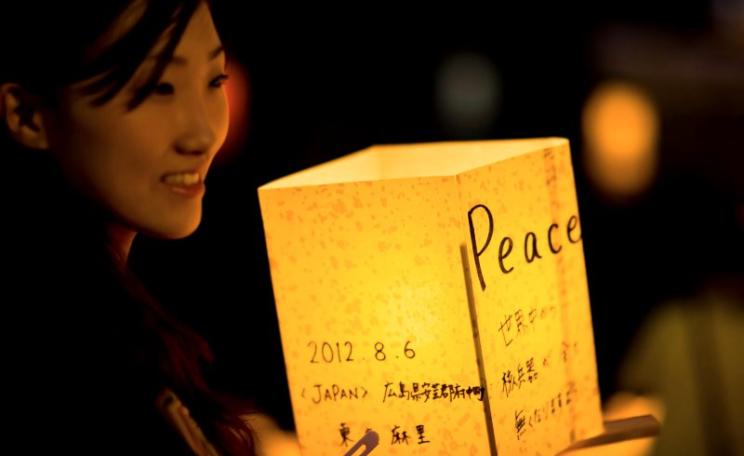
Nuclear weapons are the ultimate evil that threatens us all, says Matsui Kazumi, Mayor of Hiroshima. We must listen to the message of Japan's atom bomb survivors and join their efforts to abolish nuclear weapons completely by 2020.
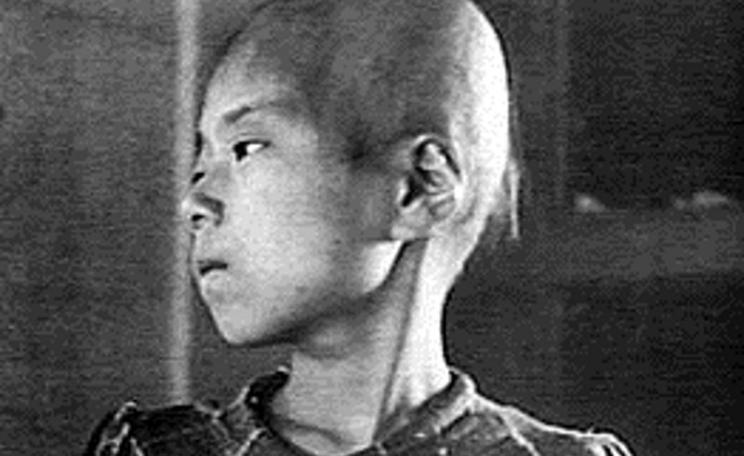
This day in 1945, the explosion of a nuclear bomb over Hiroshima, Japan, changed the world forever, writes Daniel Cordle. A remarkable article in the New Yorker by John Hersey has shaped the way the world perceives the event, and nuclear weapons generally, by illuminating the humanity of its victims in clear, simple prose.
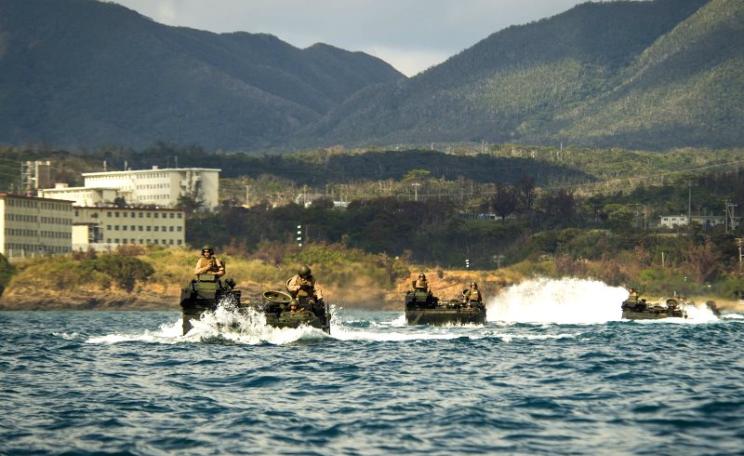
Japan is living under the shadow of US militarism, write Taisuke Komatsu & Semanur Karaman - and most of all in Okinawa, the nation's southernmost archipelago. Against overwhelming local opposition but backed by Japan's government, the US is building a new military base that is seizing land and threatens the unique ecology of Oura Bay with its seagrass beds, dugongs and coral reefs.
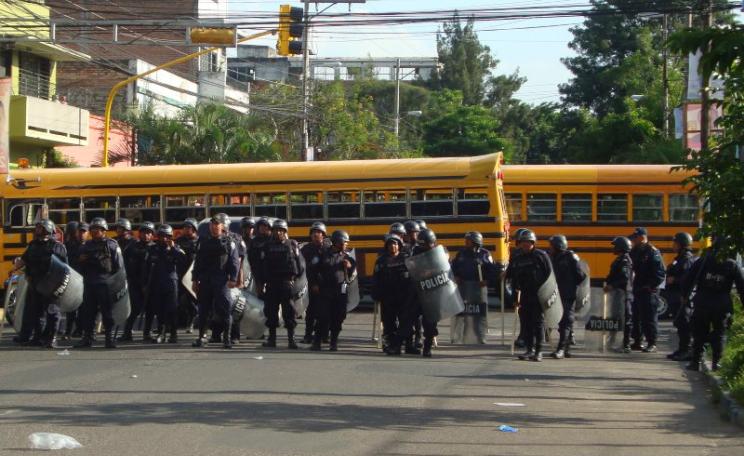
Honduras has endured six years of violence and land grabs after the 2009 US-backed military coup made the country a playground for Hillary Clinton's billionaire friends, write Eric Draitser & Ramiro S. Fúnez - and a hell for the country's indigenous and small scale farming communities, whose leaders are routinely murdered with impunity by US-trained forces.
A legal judgment in Australia has fatally damaged the 'official' ICRP model of health damage by nuclear radiation, writes Chris Busby - reflecting the fact that cancer originates through the mutation of individual cells, not whole organs or organisms. The ruling is good news for Britain's bomb test veterans whose day in court is coming up; and for all who suffer radiation induced cancers.
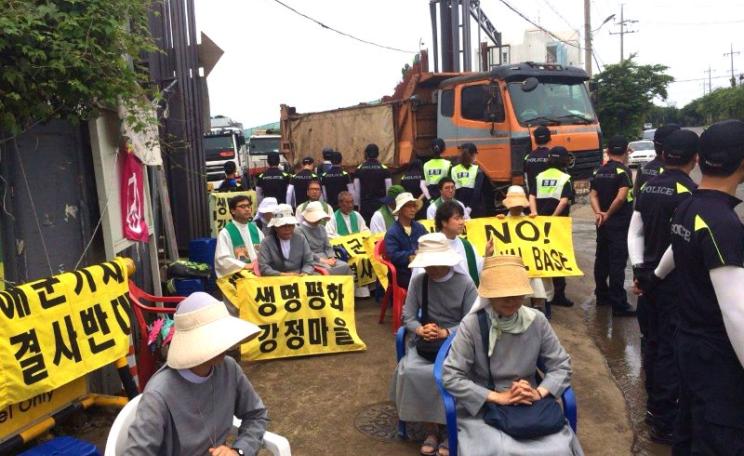
Jeju, South Korea's 'island of peace' is the site of an extraordinary people's struggle against the construction of a new billion-dollar naval base destined to support the US's military posturing towards China and North Korea, writes Medea Benjamin. And even now, after eight years of peaceful resistance, the campaigning spirit is burning strong and bright.
Rising temperatures are now affecting countries' ability to wage war, writes Richard Galustian, with Britain's new Type 45 destroyers left without power as warm Gulf and Mediterranean seas close down their engines. Will this, finally, force our politicians to understand that climate change is real and dangerous?
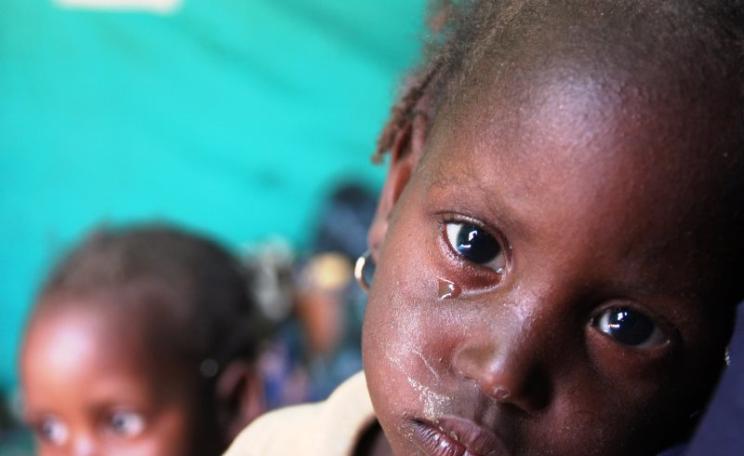
After six decades of oil exploitation, Nigeria's failure to provide for its citizens and develop its economy has exposed a hollowed-out state that benefits only the politicians and plutocrats, writes Joshua Goldfond. This is the environment in which Boko Haram has flourished, and as Nigeria proves incapable of effective action or reform, there's no end in sight to the nation's misery.
The mass spraying of glyphosate in Colombia, both on farmland and in the 'war on drugs', is a direct an attack on small scale farmers, rural communities and FARC rebels, writes W.T. Whitney Jr. But since the chemical was declared a 'probable carcinogen' Colombia has restricted aerial applications. The first step in a wider backlash against the toxic herbicide?
Civil war in Syria is the result of the desertification of the ecologically fragile Syrian steppe, writes Gianluca Serra - a process that began in 1958 when the former Bedouin commons were opened up to unrestricted grazing. That led to a wider ecological, hydrological and agricultural collapse, and then to a 'rural intifada' of farmers and nomads no longer able to support themselves.
Charles Kennedy may have struck a chord with voters as a man of the people, writes Donnachadh McCarthy. But in fact, he was very much a politician. He refused to speak out against the Iraq war, suppressed anti war activism, presided over serious political corruption, was supine in the face of corporate power, and laid the foundations for Nick Clegg's disastrous takeover.
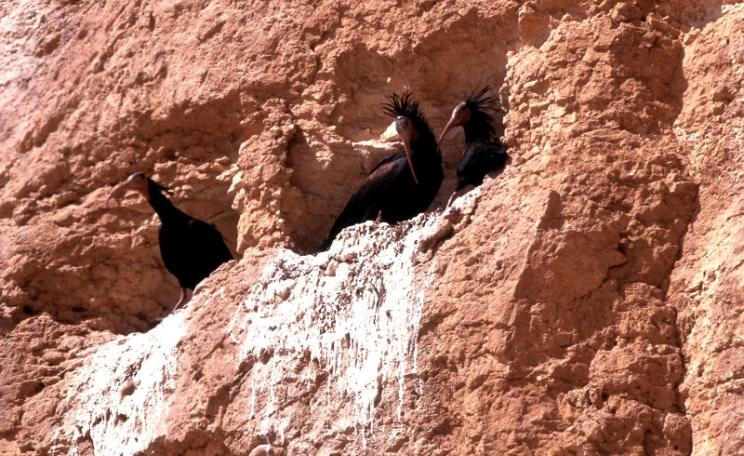
Reports that Syria's iconic Northern Bald Ibis colony is endangered by IS's capture of Palmyra are mistaken, writes Gianluca Serra. The species is already extinct as a breeding population for reasons unconnected with IS. The war that is destroying Syria came only as the last straw for a long-dwindling species whose plight the world chose to ignore.
The military targeting of civilian infrastructure, especially of water supplies, is a war crime under the Geneva Conventions, writes Nafeez Ahmed. Yet this is precisely what NATO did in Libya, while blaming the damage on Gaddafi himself. Since then, the country's water infrastructure - and the suffering of its people - has only deteriorated further.
The more EU politicians try to look in control of the Mediterranean refugee emergency, the more it's obvious they aren't, writes Assaad W. Razzouk. A key driver of the crisis is climate change, which is causing drought across North Africa. Europe must now tackle the root causes of the crisis, and admit its own culpability in precipitating it.
The eruption of nuclear weapons into today's election campaign should ignite a real debate over the UK's Trident missile system, writes Oliver Tickell. The notion that the UK is more secure with nuclear weapons than without is a dangerous illusion. The truth is the reverse - they are far more likely to make the UK a nuclear target, than to protect it.
When seeking a new Vice-Chair for the BBC Trust, would you seek out a distinguished journalist? Or the Chairman of Europe's biggest arms company, one with a murky past of corruption and supplying deadly weapons to despotic governments? For the British oligarchy, writes Harry Blain, the answer is obvious.
Iraq is working hard to remediate the environmental impacts of two Gulf wars and Saddam Hussein's chemical weapons programme, writes Wim Zwijnenburg. But it now faces new hazards deliberately caused by Islamic State - and is in desperate need of international support.
The world is already experiencing water scarcity driven by over-use, poor land management and climate change, writes Nafeez Ahmed. It's one of the causes of wars and terrorism in the Middle East and beyond, and if we fail to respond to the warnings before us, major food and power shortages will soon afflict large parts of the globe fuelling hunger, insecurity and conflict.
The UK's Trident nuclear missile system has the power of 1,500 Hiroshima bombs, writes Angie Zelter - and to use it would be a monstrous and probably suicidal crime against humanity. Should we spend £130 billion renewing it? Or on schools, hospitals, libraries, social care and cycleways? The inspiring ActionAWE campaign is waking people up to the choice we face.