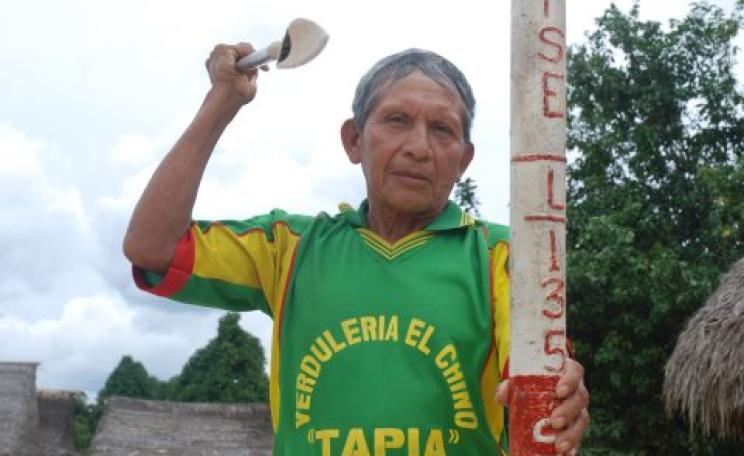
Botum Sakor national park is one of Cambodia's biodiversity hotspots, where indigenous tribes have long lived in harmony with the forest and its wildlife, writes Rod Harbinson. But now they are being violently evicted as the park is being sold off piecemeal to developers for logging, plantations, casinos and hotels. Now local communities are defending themselves and their land.
Climate change probably caused the savage drought that struck Syria nearly a decade ago, writes Alex Kirby - and helped to trigger the civil war that has so far claimed over 200,000 lives.
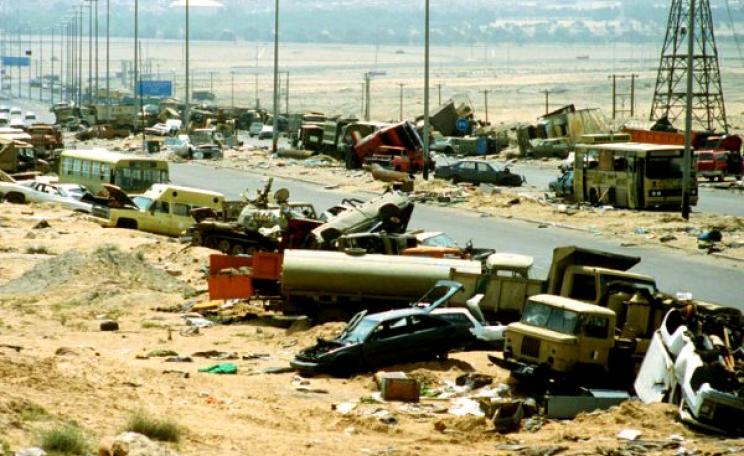
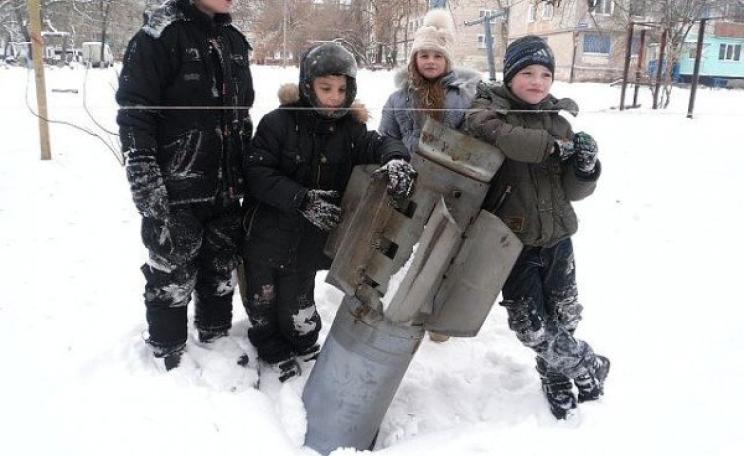
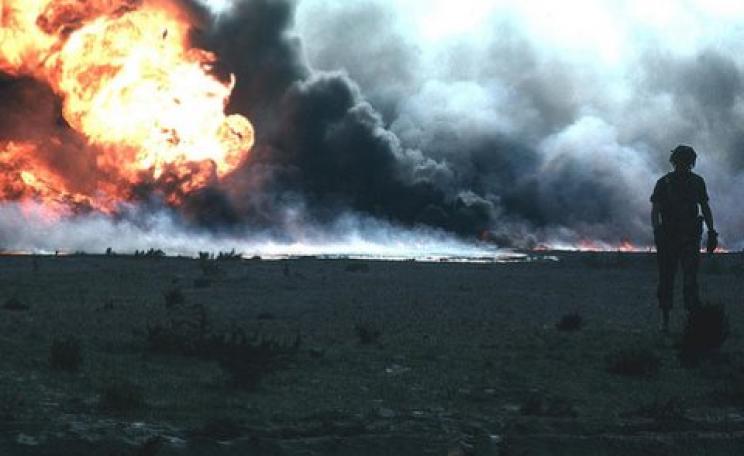
Look beneath the surface of the wars in Iraq, Syria, Afghanistan, Libya, Ukraine, and what do you find? Oil, gas, and contested pipeline transit routes. Never mind high-sounding talk of human rights, national sovereignty, international law and UN Resolutions, writes John Foster - fossil energy is the world's main driver of armed conflict.
A wide-ranging academic study of civil wars in 69 countries from 1945 to 1999 finds that the likelihood of outside intervention increases when the country at war has large reserves of oil, and a potential intervener needs to secure oil imports on favourable terms to meet domestic demand.
As tensions grow between US-dominated NATO and Russia, former cold warrior William R. Polk hears the echoes of the Cuban missile crisis - only this time, it's Russia that feels forced to fight for its vital strategic interests. We must hear the lessons of 1962 Cuba - and negotiate a just and durable peace, before we sleep-walk into a world-destroying war.
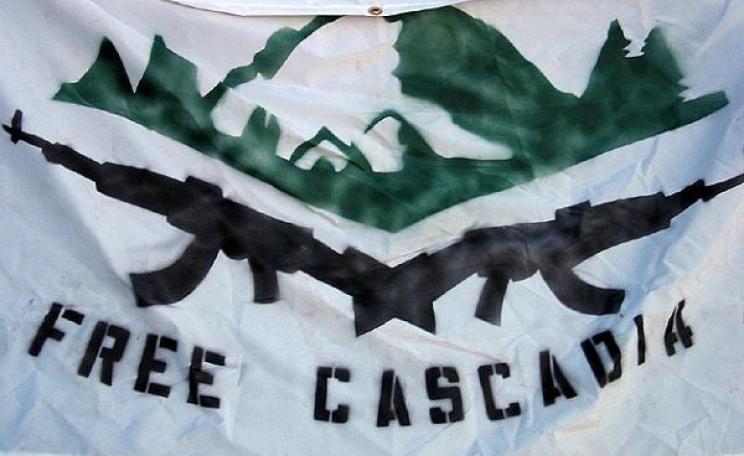
North America's environment campaigners face a fearsome enemy in the 'Big Club', writes Alexander Reid Ross - the nexus of fossil fuel and infrastructure corporations, government, militarized police, private security contractors, PR agencies, astroturf NGOs and quasi-judicial bodies. But the activists are winning key victories in their battle to halt the industrialization of Cascadia.
The drums of war are beating on the BBC and other mass media, writes Oliver Tickell - naked propaganda about fictitious 'Russian aggression' intended to soften us up for a war that could wipe out life on Earth. We must refuse to fall for the endlessly repeated lies, and tell our politicians that our highest priority of all is peace.
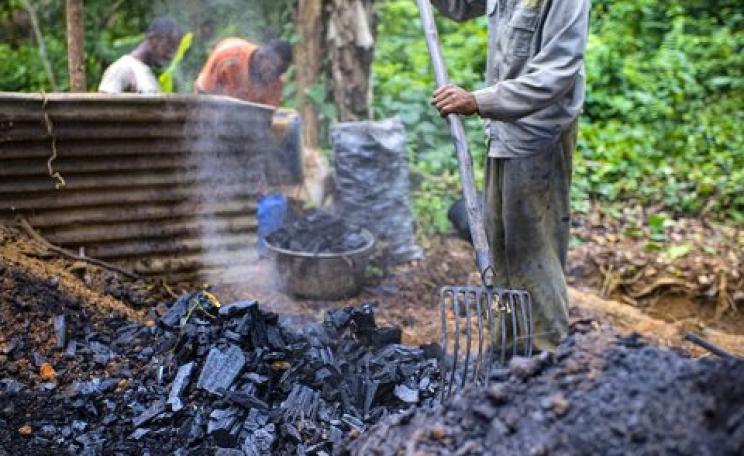
Claims that the ivory trade is financing terrorism in Africa are all based on a single unreliable source, writes Diogo Veríssimo, yet the real link between terror groups and the illegal charcoal trade barely gets a mention. Is the 'reality gap' caused by the 'Like, share, donate' cycle that drives social media and fund-raising?
The global economic shake-down of low oil prices continues apace, writes Alexander Reid Ross, causing environmentalists to celebrate the collapse of dirty energy projects. But the oil price collapse is the manifestation of a multi-layered conflict being fought out on the political, military and ideological battlefields of the Middle East - and it may not last much longer.
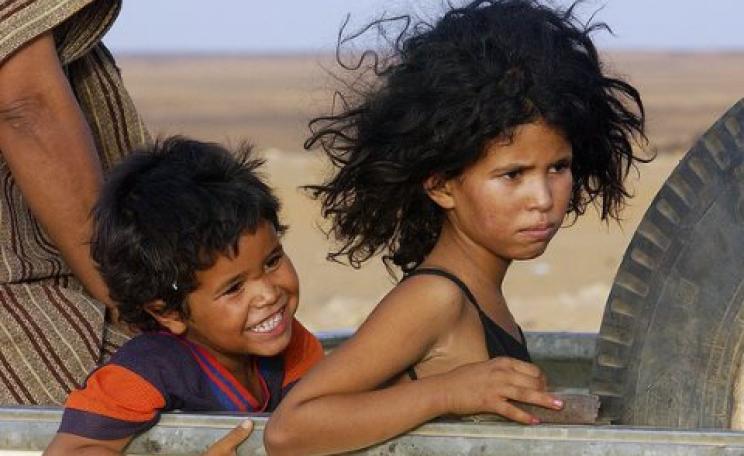
The Sahrawi people of Western Sahara have been waiting 40 years for a self-determination referendum, writes Oscar Güell. But thanks to the passivity of the EU, the US and the rest of the 'international community' their wait for justice won't end any time soon. Meanwhile, Morocco settles the country with colonists and exploits its natural resources.
A fusion of drone systems and chemical agents is set to transform the landscape of combat for states and non-state actors alike, writes Paul Rogers. These technologies won't just be used for warfare, but for 'public order' ... suppressing riots, protests and political dissent. Forget water cannon - this is the real deal.
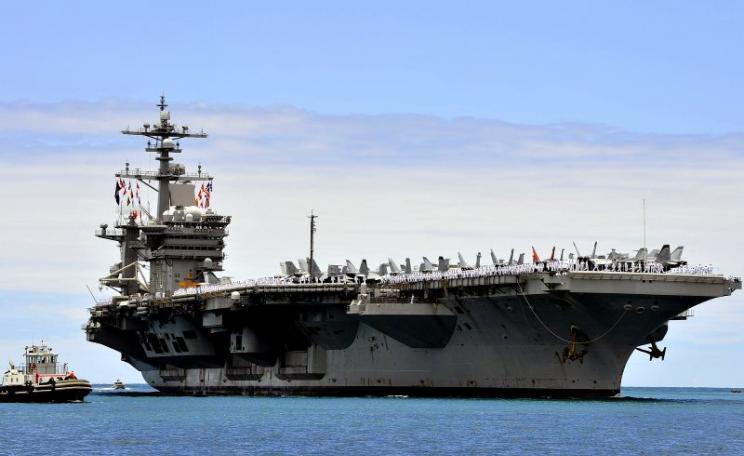
How much of the mainstream media coverage given to COP21 and the Paris Agreement mentioned the mysterious exemption given to the US's massive military and security machine? None, writes Joyce Nelson. Not only are these emissions entirely outside the UNFCCC process, but a 'cone of sillence' somehow prevents them from even forming part of the climate change discourse.
Austria's pledge to strive for the elimination of nuclear WMD kindled fresh energy and hope at this month's Vienna Conference on Nuclear Weapons, writes Rebecca Johnson. Now we must maintain the momentum towards global nuclear disarmament at the May 2015 meeting of the Non-Proliferation Treaty.
The official investigation into the downing of MH17 is without precedent in the history of aviation, writes James O'Neill, as it gives one of the prime suspects, Ukraine, a veto power over publication of the report. Grieving families of the victims may never know know the truth, as geopolitics triumphs over justice.
We live in an age of propaganda by the 'mainstream' media, writes John Pilger. Inconvenient stories, truths and even entire countries are airbrushed away, while dominant narratives are parroted incessantly to bludgeon our minds in acceptance of war, injustice, austerity, all to serve the interests of our ruling elites.
Korea's Jeju Island has been dedicated to peace ever since over 30,000 people were massacred there in 1948, writes Mica Cloughley. But now the US's 'pivot to Asia' demands a new naval base rejected by 94% of voters, and mobile phone giant Samsung is leading the construction project. Islanders are fighting every inch of the way.
Peru - host of the COP20 UN climate conference now under way in Lima - is facing rebellion by a 3,500 strong indigenous people deep in the Amazon committed to fighting oil exploration in their forest territory, writes David Hill, following the government's failure to consult Matsés communities or respect their rights.
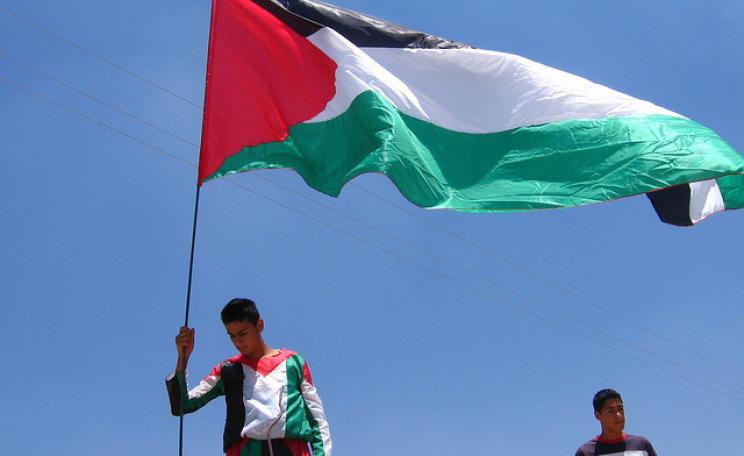
Israel has exploited the legal ambiguity of its military rule of Palestinian territories, writes Tony Klug - cherry-picking Israeli law, Ottoman law and Geneva Conventions to suit its purposes. Israel must now decide - is it an occupation, or an annexation? Only once that decision is made, can Israel's slide towards apartheid be halted.
The best way to deal with embarrassing, inconvenient facts is to ignore them, writes Guy Horton. And this is precisely what the international community is doing over Burma's demographic anomaly - 9 million people who ought to be there, but aren't. Their absence is prima facie evidence of genocide - but as we all celebrate the 'brave new Burma', no one wants to know.
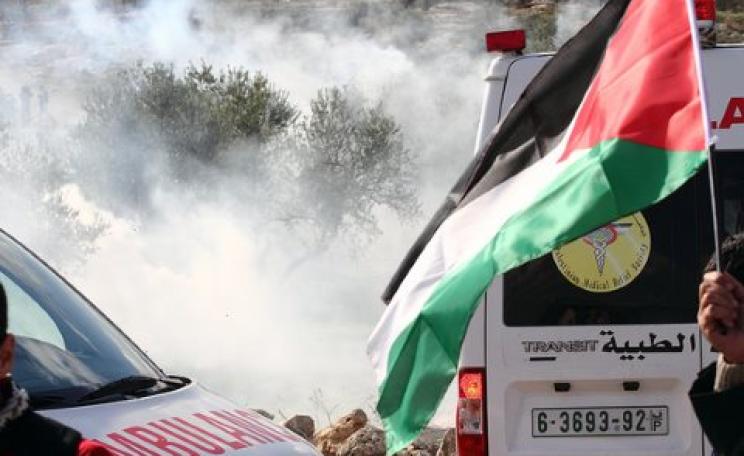
Mads Gilbert, a renowned 67-year old doctor and human rights activist who has saved innumerable lives in Gaza by working right through Israel's two most recent military attacks, has been banned by Israel from entering the territory for life. His 'crime'? Apart from healing the shattered bodies of Palestinians, he has dared to speak out about the horrors he witnessed.
Last week Parliament had its first ever chance to debate a shadowy treaty dating back to 1958, under which the UK exported to the USA enough plutonium for over 1,000 nuclear warheads, writes David Lowry. But the core question remains unanswered - how can the treaty be reconciled with our sovereign obligations to prevent nuclear weapons proliferation?
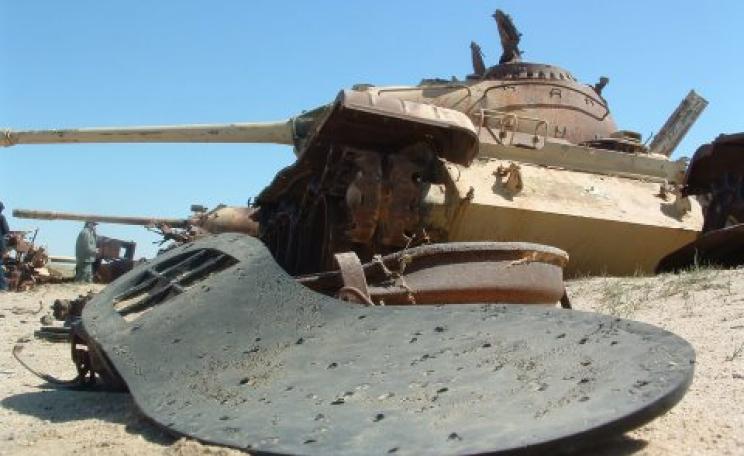
Only four countries opposed a UN Resolution on 'depleted uranium' munitions: the USA, UK, France and Israel, all nuclear WMD states whose use of DU leaves battle fields contaminated with toxic, radioactive residues for millennia into the future. The overwhelming support for the Resolution puts the WMD states on notice - DU munitions are no longer acceptable.
December's meeting of the Chemical Weapons Convention offers the opportunity to control very dangerous and often fatal chemical agents deemed 'incapacitating', write Michael Crowley & Malcolm Dando. Currently a legal gray area, it's essential to bring the development and use of these substances before a full blown arms race breaks out.
The world has been the victim of a monstrous scientific error that has understated the dangers of radiation, writes Chris Busby. Following the Hiroshima nuclear bomb, investigators used 'controls' who had been exposed to high levels of 'black rain' fallout to understate the health impacts of radiation. This bogus science still underlies risk models today.