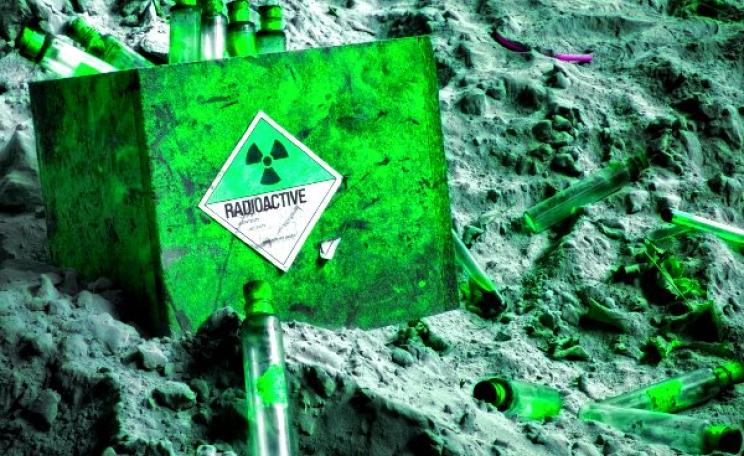
The recent closure of five US power stations is forcing the industry to confront big questions about radioactive waste, writes Paul Brown. Who is to pay the mounting costs of managing the wastes and keeping them secure? And precisely where will be their final resting place?
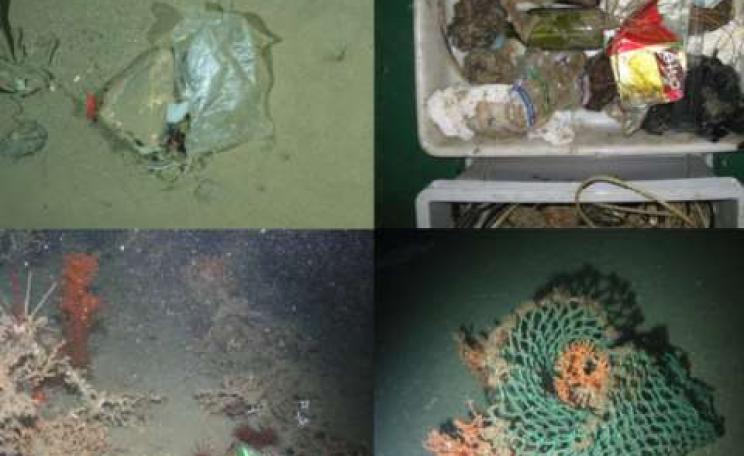
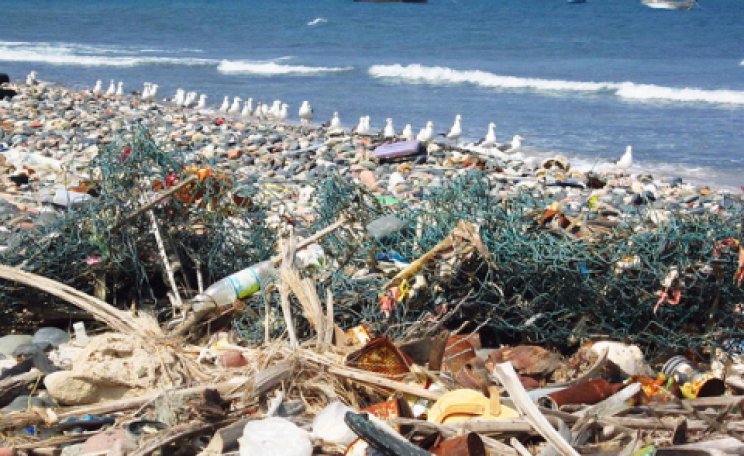
Even creatures at the bottom of the ocean aren't sheltered from the detritus of human civilization, writes Sarah Zielinski. Everywhere they have looked, scientists have found plastic, glass and other trash littering the seafloor and collecting in canyons.
Interface's sustainability model shows how large industrial companies can slash their carbon emissions and other environmental impacts without compromising profitability, reports Sophie Morlin-Yron. The key is to aim high!
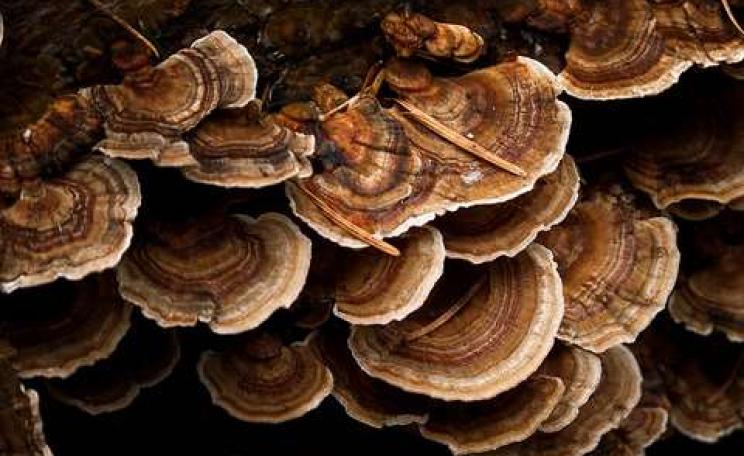
A new system for cleaning soils contaminated with industrial toxins harnesses the power of White rot - a common fungus that decays fallen wood in forests. Research in Finland shows it can also destroy dioxins and poly-aromatic hydrocarbons.
Six environment heroes, one from each continent, are honoured for their work today - fighting threats from giant coal mines to forest destruction, fracking, high dams, illegal development and toxic waste dumps. Sophie Morlin-Yron reports.
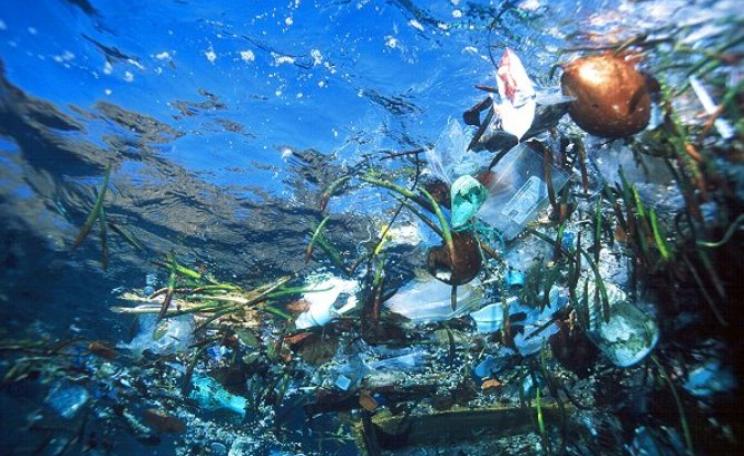
Eighty percent of marine rubbish originates on land - via storm drains, overflowing landfills, and uncontrolled dumping in rivers. And once it's in the sea, no one is responsible for it, writes Alistair McIlgorm. It's high time for governments to clean up their act.
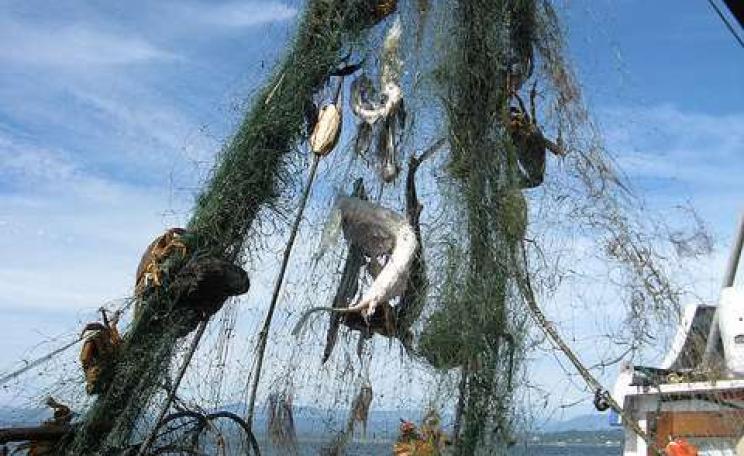
In the search for Malaysia Airlines flight MH370 we have found oil slicks and debris everywhere - none of it connected to the missing plane, writes Paul Mobbs. The seas are littered with human trash, and it's killing the oceanic ecosystem.
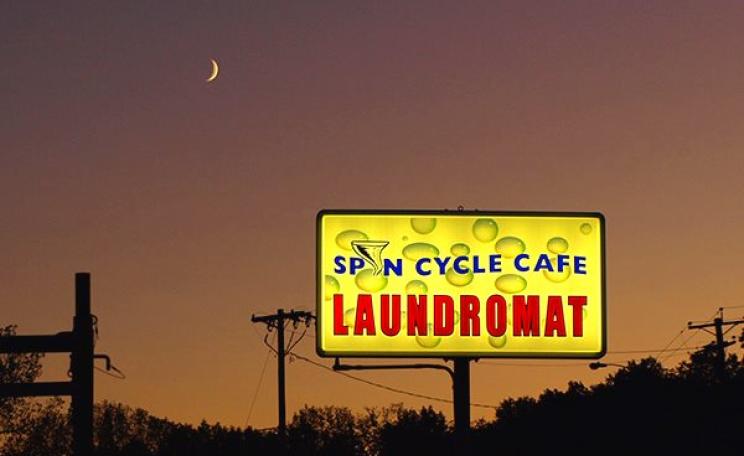
How can we reduce our ever increasing throughput of raw materials? By breaking out the the 'iron cage of consumerism', writes Mariale Moreno: make things to last - whether clothes, houses, cars, or washing machines. Join a car club. Share domestic appliances with neighbors. And bring back the laundromat!
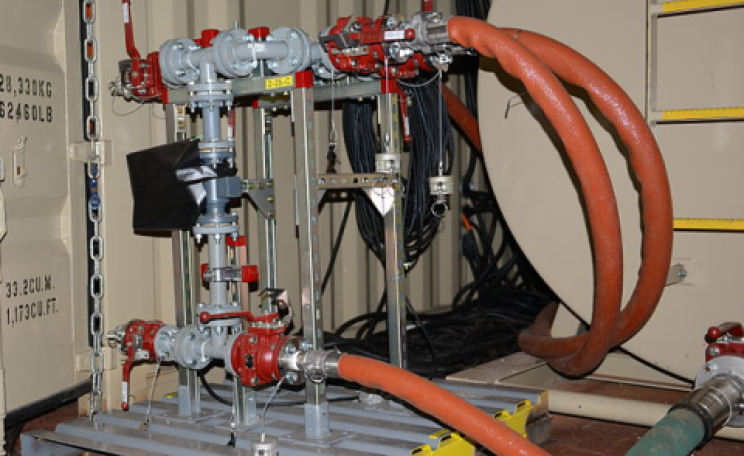
Syria's surrender of its chemical weapons last autumn raised the question - where to dispose of the toxic agents? Felicity Arbuthnot reports on a toxic tale of chaos, corruption, grand theft, and a growing strategic imbalance in the Middle East.
The long-term effects of synthetic chemicals used in packaging, food storage and processing food could be damaging our health, scientists have warned. Jo Adetunji reports.
Under the 'Incredible India' brand lurk millions of fast-growing piles of decomposing waste, reports Almudena Serpis. As they await removal, polluting waters and stinking under the tropical sun, India is rapidy becoming the world's biggest rubbish dump.
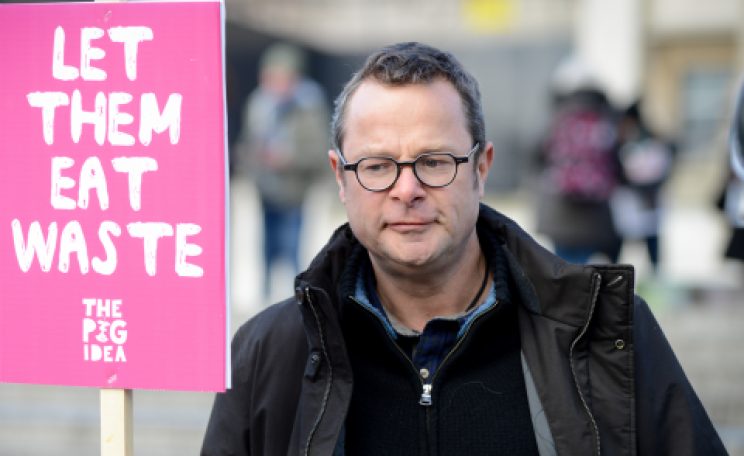
Last night Edd Colbert hosted a massive knees-up in Trafalgar Square, to ceremonially devour eight pigs raised entirely on edible food waste - a delicious launch to a very original campaign. He spoke to The Ecologist about his ideas ...
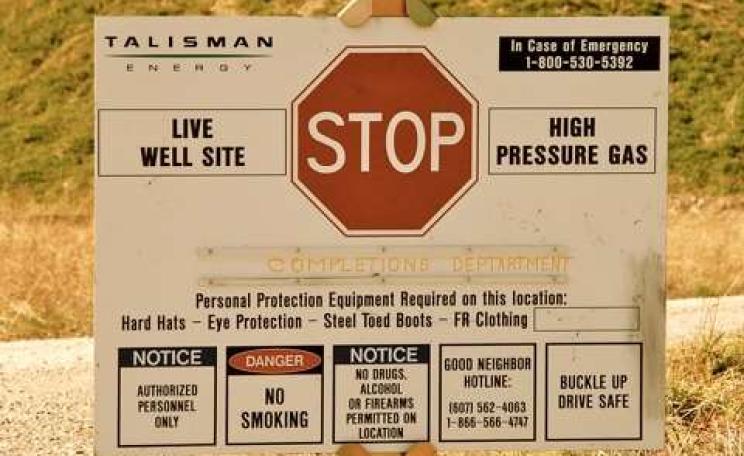
The US's 'dash to frack' for oil or gas, which has transformed the country's energy market, is seriously depleting and contaminating aquifers and surface water supplies, writes Valerie Brown. The choice facing America is plain - energy, or water?
The 'environmentalist' peer Baroness Worthington argued last week in the House of Lords for local authorities to be stripped of their powers to refuse the dumping of radioactive waste in their areas. Geneticist Becky Martin takes her to task in this Open Letter.
In her new weekly column, the Ecologist's Lorna Howarth reports on the stories that show standing up for what we believe in can and does make a real difference.
The winner of the 2012 ICUN /Thomson Reuters Environmental Media Award is Diogo Verissimo - a conservation biologist from Portugal. The award, now in its 10th year, was hosted for the first time this year on Facebook where Diogo's essay - one of 162 submitted - polled a staggering 5,352 of the 26,274 votes cast. Here is his winning essay.
Earlier this week, the Trussel Trust reported the number of UK families using food banks has tripled in the last year and increased a staggering FIVE FOLD since the coalition came to power. Paul Creeney asks the big question ...
Grace Lee has just spent a month in Seoul, South Korea working as an intern for the Resource Recirculation Management Division under the Climate Change and Environment Bureau of Seoul City Hall. Here’s what she has to say to her fellow US citizens about their domestic waste…
Madeleine Cuff challenged herself to spend a week reducing her food and packaging waste. Did it work, and will other consumers and supermarkets take note?