Last week the consortium holding a £22bn contract to clean up the Sellafield nuclear site was sacked, writes David Lowry. But this is just the end of a long and scandalous tale of corporate profit at taxpayers' expense, and the active collusion of ministers and senior officials in fighting off Parliamentary scrutiny.
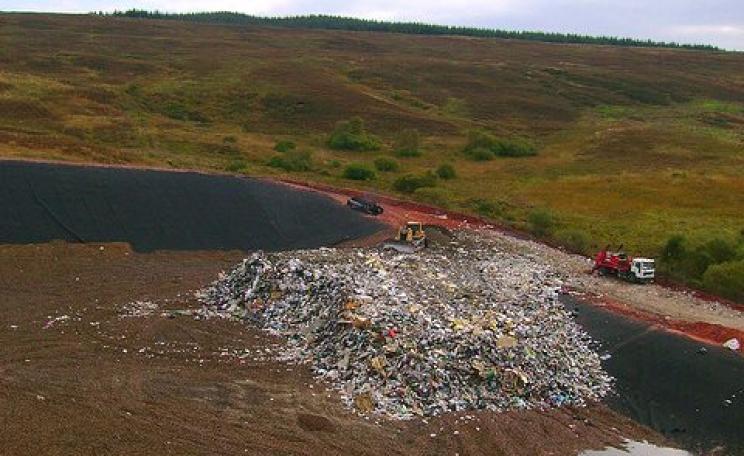
Nearly a year ago at the height of the UK floods, tragedy struck an ordinary family in Surrey as toxic gas from a nearby landfill site killed a 7-year old boy, Zane. Now the authorities appear determined to exculpate the source of the poison - an old landfill site - even as they prepare for a massive increase in hazardous waste from fracking.
A massive oil spill in the oil-rich Niger Delta in 2008 has caused years of environmental and economic devastation. But only after legal action in London has Shell been forced to reveal the truth, admit liability, pay compensation, and begin the clean-up.
Freezing Christmas leftovers can save families money, help the environment by reducing food waste, and tickle our tastebuds with new and exciting flavours, writes Gavin Ellis - who shares delightful recipes to make the most of your Christmas sprouts, turkey and plum pudding ...
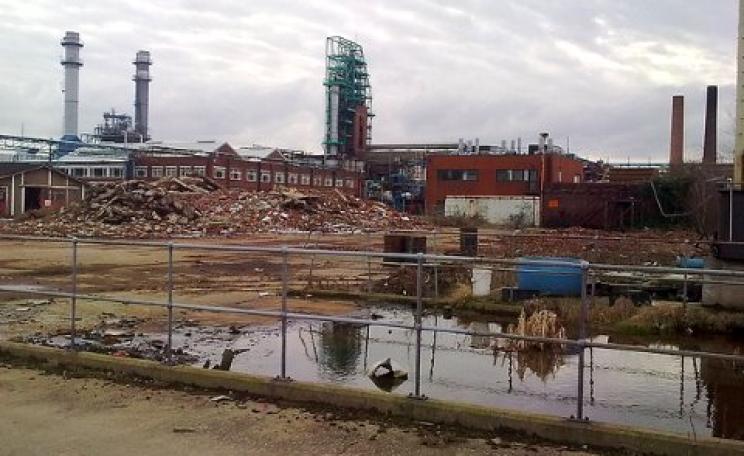
As Cameron 'cuts the green crap' Paul Mobbs remembers how the decisions of a Conservative government 20 years ago to go easy on the owners of contaminated land and old waste dumps have led to present day blight, ill-health and death. Now brow-beaten regulators and politicians in hock to party funders are doing it all over again.
The European Commission has dropped measures to improve air quality and reduce waste from its work plan for 2015 - instead 'cutting red tape' and prioritizing 'jobs, growth, investment' at all costs.
An anti-environment plot by Junckers' Commission would abandon agreed 'green' laws for clean air, waste reduction and recycling. But the leak of key documents to EurActiv has stimulated fierce opposition by Green MEPs and environment groups, while eleven EU countries have called on Junckers to hold to the green laws and speed up their implementation.
The oceans are awash with plastic, write Magnus Johnson & Melanie Coull, with dire effects on marine wildlife mistaking it for food. But it's not just big animals like basking sharks, turtles and albatrosses that suffer. The very worst damage may be caused by particles too small for the eye to see, and the toxic chemicals that cling to them.
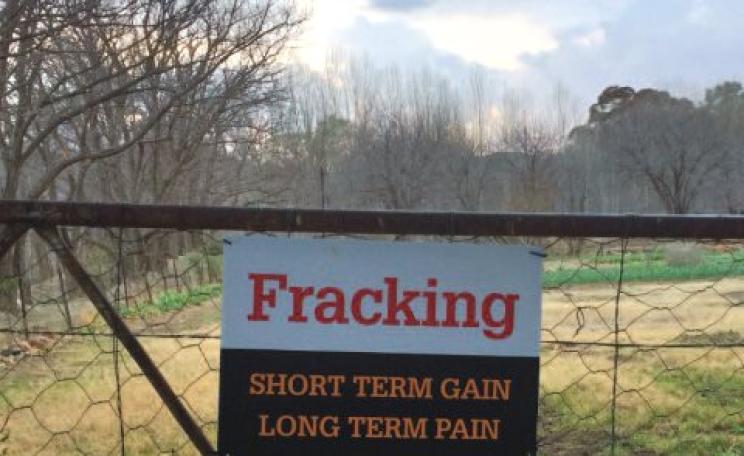
The world is in the grip of a 'fracking frenzy that threatens us for centuries to come with polluted aquifers, runaway climate change, destruction of biodiversity and worthless 'sub-prime' investments. Just as the world must make the transition to a sustainable future, our 'leaders' are determined to make this last losing throw of the fossil fuel dice.
It's the fossil fuel industry's latest stroke of genius - a coal substitute that's cheaper, dirtier and more toxic than coal itself, writes Ben Whitford. The waste product of refining heavy oil from Canada's tar sands, petcoke is stored in open mountains around Chicago's 'Slag Valley', sending plumes of sticky black dust over poor neighborhoods every time the wind blows.
East Liverpool, a small city by the Ohio river, is a cancer-ridden dumping ground for the detritus of the global economy, writes Caitlin Johnson. With its filthy power station, coal ash lake, 1,300 fracking wells, silica sand mountains and a huge toxic waste incinerator, the city's people need your help in their fight for environmental justice.
Two huge open pit mines in northern Norway are on the verge of approval, writes Tina Andersen Vågenes - even though they would dump hundreds of millions of tonnes of tailings in fjords where wild salmon spawn. Scientists are voicing serious concerns, and protests are growing, but government and mining companies appear determined to push the projects forward regardless.
The Yucca Mountain radioactive dump may have been officially 'cancelled', writes John LaForge, and with very good reason. But like all those zombies out for Hallowe'en last night, it's not dead yet, as US nuclear regulators declare that the site perfectly meets nuclear waste storage requirements.
Every Hallowe'en the UK throws away enough pumpkin to make 360 million portions of pumpkin pie, soup, or cake, writes Gavin Ellis - a shocking waste in these hungry times. Hence a bold new initiative to rescue all those pumpkins from landfill, and turn them into delicious food we can all enjoy as part of our seasonal festivities.
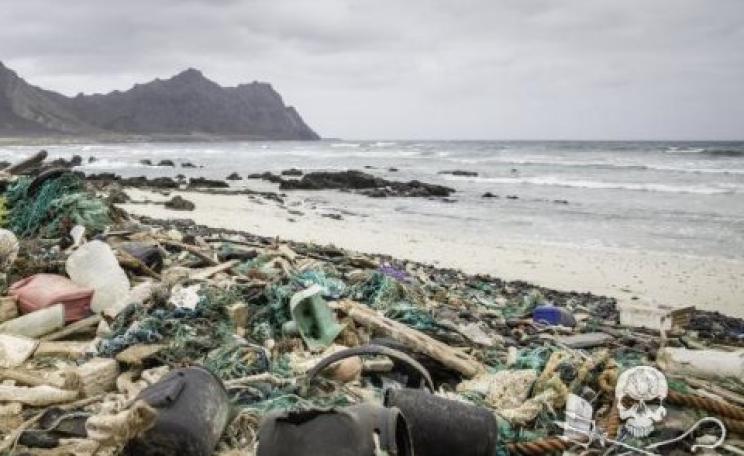
Out in the Atlantic off the coast of West Africa, the Cape Verde islands should be pristine, writes Simon Ager, a haven for sea turtles and other wildlife. But the beach where loggerhead turtles have nested for millions of years is buried under a deadly morass of plastic garbage.
Isn't it daft it is to use plastics that last for centuries to make short-life packaging? Now there's an alternative, writes Sophie Morlin-Yron - using fungi to bind farm and forestry waste into strong, non-toxic, complex forms. When the job is done, the material can be safely burnt or composted - and it even works for buildings ...
A Parliamentary report reveals that £200 million has been wasted on failed 'public-private' PFI projects for waste management, writes David Hall. The obvious solution: to allow local authorities to build and operate their own, which is cheaper and more flexible. The only problem: under UK government rules, it's PFI or nothing.
Women of an 'untouchable' caste in village India are rebelling against a life of cleaning human ordure, poverty and relentless discrimination, writes Amy Braunschweiger. Among them is Lalibai, who inherited her 'job' at the age of 12 - but has just helped to organise a protest march of 10,000 women across 18 states.
Lewis Pugh has completed long-distance swims in the 'seven seas' to promote his dream of a peaceful world of well-managed Marine Protected Areas, abundant oceans teeming with fish, turtles, whales, sea-birds and sharks. His shocking experiences in the water make that dream more urgent and compelling than ever.
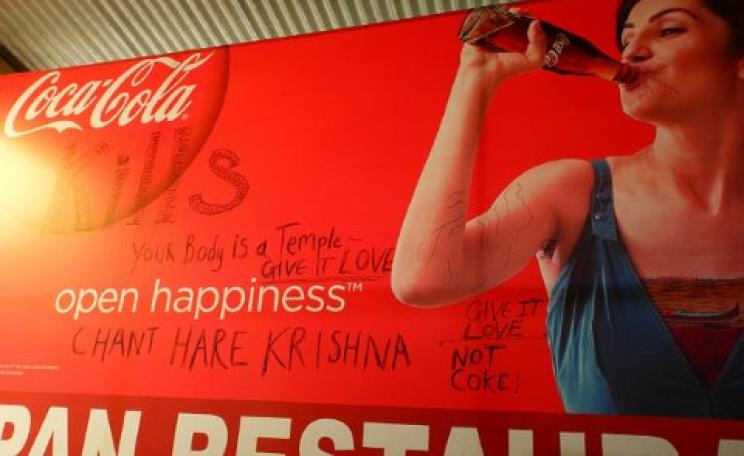
After a 15-year battle, local campaigners infuriated by pollution, over-pumping of groundwater and land-grabbing have finally forced the closure of Coca-Cola's $25 million factory near Varanasi.
This month a tailings dam at the Mount Polley mine in BC breached, writes Carol Linnitt - spilling 14.5 billion litres of toxic mine waste into Quesnel Lake. A major source of freshwater and one of BC's premier fly-fishing destinations, the lake will never be the same again. But it's just the first big victim of Canada's wave of environmental de-regulation ...
When the US's biggest ever coal ash spill buried 300 acres of waterfront property in a white, middle class suburb, the waste was treated as a toxic hazard. But by the time it reached Uniontown, a black community in Alabama, that was all forgotten. Now they are fighting back.
Plastic waste, often burning, is a constant companion in Gambia, a poor country where few enjoy formal rubbish collection, writes Louise Hunt. Now a pioneering project to upcycle waste plastic is beginning to tackle the problem - and in the process enhancing women's social and economic status.
Attempts to recycle E-waste and donations of old electronic devices are harming poor people's health and devastating the environment, writes Nele Goutier. Agbogbloshie, once an idyllic landscape of wetlands and small farms, is now the most toxic place in the world ...