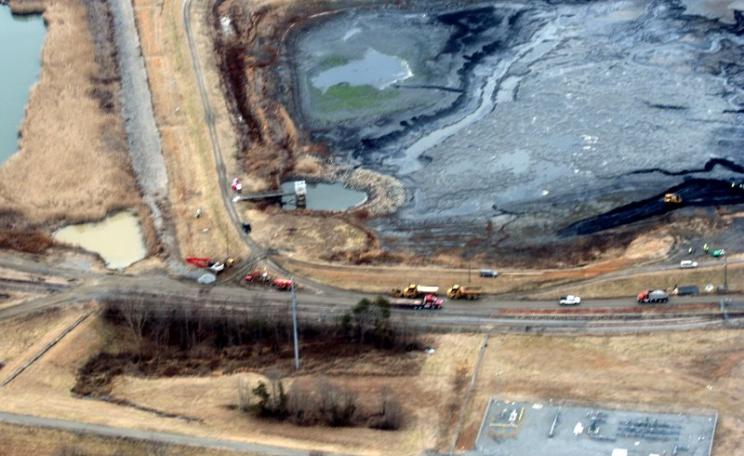
America's coal-fired power plants produce 140 million tons of ash a year, reports Ben Whitford, most of it dumped in open storage ponds that contaminate drinking water with arsenic and heavy metals. And now Presidential candidate Jeb Bush is promising to scrap 'new and costly' (actually feeble) EPA regulations before they have even been implemented.
At least a third of the food the world grows each year goes to waste, writes John Mandyck, most of it in fields, transport and storage. The result is poor farmers, hungry people, and a massive 3.3 billion tonnes of needless CO2 emissions. It should be a key topic for action at COP21 in Paris - but so far it's not even on the agenda.
Indigenous Australians are systematically deprived of the benefits of mining and other developments, writes Seán Kerins, and being left to suffer their environmental impacts. As Abbott's government prepares a bonfire of 'red tape', it's time to put Indigenous interests first, and place their communities at the centre of decision making.
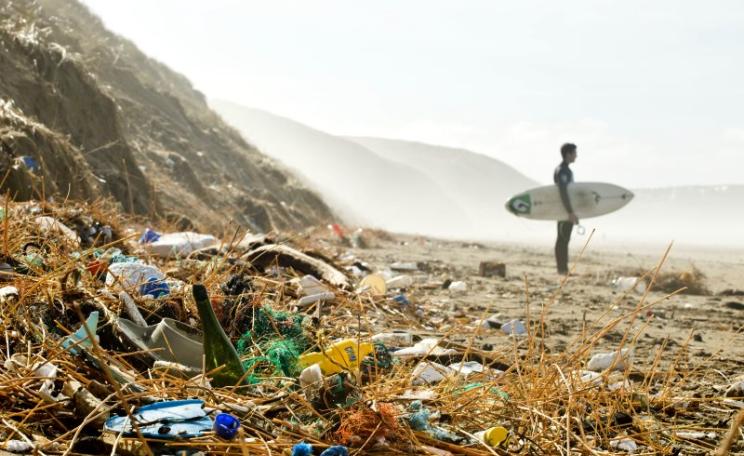
For 25 years, a group of eco-aware surfers have been campaigning for cleaner waves, writes Summer Brooks. SAS was founded in 1990 to tackle sewage discharges into UK coastal waters, and now, bigger and stronger than ever, they are turning their focus to the global problem of ocean plastic - both picking it up on our beaches, and pushing for long term, global solutions.
Already 60% of seabird species have plastic in their guts, often as much as 8% of their body weight. And with ocean plastic increasing exponentially, that figure will rise to 99% by 2050, threatening some birds' survival. Unless we act.
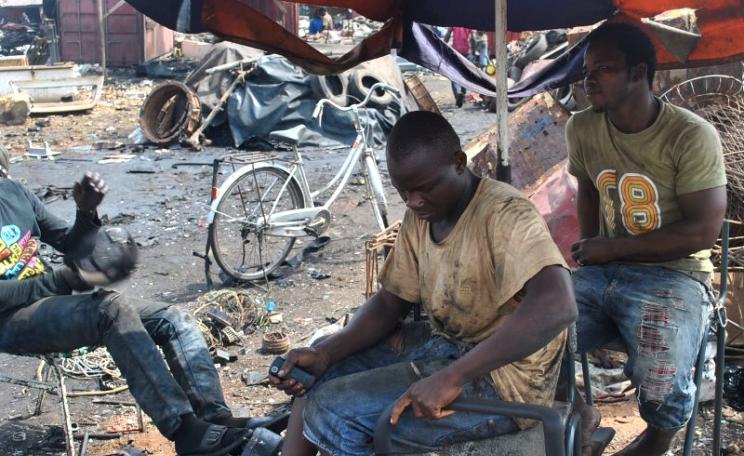
Most accounts of Agbogbloshie, the e-waste site in Accra, Ghana, persistently miss the point, writes Dagna Rams. Far from being a simple 'dump' for the world's trash, it is a huge recycling operation that pays for the wastes it receives, employs thousands of young men who would otherwise lack jobs, and plays a huge role in the national and global economy.
After 20 years of oil spills, deforestation, waste dumping and ill health, farmers and indigenous people in the the Ecuadorian Amazon have been fighting the Chevron-Texaco corporation. But despite its three times conviction and a $9.5 billion damages award to the victims, the oil giant looks no closer to making good its damage.
Three scientific expeditions into the Atlantic ocean will take place this summer, writes outdoor philosopher Kate Rawles. But as well as gathering data about plastic pollution and over-fishing, they will give participants the chance to think deeply about our society, its values, the often false narratives it tells; and our place, as humans, in the natural world.
As if melting ice in Polar bears' Arctic habitat was not enough, Norwegian scientists have found that organic pollutants such as pesticide residues are disrupting their thyroid and endocrine systems, adding a further threat to the species' survival.
Oxygen levels in our oceans are falling, writes Lee Bryant, producing growing 'dead zones' where only the hardiest organisms can survive. The causes are simple: pollution with nutrient-rich wastes, and global warming. But the only solution is to stop it happening - or wait for 1,000 years.
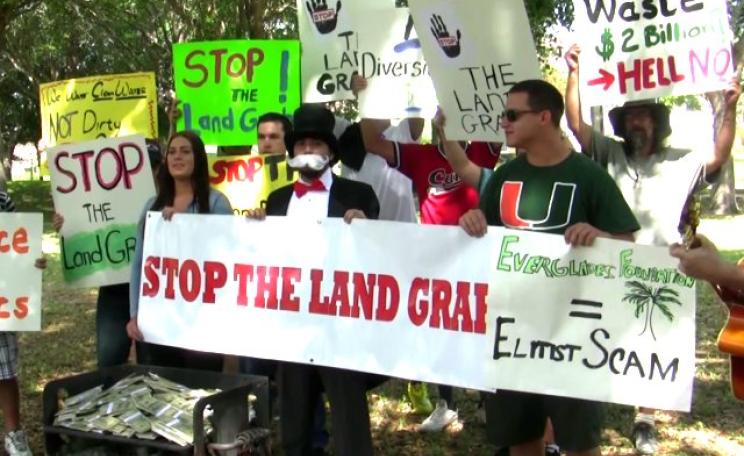
The Tea Party of Miami put up a convincing demo last week to oppose a 'land grab' that would see 46,000 acres of sugar farm land restored for Everglades conservation. Just one problem - the 'protestors' were actors each being paid $75 for the two-hour shift.
Iraq is working hard to remediate the environmental impacts of two Gulf wars and Saddam Hussein's chemical weapons programme, writes Wim Zwijnenburg. But it now faces new hazards deliberately caused by Islamic State - and is in desperate need of international support.
Some people like fixing things - others have things to fix. Repair cafés are a new global phenomenon that brings the two together, writes Jade Herriman - giving satisfaction to both, sharing skills, keeping stuff out of landfill, fighting 'designed obsolescence', and building communities sustained by mutual help.
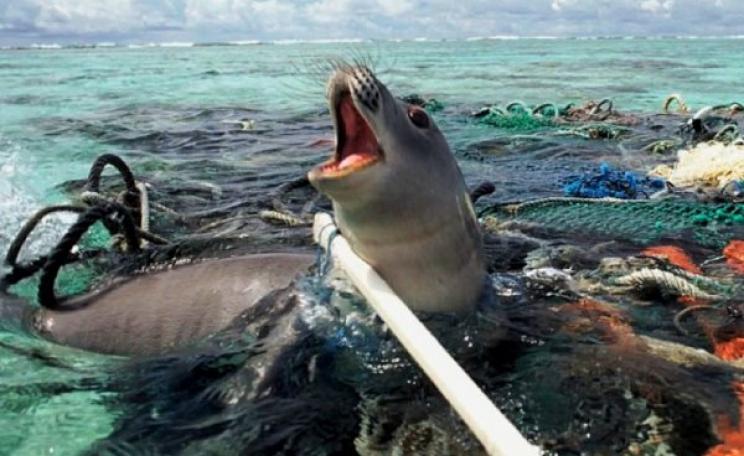
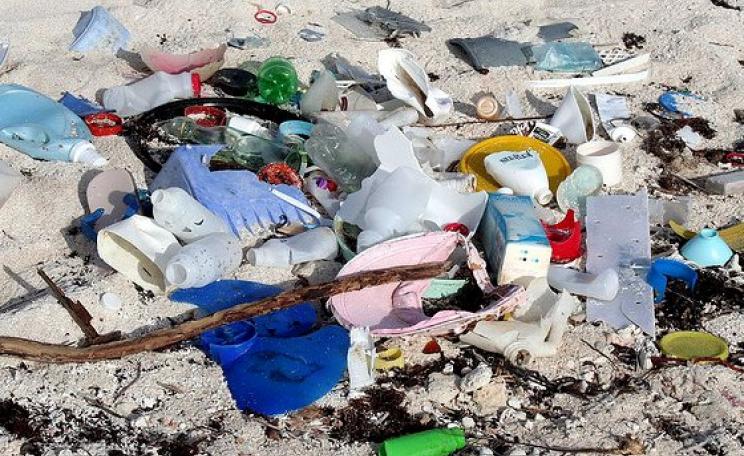
An unimaginably large volume of plastic debris is reaching the world's oceans every year, write Britta Denise Hardesty & Chris Wilcox - and it's set for a ten-fold increase over the next decade, adding to the already terrible toll on marine life from turtles to seals, sea birds and fish. The solution must be to give waste plastic value - if we can find a way.
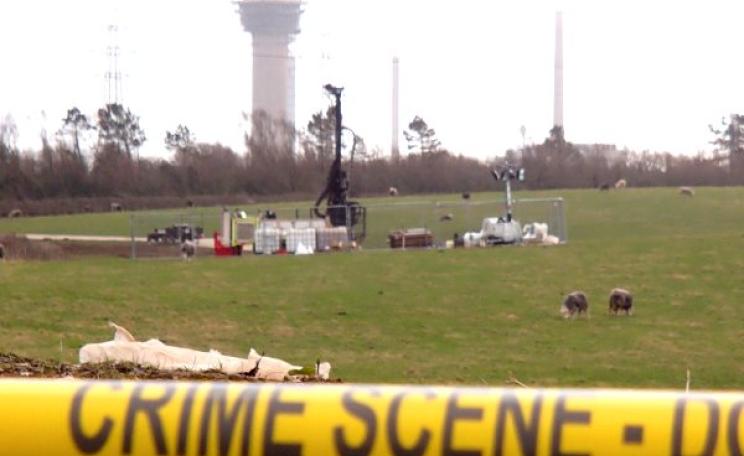
In the last act of the dying Parliament, MPs quietly voted to dump democratic planning processes to expedite a 'facility' for the high level nuclear waste in geologically fractured Cumbria, writes Marianne Birkby - so over-ruling strong and highly effective local opposition. Shame on them!
Modern industrial capitalism is based on a simple premise, writes Derrick Jensen: our mother Earth is a great store of raw materials for us to pillage, and a vast trashcan for our endless volumes of waste, no matter how long-lived and deadly. How can this be changed? First we must regain our own sanity.
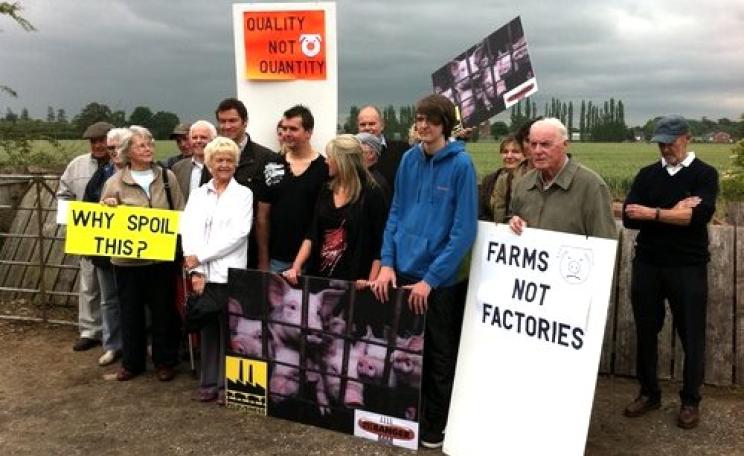
A proposed factory farm at Foston, Derbyshire, condemned by locals as a 'pig prison' for 25,000 animals has been refused a permit by the Environment Agency because of the powerful stench it would emit and potential risks to health and the environment.
Montana legislators have brushed off the attempts of farmers, ranchers and landowners to effect 'zoning' regulations to protect them, their land, their water and their livestock from the toxic impacts of fracking. Now they say: 'See you in Court!'.
On current trends the world will contain 33 billion tonnes of plastic by 20150, writes Mae Wan Ho, and much of it will litter the oceans, concentrating toxins and damaging marine life throughout the food chain. The alternative is to classify the most toxic plastics as 'hazardous waste', and for all plastics to be reused and recycled in 'closed loop' systems.
Straw is cheap, plentiful, eco-friendly and an excellent insulator, writes Pete Walker - and officially certified prefabricated straw bale building systems are challenging traditional brick construction. So why aren't straw bale houses mushrooming on building sites across the country? Maybe they are ...
If you live a green life, you'll also want a green death, writes Robert John Young. Sadly pollution, energy use and methane emissions mean there's no completely green way to dispose of your body. The good news is that a new 'fast composting' technique ticks all the boxes - but it's still under development.
Countries at the UN have agreed to start formal negotiations on a new 'legally binding instrument' to conserve the biological riches of the high seas that cover 45% of planet Earth, and ensure their sustainable use for the benefit of all mankind.
The European Commission has confirmed that it will drop its 'circular economy' package, writes James Crisp, in the face of protest by MEPs and environment ministers. The EC's insistence that a future version would be 'improved' - but in in unspecified ways - only raised suspicions of a deregulatory coup by Europe's dirtiest businesses.
For 16 years the Thai government has ignored the plight of a community where toxic lead mine waste is causing severe chronic poisoning - defying both a 2013 court order, and its international obligations. It's just one of many toxic sites across Thailand that need to be cleaned up - but the government's main concern is to encourage further industrialisation.