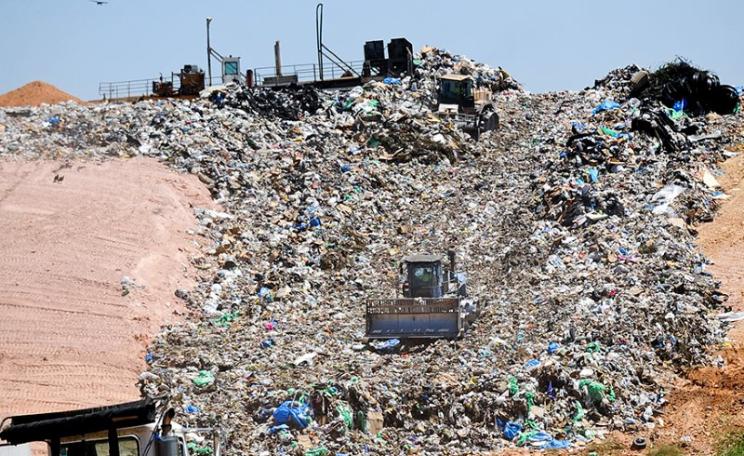
Last week's 'War on Waste' - throwaway coffee cups were the deserving target - was an exemplar of effective single-issue campaigning by Hugh Fearnley Whittingstall. But the answers to our waste problems go way beyond recycling. We must begin to plan a societal transition to a post-consumer culture of caring, sharing, and knowing when we have enough.
Hugh Fearnley Whittingstall has a done a great job exposing the scandal of Britain's billions of non-recyclable coffee cups, writes Rhodri Jenkins. But what about the coffee itself? The grounds can be used for everything from compost and biodiesel to boutique chemicals and supercapacitors - yet the vast majority of the world's 9m tonnes a year of waste coffee ends up in landfill.
The Chilcot report reveals that the UK has disclaimed any duty to decontaminate the toxic, radioactive ash left behind by its DU munitions, or even monitor the impacts on human health, writes Doug Weir. But Iraq and other countries are working towards a UN Resolution this October that would hold contaminating governments like the UK and the US legally accountable for DU pollution.
Australia's nuclear industry has a shameful history of 'radioactive racism' that dates from the British bomb tests in the 1950s, writes Jim Green. The same attitudes persist today with plans to dump over half a million tonnes of high and intermediate level nuclear waste on Aboriginal land, and open new uranium mines. But now Aboriginal peoples and traditional land owners are fighting back!
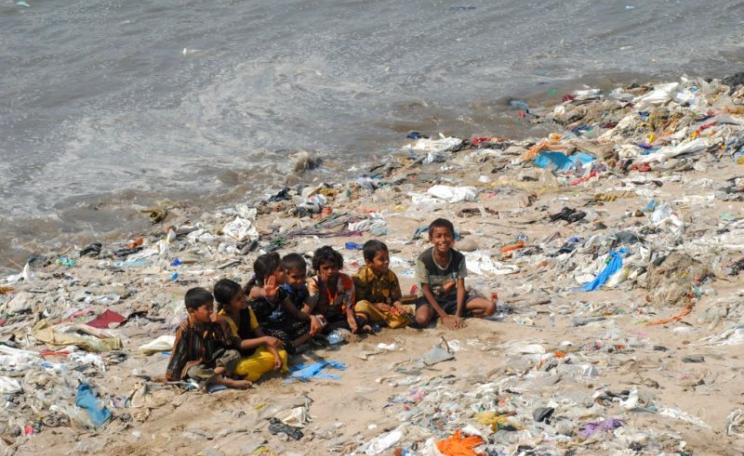
Plastic is ubiquitous around the world's oceans, writes Lesley Henderson, but although it's visible from space, it can be surprisingly elusive in the water - as she heard from Jo Ruxton, producer of the investigative documentary 'A Plastic Ocean'. Solutions to this growing hazard have also proved elusive to date, hence the film's strong focus on action: educational, cultural and legal.
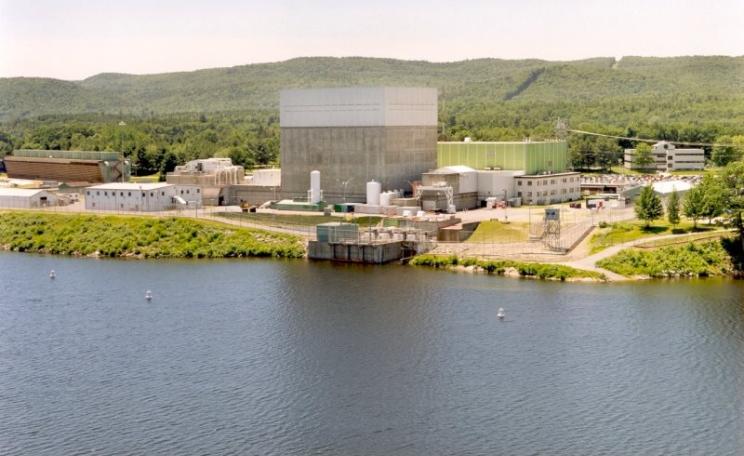
With five reactors closed in the last three years, the US nuclear industry is in shutdown mode, writes Linda Pentz Gunter - and that means big spending on decommissioning. But now the nuclear regulator is set to exempt owners from safety and emergency costs at their closed plants - allowing them to walk away from the costs and liabilities, and palm them onto taxpayers.
Britain is shipping 700kg of highly-enriched uranium capable of making scores of nuclear bombs to the US, writes Gordon MacKerron. The move is a symptom of a huge problem that's afflicting all nuclear nations - what to do with their nuclear wastes? The only real solution is deep geological disposal. But it's politically fraught, technically challenging, very expensive - and has yet to be done.
A legal principle dating from Roman times is ripe for use in protecting our waste-filled and over-exploited seas and oceans, writes Deb Wright. Under the 'Public Trust Doctrine' governments are entrusted to protect shared natural resources from abuse, and can be held accountable for neglect of their duties.
One of the biggest threats facing marine life is the 'microplastic' particles found in ocean ecosystems from bottom to top of food chains. Just back from a voyage of environmental exploration in the tropical Atlantic sampling the waters to build up a global picture of this ubiquitous pollutant, Ana Stanič writes of the joys and trials of life on the waves, and the need to keep our oceans clean.
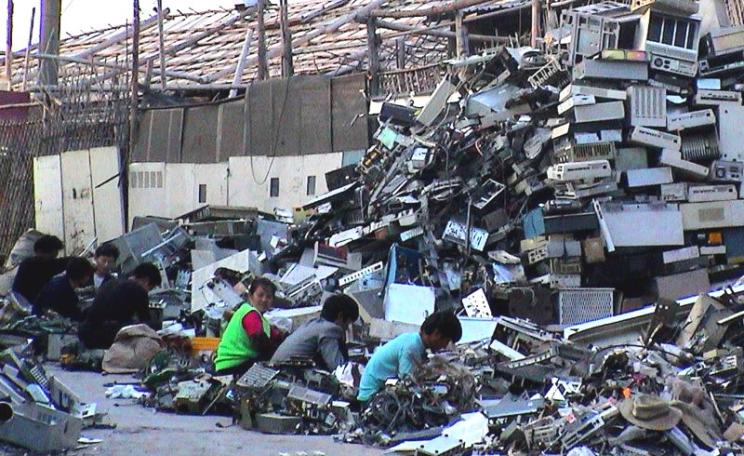
Our thirst for the latest gadgets has created a vast empire of electronic waste, writes Ian Williams. The EU alone produces some 9 million tonnes of it a year, of which some 70% is still working when disposed of, and over a third is disposed of illegally. With increasingly affordable electronic devices available to ever more people, it's high time for effective global regulation.
Official recycling rates in Russia stand at close to zero, writes Minna Halme. But my study of the potential to develop the sector uncovered widespread informal recycling networks, lurking in basements, stigmatised for supposed links to organised crime, barely tolerated by the authorities. And any ideas of legitimising the shadowy recycling operations are met with frosty official silence.
Long after we go extinct the human presence on Earth will be marked by a geological stratum rich in plastic garbage, according to a new study. Long-lived plastics are already widespread over the ocean floor, and there's a lot more on its way. Forget the 'Anthropocene' - the human era should rightly be called the Plasticene.
The EDF board is meeting tomorrow to reach its 'final investment decision' on Hinkley C. It was meant to be a rubber stamp but now it's anything but, as EDF's share price sinks to a new low, unions and employee directors harden their opposition to the project, and projects in France, Finland and China run way over time and cost with severe technical problems and safety concerns.
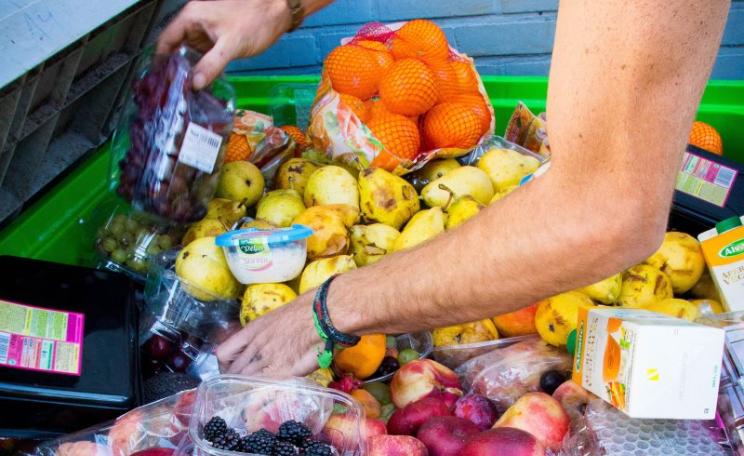
A third of all food that's produced in the world is thrown away. What's going on? Diana Moreno finds some answers in her own experience working in a German supermarket. Leading the list is the mind-numbing 'culture of rush' that permeates high-volume, low margin retailing, and which subjects workers and customers alike to the soul-less logic of the production line.
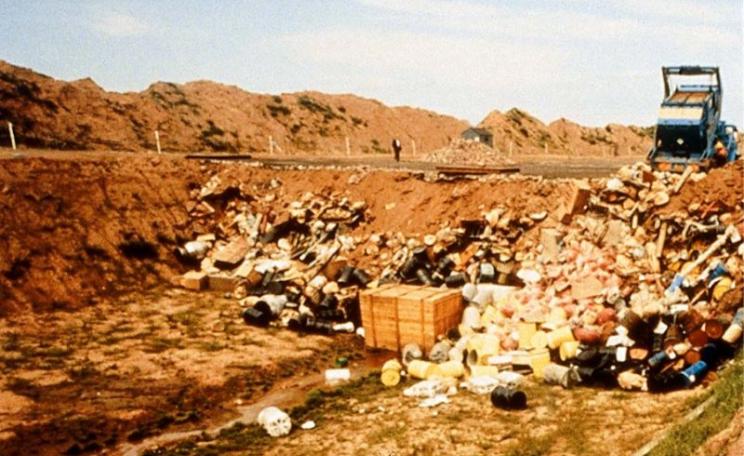
Following this month's intense rainfall in the north of England an Environment Agency alert has highlighted the flood risk to the crumbling nuclear waste dump adjoining Sellafield in Cumbria, writes Marianne Birkby - a dump which remains in use despite its condemnation by the EA in 2005 due to its likely destruction by rising seas. Now it really is time to close the gate on Drigg!
The apparent conspiracy by the UK government and its agencies to conceal the real cause of death of 7-year old Zane Gbangbola may go right up to Prime Minister David Cameron, writes Paul Mobbs. He was chair of the COBRA emergency committee at the time when it appears to have held back the truth that he was killed by cyanide from the toxic landfill site his home was built over.
There's a quick climate win for COP21 negotiators to ponder, writes Wilf Lytton - one that could convert a billion tonnes a year of CO2 into mineral form while neutralising caustic wastes like coal ash and slag. But first, industries and regulators must adopt a 'recycling' mentality to these hazardous materials, rather than the 'dump and forget' model that prevails today.
Brazil has suffered its biggest ever industrial disaster, write Ana Luisa Naghettini & Geraldo Lopes. Breached and overflowing dams have released a massive slug of toxic muds and tailings from iron mining into the country's fifth largest river system that provides drinking water for downstream cities, destroying ecosystems in rivers and vast areas of biologically fragile ocean.
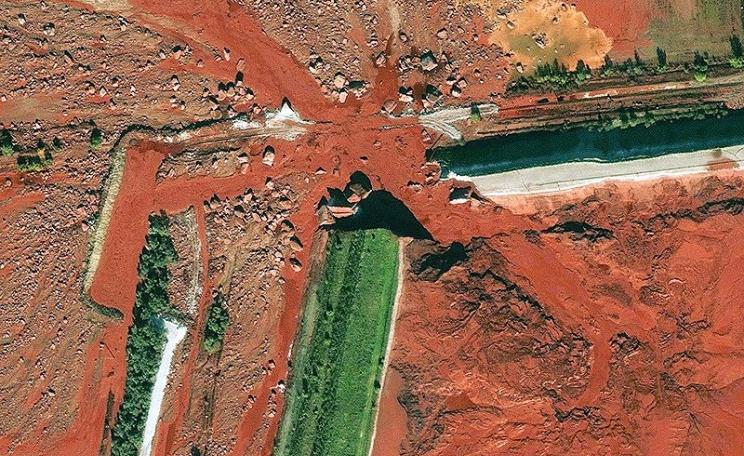
The world produces over a billion tonnes a year of dangerously caustic wastes, write Helena Gomes, Mike Rogerson & Will Mayes. They are currently being dumped, although they could be used to sequester a gigatonne of CO2 from the atmosphere - while also yielding minerals essential for key renewable energy technologies.
Landfill sites, giant hog farms, incinerators and other 'bad neighbor' industries in the US tend to be situated in African American communities, writes Heather Kathryn Ross. The Environmental Protection Agency is legally obliged to prevent 'environmental racism', but from California to Michigan, low-income communities of color have been waiting years for it to take a stand. Now, backed by Earthjustice, they are forcing the issue - in the courts.
It was all going so well for Chevron - a New York court had ruled that a $9.5 billion judgment against it set by Ecuador's supreme court for massive pollution deep in the Amazon was corrupt and fraudulent. But then its star witness broke ranks and admitted, in another court, that he had lied, and the only bribes were coming from Chevron. Will Ecuador's pollution victims finally get justice?
Vultures are superbly adapted creatures for the essential role they play, efficiently disposing of the mortal remains of millions of dead animals, writes Louis Phipps. Yet we humans appear to be doing our best to kill them off - creating a vast hazardous waste problem that's costing us billions.
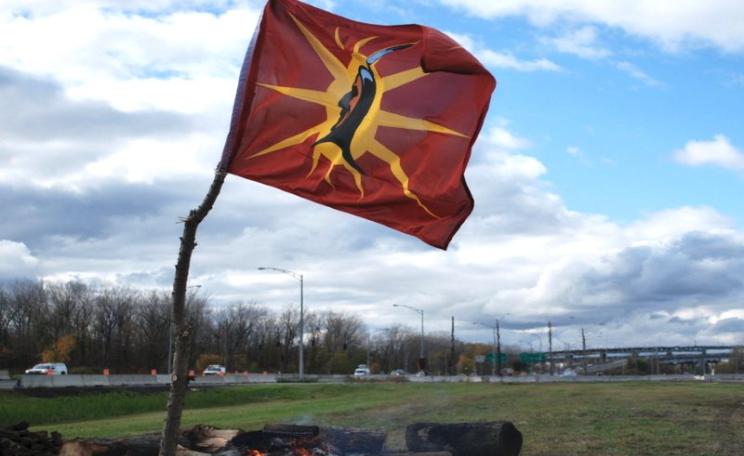
Members of the Mohawk Warrior Society have intervened to stop the dumping of raw sewage in Canada's St Lawrence river, lighting a large bonfire at a key railway junction to warn Montreal's Mayor off his plan.
There are two rules about the end costs of nuclear power, writes Ian Fairlie. It's far more than you ever knew. And whatever sum of money was ever set aside, it's nowhere near enough. Germany understands this. That's why it refused to let E.ON spin off its nuclear liabilities into a hands-off company. But the UK, it seems, has lost the ability to learn from its nuclear mistakes.