Ideas to protect the UK’s natural resources and reduce waste and pollution have been published in the government’s long-awaited 25-year plan. But campaigners fear the proposals are not strong enough, CATHERINE EARLY reports
We live in a throwaway society. Innovation in the tech industries mean ever more powerful products come to market. But the death of repair shops and a culture of reliance is not simply the result of shiny new things. Corporations, and capitalism itself, requires planned obsolesce, argues STEVEN GORELICK
A third of food produced globally is wasted - with over 2 million tonnes of fresh fruit and veg each year never reaching a shop shelf in the UK. This level of waste is staggering, especially when we consider all the energy and resources that went into producing the food in the first place. ILANA TAUB is on a mission...
A collapse in the price of uranium has not yet stopped Australian mining company GME from trying to press ahead with a massive open-pit uranium mine on an Arctic mountain in southern Greenland, writes Bill Williams - just returned from the small coastal town of Narsaq where local people and Inuit campaigners are driving the growing resistance to the ruinous project.
The ability to repair malfunctioning machinery from toasters and computers to bicycles and lawnmowers is essential to avoid all the waste, expense and pollution of dumping consumer goods prematurely, write Christine Cole & Alex Gnanapragasam. Many of us how no idea how to even begin doing that, but a new 'repair revolution' is sweeping the UK and other countries, with free-to-attend pop-up parties where you can learn the skills and fix your broken stuff.
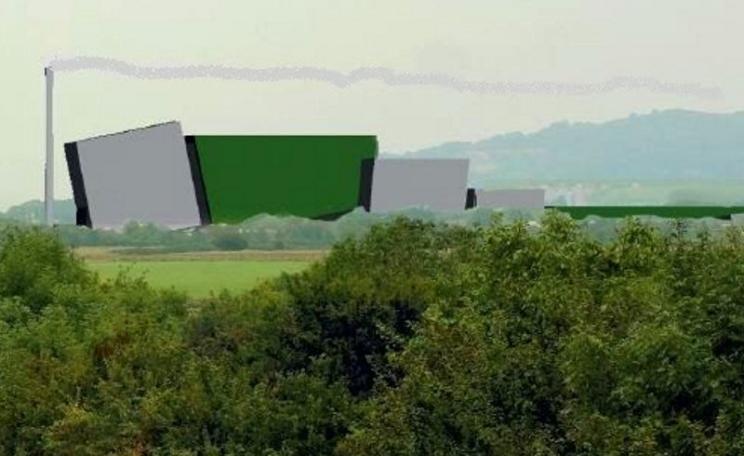
Activists in Gloucestershire are battling to block the construction of a massive incinerator that they see as a blight on the landscape, costly, polluting, wasteful and undermining recycling, writes Dan Hinge. Now the fight, backed by superstar actor Jeremy Irons, just entered a new phase after a tribunal forced the County Council to reveal essential details of the contract it had signed.
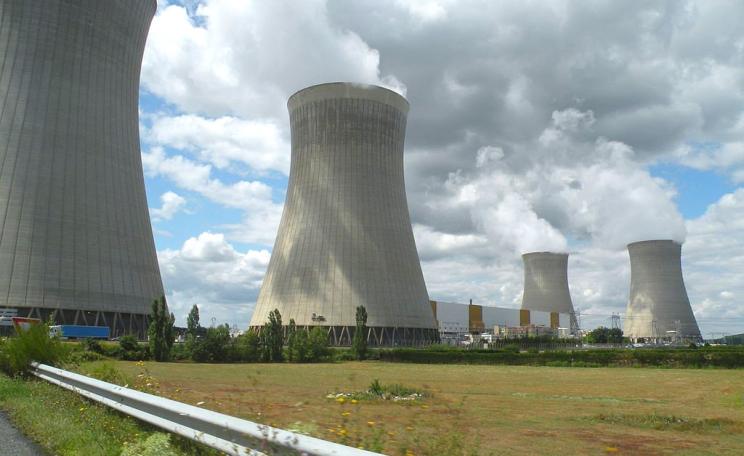
Soon EDF will have to start the biggest, most complex and costliest nuclear decommissioning and radioactive waste management programme on earth, writes Paul Dorfman. But whereas Germany has set aside €38 billion to decommission 17 nuclear reactors, France has set aside only €23 billion to decommission its 58 reactors. When the real costs come in, they could easily bankrupt the company.
Britain's trade in waste plastic to the Far East is booming. But it's not good news. The exported plastic is meant to be recycled under UK conditions and standards, but often is not, undermining bona fide UK recycling firms who face falling prices, reduced turnover, collapsing profits, and all too often, closure.
A Greenpeace investigation has exposed the massive efforts of global food and drink giant Coca Cola to defeat popular proposals to require deposits on single-use plastic bottles, writes Maeve McClenaghan. In fact, deposit schemes are working fine in many countries in which the company operates - it's a simple case of corporate profit before environment, oceans and wildlife.
Renewable energy, without doubt, is both driving and shaping the clean global economy of the future, writes Jeremy Leggett. But don't forget its equally essential partner: closing the consumption loop to create a truly circular economy in which there is no longer any such thing as 'waste', only resources we are not yet smart enough to use.
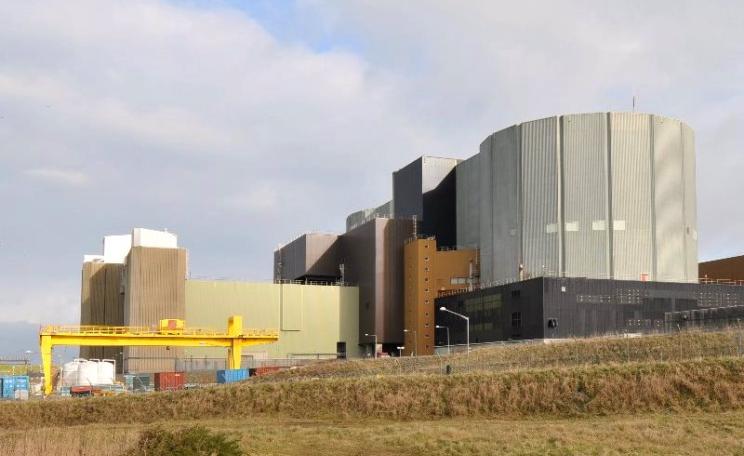
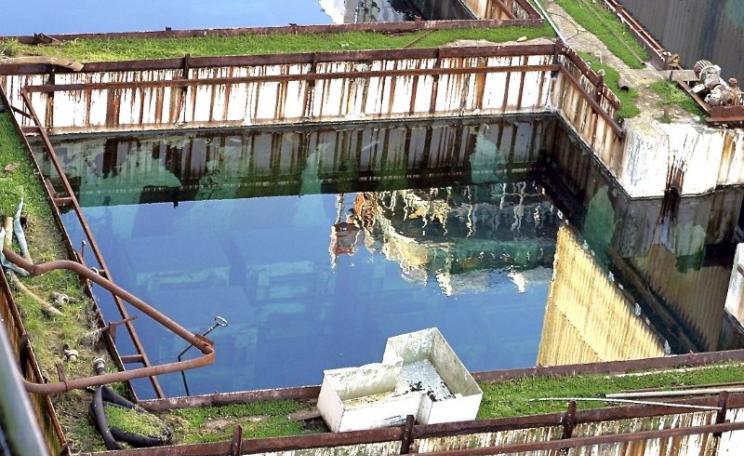
While the government is cutting vital public expenditure across the board there's one industry for which no costs are too great, writes Martin Forwood. The price of an 'evaporator' at the Sellafield nuclear complex is escalating towards £1 billion, while billions more of taxpayer finance are being lined up to finance cooling systems, power lines and transport links for the adjacent Moorside new-build nuclear power plant.
Article 6 of the Euratom Treaty provides for nuclear industry practices to be rejustified in the light of new scientific evidence of harm to health, writes Chris Busby. We now have that evidence, in particular that radiation exposure even at very low levels causes severe and heritable genetic damage to people and entire families. Now, we must use the law to protect our health from radiation!
A 350-member Citizens' Jury convened to decide on whether a massive nuclear waste dump would benefit South Australia just gave the plans a big 'No!', writes Ian Lowe. SA Premier Weatherill must drop his attempt to reverse that decision with a referendum, and accept the jury's well informed, democratic verdict.
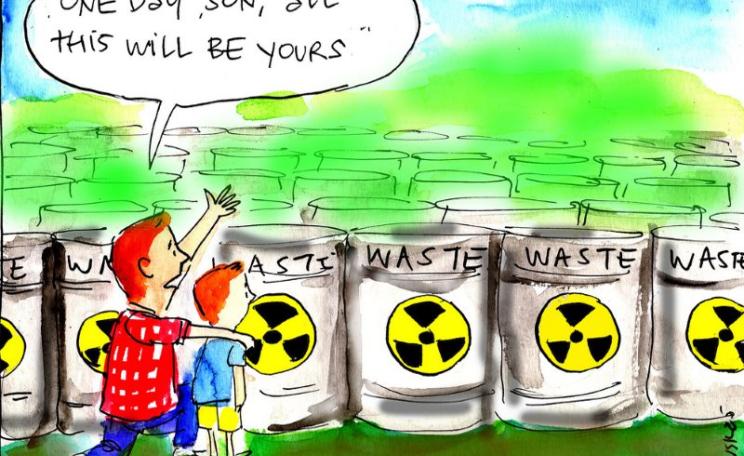
The long term problems of what to do with nuclear waste remain entirely unsolved, writes Andrew Blowers. Yet governments and the nuclear industry continue to peddle their untenable 'bury and forget' policy of deep geological disposal, which only unloads the toxic legacy of modern day nuclear power and weapons onto uncountable future generations.
An officially convened 350-strong Citizens' Jury has decisively rejected South Australia's plans to import over half a million tonnes of high and intermediate level nuclear waste for long term storage, writes Jim Green. This has dealt a powerful blow against the project from which it is unlikely to ever recover, and represents a major victory for campaigners, indigenous Australians and economic sanity.
As the nuclear juggernaut drives the destruction of the Cumbria coast at Sellafield with nuclear waste dumps, boreholes, dredged-out rivers and a massive new nuclear power station, Marianne Birkby recalls ancient legends of the Woodwose, the Green Man, and the Beast of Beckermet. Can these forces of untamed nature be called upon to combat the growing nuclear menace?
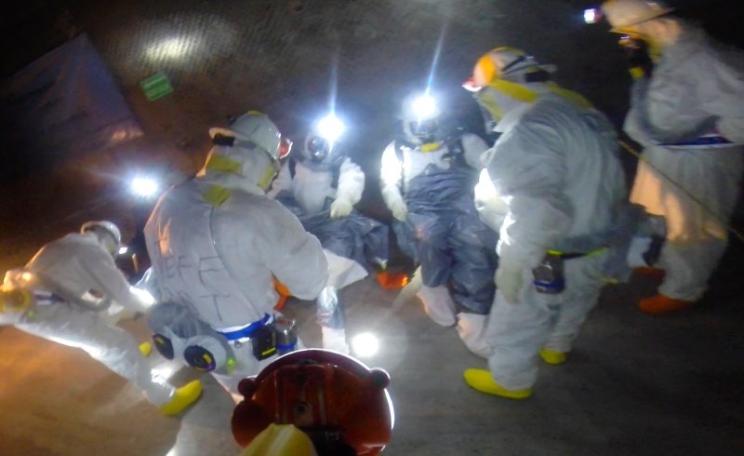
The clean-up after the February 2014 explosion at the world's only deep underground repository for nuclear waste in New Mexico, USA, is massively over budget, writes Jim Green - and full operations won't resume until at least 2021. The fundamental cause of the problems: high level radioactive waste, poor regulation, rigid deadlines and corporate profit make a dangerous mix.
Last night's BBC Panorama programme did a good job at lifting the lid on Britain's ongoing nuclear disaster that is Sellafield, writes Ian Fairlie. But it failed to expose the full scandal of the UK's 'reprocessing' of spent fuel into 140 tonnes of plutonium, enough to build 20,000 nuclear bombs - while leaving £100s of billions of maintenance and cleanup costs to future generations.
The shocking death of Zane Gbangbola, killed by toxic gas from a 'forgotten' landfill under his home, exposes the UK's dangerous legacy of contaminated land, writes Paul Mobbs. Without action, these polluted sites will damage health and even kill for centuries to come. But governments, local authorities, landowners and developers are united in a shameful policy of silence and denial.