After 12 successive months of record high global temperatures, yet another record has been broken, writes Tim Radford: the lowest May sea ice extent ever observed in the Arctic - over half a million square kilometers under the previous low, set in 2004.
The Rampal coal power plant in Bangladesh, near the world's greatest mangrove forest, is a deeply misconceived project that must be abandoned, writes Johan Frijns in this Open Letter to the Exim Bank of India - which is planning to finance its construction. It would severely damage the precious local environment and wildlife, while adding to global climate change and sea level rise.
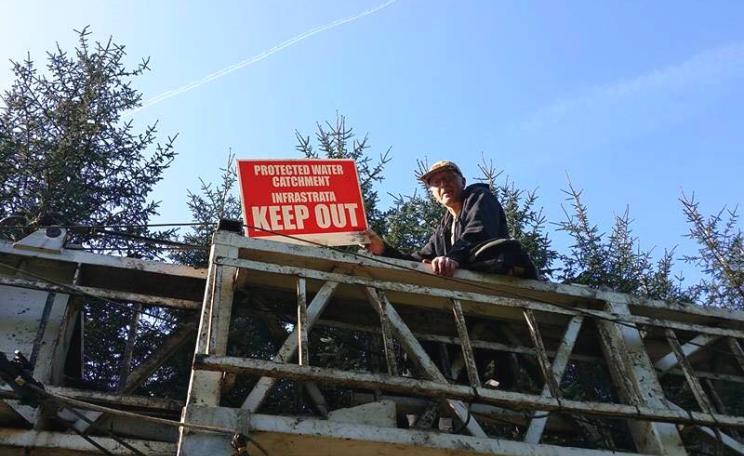
Local people are furiously trying to stop a fracking company from drilling near a drinking water reservoir serving tens of thousands of homes, after Northern Ireland planners failed to block Infrastrata's claim for 'permitted development' rights.
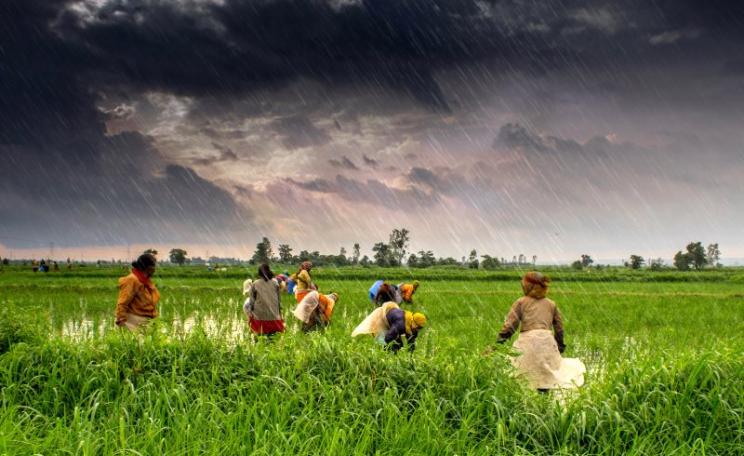
The corporate war on traditional farming is nowhere fiercer than in India, writes Colin Todhunter. After decades of the 'Green Revolution' that have impoverished the nation's soils, water, biodiversity and cultivators alike, agribusiness is poised for its final strike. But now the small scale farmers who produce most of the country's food are rediscovering ancient agroecological alternatives.
UK water voles face an uncertain future after widespread habitat loss and predation by American mink, write Emily Thomas and Nida Al-Fulaij. But you can help by joining a UK-wide monitoring scheme run by the People’s Trust for Endangered Species that's recruiting nature-loving volunteers to survey local lakes, rivers, ditches and streams for signs of these lovable but elusive creatures.
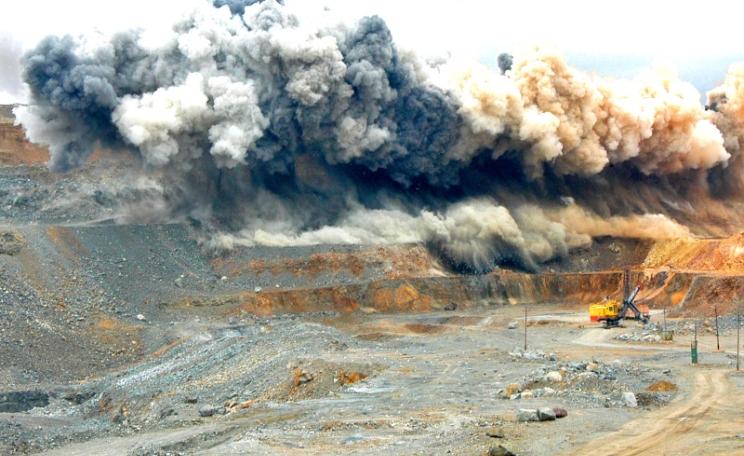
Almost entirely unknown to the outside world, and even to most local residents, hundreds of square kilometres of South Africa's Karoo dryland have been bought up by uranium mining companies, writes Dr Stefan Cramer. With no strategic assessment of the industry's devastating impacts and massive water demand, official permission could soon be granted for vast open pit mines.
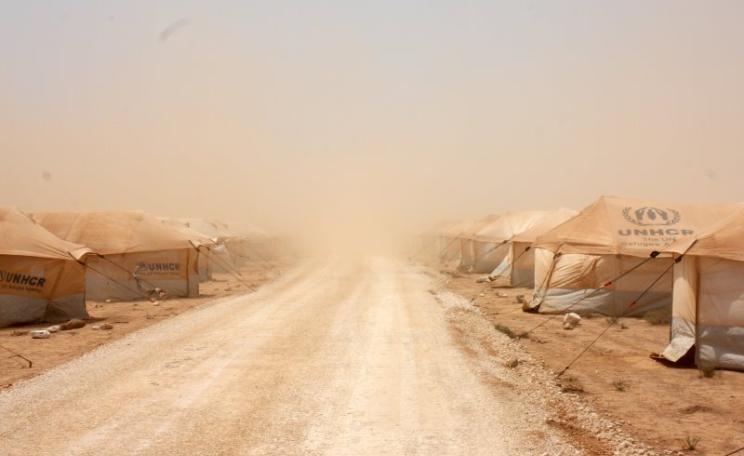
Since 1948 Jordan has taken in millions of refugees from Palestine, Iraq and most recently Syria, writes Doug Weir. Politically and economically the country has proved astonishingly resilient - but the population increase has caused huge damage to its fragile environment. Ecological degradation, pollution and resource scarcity may cause political instability unless more is done to tackle the problems.
The latest country to be hooked under 'free trade' agreements is Colombia, writes Pete Dolack, sued for tens of billions of dollars by US and Canadian gold mining companies for valuing its national parks and the high-altitude Andean wetlands that provide 70% of the nation's water above the profits of foreign corporations. Free trade or clean water? You can't have both.
Disregarding revelations of systemic political corruption in Brazil's hydropower sector, President Dilma Rousseff is ploughing ahead with a cascade of giant dams on the mighty Tapajos river. Among the companies touting to win huge construction contracts are France's EDF and Engie, and Germany's Voith and Siemens - in a consortium led by Brazil's Electrobras, which stands accused of high-level corruption over four other dam projects.
Less than two weeks after the murder of Honduran eco defender Berta Caceres, another indigenous leader has been shot dead during the violent police and military eviction of 150 families from the settled community of Rio Chiquito. International funders of the controversial Agua Zarca hydro project are now backing out..
A dusty film of pollution is muting the reflective whiteness of Greenland's pristine icecap and making it vulnerable to accelerated melting rates, writes Tim Radford. And as warming continues, the declining reflectivity of the ice is accelerating the process.
The indigenous Wampis people of the Peruvian Amazon have demanded the immediate closure of a Petroperú oil pipeline after a series of devastating spills, writes Vanessa Amaral-Rogers. The company has already been found guilty of 'negligence' after previous oil spills contaminated the Wampis land and rivers.
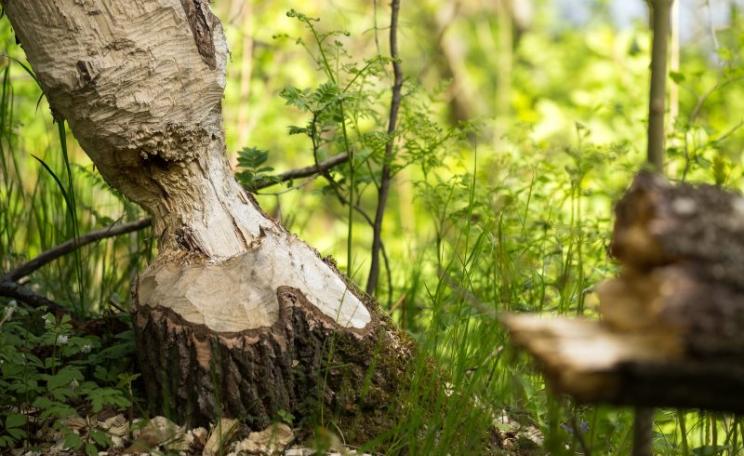
After beavers' reintroduction to Scotland, landowners have accused the native rodents of damaging the environment, causing floods, and worse, writes Louise Ramsay. But the public have rallied to the cause of these charming, beneficial creatures, leaving conservative landowners isolated. Could the shift in sentiment trigger long overdue change in the Scottish countryside?
As if Iraq has not suffered enough under Saddam Hussein, the vicious UN sanctions regime, the US-UK occupation and the depradations of Daesh, a new threat looms that could kill a million people or more, and destroy Baghdad and a string of other cities along the Tigris river. The porous rocks beneath the Mosul dam are dissolving away and the entire edifice could collapse at any moment, releasing 11 cubic kilometres of water.
An encounter with a Colombian shaman led Peter Bunyard on a spiritual journey into and beyond the living, breathing, transpiring Amazon rainforest, providing key insights into the essential role of the great tropical forests in the workings of Gaia. He emerged re-energised from his visions - and inspired to redouble his efforts to save our wondrous planet.
Beavers are Britain's native aquatic engineers and their return to sites in Scotland and England is doing wonders for the local environment, write Nigel Willby & Alan Law: restoring wetlands, recreating natural river dynamics and ecology, filtering farm pollutants from water, and improving habitat for trout and other fish.
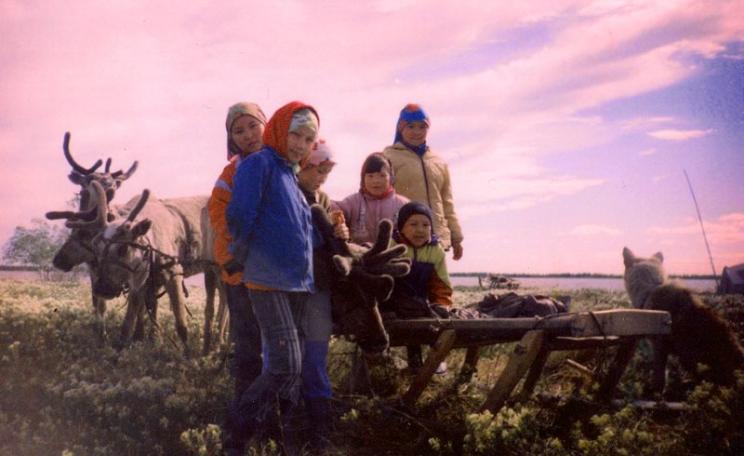
A vital nature preserve in western Siberia, and the indigenous peoples that inhabit it, are at risk from oil development, write Elena Sakirko & Konstantin Fomin. Oil giant Surgutneftegas is already active in the Numto Park, but now they want to extend operations into its fragile wetlands, putting at risk snow cranes, the Heavenly Lake, and the survival of the Nenet and Khanty peoples.
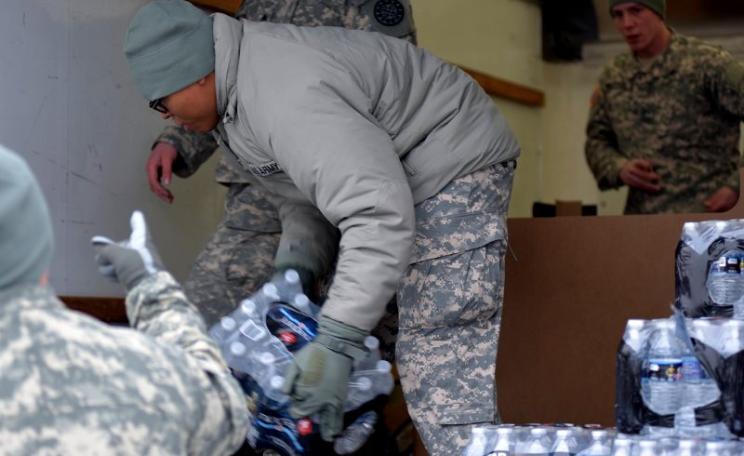
Amid the growing call for those guilty of causing Flint, Michigan's water crisis to be prosecuted, Jane F. Barrett finds little prospect of criminal charges under the Safe Drinking Water Act. But federal, state and common laws offer prosecutors a range of potential charges, from malfeasance, misfeasance and nonfeasance to involuntary manslaughter.
The Flint water crisis exposes like nothing else the toxic cynicism of America's ruling class, writes Jesse Jackson. In their privileged view, the victims of the lead poisoning are disposable 'unpersons' that matter less than General Motors' auto parts. But now they, and their peers in other poisoned communities, are fighting back.
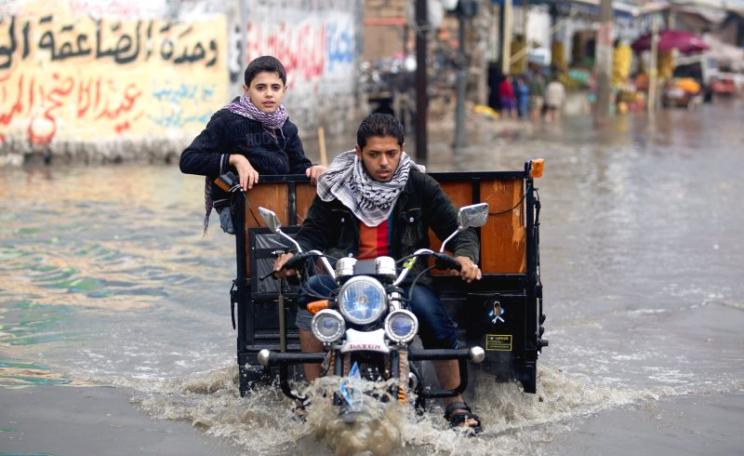
The humanitarian crisis in Gaza has worsened after floods and purposeful destruction has taken its toll in recent months, writes Vanessa Amaral-Rogers. The eight year blockade by Israel and conflict with Egypt has already hit Palestinian families hard but now Gaza is at even greater risk as Egypt diverts seawater into life-line tunnels.
The origin of life has long been the deepest of mysteries, writes Chris Busby. But in fact, the spontaneous arising of life from molecules in Darwin's 'warm little pond' is the inevitable result of their selective energisation by quantized infra-red radiation. Now, some four billion years after life first developed, precisely the same processes continue to drive the operation of all living systems at a cellular level.
Environmental injustice is deeply embedded in American attitudes, says Robert D. Bullard, and the lead pollution of Flint's water is but the latest example of an unconscious yet pervasive discrimination against poor and minority communities across the US. Only with strong, deliberate and effective leadership can the EPA and other regulators overcome their prejudices.
To save a small amount of money residents of Flint, Michigan, have been forced to consume hazardous levels of lead in their drinking water, writes Farron Cousins. Just the moment for the Republican House Speaker to attack the Clean Water Act.
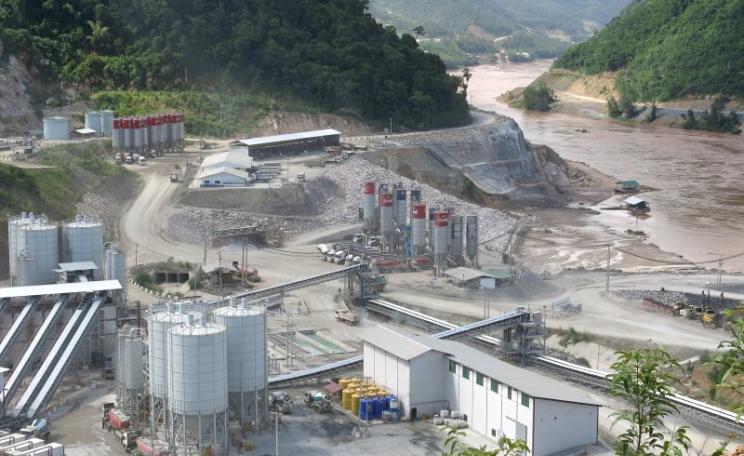
Dam builders have a new mantra, writes Tom Fawthrop: 'sustainable hydropower'. Repeated at every opportunity, it is based on the unproven idea that large dams can be made 'sustainable' by promising future 'mitigation'. And so it is at the Don Sahong dam in Laos which is about to devastate the mighty Mekong and the 60 million people who depend on it for food and livelihood.