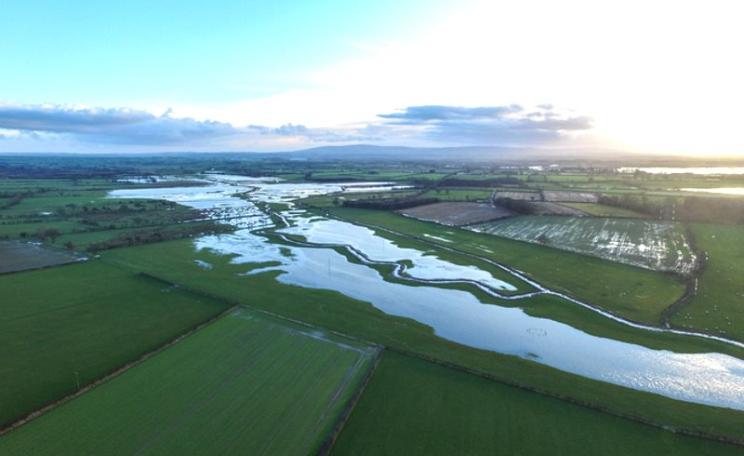
Changes to natural drainage processes in headwaters, rivers, floodplains and river channels has increased the UK's vulnerability to heavy rainfall, write Neil Entwistle & George Heritage. And to put things right, we must first gather the detailed evidence of what took place in recent floods. The Environment Agency must publish all its data, maps and images - now!
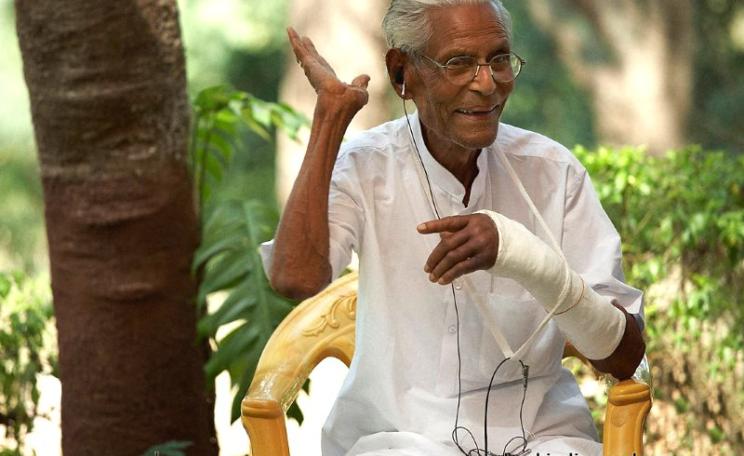
Bhaskar Save, the 'Gandhi of natural farming', died last year after a lifetime of organic growing and determined campaigning against the destruction of India's traditional, sustainable agriculture, writes Colin Todhunter. His 2006 open letter, published here, sets out a devastating critique of industrial agriculture and its impacts, and an eloquent and timely agroecological manifesto.
Which of hand dryers or paper towels have the greatest impact on the environment? asks Simon Lockrey. Are your paper towels recycled or tree-pulped, your dryers power-hungry and long-blowing or short-blast and power-saving. Only full Life-Cycle Analysis can reveal the true punches these seemingly harmless items can deliver to our environment.
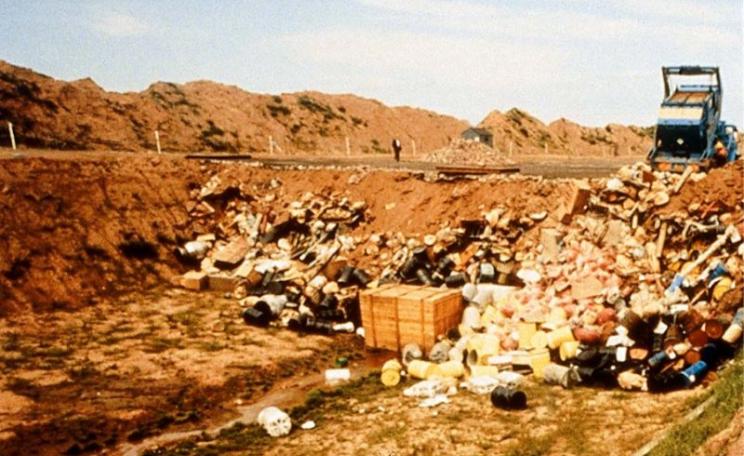
Following this month's intense rainfall in the north of England an Environment Agency alert has highlighted the flood risk to the crumbling nuclear waste dump adjoining Sellafield in Cumbria, writes Marianne Birkby - a dump which remains in use despite its condemnation by the EA in 2005 due to its likely destruction by rising seas. Now it really is time to close the gate on Drigg!
As climate change brings more rain, Britain is suffering from the extinction here of our native flood engineer - the beaver. Louise Ramsay says it's high time to re-introduce these charismatic rodents all over Britain.
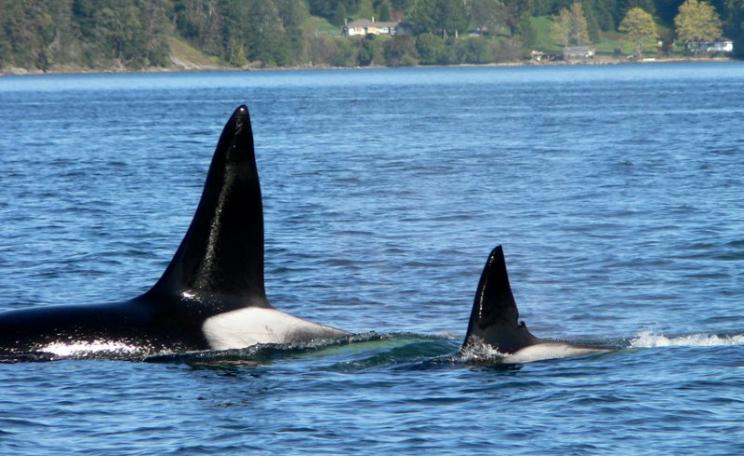
Orcas from Puget Sound and the Strait of Georgia are under threat,in large part due to toxic organic compounds in the marine food chain, writes Sierra Rayne. To give them a fighting chance, the nearby community of Victoria, British Columbia must install advanced sewage treatment - rather than just dump its wastewater largely untreated into the orcas' ocean home.
The key to reducing the risk of more floods like those in Carlisle is to realise that conventional 'flood defence' can never provide security against the ever more extreme weather events that global warming will bring. We must embrace natural solutions to holding back flood waters: more trees; and bring back the beavers!
Native wild beavers in their natural range are meant to receive stringent protection under European and Scottish law, writes Louise Ramsay. But farmers have declared 'open season' on the small but growing population, shooting them at will, while the Scottish Government and its wildlife agency look the other way.
We cannot rely on governments in meeting in Paris to solve the many-headed climate problem, writes Vandana Shiva. It's up to us to safeguard the future of the Earth, and of our own and other species. So let's all join in this pact to love and protect our one and only home.
New research warns that rising temperatures will reduce the mountain snow in 97 major river basins worldwide, writes Tim Radford - cutting summer water supply to 2 billion people in lowland areas who depend on the meltwaters.
Brazil has suffered its biggest ever industrial disaster, write Ana Luisa Naghettini & Geraldo Lopes. Breached and overflowing dams have released a massive slug of toxic muds and tailings from iron mining into the country's fifth largest river system that provides drinking water for downstream cities, destroying ecosystems in rivers and vast areas of biologically fragile ocean.
India's neoliberal government is attempting the mass seizure of indigenous lands, commons and forests in order to hand them over for corporate exploitation with mines, dams and plantations, writes Pushpa Achanta. But tribal communities are rising up to resist the takeover, which is not only morally reprehensible but violates India's own laws and international human rights obligations.
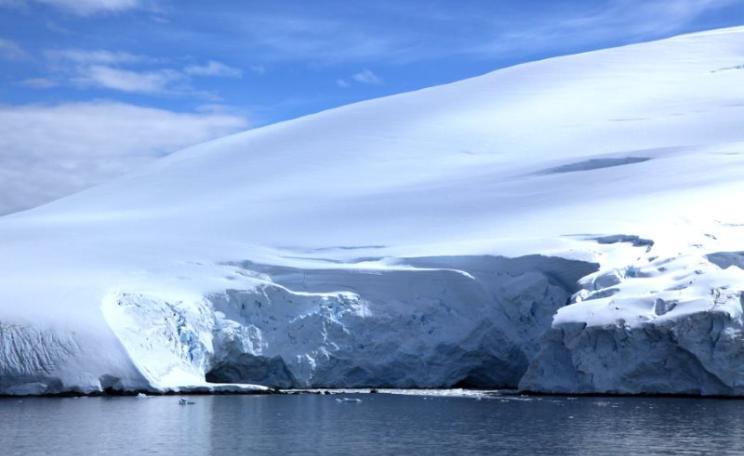
Antarctic glaciers are famously losing ice around the margins of the continent, writes Maria-José Viñas. But a new study from NASA shows that those losses are offset three times over by ice thickening in central Antarctica, causing sea levels to drop. However the net ice gain may run of steam in coming decades.
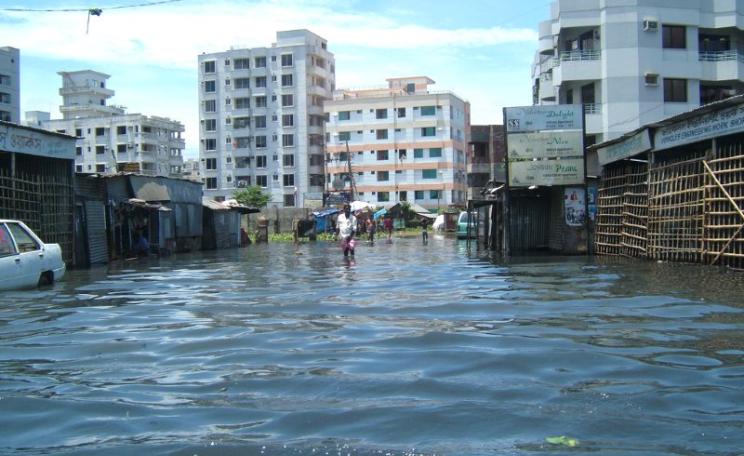
Climate change will impact the world in many ways, writes Matthew Blackett. Some of them may be good, like more rain in African drylands and coral atolls adapting to rising seas. But most of them - like coastal flooding, long term drought, earthquakes and stronger tropical storms - will be very challenging. We must increase the resilience of the most vulnerable countries without delay.
Resistance is growing in Todos Santos, Baja California, to a tourism and University campus mega-development of 4,500 homes that claims to be 'free range and locally sourced', writes Viviane Mahieux. It has already grossly disfigured one of Mexico most gorgeous beaches, while locals fear it will drain their aquifers and obliterate a harmonious community.
As indigenous activists opposing hydropower dams on their territories gather this weekend in the rainforests of Sarawak, Malaysia, they have good news to celebrate, writes Rod Harbinson: a giant dam on the Baram river has been put on hold. But the forests are still being logged, local people have been stripped of land rights, and a programme of 12 giant dams is still official policy.
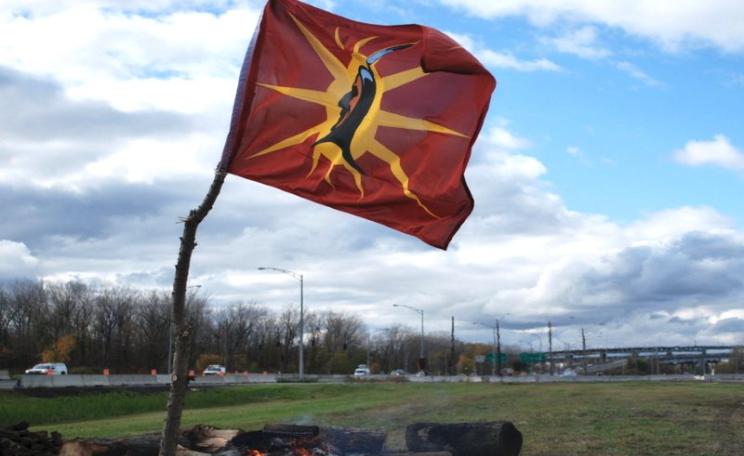
Members of the Mohawk Warrior Society have intervened to stop the dumping of raw sewage in Canada's St Lawrence river, lighting a large bonfire at a key railway junction to warn Montreal's Mayor off his plan.
Sue Lloyd Roberts, the brilliant investigative journalist who died yesterday, was a unique phenomenon in the BBC, writes Oliver Tickell - fearless, rooting out the dirtiest of secrets, fighting the cause of the oppressed, abused, exploited and downtrodden. Now the BBC must keep her mission alive with a new, independent unit dedicated to human rights worldwide.
The impending renewal of the license for a uranium mine in Nebraska has ignited a years long resistance among those - most of them women - for whom good health and safe, clean water in the Ogallala aquifer is as important as life itself, writes Suree Towfighnia. But for others, jobs and money come first. Now the Nuclear Regulatory Commission must reach its decision.
Disastrous water pollution from gold mines in El Salvador has united government and people to oppose new metal mines, writes Lynn Holland. In Central America's most water scarce country, the imperative is to keep lakes, rivers and streams clean and wholesome. But there may be a heavy price to pay, with a Canadian mining company pressing a $300 million 'compensation' claim.
Water is life, writes Javan Briggs. And it belongs to all of us. California's water shortage is caused, not by 'drought', but by massive long term over-pumping. And as the crisis worsens, the response under the 'water as property' model is just to pump all the harder. We must manage water as a commons - to sustain us all, not to profit the few.
Something scary is lurking in the melting Arctic permafrost, write Tim Radford & Oliver Tickell: 1,700 Gt of carbon. That's 53 years worth of current emissions, and if we let it melt the impact would cost the world $43 tn. Or act now, and we could preserve the Arctic ice for a seventh as much.
Longer than England, almost as deep as the Grand Canyon, Russia's Lake Baikal is one of the world's greatest aquatic wonders, writes Bryce Stewart. But it's a fragile paradise: the limpid waters are warming much faster than the global average, with as yet unknown effects on its ecology. And it faces the danger of a huge dam on its principal tributary, Mongolia's Selenga River.
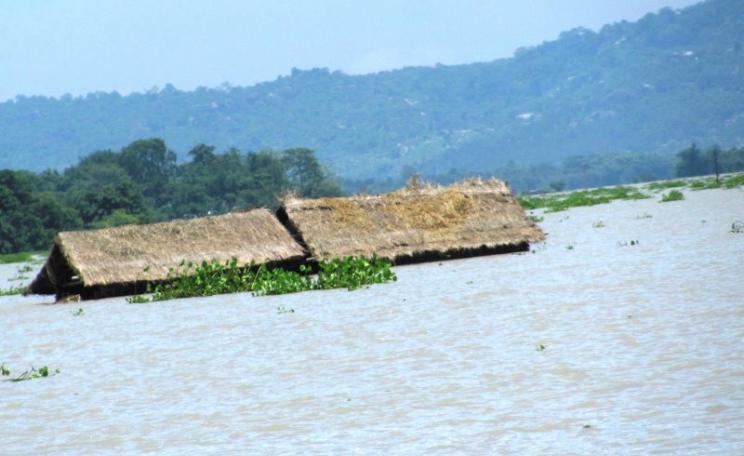
India's tea capital, Assam, has been hit by devastating floods for the second time in three years, writes Sneha Krishnan. But the government has failed to address key environmental issues like deforestation and soil conservation, or involve local communities in developing solutions. So ever more fertile land is lost to erosion, and millions of the country's poorest people suffer.