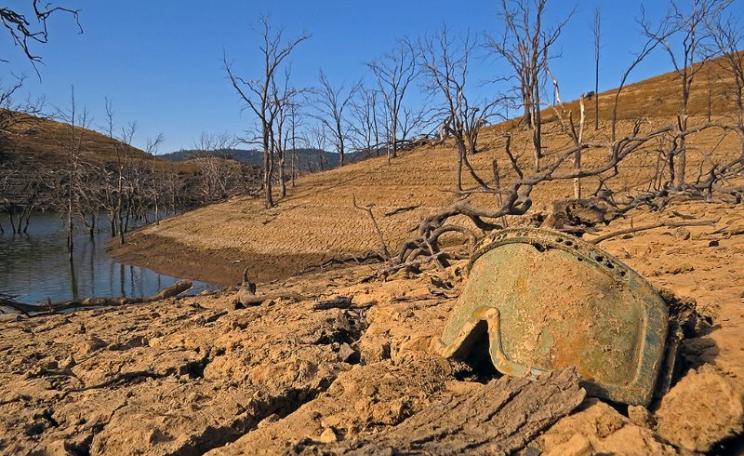
The lack of snow in California's Sierra Nevada is historically unprecedented, write Valerie Trouet & Soumaya Belmecheri. It's also seriously bad news for the state's water supplies - and may be an indicator of even worse to come in a warming world.
It sounded wonderful: a futuristic 'garden bridge' across the Thames dripping with flowers and foliage, writes Will Jennings. But really it's a private enclosure of valuable public space, mature trees and views, backed by £60m of taxpayers money, that delivers no benefits to London's wildlife, environment or transport needs.
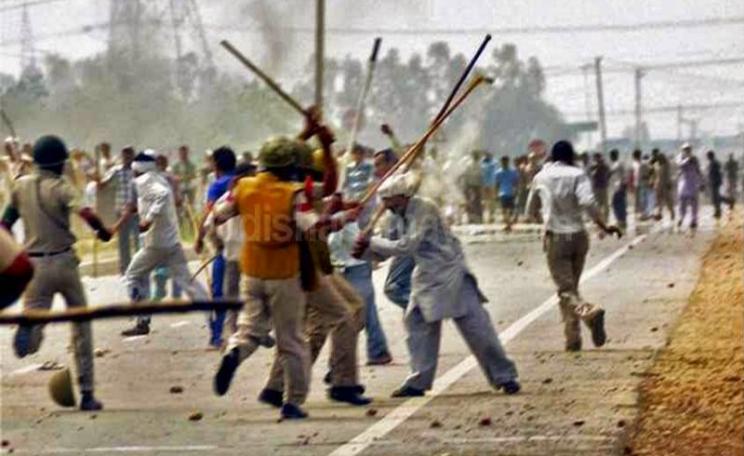
President Modi is determined to sweep away 'obstacles to growth' including the laws that allow marginalised communities to challenge the confiscation of their lands and forests for dams, mines and other 'development' projects, writes Arpitha Kodiveri. If proposed 'reforms' are enacted, the only remaining avenue of dissent may be one of armed conflict.
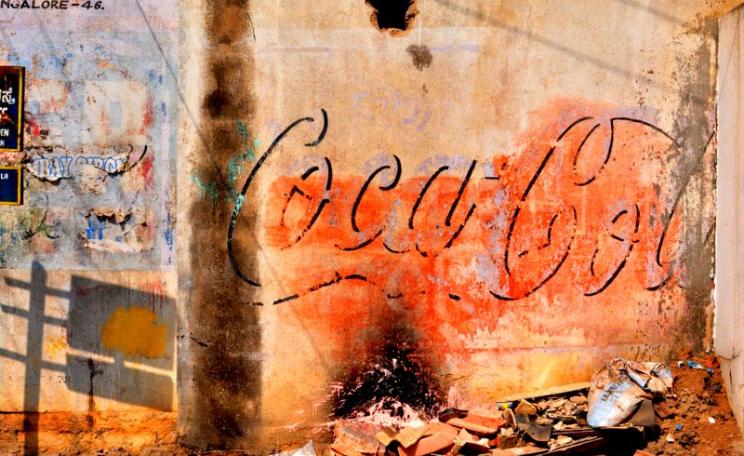
Following a series of disastrous failures in India, one of Coca-Cola's most important markets, the company is desperate to rebuild its reputation by claiming 'water neutrality'. But the idea is absurd, writes Amit Srivastava, and does nothing to benefit the communities that suffer from the depleted aquifers it pumps from.
As World Water Week kicks off in Stockholm today with a theme of 'Water for Development', the drought being deliberately inflicted on Palestinians is firmly off the agenda, writes Laith Shakir. While Israelis water their lawns, irrigate crops and swim in Olympic-sized pools, Palestinian communities a few kilometers away are literally dying of thirst.
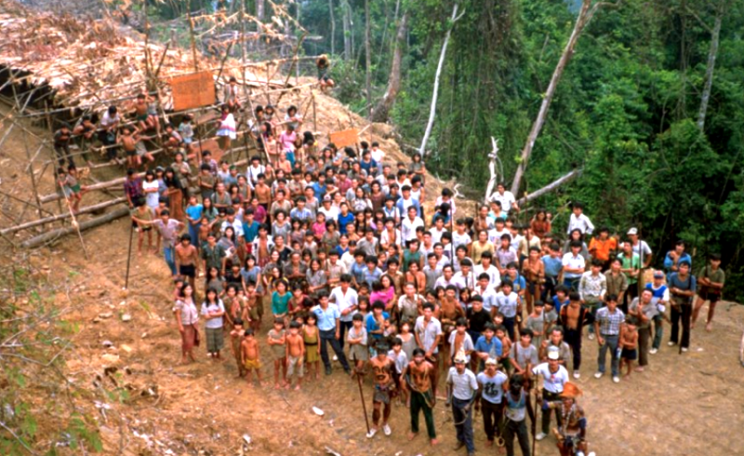
Malaysia is pushing ahead with its plans for a devastating series of 12 dams in the rainforests of Borneo that will kill a billion trees, bring death to wildlife on a stupendous scale and evict tens of thousands of indigenous people and their communities, writes Jettie Word. Now a new film honours their struggle for land, forest and freedom.
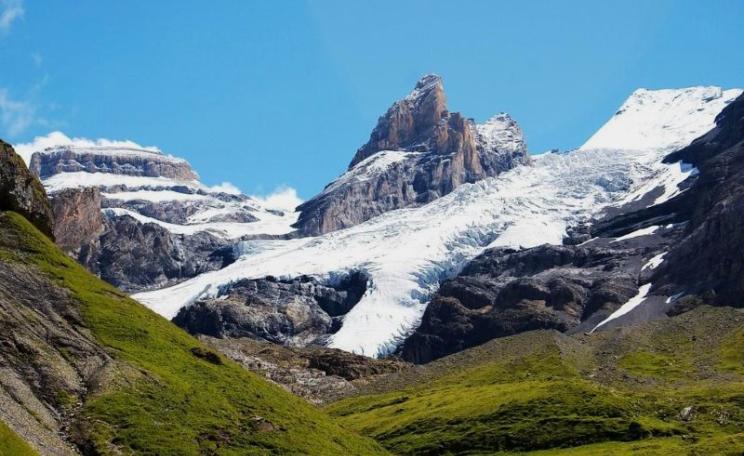
Glaciers around the world are melting on a scale without precedent in recorded history, writes Alex Kirby. Measurements of over 5,000 glaciers show that they have been retreating so fast so far this century that even if climate is stablised, the ice losses will continue for years to come.
While households and small feel the brunt of California's drought, it's business as usual for agribusiness, writes Will Parrish. And despite the 'first user' principle that determines water rights, the state's indigenous tribes and the wild salmon on which they depend, have been left high and dry. The Public Trust Doctrine could change that - but only if the people demand it.
Human existence relies on healthy soils, writes Jane Rickson. But all over the world they are being lost and degraded by inappropriate land use, reducing their capacity to produce food and store water, nutrients and carbon. Sustainable land management must be incentivised to conserve this essential resource.
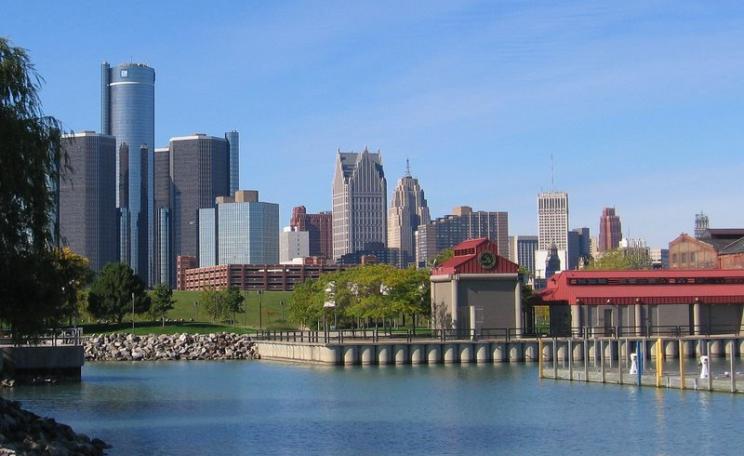
Detroit is the site of a neoliberal experiment that's already being repeated elsewhere, writes Chris Grove, with unpayable debt used to force the privatization of public services and the terminate democratic power and accountability. But as the city's poor find themselves cur off from water, a new, wider conception of human rights is emerging from the wreckage.
In the battle to save America's real wild west of unlogged forests, grizzly bears, mountain goats, Bull trout, free flowing streams and roadless wilderness, a single person stands out, writes Jeffrey St Clair, for her dedication, courage and remarkable success: Arlene Montgomery of Friends of the Wild Swan, Montana.
California's drought is a harbinger of things to come around the world, writes Maude Barlow. Because of global warming, yes - but also because the Golden State is an exemplar of the 'water as property for corporate profit' neoliberal paradigm that's taking over the world. It's now essential to assert water as a Commons - to be both justly shared, and fiercely protected!
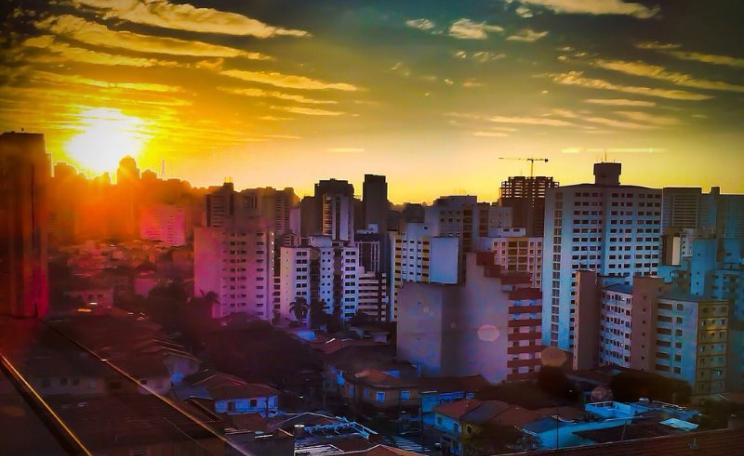
After four years of low rainfall Brazil's commercial capital, Sao Paulo, is suffering from a grim combination of high temperatures and water shortages, writes Leila Carvalho. And now the drought has given rise to a lethal plague of dengue fever.
Residents of Ecuador's Galápagos islands are mounting angry protests against government plans to open the World Heritage Site to foreign investment in luxury tourism and hotels, writes Jane Shaw. They fear for the fragile ecology of the islands, for water shortages caused by golf courses and swimming pools, and for their livelihoods which depend on current 'low intensity' tourism.
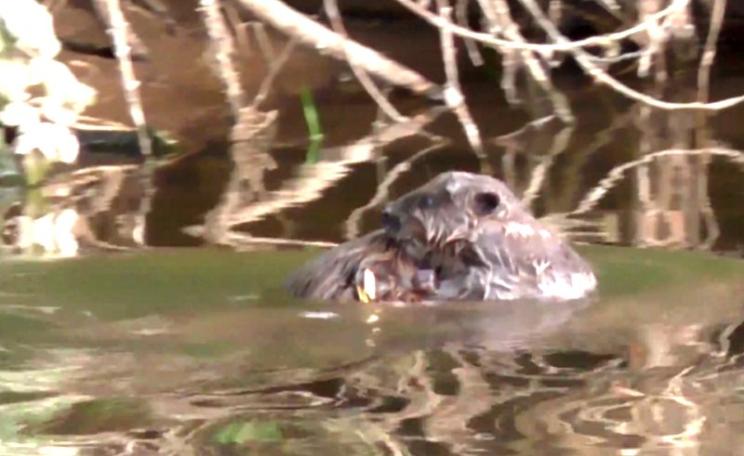
Soon after Devon's wild beavers on the River Otter escaped capture by zealous officials, they have given birth to two or even three kits - a clear indicator that they are happy in their habitat, and there to stay!
Sarawak state in Malaysian Borneo already has an excess of electricity from existing hydropower dams - so why is the government determined to build a dozen more, displacing indigenous communities and flooding vast areas of rainforest? The answer, says a new documentary film by The Borneo Project, is simple - massive political corruption.
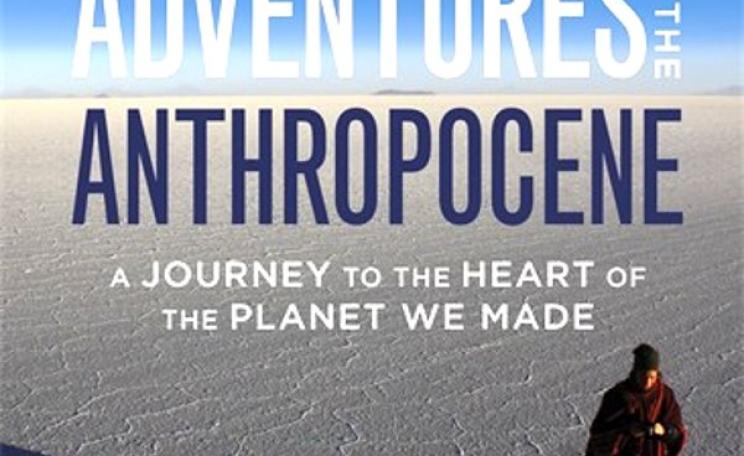
Gaia Vince's remarkable book is far more than a litany of the problems of global warming and mass extinction, writes Robert Hunziker. It's also an inspiring account of how people can respond to such crises in wonderful, imaginative, creative ways, achieving seemingly impossible tasks from seeding glaciers in the Himalayas, to holding back the desert with dew.
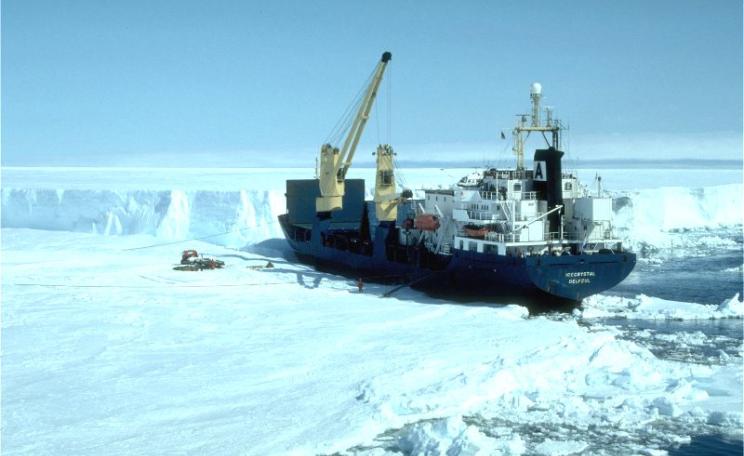
A dramatic shift has taken place in the glaciers of the southern Antarctic peninsula, writes Bert Wouters. Six years ago these previously stable bodies suddenly stated shedding 60 cubic kilometres of ice per year into the ocean. A stark warning of further surprises to come?
First the Pepsi-Cola bottling company in south India caused outrage by depleting groundwater. Next it was found to be operating without valid permits.Then as protests grew the company won a High Court order giving it police protection. Now locals are vowing to keep the plant shut for good.
The military targeting of civilian infrastructure, especially of water supplies, is a war crime under the Geneva Conventions, writes Nafeez Ahmed. Yet this is precisely what NATO did in Libya, while blaming the damage on Gaddafi himself. Since then, the country's water infrastructure - and the suffering of its people - has only deteriorated further.
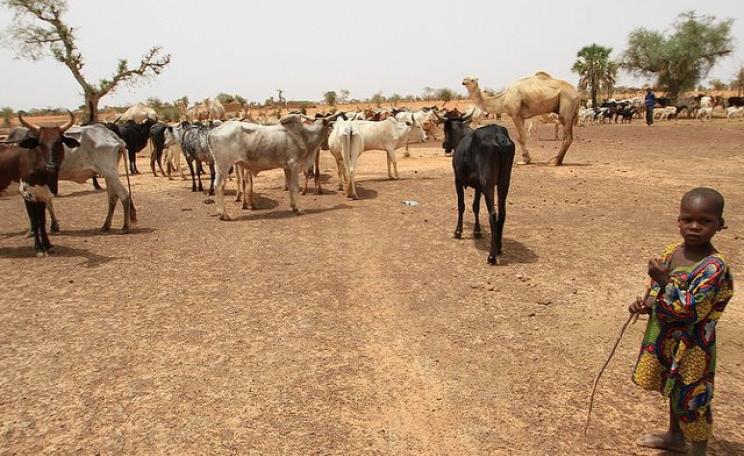
Food and water shortages and sharp price hikes in the necessities of life are driving civil unrest and rebellion across the Middle East and North Africa, writes Nafeez Ahmed. Adding to the problem, many of the afflicted countries are of strategic importance for their oil and gas, putting them on the front line of destabilizing 'counter-terrorism' operations.
Ignoring cries of protest from impoverished communities and fierce international criticism, Detroit will begin to serve water shut-off notices on some 25,000 households tomorrow as it prepares to privatise its water department.
Fed up with being gouged by profit-driven corporations, let down by state neglect and under-investment, urban communities across the US are taking control of local services like public transport, energy, water, internet and telecoms, writes Max Holleran - bringing better service, lower prices and clean energy.
A spate of hydroelectric dam building in Nepal means that future earthquakes could send inland tsunamis flooding down the steep mountain valleys, writes Michael Buckley. Disaster was averted in last month's quake - a badly damaged dam was not yet filled. But despite the risks and the damage to river ecology, tourism and rural livelihoods, there's no sign of any policy shift.