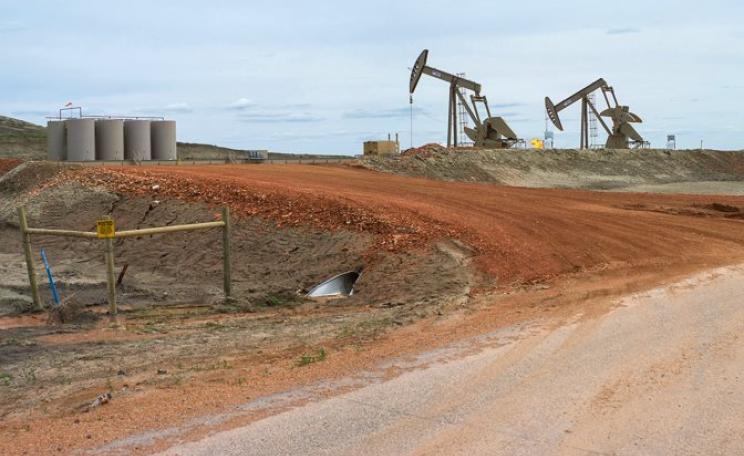
The fracking boom has caused massive vegetation loss over North America's rangelands, writes Tim Radford, as 3 million hectares have been occupied by oil and gas infrastructure and 34 billion cubic metres of water have been pumped from semi-arid ecosystems.
The more EU politicians try to look in control of the Mediterranean refugee emergency, the more it's obvious they aren't, writes Assaad W. Razzouk. A key driver of the crisis is climate change, which is causing drought across North Africa. Europe must now tackle the root causes of the crisis, and admit its own culpability in precipitating it.
Not satisfied with seizing Palestinian land and water, Israeli settlers in the West Bank have found a new way to enrich themselves at their neighbors' expense - by stealing their fertile soil and transporting it to their own farms and gardens.
Local campaigners fearful of water shortages and industrial pollution have forced state authorities to cancel an unpopular plan to allocate land for a Coca-Cola bottling plant in Tamil Nadu, India.
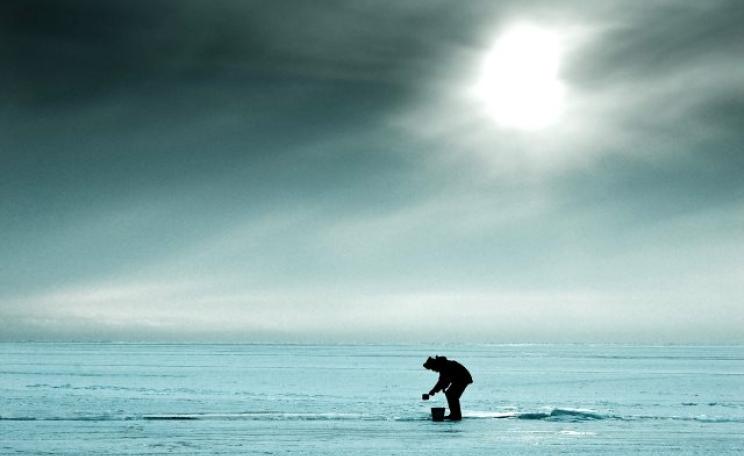
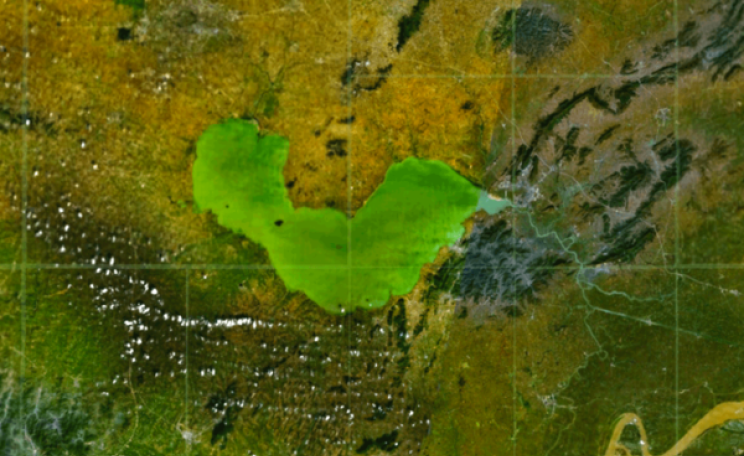
Russia's Lake Baikal is under threat by a massive dam and pipeline on the main river that feeds into it, that would supply mines with power and water, writes Anson Mackay. In line to fund the project? The World Bank.
Private water companies have never been more aggressive in their sabotaging of efforts to 'make water public', writes Satoko Kishimoto, with legal threats and challenges launched under 'free trade' agreements. But as citizens worldwide reject corporate water profiteering, the trend of water re-municipalisation has gathered unstoppable momentum.
Now it's Argentina's turn to be sued in a secret 'free trade' court run by the World Bank, writes Nick Dearden. After bringing a profiteering water company that was missing all its service and quality targets back into public ownership, the country has been ordered to pay $405 million 'compensation'.
When Michael Buckley took a white water rafting trip in Tibet in 2005, he had no idea of the adventure he was embarking on - a ten-year investigation of China ruthless exploitation of Tibet's mineral and hydroelectric resources, and its systematic attack on indigenous Tibetans, their culture and their survival on the land.
The Tea Party of Miami put up a convincing demo last week to oppose a 'land grab' that would see 46,000 acres of sugar farm land restored for Everglades conservation. Just one problem - the 'protestors' were actors each being paid $75 for the two-hour shift.
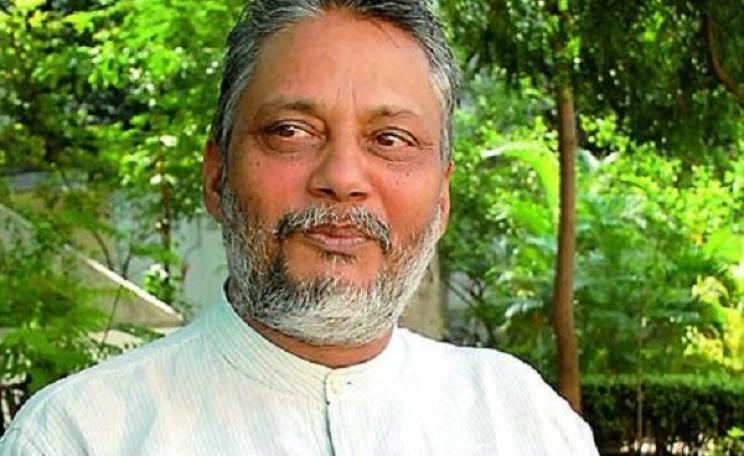
The revival of traditional rainwater harvesting has restored flow to rivers in India's driest state, Rajasthan - thanks to the tireless efforts of Rajendra Singh, recent winner of a Stockholm water prize. And as Pramila Krishnan discovered in a fascinating meeting, Singh's techniques, and his philosophy, are of truly global significance.
California has responded to the drought by rationing water, with $500 fines for domestic 'water wasters', writes Evan Blake. But agribusiness and water-intensive industries like fracking remain untouched by the restrictions, even though they consume over 90% of the state's water.
In the last act of the dying Parliament, MPs quietly voted to dump democratic planning processes to expedite a 'facility' for the high level nuclear waste in geologically fractured Cumbria, writes Marianne Birkby - so over-ruling strong and highly effective local opposition. Shame on them!
For over two years the small community of San José del Golfo has maintained a 24-hour barricade against the US-owned mine El Tambor that threatens to destroy their land and water. The non-violent resistance, led by women, is transforming the traditional 'macho' culture, and attracting support across Guatemala, and beyond.
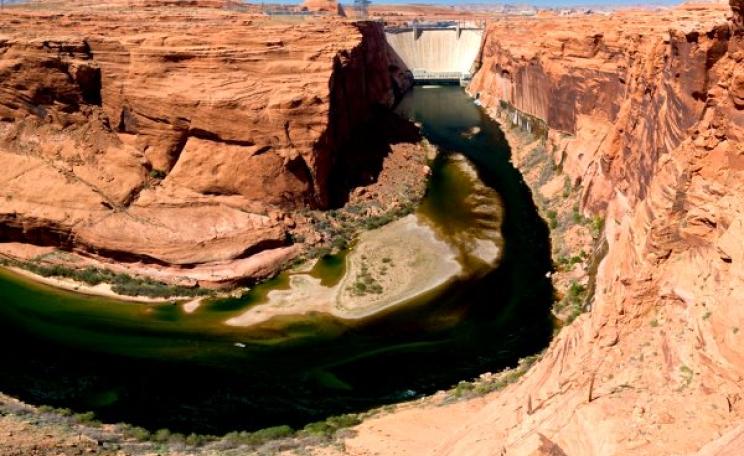
Drought is returning Lake Powell, impounded behind the Glen Canyon dam on the Colorado river, back to desert, writes Grant A. Mincy - and a fine thing too! As nature turns billions of dollars of infrastructural abomination to junk, this creates the chance to reclaim our commons and recreate ravaged ecosystems.
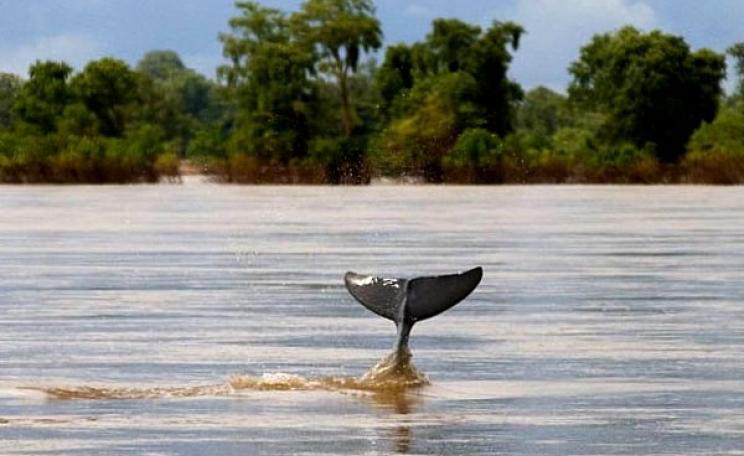
Over 18 million people live off the natural bounty of the The Mekong Delta, writes Tom Fawthrop - the source of huge annual harvests of fish, rice, fruit, and one of the world's most productive ecosystems. But now huge dams threaten to strangle the Mekong river and the abundant life it supports, while the world sits idly by.
The world is already experiencing water scarcity driven by over-use, poor land management and climate change, writes Nafeez Ahmed. It's one of the causes of wars and terrorism in the Middle East and beyond, and if we fail to respond to the warnings before us, major food and power shortages will soon afflict large parts of the globe fuelling hunger, insecurity and conflict.
The Kwegu people of Ethiopia's Lower Omo Valley are facing starvation because of the loss of their land to a huge sugar plantation, the destruction of their forest and the damming of the Omo river - supported by a UK, EU and World Bank funded 'aid' program.
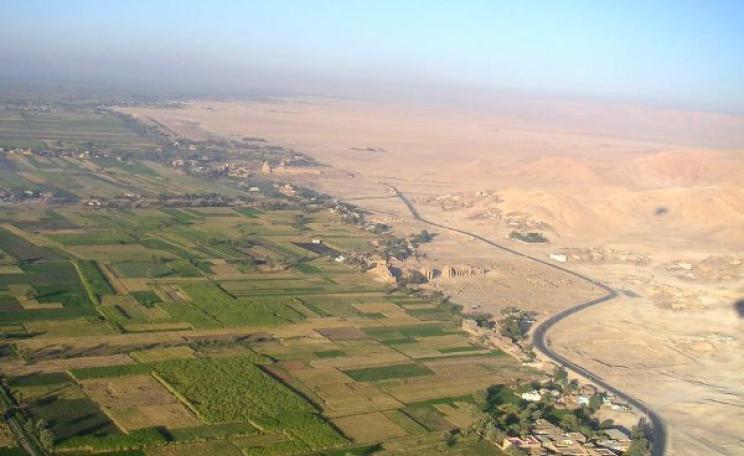
Climate change probably caused the savage drought that struck Syria nearly a decade ago, writes Alex Kirby - and helped to trigger the civil war that has so far claimed over 200,000 lives.
China's farming boom has massively increased food production, writes John Dearing - especially of meat. But it has come at a massive cost: the wholesale pollution and destruction of core ecosystems.
Mainstream climatologists predict a 15% fall in rainfall over the Amazon if it is stripped of its rainforest. But the 'biotic pump' theory, rooted in conventional physics and recently confirmed by experiment, shows that the interior of a forest-free Amazon will be as dry as the Negev desert. We must save the Amazon before it enters a permanent and irreversible dessication.
Thanks to massive deforestation along Brazil's Atlantic coast and the Amazon, São Paulo's reservoirs are at just 6% of their capacity and water rationing is in place. But this is just the beginning of a long term drying process that could be recreated around the world as forests are laid waste and hydrology disrupted.
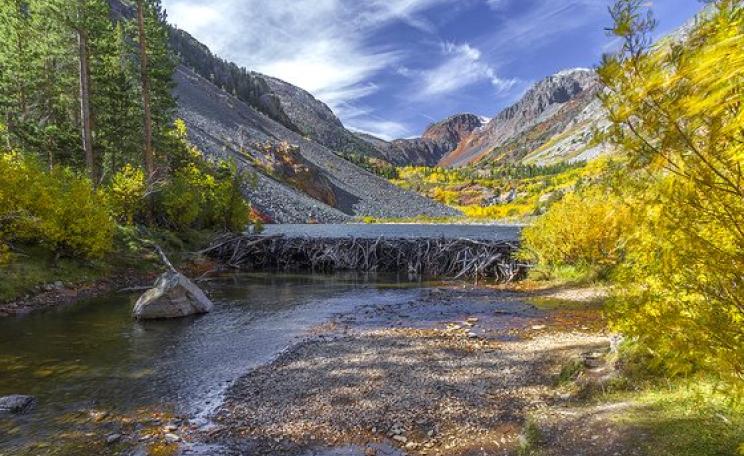
With California's wild Coho salmon populations down to 1% of their former numbers, there's growing evidence that beavers - long reviled as a pest of the waterways - are essential to restore the species, writes Maria Finn. In the process, they raise water tables, recharge aquifers and improve water quality. What's not to love?
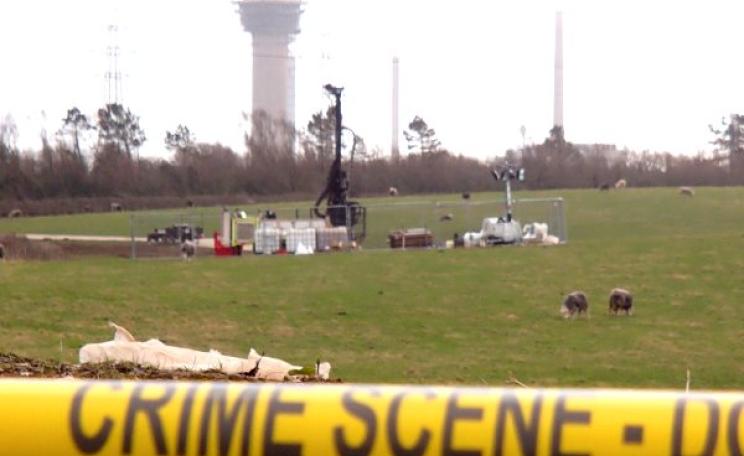
The rushed passage of the Infrastructure Bill with all its pro-fracking provisions and toothless 'safeguards' is an abuse of democracy. And as it's manifestly against the national and public interest, it's also in breach of both MPs' and Lords' legally binding Codes of Conduct. Now Jojo Mehta intends to hold them to account - in Court.
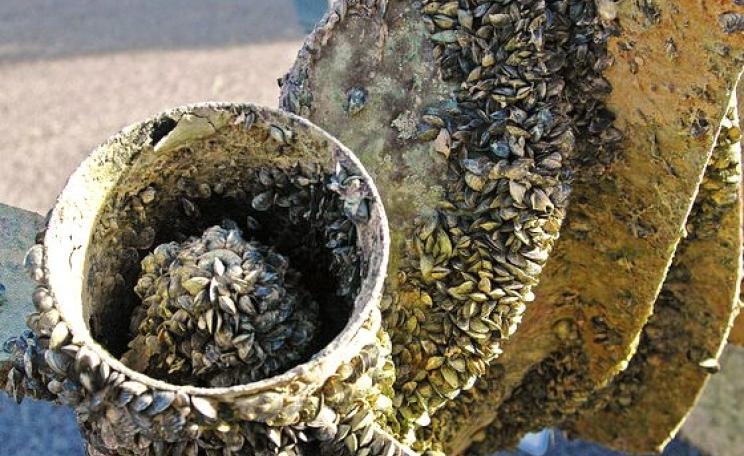
The zebra and quagga mussels, exotic invaders from the Caspian, are already causing huge damage in North America by 'biofouling' and disrupting native ecosystems, writes Yannic Rack. And now Britain is having to gear up for an impending invasion that threatens a costly meltdown of our aquatic biodiversity.