The same pattern of severe droughts that extinguished the Ancient Pueblo culture of the southwest US in the 13th century will come back with a vengeance later this century as climate warms and dries, writes Tim Radford. And it could have precisely the same effect on the region's modern-day residents.
A land grab twice the size of France is under way in Ethiopia, as the government pursues the wholesale seizure if indigenous lands to turn them over to dams and plantations for sugar, palm oil, cotton and biofuels run by foreign corporations, destroying ancient cultures and turning Lake Turkana, the world's largest desert lake, into a new Aral Sea.
The US and other governments are pushing a failed model of water privatization, writes Victoria Collier - but water is a human right, not just a commodity to be traded for profit or monopolized by corporations, and citizens and communities worldwide are fighting back, from Detroit to Cochabamba, from Berlin to Malaysia, to reclaim their water commons.
The latest version of the Infrastructure Bill released today has been amended to avoid defining the areas that will be protected from fracking, leaving that to 'regulations' to be pushed through after the general election. So if the Tories win, get ready for fracking everywhere!
CSP, the 'other' solar power technology, has been largely forgotten as solar PV price falls have transformed energy markets, writes Chris Goodall. But it's set to take a big role in the future energy mix, and huge price falls are coming. Just one question - how to reduce CSP's thirst for water?
Nebraska has become ground zero for the fight against Keystone XL, and Art Tanderup - farmer and retired schoolteacher - has become a leading voice in the struggle. He spoke to Kate Aronoff about the divisive impact of the pipeline on the local community, threats to the Ogallala Aquifer, and the urgent need to shift to clean, renewable energy sources.
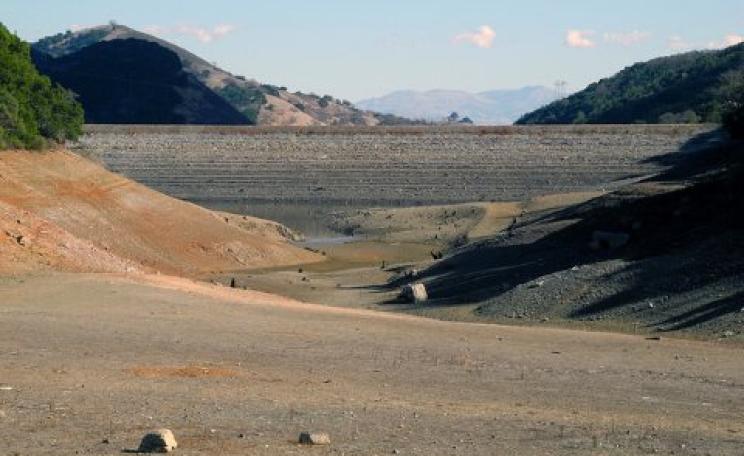
California's worst drought on record is far from over, writes Kieran Cooke. But while residents are getting used to dusty cars and parched lawns, the state's massive agricultural sector is still growing water-intensive crops like rice. How crazy is that?
Natural England announced today that the wild beavers living on Devon's River Otter will be allowed to remain free under a 're-introduction' licence granted to Devon Wildlife Trust.
The House of Commons Environmental Audit Committee has just begun to take oral evidence from a very select group of witnesses, writes Paul Mobbs in this open letter. Sadly its choices betray a systematic bias to industry and establishment figures - while community groups are entirely excluded.
9,000 new homes in the 'fast track' housing development zones created by the UK government are in areas of flood risk, making them potentially uninhabitable and uninsurable, according to a Greenpeace investigation - and that's before accounting for the increased flood risk from by climate change. Meanwhile future levels of funding for flood control are looking highly uncertain.
Building resilience to flood and drought is all about working with farmers, writes Colin Tudge. Simple things like ploughing across slopes, not up and down them, planting trees, and caring for soils, can make a huge difference in helping rainwater to sink into the ground, not run off. And to make it happen, the government must take a lead.
In 1976, it looked like a good idea: to divert the waters of the Danube into a salt-water lagoon on Ukraine's Black Sea coast, and irrigate millions of hectares of arid steppe land, writes Dimiter Kenarov. But the result has been human and environmental disaster on an epic scale.
As well as being masters of water engineering, the Romans also engaged in a long distance trade in water across the Mediterranean - embodied in grain, oil, wine, cloth, metals and other goods. They also discovered the food-water-energy nexus - and not in a good way. We need to heed the warnings from Roman history.
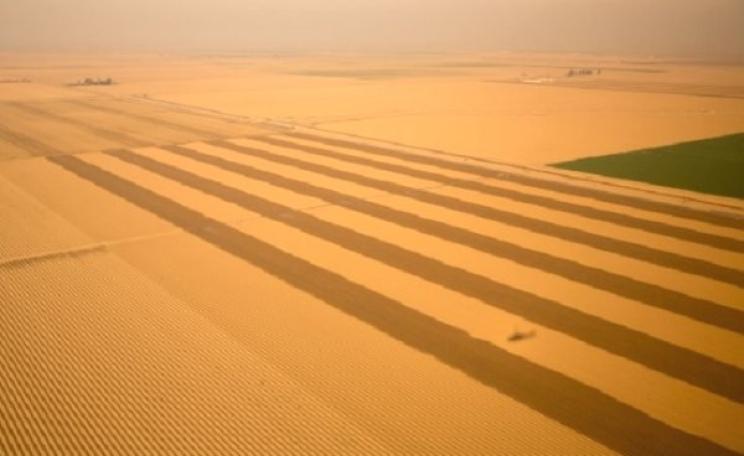
Thanks to cheap water and plentiful sunshine, California grows most of the US's fruit, vegetables and nuts, writes Joshua Frank. But with the drought looking ever more permanent, the $40 billion industry is facing a terminal crisis. It's only a matter of time before we have to rely on local produce - so let's make a start now!
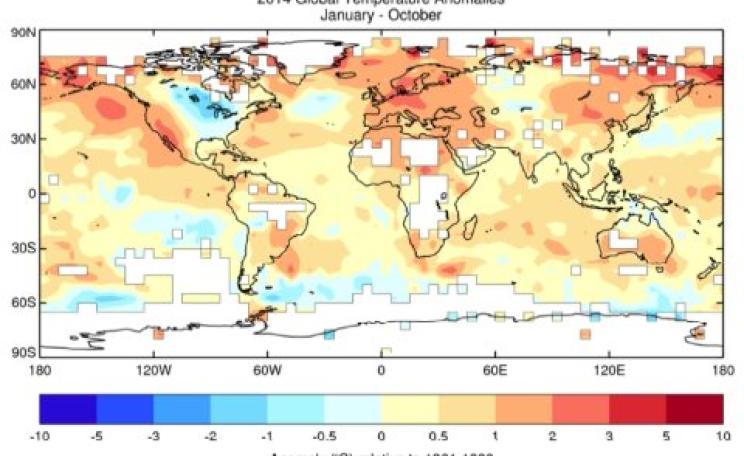
The year 2014 is on track to be one of the hottest, if not the hottest, on record, according to preliminary estimates by the World Meteorological Organization (WMO). Their latest report, issued today at the UN climate talks in Lima, shows exceptional heat and flooding in many parts of the world.
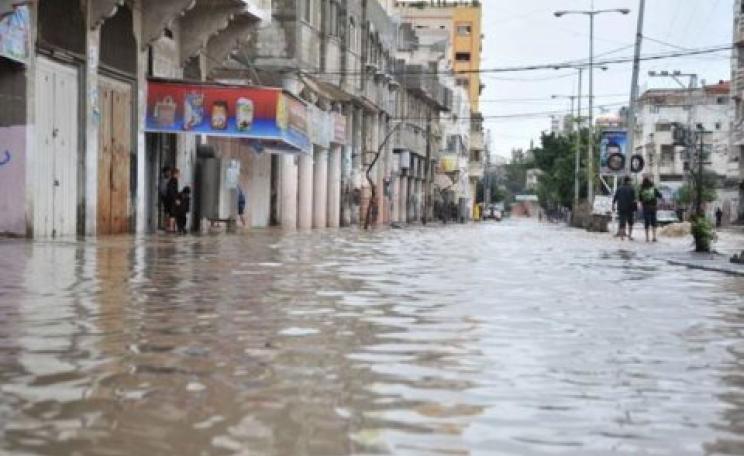
Following Israel's destruction of much of Gaza's civilian infrastructure in Israel's summer 2014 attacks, the territory's drainage systems have been unable to cope with heavy rains, and the UN has declared a state of emergency in Gaza City.
With rising population and food demand far outstripping supply, the Sahel is vulnerable to a new humanitarian crisis, writes Alex Kirby. Rainfall is expected to increase with climate change, but higher temperatures will overwhelm the benefits.
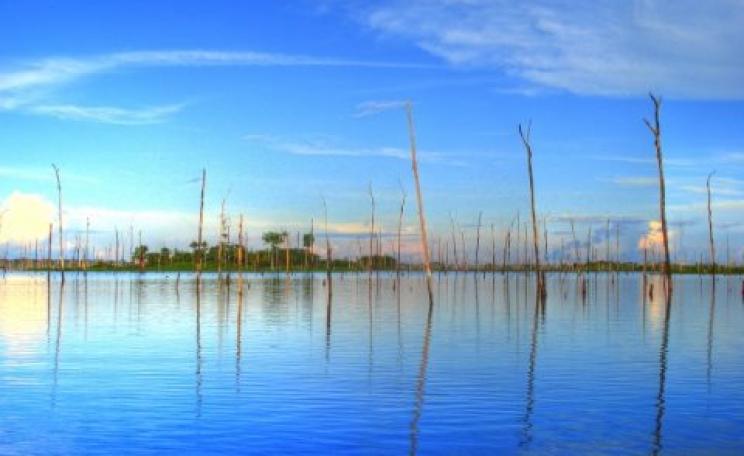
Brazil's newly elected Dilma Rousseff is committed to completing the disastrous Belo Monte dam, writes Helle Abelvik-Lawson. Worse, she looks certain to press ahead with the industrialisation of the Amazon, with 61 hydroprojects in the pipeline. And new scientific findings about the massive climate impacts of tropical forest dams are not about to stop her.
The Aral Sea is a well known environmental disaster zone. But this year, it got a whole worse, writes Anson Mackay, as its biggest basin dried up completely to expose a toxic, salty wasteland. With continuing irrigation and declining river flows due to climate change, the desert is only set to expand.
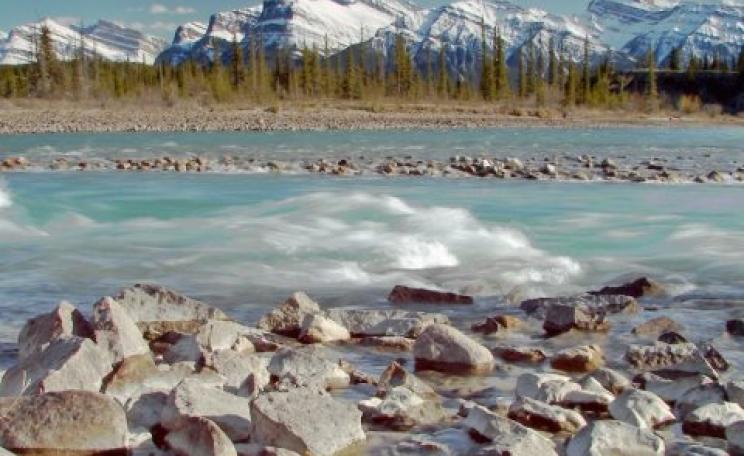
Much of Alberta, Canada has already been damaged by industrial clearfelling, or lost to the tar sands industry, writes Carol Linnitt. But now there's a chance to keep 'the most beautiful example of pristine eastern slopes Rockies out into the foothills' as wilderness, in the North Saskatchewan's unspoilt headwaters.
The repeated burning of England's upland moors - carried out so more grouse can be reared for lucrative shooting parties - is seriously damaging a unique and valuable ecosystem, writes Paul Brown - destroying ages-old peat, reducing its capacity to retain water, and releasing megatonnes of carbon to the atmosphere.
Deep in rural Devon, the word is that the Government intends to trap the wild-living beaver family on the River Otter next month, and consign them to captivity. But as Alasdair Cameron writes, this is not only unnecessary and unpopular, but probably illegal as well.
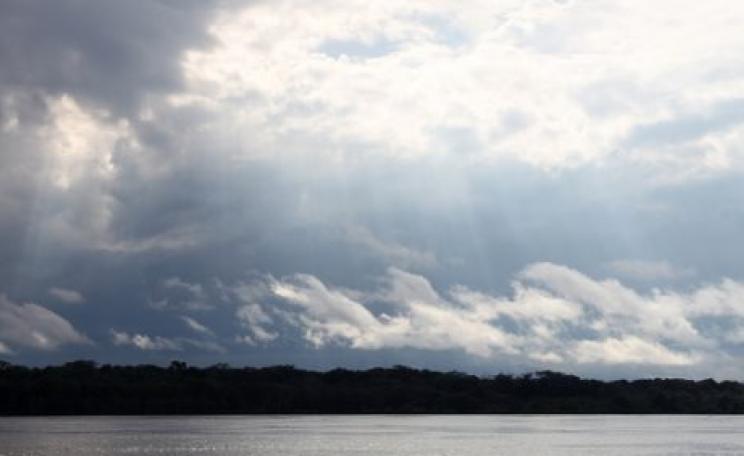
The Amazon forest both depends on, and sustains, vast 'flying rivers' that carry humid air and clouds deep into the continental interior, writes Jan Rocha. But scientists fear the flying rivers are failing due to deforestation, fire and climate change.
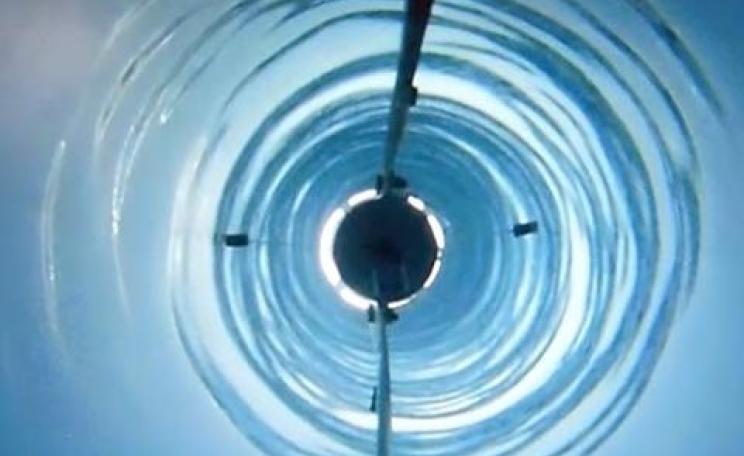
Beneath half a mile of ice scientists have uncovered the first hard evidence of a life in a subglacial lake, writes Helen Thompson. And not just life, but a complex ecosystem comprising thousands of microbial species. Could Jupiter's frozen moon Europa be hiding lakes like this?