With the growing trend for natural swimming in cities new opportunities are opening for architects and designers to create dramatic, inspiring, enjoyable new public spaces in urban waterways, writes Jane Withers. And it's the subject of a new exhibition at London's Roca London Gallery ...
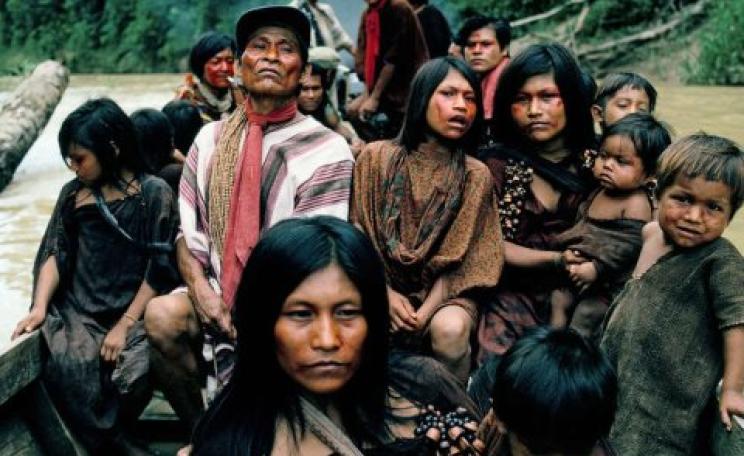
Four Indian leaders who have opposed illegal logging in their forests have been shot dead in eastern Peru as they traveled by boat to an indigenous meeting in Brazil. The murders followed pleas to Peruvian authorities for protection, and warnings by Brazilian officials that the Indians were in extreme danger.
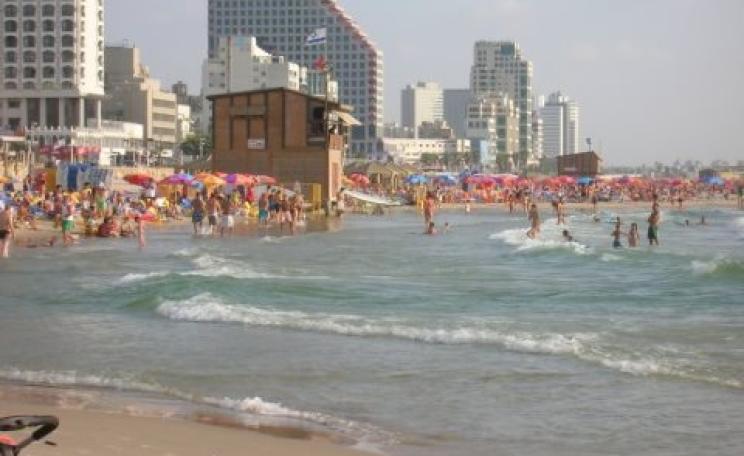
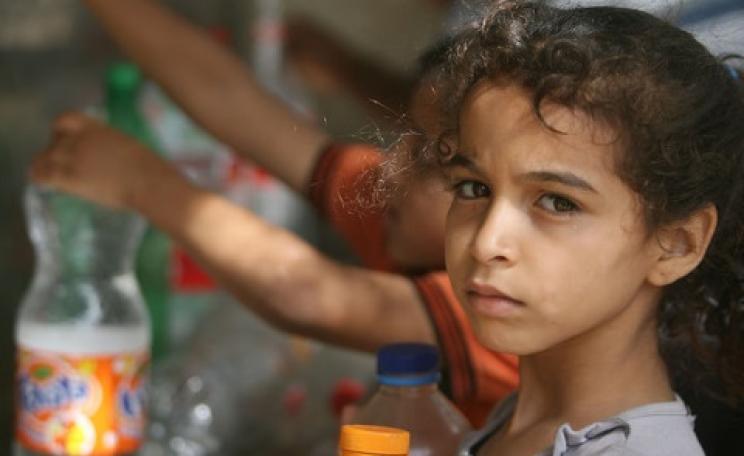
Consecutive Israeli military assaults have caused huge damage to Gaza's water and sewage systems, writes Sam Bahour. One result is that almost all Gaza's water is unfit for human consumption. Another is the tide of raw Palestinian sewage lapping on the beaches of Tel Aviv. So who should we feel most sorry for?
The war in Gaza is over - but with the territory in ruins, it's essential to build a just and durable peace, and restore essential public services: health, water, sewerage and above all electric power. Keith Barnham presents his plan for Gaza, based on a massive deployment of solar and wind power generation.
Politicians are forever citing 'terror' as a reason to expand the security state and restrict civil liberties, writes Paul Mobbs. But when it comes to the real threats that face the world - ecological breakdown, climate disruption, resource crises, and an unjust and rapacious world order ... well, that's all 'green crap'. Isn't it?
Conflict continues to rage in Iraq over control of the Mosul dam, which impounds 11 cubic kilometres of water and controls water levels and supplies across the country, writes Jonathan Bridge. It's not the first battle fought over control of water - and it's certainly not the last in a drying Middle East with fast-growing populations.
Big Sugar is the new Big Tobacco, writes Alan Farago - lethal to human health, wreaking environmental devastation, gouging huge public subsidies, and with the political clout to stop First Lady Michelle Obama from breathing a word against it. Only an alliance of 'green', health and taxpayer campaigners can kill the beast.
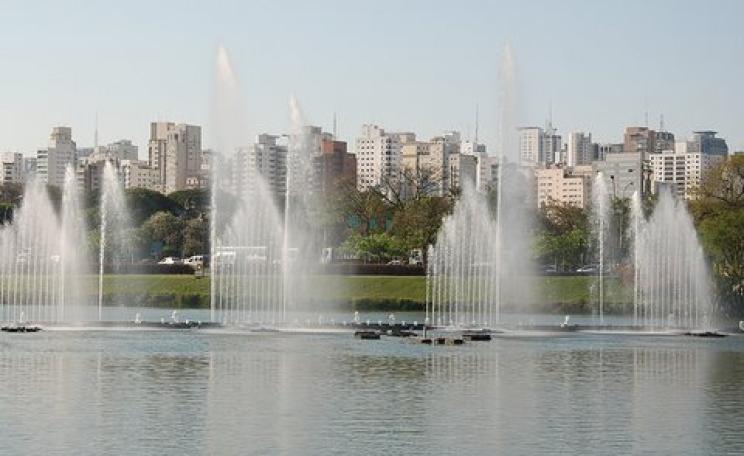
São Paulo, South America's biggest city, is suffering its worst drought in over a century, writes Jan Rocha, with rivers and reservoirs running dry. But the state's politicians are seeking re-election. And for them, it's as if nothing is happening - never mind that water and power cuts affecting millions are looking inevitable.
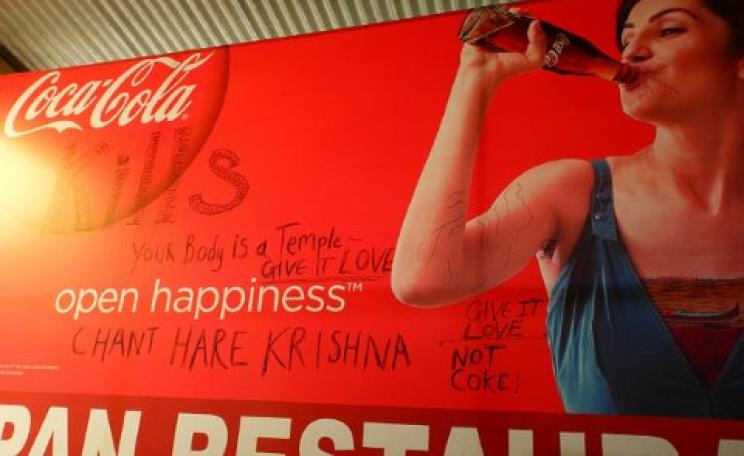
After a 15-year battle, local campaigners infuriated by pollution, over-pumping of groundwater and land-grabbing have finally forced the closure of Coca-Cola's $25 million factory near Varanasi.
This month a tailings dam at the Mount Polley mine in BC breached, writes Carol Linnitt - spilling 14.5 billion litres of toxic mine waste into Quesnel Lake. A major source of freshwater and one of BC's premier fly-fishing destinations, the lake will never be the same again. But it's just the first big victim of Canada's wave of environmental de-regulation ...
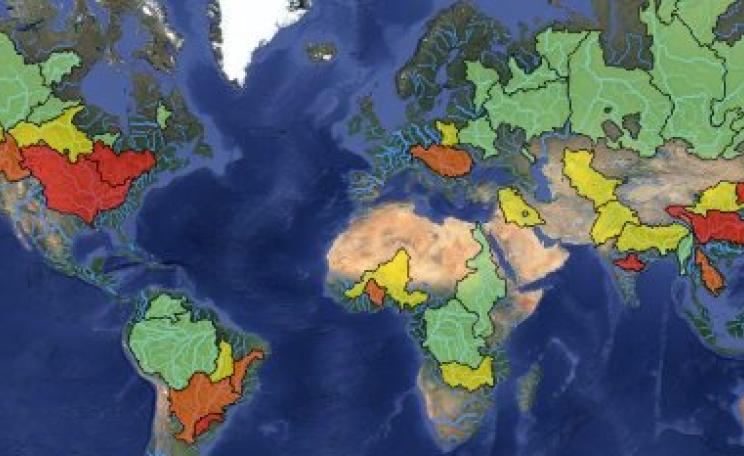
A new 'State of the World's Rivers' database shows how the world's rivers have been impoverished by dams and their ecosystems devastated - and provides a valuable resource to help save river basins that remain in good health.
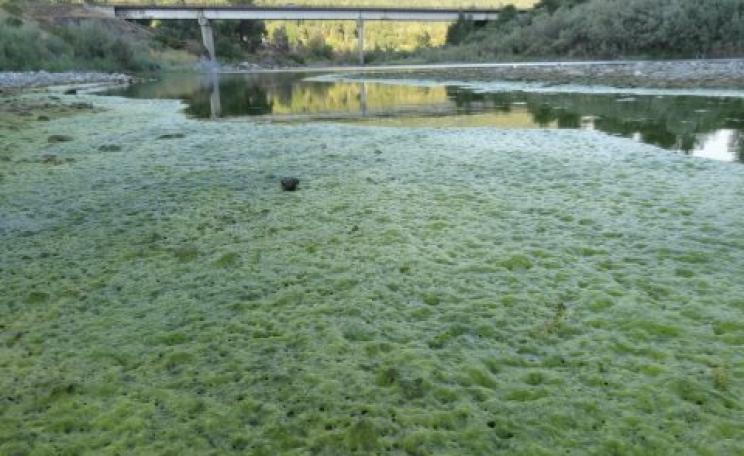
Large scale salmon deaths are imminent on the Klamath River and its tributaries in northern California due to low flows and high temperatures. Native American tribes are protesting in the state capital as federal agencies illegally prioritize water for large scale agribusiness over fish and indigenous people.
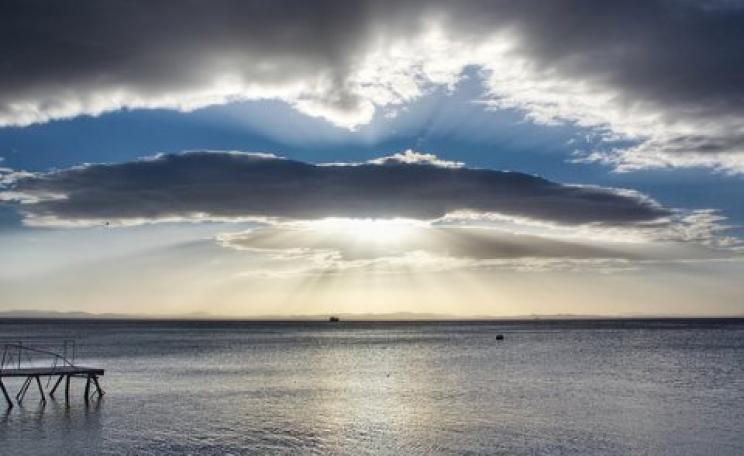
A second canal joining the Pacific and Atlantic oceans is planned for Nicaragua, writes Nathan Wood. But the gigantic project is raising growing fears due to a grossly unfair contract, glaring failures of process, close links to the Chinese government, and its enormous - but uncosted - ecological impacts.
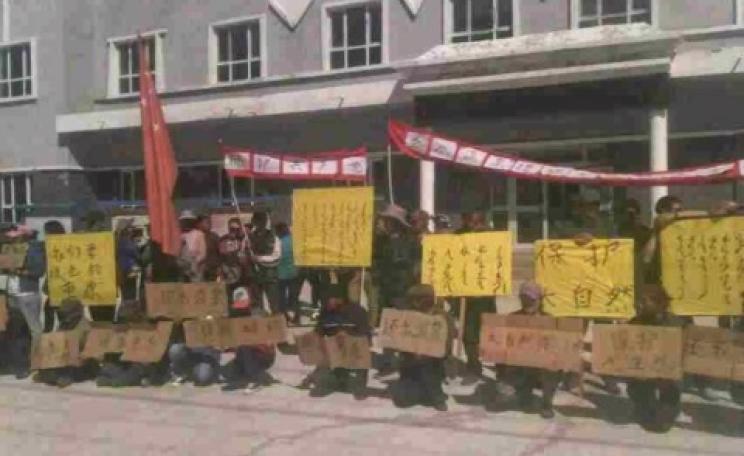
In China's remote Mongolian region, indigenous herders are being forced from their traditional pastures to make way for roads and vast mining projects. Last week they held a public demonstration - but it was immediately dispersed with ten arrests.
Pakistan is already experiencing a pattern of devastating flood and drought brought on by climate change and deforestation, say the country's top climate scientists. Yet the government has failed to either tackle the problems, or prepare for future disasters.
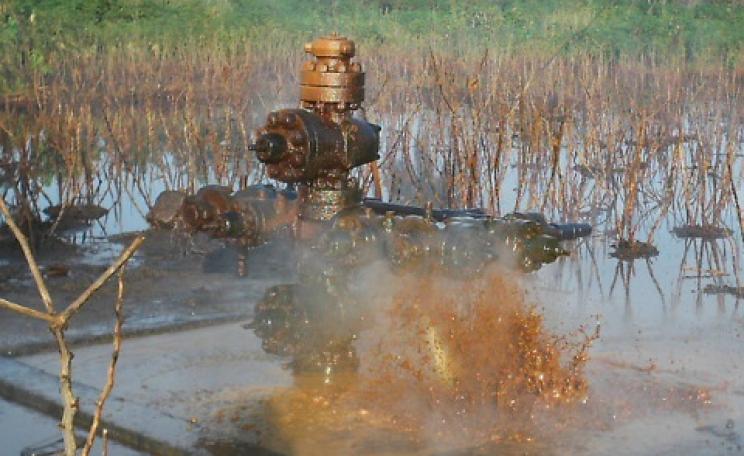
The systemic failure of the Nigerian government and oil giant Shell to clean up the horrendous oil pollution in the Niger Delta has been branded 'shameful' by a group of Nigerian and international NGOs.
Israel's war on Gaza has seen the systematic and widespread destruction of civilian infrastructure essential for human survival, writes Luisa Gandolfo. This represents an apparently deliberate 'cutting off of life support' to those that survive the bombardment now under way.
Humans are to blame for the drastic declines in river dolphin populations around the world, writes Rachel Nuwer. But what exactly are we doing wrong? Mainly, scientists have found, it's building dams - and so destroying and fragmenting their habitat.
The UK has just opened a bidding round for fracking licences. But the rules contain only weak protections against fracking in National Parks and AONBs - and none at all for even the most important wildlife sites and drinking water aquifers.
Since the 1980s Cambodia has lost 84% of its primary forests, and the remote Cardamom mountains are the country's last great natural treasure, writes Rod Harbinson. Just the place for grandiose dam projects? 'No way!" say indigenous people and young eco-activists.
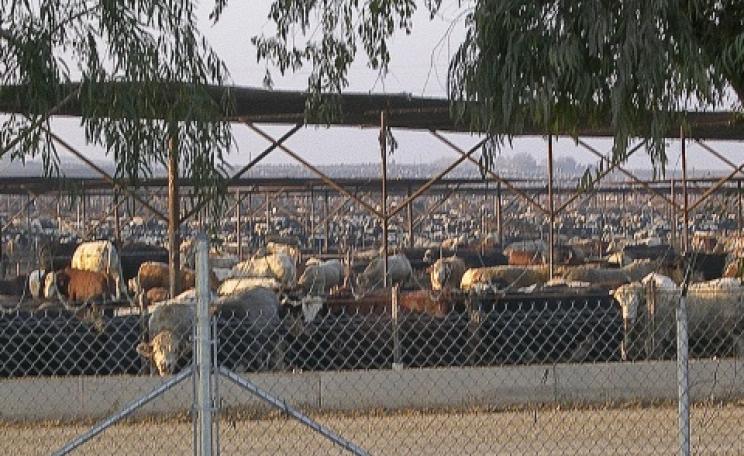
US beef carries a heavy environmental cost in water, land, emissions. But few of us know quite how damaging beef is, writes Gidon Eshel, nor that it is more than five times worse than pork, poultry, eggs or cheese. Isn't it time we did something about it?
Australia's prime minister thinks climate change is 'crap' and has just abolished his country's carbon-pricing system. But scientists say that it's rising levels of CO2 that are leaving the south of the country parched and sweltering - and it's only going to get worse.
Israel's armed forces have destroyed vital water and sewage infrastructure in their bombing campaign of the besieged territory, writes Mohammed Omer. This constitutes a severe breach of the 1977 Protocol to the 1949 Geneva Conventions on the part of Israel and all those conceiving, planning, ordering and perpetrating the attacks.
Using sophisticated financial engineering, Thames Water is making its customers pay almost the whole cost of its £4.2 billion London sewage tunnel. Is it time England ditched corporate ownership of its utilities and adopted Wales's 'non-profit' model?