Detroit is shutting off water to 40% of residents to prepare the water system for a corporate buyout, writes Justin Wedes. Residents are organizing to resist the water shuttoffs, anti-democratic rule and the demands of Wall Street - but they need our help!
A study by the British Geological Survey and the Environment Agency reveals that almost all the the oil and gas bearing shales in England and Wales underlie drinking water aquifers, raising fears that widespread water contamination could occur.
A family of wild of beavers has established on an English river for the first time since Henry VIII. But now the Government has decided to trap them and consign them to captivity in a zoo or wildlife centre. Defenders of wilderness are now demanding: keep our wild beavers free!
Massive dams in Sarawak, Malaysia, threaten to flood over 2,000 square kilometers of the world's oldest rainforests, displace 10,000s of indigenous people, and aggravate climate change, writes Amanda Stephenson - all to generate electricity that no one wants.
Botswana's Okavango Delta, one of the most iconic natural areas on the planet, has been listed as 1,000th World Heritage site today. The decision follows the advice of IUCN, UNESCO's advisory body on nature.
The image of the rancher in the rugged West is one of self-sufficiency and a tough defiance of government, writes George Wuerthner. But the truth is that ranchers, especially those using federal land, depend on a host of generous subsidies, both economic and ecological.
It may all be over for England, but for Brazil, the battle is only just beginning. Anger over the vast cost of the World Cup - well over $10 billion - and its huge social impacts, is spilling over into a wider fury at massive mega-projects than enrich elites, trash the environment, and leave the poor poorer.
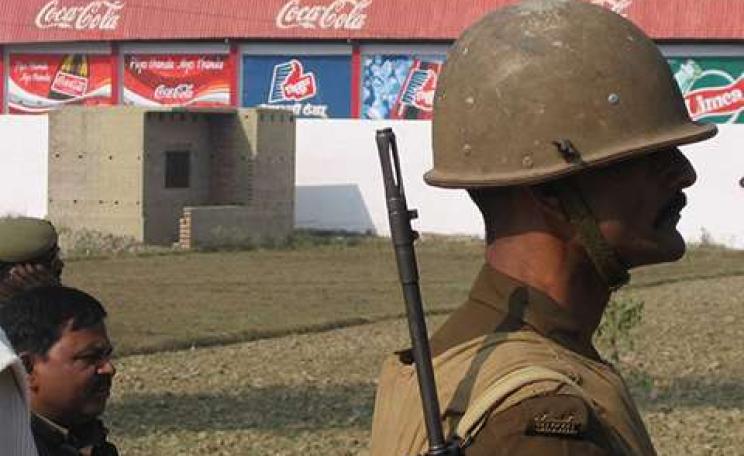
After eleven years of campaigning by local people suffering from water shortages, state authorities have closed Coca-Cola's bottling plant at Mehdiganj, Uttar Pradesh - inspiring campaigners at another three Coca Cola sites in India.
Farming should not only sustain people with healthy food, writes Jigmi Y. Thinley. If humans are to survive on Earth, it must also revitalise nature and sustain vital planetary systems, instead of poisoning and over-exploiting them. And to do that farming must be organic.
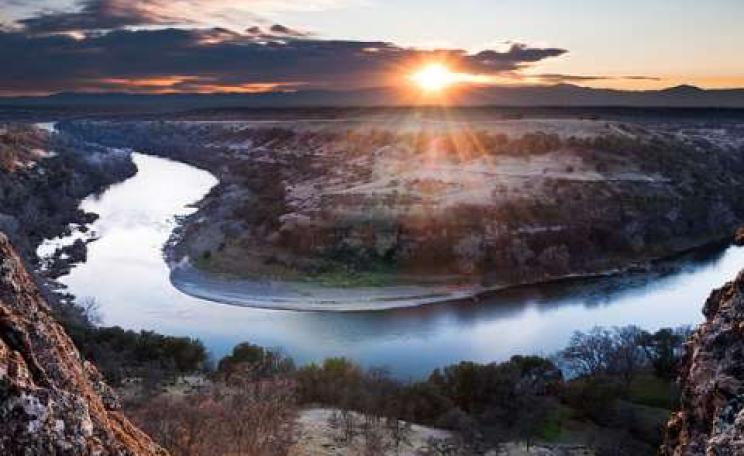
In California, water no longer runs to the sea - it runs towards money, writes Will Parrish. Most of the state's water is already controlled by agribusiness elites. Now, backed by politicians, they are planning to grab the little that's left, leaving nature and indigenous communities high and dry.
Spain's Coto Doñana shows the value of EU conservation law, writes Laurence Rose, as the UK tries to get rid of the Birds and Habitats Directives. Both have proved essential to the protection and restoration of one of Europe's greatest wetlands.
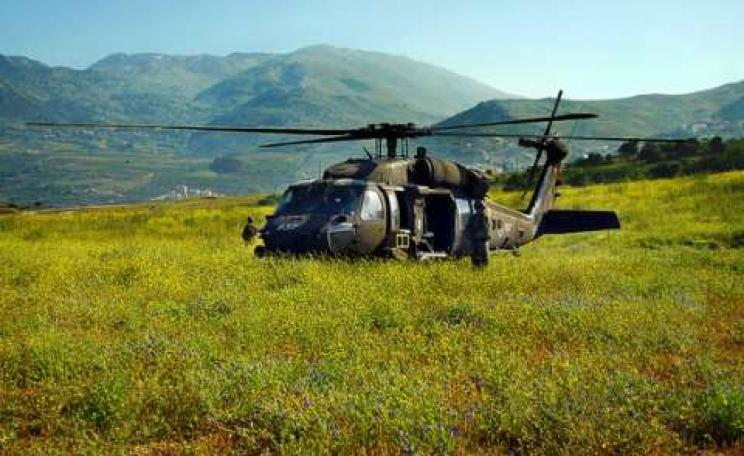
Water is to the 21st century what oil was to the 20th ... the commodity that determines the wealth and stability of nations, writes Garikai Chengdu. Welcome to a new age of hydro-imperialism that is upon us right now in Syria, Israel, Iraq, Libya ...
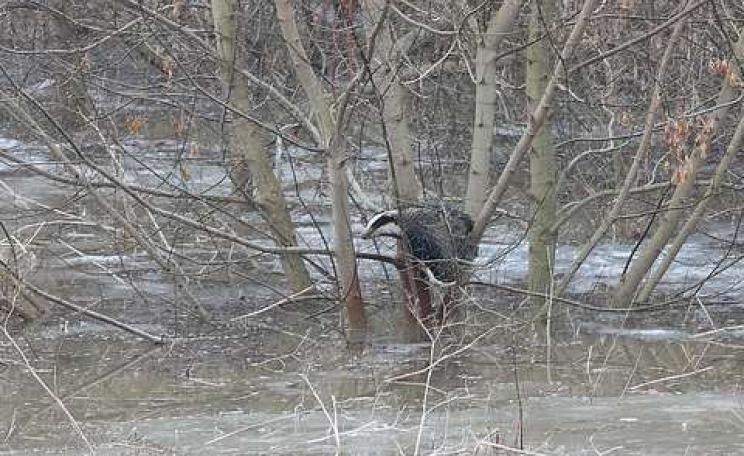
Following last winter's severe flooding in SW England, the Government has refused to assess how badly badgers suffered - even though local populations could have crashed. If the cull goes ahead, badgers could be wiped out of some areas altogether.
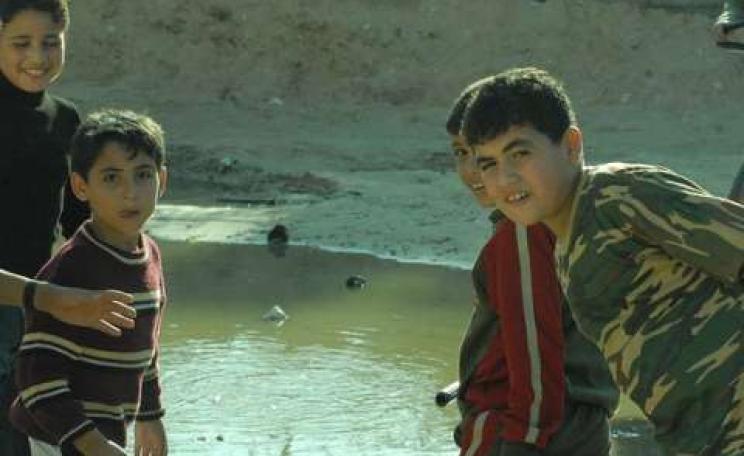
After suffering devastating winter floods, Gaza now prepares for a long, dry summer of acute water shortages, declining water quality and a collapsing sewage system, as its coastal aquifer faces permanent damage from over-use and seawater contamination.
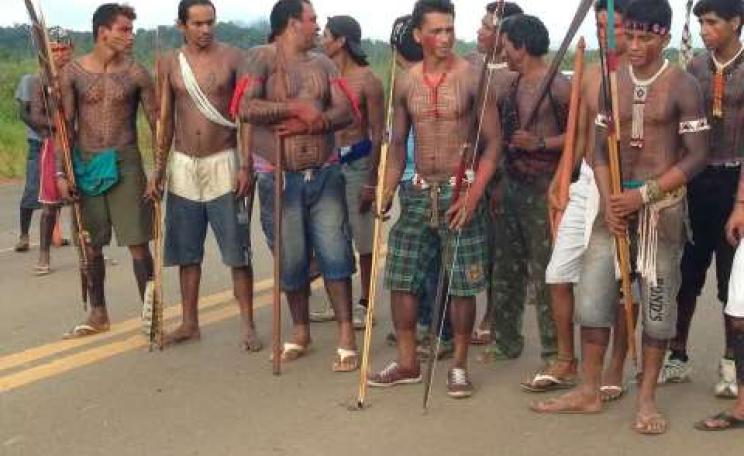
This week 20 Amazon Indians walked to the Belo Monte dam site to demand the company keep its promises to compensate indigenous communities. Police shot them with 'rubber bullets' and stun grenades, wounding four. Tensions are rising ...
Humberto Piaguaje traveled from Ecuador's rainforest to Texas to deliver this Open Letter from Texaco's victims to Chevron-Texaco shareholders. Chevron is refusing to pay multi-billion dollar damages awarded to those suffering from its pollution.
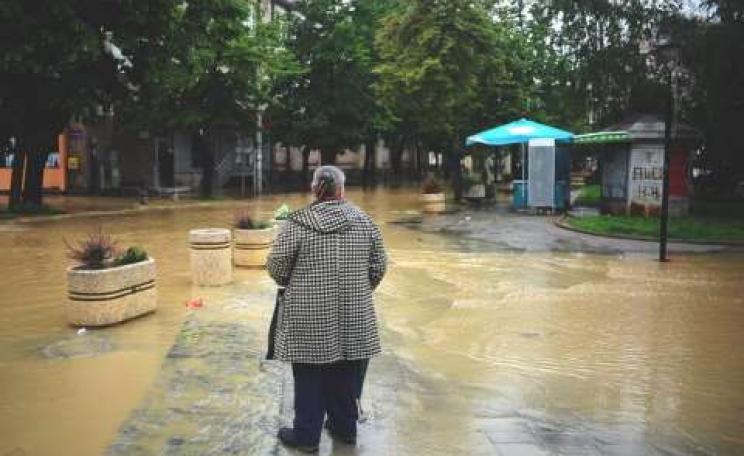
Apocalyptic floods have hit the Balkans, causing many deaths and billions of dollars of damage. 350.org campaigner Rastko Šejić from Obrenovac, Serbia, wrote this personal account of the floods - and how they have at least served to re-unite divided communities.
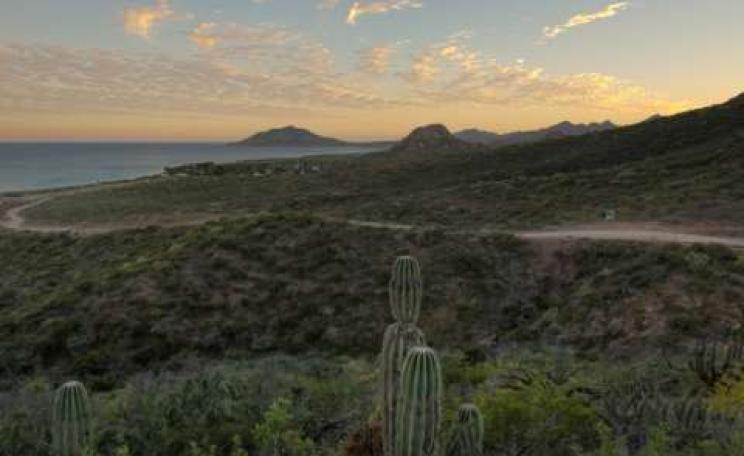
The Baja California peninsula is rich in history and natural beauty, with thousands of unique plants and animals making up its globally unique ecosystems, write Sula Vanderplank & Benjamin Wilder. Just the place for a new giant hotel resort?
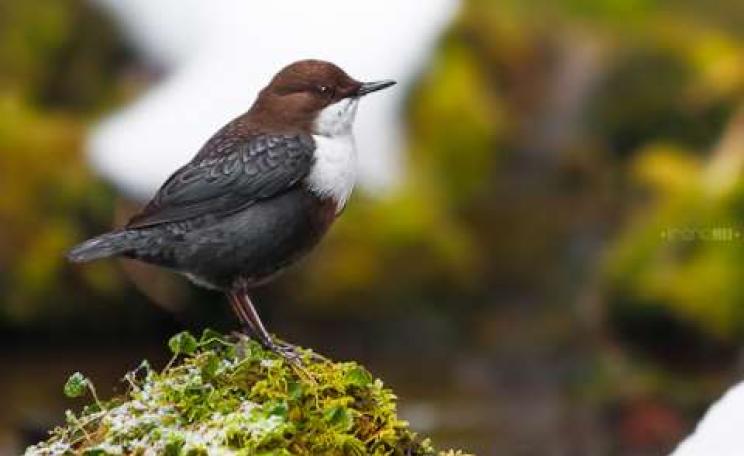
Hormone-disrupting pollutants in the urban rivers of South Wales are having adverse effects on the health and development of wild birds such as dippers, writes Steve Ormerod. Could this humble bird be the 'new canary' for environmental toxins?
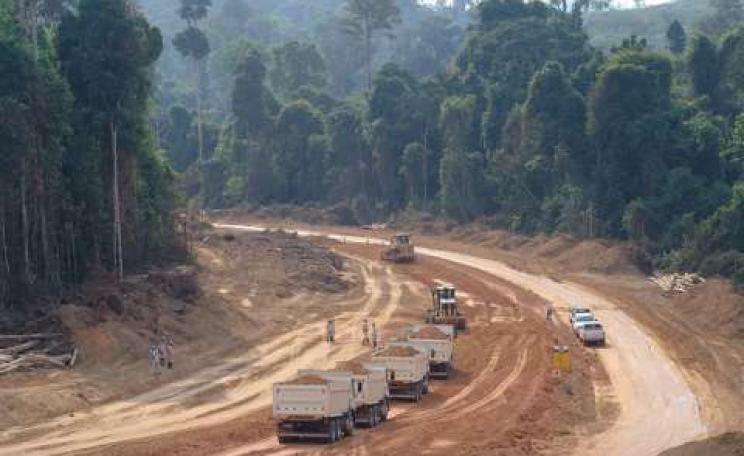
The Amazon basin faces 'ecosystem collapse' according to a new report about hundreds of major dams and other mega-projects planned for the region - home to the world's greatest rainforest. David Hill reports.
This chronicle of over two centuries of melting Alpine and polar ice, seen through the works of contemporary artists, is at its best both powerful and provocative, writes Martin Spray. But he wonders - is art really such an effective force for environmental protection?
Scientists have found that the world's second greatest rainforest, the Congo, is losing its green, writes Tim Radford. As temperatures rise and rainfall reduces, the forest canopy is taking on a browner hue, and this could be an early signal of worse damage to come.
Six environment heroes, one from each continent, are honoured for their work today - fighting threats from giant coal mines to forest destruction, fracking, high dams, illegal development and toxic waste dumps. Sophie Morlin-Yron reports.
A pilot study of American mothers' milk has found levels of the herbicide glyphosate around 1,000 times higher than allowed in European drinking water. Campaigners are demanding a ban on the use of glyphosate on food crops.