EU and US resume their negotiations next week over the TTIP trade and investment deal. But deep rifts have emerged over the corporate courts in which investors can sue governments for any actions that reduce their profits. Meanwhile MPs are seething over their restricted access to draft texts and negotiating documents.
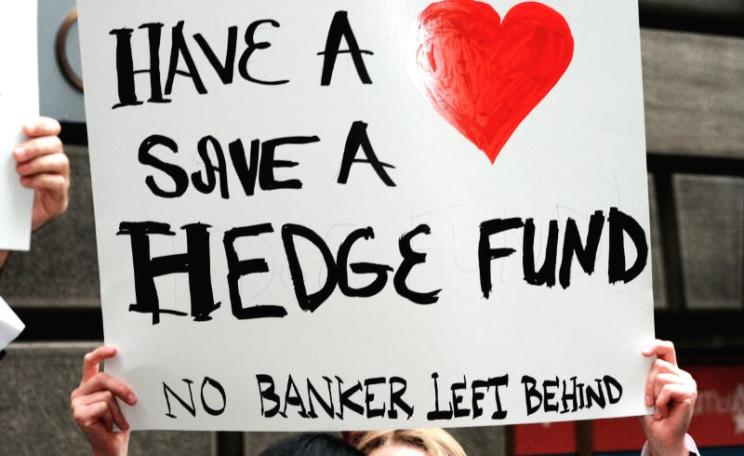
The private banking system that dominates North America and Europe works very well indeed, writes Ellen Brown - for the bankers. As for us, it's a disaster, as the banks use their monopoly over the creation of money itself, at interest, as a tool to extract ever more value from us and the entire economy. But there is another way!
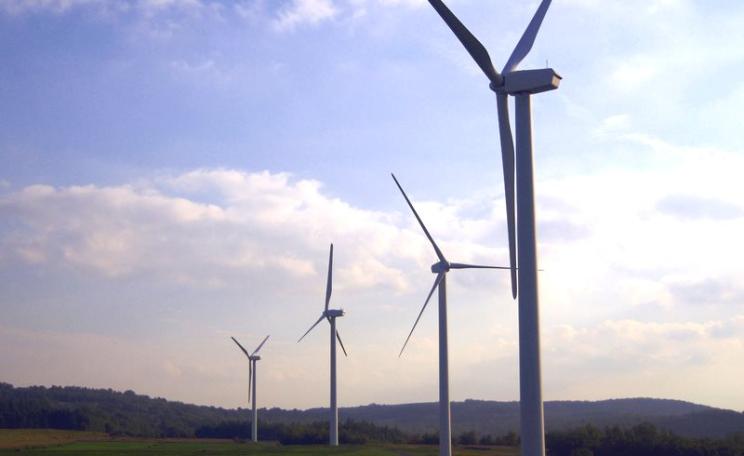
If the UK really wants 3.2GW of 'baseload' power in Somerset, then the Hinkley C nuclear power station is not the only way, write Marie-Louise Heddrich, Thorsten Lenck and Carlos Perez Linkenheil. Wind power with 'wind to gas' plant and CCGT gas power stations could do the same - faster, cheaper, more flexibily, and at much lower technical and financial risk.
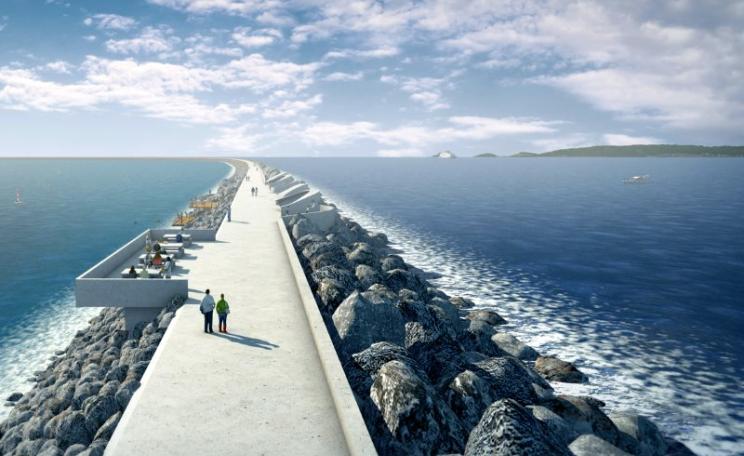
Despite Cameron's promise to lead the 'greenest Government ever', the environment has taken a heavy bashing since the 2015 election, writes David Clubb - whether on oil, fracking, renewable energy or planning policy. But Wales is doing its best to follow a sustainable path, and demonstrating badly needed environmental leadership that the whole UK would do well to follow.
The government is set to ban local authorities and their £14 billion pension funds divesting from companies they deem unethical, writes J W Bode. The law will specifically forbid divestment from fossil fuels - and that could put the pensions of future public sector retirees at risk.
An occupation of EDF's site office for Hinkley C turned into a celebration today as the EDF Board postponed its 'final investment decision' for the tenth time. With strong opposition among French unions and the project afflicted by severe technical and financial problems, it's not just Hinkley that's going down, but the UK's entire nuclear programme.
The world is in the grip of a structural war against people, land, economies and ecosystems, writes Colin Todhunter. It is being waged by a quartet of organised criminal interests bent on monopolizing energy, money, food and violence across the globe. But a deep-rooted resistance against their 'neoliberal' doctrine of death and destruction is fighting back.
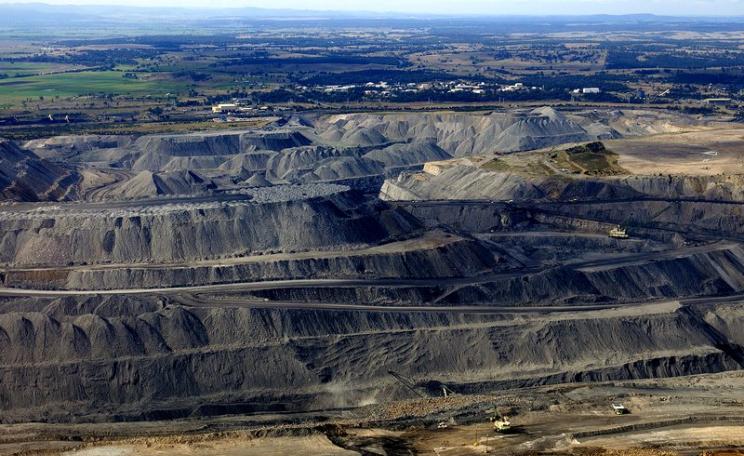
According to oil company executives, oil is going to be a major energy source to 2100 and beyond. So after hearing an oil man make his case, Chris Goodall went home and crunched some numbers. Money invested in solar power already produces more energy than if it's put into oil exploration and production, and the gap is only going to widen from here. Is this the new 'peak oil'?
The main engine of economic exploitation is the financial system's ever increasing extraction of value through interest payments, according to economist Michael Hudson. Paul Craig Roberts finds his analysis all too accurate, as the over-financialized economies of western countries head down a spiral of poverty, decline, injustice and despair.
Fund managers who neglect their 'duty of care' to clients by failing to put pressure on the companies they invest in to reduce their carbon emissions and prepare for a fossil-free future could be sued for their negligence, say respected experts in law, environment and finance.
For years the 'market mantra' has been to save forests by selling the carbon they embody, writes Chris Lang, harnessing the profit motive for the benefit of trees and climate. But it never worked, and now even former fans are admitting that REDD is just another failed conservation fad. So what next? How about asking local communities to manage their forests as commons?
As Cuadrilla's application to frack in Lancashire goes to public inquiry today, protestors from Greenpeace have installed a full-size 'fracking rig' in Parliament Square, London, complete with flare and deafening sound effects, to let MP's know just how great it is to have a fracking well on your doorstep.
Agriculture is big business and with the EU pumping money at the sector, the corporate profiteers are holding all the aces, writes Chris Lang. The documentary ‘Land Grabbing’ investigates what happens when well-financed agro-investors take over rural communities' land and water.
When Chancellor George Osborne delivers his Budget next month, we can be sure that climate and environment won't take a high priority, writes Alan Simpson. All the more reason for the Labour leadership to develop a new 'one planet' economics for the 21st century that delivers social justice and respects ecological limits.
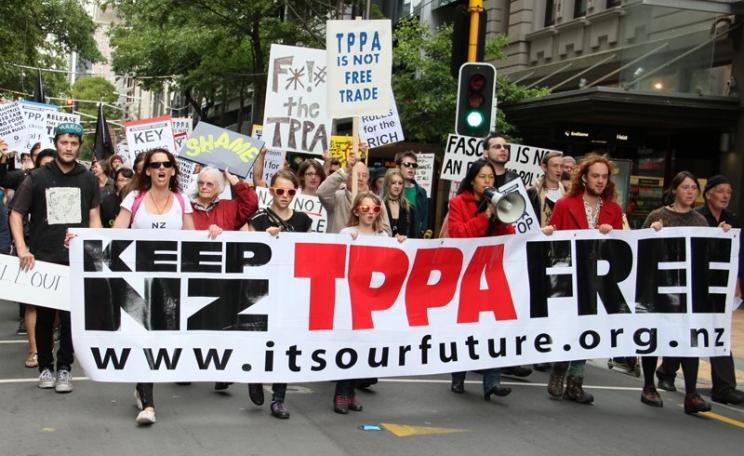
Boosters of 'free trade' agreements - like the Trans Pacific Partnership that's being signed today - like to make big promises, writes Pete Dolack: trillions of dollars of economic gains, billions of dollars of investment, millions of new jobs. But there's only one certainty, and it's one they never mention: the permanent redistribution of power and income from working people to capital.