The wave of mechanization and automation that began with the Industrial revolution is not slowing down, writes Conor Lynch. Indeed it is gaining power and is driving another 'great transformation' that could produce untold opulence for the very few, and hellhole for rest of us, or an Earthly paradise for all. But which will it be? Ultimately the future is ours - to choose, and to fight for.
Why are we so surprised at the Google tax heist? It's not because there's anything new about it, writes Donnachadh McCarthy. It's because our own political class have long their noses in the trough, and the tax-dodging billionaires that own our mainstream media are anxious to hide the swindle that's keeping them rich, and us poor.
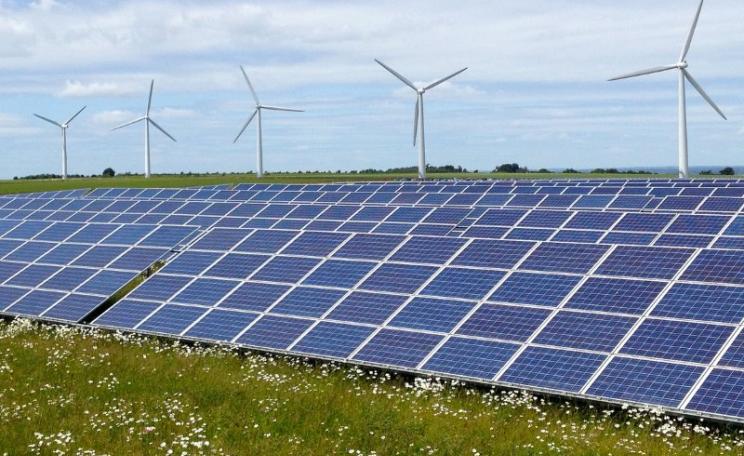
As presidential contenders gather in Iowa for the beginning of the party selection season, they may have noticed a lot of wind turbines, writes Zachary Davies Boren. And if they have any sense, they will find only nice things to say about them. Wind supplies 30% of the state's power, more than any other US state, and Iowans are all for it. Ted Cruz, mind your words!
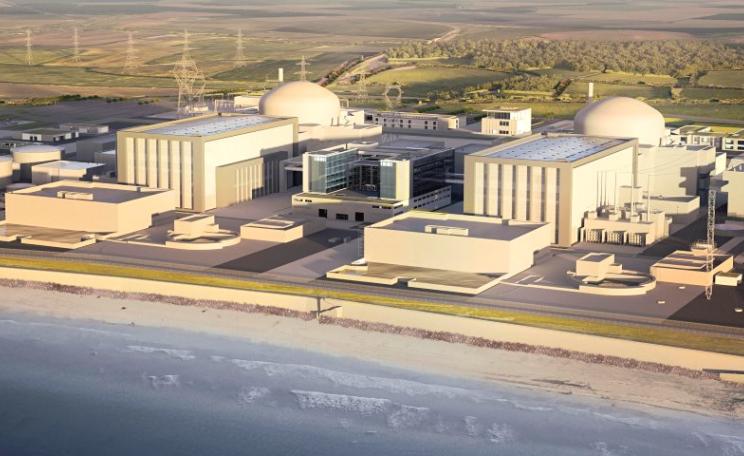
EDF's unfolding fiasco over the Hinkley C nuclear power station proves that nuclear power can come only at enormous financial cost to consumers and taxpayers, writes Caroline Lucas - and even then, investors are scared off by the risks. The government must get over its nuclear obsession and seize our renewable future.
Monsanto has acquired a commanding role in the biotech, seed and agro-chemical industries, writes Carmelo Ruiz. So why is the company desperate to merge with its rival Syngenta? The truth is the company is in deep trouble, as its top-selling Roundup herbicide runs out of steam, and its rivals combine to challenge its dominance.
Just as EDF was due to make its 'final investment decision' on Hinkley C, writes Oliver Tickell, another delay. In spite of incredibly generous subsidies, the company is unable to finance it. Its last hope is to persuade the French state to take a 10% stake in the doomed project.
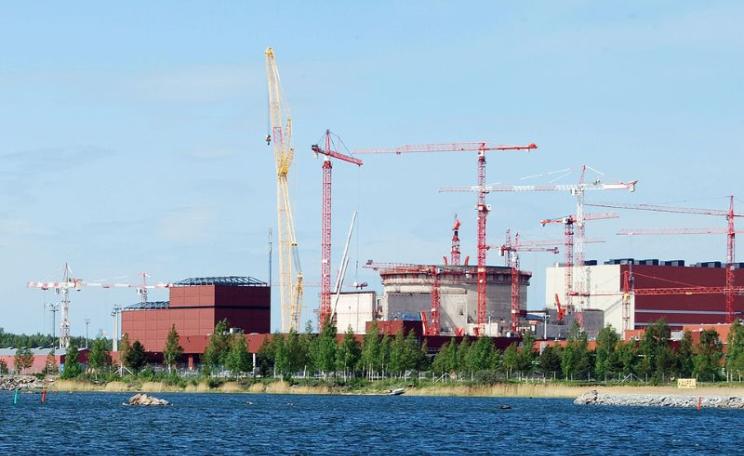
The EDF board is meeting tomorrow to reach its 'final investment decision' on Hinkley C. It was meant to be a rubber stamp but now it's anything but, as EDF's share price sinks to a new low, unions and employee directors harden their opposition to the project, and projects in France, Finland and China run way over time and cost with severe technical problems and safety concerns.
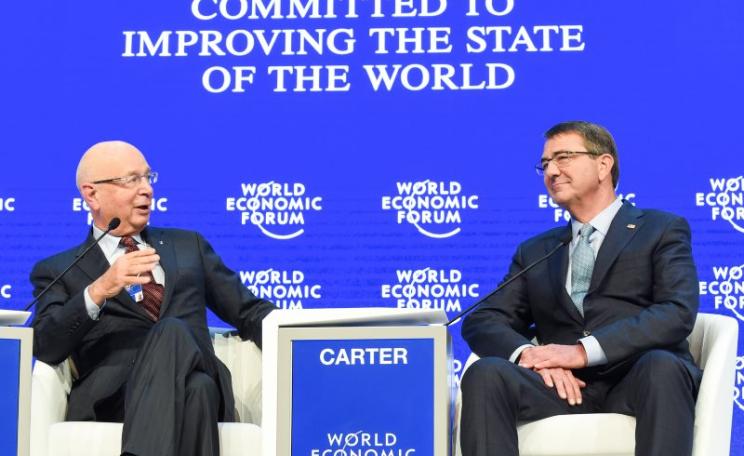
Inequality is on the agenda at the World Economic Forum in Davos this year, write David Sogge & Nick Buxton. A good thing, right? But look at the proposed 'solutions': ramp up the neoliberal 'development' model; lighten business regulation; pursue globalisation with greater vigor ... Yes, you got it. They would all accelerate the transfer the world's wealth upwards to corporate elites.
Over in Davos world leaders are desperately trying to find a 'fourth industrial revolution' to keep the 'growth' juggernaut rolling, write Bennet Francis & Rupert Read. But their efforts are doomed: the real challenge we face is to build a healthy, more equal society and a green, sustainable future for us all.
According to classical economics Adam Smith's 'invisible' hand' of free markets produces the greatest good for us all, writes JP Sottile. But what happens when rip-roaring 'external costs' are left out of the equations? Wars, repression, pollution, resource destruction and climate change. And because that invisible hand is connected to Mother Nature, it's coming back to strike us.
The greatest myth of the consumer society is that modern lifestyles are 'normal' - and this can continue forever because we're clever little apes who can solve any problem, writes Paul Mobbs. That hubris, in the face of insurmountable ecological limits, will be our collective downfall.
The TTIP 'trade agreement between the US and the EU would devastate EU farms as it opens them up to competition from larger, less regulated US operations, writes Dario Sarmadi. This is the conclusion of a new study to be published tomorrow, which also finds that small-scale farmers would be the first to go - with the big winners the large agri-food corporations.
The cash-strapped French energy giant EDF may sell off profitable stakes in its in its eight existing UK nuclear reactors to raise money for the Hinkley Point C project. But with no example of the EPR design planned for Hinkley even near completion, it may all prove a risk too far.
Almost 60 years since the world's first commercial nuclear power station began to deliver power to the UK's grid, the industry remains as far from being able to cover its costs as ever, writes Pete Dolack. But while unfunded liabilities increase year by year, governments are still willing to commit their taxpayers' billions to new nuclear plants with no hope of ever being viable.
With COP21 out of the way there is absolutely no time to lose, Greenpeace director Kumi Naidoo told Pavlos Georgiadis: 'Because by tomorrow, there might be no tomorrow.' We need substantial, structural, systemic change - and this change can only be led by the youth, who are not infected by the political pollution of the past. And whose future is it anyway?