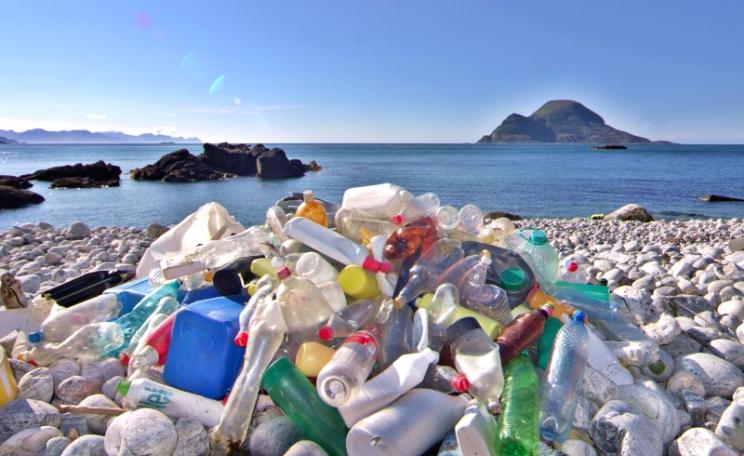
With the UN Ocean Conference beginning in New York next week, Elizabeth A Kirk asks: can we devise a legal system that promotes the ecological resilience of the oceans? To do so will mean placing ecosystems at the heart of decision making, over and above countries' selfish 'national interests'. It will be tough, but if we fail it's hard to see how the gamut of problems - from ocean acidification to plastic pollution and overfishing - can ever be solved.
Ecuador is the latest country to tear up 'free trade' agreements that have so far cost the country $21 billion in damages awarded to foreign companies by 'corporate courts', and yielded next to nothing in return, writes Nick Dearden. So the outgoing President Correa did the only sensible thing: in one of his final executive acts this month, he scrapped 16 toxic trade and investment treaties.
By shifting from globalisation to localisation, and creating smaller, self-sufficient communities within sustainable developments, cities could regain their equilibrium, writes Paul Jones. From where we stand today, the Organicity may sound like a Utopian dream. But if we're to avoid an urban apocalypse, we're going to need strong alternative visions, to change the way we imagine and plan for the cities of the future. Too good to be true? Or the way to human survival?
When Prime Minister Theresa May went to Brussels to hand in her 'Article 50' Brexit notice, she was also pursuing a separate, covert objective, writes Zachary Davies Boren. Leaked papers show that the UK was lobbying to gut new EU rules and targets on renewable energy and energy efficiency - even though they will only come into force after Brexit.
Women are not just a ‘tool' for social and environmental justice - they are agents of real change, and have the right to be engaged in all climate negotiations. ARTHUR WYNS reports on current moves to empower women to tackle climate change
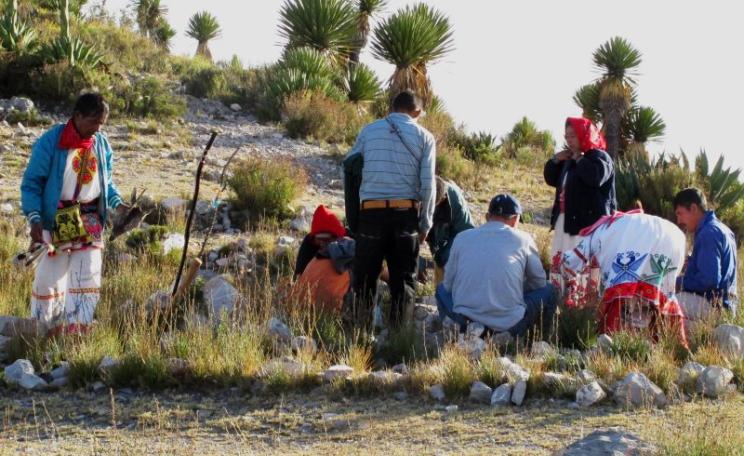
Silver, indigenous Huichol communities and the peyote they venerate have co-existed in Wirikuta, northern Mexico for thousands of years, writes Kurt Hollander. But it's become an increasingly troubled relationship, one that illustrates the deepest conflicts of Mexican society. The region is protected as a UNESCO Natural Sacred Area, but foreign mining companies are determined to exploit vast concessions that pose severe threats to the fragile landscape, its inhabitants and their ancient culture.
Alanna Smith aka the UK blogger Ecowildchild will be going plastic-free from 1st June as part of the annual Marine Conservation Society (MSC) campaign to raise awareness of the devastating impact single-use plastics are having on the environment. This is her invitiation to YOU to join her in this endeavour...
For 80 years Australia's Aboriginal peoples have called for land rights and sovereignty, writes Harry Hobbs. And for 80 years they have been ignored or brushed aside. But now delegates meeting at Uluru have issued a 'statement from the heart' demanding constitutional reform to empower Indigenous people to take 'a rightful place in our own country'. Their call must be heard!
Prime Minister Theresa May has made several serious mistakes in her election campaign, but her biggest 'unforced error' of all could be her public support for foxhunting, opposed by 17 in 20 voters. Now a huge march to her Downing Street residence is planned for next Monday to 'Make Hunting History!'
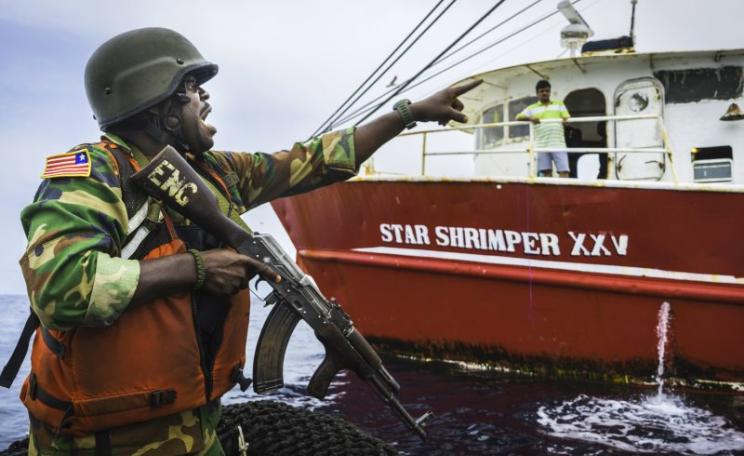
A 'Friend of the Sea' Dutch-owned trawler certified to supply 'sustainably caught' shrimp to the US and EU was arrested in Liberia after operating in an an area reserved for artisanal fishers, writes Peter Hammarstedt. The vessel, which had no licence and lacked the turtle excluders required by law, was discovered by the crew of Sea Shepherd's 'Bob Barker' in a joint mission with the Liberian Coast Guard to clamp down on rampant illegal fishing.
UK politicians (aside from the Green Party) may not have the environment high on the agenda but the British public want to remain part of the Paris Agreement and care deeply about climate change according to a new poll released today. JOE WARE reports
The participation of the fossil fuel industry in UN climate talks represents clear a conflict of interest, writes Pascoe Sabido. And nowhere has this been more apparent than at this month's UNFCCC meeting in Bonn, where fossil fuel representatives have slowed progress to a snail's pace. With just six months to go before November's COP23 negotiations, it's time to defy the US, EU and Australia, and kick fossil fuel lobbyists out!
It seems we've been talking about bringing green areas to urban spaces for years, but at this year's Chelsea Flower Show (which runs until 27th May) it's clear this theme remains a top priority writes LAURA BRIGGS who pays a visit to the world's best known flower show
A 2001 study that showed that glyphosate caused cancer in mice was ignored by the EFSA after the unsubstantiated allegation of a former US-EPA official that the mice used in the study were suffering from a viral infection that might have given them cancer, writes Claire Robinson. The EFSA failed to properly investigate the allegation, which appears to originate in a document linked to Monsanto, maker of the world's top-selling herbicide, glyphosate-based Roundup.
On the one side, the Guarani people and the entire panoply of international and Brazilian law asserting the rights of indigenous peoples to their lives, lands, and way of life. Against them, the entrenched economic and political power of farmers, ranchers, loggers and others exploiting the wealth of the Guarani's soils, forests and waters. Right now the power of money is winning every time. Only with international pressure can the Guarani emerge victorious.