The UK government claim that fracking is a 'clean' energy source rests on the conclusions of a single scientific paper, writes Paul Mobbs. And now that paper has been conclusively invalidated: it uses misleading figures that understate the methane emissions from fracking, and subsequent findings have left it totally discredited. Yet the paper is still being quoted to justify fracking, and the fool the public on its climate change impacts.
We live in violent and unpredictable times. What better time to focus on peace and listen to the voices of the peace-makers? Scilla Ellworthy challenges our assumptions about wars and presents a powerful strategy for building peace.
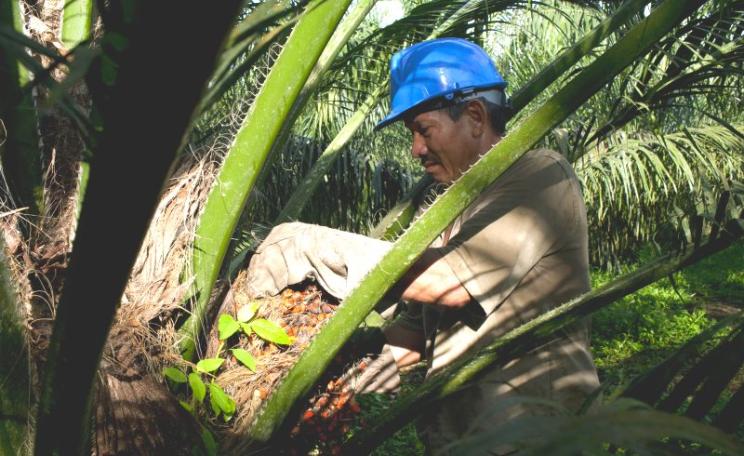
Thousands of small farmers were forced from their lands and homes by paramilitaries in Colombia's Santa Maria mountains, writes Paula Álvarez. But now as a welcome peace allows their return from involuntary exile, they find a new enemy that has come to stay - huge plantations of oil palm that have obliterated the mixed, patchwork landscape of small fields, villages, and swathes of forest on steep-sided hills that they used to inhabit.
Ecological farming has taken root in the UK, writes Phil Moore: drawing inspiration from the past while employing the latest ideas and techniques from organic, no-dig, permaculture, agroecology and agroforestry methods. But with agricultural fields selling for up to £10,000 an acre, there's a big difficultly for many would-be eco-farmers: access to land. Now, with public support, that's a problem the Ecological Land Cooperative is determined to solve.
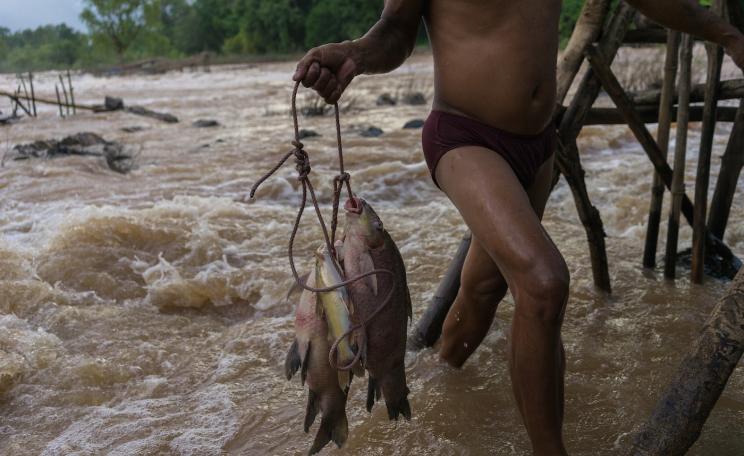
Scientists are praising the discovery of new species and rare dolphins in the Mekong region, but overfishing and dams loom to disrupt habitats writes NOSMOT GBADAMOSI in this special Ecologist report
There is a growing global movement to recognise the rights of rivers, writes Debadityo Sinha. But rights alone are not enough. We must love and respect rivers, and even think like rivers to understand the vital functions they perform within landscapes and ecosystems, and so discover where their 'best interests' truly lie. And then we must be willing to act: protecting rivers and restoring them to health and wholeness.
After years of pro-nuclear bombast from the Conservative Party, its 2017 manifesto hasn't got a single word to say about nuclear power, write Oliver Tickell & Ian Fairlie. Instead it announces a renewed focus on cutting energy costs, and a big boost for increasingly low-cost wind power; while both Labour and Libdems offer only weak, highly qualified support for new nuclear build. And so the great British 'nuclear renaissance' reaches its timely end.
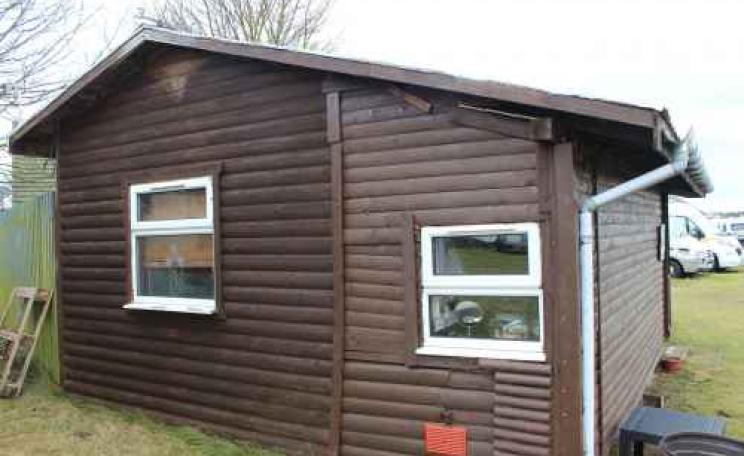
Scottish recycling expert, Angus Carnie has built an eco cabin in his native Carnoustie, Dundee, using only materials that were free. Now living happily without bills, he tells MATTHEW KONG how his modest home could help inspire a new vision for social and affordable housing
With the major party manifestos all published it's not just the Greens that oppose fracking, writes Mat Hope. It's also Labour and the Libdems. So who's left? The Tories of course, who are holding fast to the fracking faith, and even want to create a new special purpose regulator for the industry. Oh yes, and UKIP, which is also committed to abolishing the Climate Change Act.
It's election time and the race is on for public support, writes Eduardo Goncalves. So why on Earth did Tory leader Theresa May come out in favour of foxhunting - an activity loathed or disliked by over 80% of voters - at this crucial time, offering MPs a free vote on repealing the Hunting Act? Now let's put pressure on our candidates to keep the law against this cruel, archaic pastime.
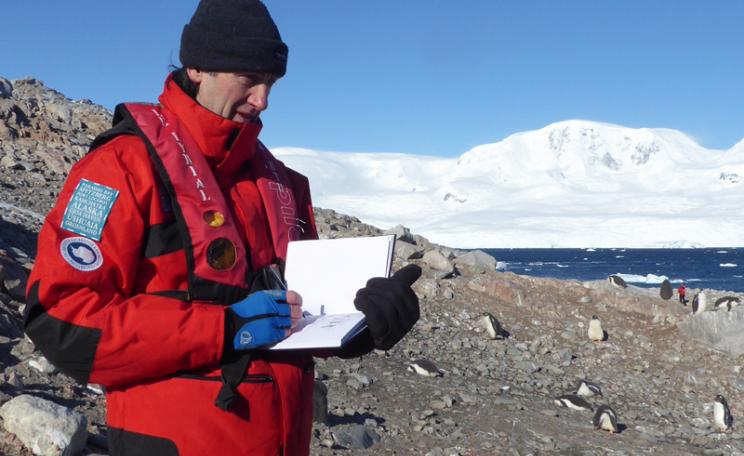
Our Arts Editor, GARY COOK, travels with his sketchbook to one of the last remaining wilderness places on Earth - Antartica - and returns home humbled by the experience
If we are to survive long into this century and beyond, our society will have to learn to re-indigenize (or rewild) itself - both its people and its environment, writes WILLIAM HAWES
May this new collection of John Muir's writings reach us now and inspire another generation to fall in love with wild nature, to care for it, to know that wilderness is not optional but central to our survival in the centuries to come, writes Terry Tempest Williams - and remind us how to embrace this beautiful, broken world once again with an open heart. If we do approach the mountain, it is we who are moved.
Food is so much more than a heap of pre-processed consumer products snatched from supermarket shelves or websites, writes Paul Mobbs. And the key to unlocking its deeper meaning is to prepare, bake and cook your own from basic ingredients: in the process expressing creativity, developing skills, building independence from the industrial food machine, meditating in doing, saving money ... and making some pretty amazing hummus!
Natural disasters like flood and drought have cost the Australian government more than A$12 billion since 2009, write Tayanah O'Donnel & Josephine Mummery, with even harsher weather events predicted for coming decades. Clearly, it's just the time for Australia to eliminate funding for research on adapting to climate change.