The nuclear industry faces an uncertain future as the reactor building boom is struck by unexpected costs, serious technical problems, and long, expensive delays, writes Paul Brown. Meanwhile renewables like wind and solar are offering investors an enviable combination of falling cost, low risk, fast build times, predictable returns and minimal long term liabilities.
This charming and beautifully illustrated story book will give pleasure to children everywhere, writes Lesley Docksey. It will also open their eyes (and with luck, those of parents and siblings) to the wonderful world of bats, and what we can do to look after them.
A 145,000 sq km area of peatland swamp forest has been discovered in the Congo Basin, writes Tim Radford, and it holds a record 30 Gt of carbon, equivalent to 20 years of US fossil fuel emissions. Now the race is on to protect it from damaging development that would emit that carbon over coming decades.
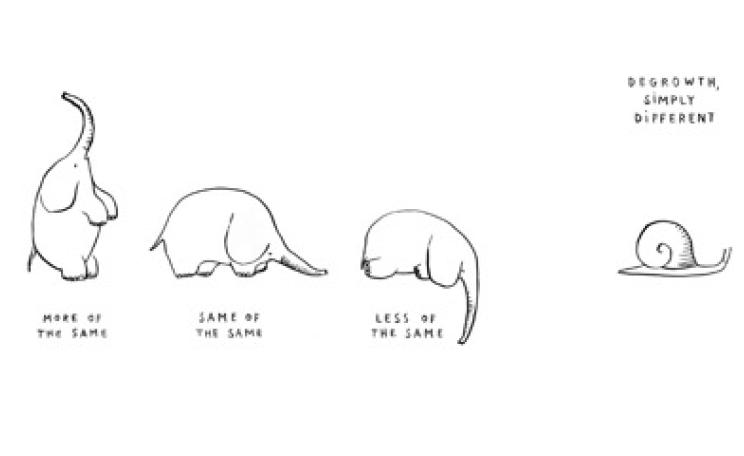
Ecological Economist FEDERICO DEMARIA was the youngest panellist at a recent House of Commons debate on ‘Degrowth' as a movement gaining traction and now entering the corridors of power. Here's his report on the challenges and tasks ahead
The loss of birds could significantly impact efforts to combat deforestation, according to research from scientists looking at species across the Brazilian Amazon. LAURA BRIGGS reports
Alexey V Yablokov (1933-2017) was a scientific giant of the post-Chernobyl age, writes Chris Busby. It was he who brought together the work of dissident Soviet scientists and revealed to the world, in English language, the true health impacts of the Chernobyl nuclear catastrophe. His hard work and dedication underlies the continuing opposition to the nuclear industry today.
In the first of his new Ecologist columns on the ups and downs of trying to live a Greener, low-impact lifestyle, writer PAUL MILES debates the eco pros and cons of getting his first dog
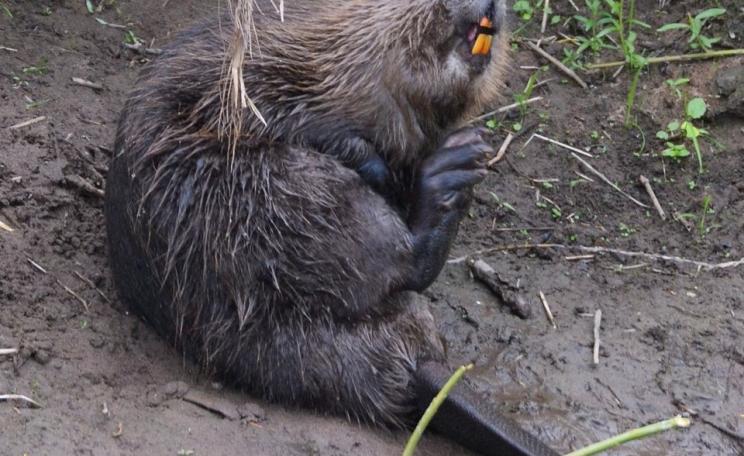
In 2020 the fate of Devon's River Otter wild beavers will be decided. With Chris Packham backing the campaign to save the species and the protection of beavers into Scotland recently getting the go-ahead, the outlook is bright for the species.LAURA BRIGGS reports
The green movement's squeamish social liberalism has left it to the political right to exploit public concerns about population and immigration, writes Colin Hines. We must make the progressive case for controlling our borders, and restricting not just migration but the free movement of goods, services and capital where it threatens environment, wellbeing and social cohesion.
The OECD is pursuing a complaint that WWF has funded abuses against the indigenous forest-dwelling Baka or 'Pygmy' peoples of Cameroon, after determining that its human rights guidelines do apply to WWF owing to the 'commercial nature' of its conservation activities.
As Kraków, Poland's second city, takes steps to protect its citizens from rising electromagnetic 'smog' from mobile phones, wifi, Bluetooth, smart meters and other devices, Lynne Wycherley summarises 2016's news highlights on the emerging bio-risks of rising exposure to non-ionisiong radiation. For how much longer can governments continue to ignore the growing evidence of harm?
EU-Canada trade deal CETA, like its more well-known ‘evil twin' deal, TTIP, is a new form of trade deal which targets the removal of social, health and environmental regulations, locks in privatisation of public services and introduces a ‘corporate court' system so big business across North America can sue European governments in a private justice system. Worse still, CETA will worsen runaway climate change warns MARK DEARN
Last week's decision by the Romanian government to seek UNESCO World Heritage status for Rosia Montana, a historic Carpathian mountain village under threat of gold mining, is a massive victory for campaigners after a hard 15-year struggle, writes Alexandru Predoiu - one that has united farmers, city-dwellers and new-age protestors against cultural and ecological destruction.
With the UK capital struggling to get commuters to work on time following strike action by tube and train drivers this week, JAN GOODEY reports on a project that will bring the first solar-powered electric buses to the public in the Spring
Back in the 1990s Scotts Miracle-Gro worked out a cunning plan, writes Jeff Manning: to make a fortune from a GMO grass seed for golf courses that survived the Roundup herbicide. But after investing $100 million in the project, it has never sold a single seed. And now the GMO is spreading from test plantings in Idaho, and threatening Oregon's $1 billion hay and grass seed industry.