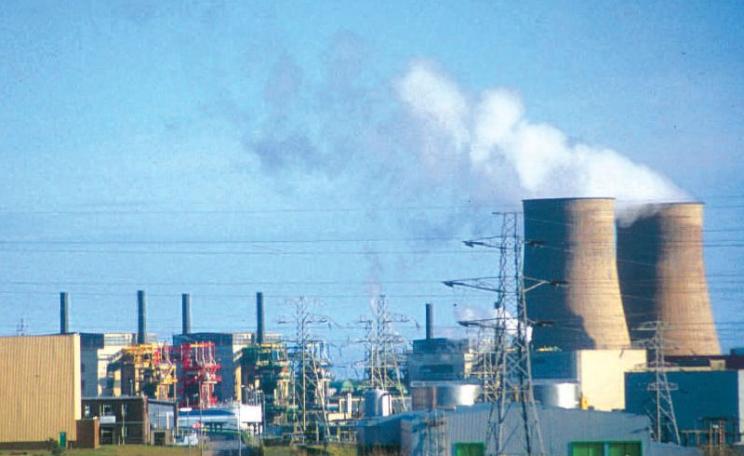
The coal power station at Aberthaw is not just polluting much of South Wales with its filthy emissions. It could also be seriously damaging the health of children in Colombia with coal dust from BHP Billiton's massive Cerrejón coal mine. In this open letter, Luz Ángela Uriana Epiayu implores RWE npower to shut down its stinking, obsolete and illegal power station.
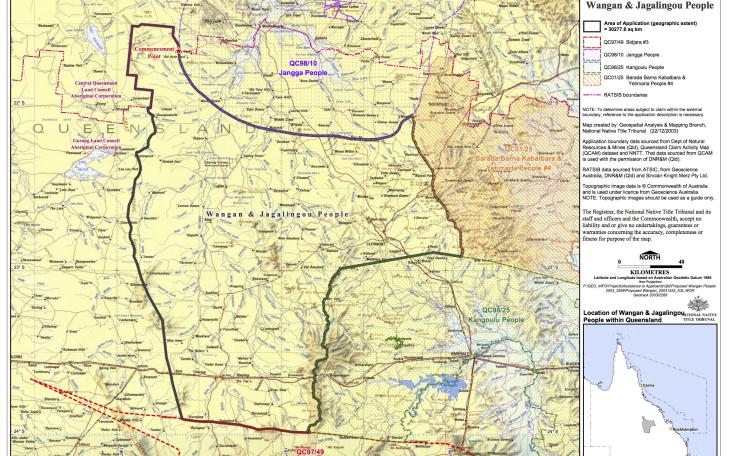
Indigenous elders from the Wangan and Jagalingou (W&J) people have put mining company Adani - and Australia's governments - on notice to quit the Carmichael mine project over native title claims. MAXINE NEWLANDS reports
Whatever people were voting for when they elected President Donald Trump, very few were seeking to remove the already scant protections afforded to dogs and puppies kept in unregulated 'factory farm' breeding sheds, writes JP Sottile. But that's the effect of the deregulatory whirlwind that's hit USDA: more profit for the animal abusers, and more suffering for the animals.
Nonviolent activism is an incredibly powerful means of transforming the world, writes Robert J. Burrowes. But to harness that power, we must understand that it works by inspiring others to join in a just and noble cause, while communicating the actions they can take in their own lives. Its essential modes are thus political and psychological - and victory can result from apparent failure.
Letters from an EPA toxicologist to the EPA official in charge of assessing whether glyphosate, the active ingredient of Monsanto's Roundup herbicide, causes cancer, reveal accusations of 'staff intimidation' and 'political conniving games with the science' to favour pesticide corporations, writes Carey Gillam. Could this be a game-changer for cancer-suffering plaintiffs?
The main company due to build UK's 'flagship' nuclear power project at Moorside in Cumbria is on the ropes, writes Doug Parr, thanks to its multi-billion dollar nuclear losses on in the US. The obvious solution, (almost) all our politicians insist, is to ignore cheaper, faster, cleaner renewables, and make the taxpayer pick up the cost of yet another nuclear white elephant.
Where are the places you hold most dear? According to a new report from the Climate Coalition - published to coincide with Valentine's Day - they may already be under threat from climate change which is closer to home than you might think. JOE WARE reports
At what point are technologies so complex, uncertain, or unmanageable as to be beyond regulation? The question is key to human and ecological health, writes Jonatham Latham. But instead of learning from successful approaches, such as aviation safety, we are throwing the lessons away when faced with truly complex problems - like chemicals, GMOs, and now 'gene drives'.
Weeks after a major legal victory in London's High Court over oil-polluted communities in Nigeria, writes Joe Sandler Clarke, Shell has suffered a dramatic reversal of fortunes as Italian prosecutors charge the company, and Italy's Eni, on corruption charges over a $1.3 billion oil deal.
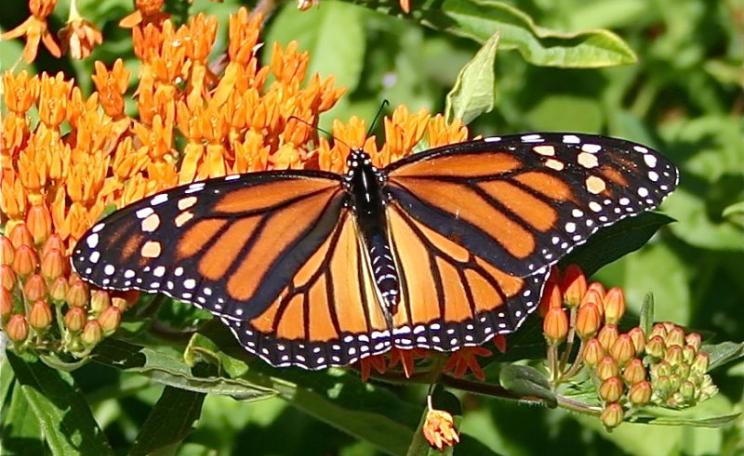
It's been another disastrous year for North America's Monarch butterflies, with the insect's population down 27% in a single year. The sudden decline is blamed on severe winter storms in Mexico, and the impacts of GMO crops, herbicides and insecticides on US farms.
Colombia is now closer than ever to finding a peaceful resolution to generations of violence. With so much to gain in a post-conflict world - as much for the Colombian people as for their environment - the sudden prospect of losing it all will make for tense months ahead writes FOREST RAY
It's not just that the government does not seem to care about the millions of Britons that have died prematurely from traffic pollution, writes Donnachadh McCarthy. It's that every policy intervention they have made is making the problem worse! Join us this Saturday to demand a sane transport policy that will make our roads safe for people, and our air fit to breathe.
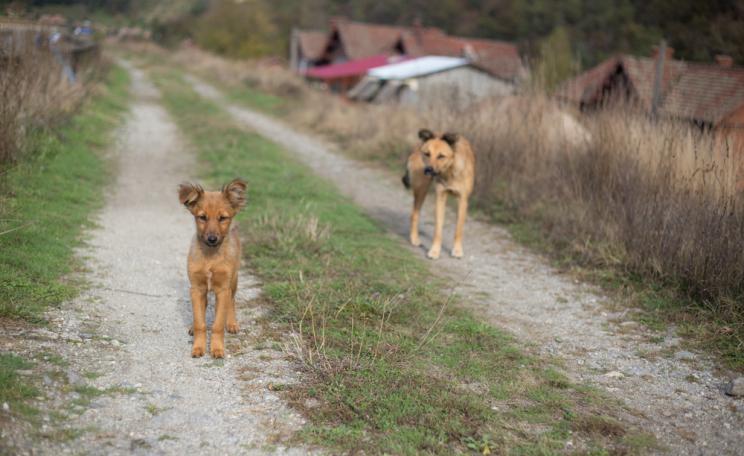
Animal campaigners who have returned from investigating the torture of street dogs in Romania are calling for new legislation that will prosecute those responsible
We should resurrect the 1940s plans for a Grand Contour Canal - a 100ft-wide waterway that would have followed the 300ft contour line around England from Newcastle to London to Southampton and many places in-between - and then we could all travel more pleasurably, writes PAUL MILES