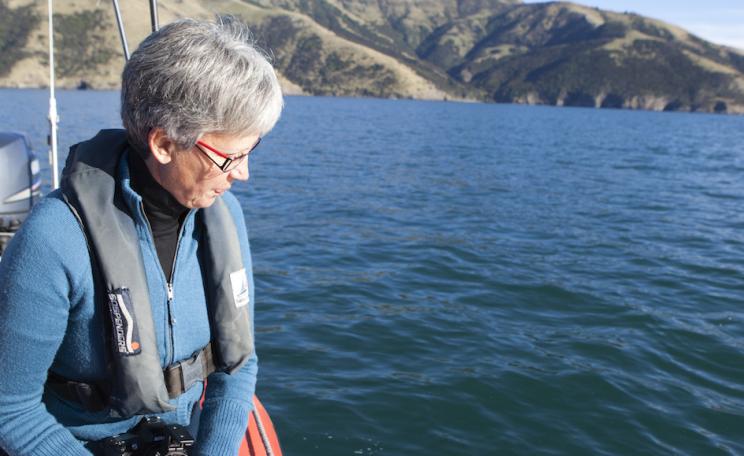
Ecologist reporter MAXINE NEWLANDS sat down with the world's leading coral reef expert, distinguished Professor Terry Hughes FAA, Director of the Australian Research Council Centre of Excellence for Integrated Coral Reef Studies, (ARCCOE) at James Cook University and asked him directly what are the chances for the Reefs' survival?
In the fight for a better, cleaner, more just and sustainable world, it's not enough just to oppose all all the 'bads' that crowd in from all sides, writes Mike Childs. We also have to build our own vision of the future, and map out the changes we must make to get there. And that's what Friends of the Earth is setting out to do in its transformational 'Big Ideas Change the World' project.
New Zealand's Maui dolphin, the world's smallest, is headed to extinction after a half-century of lethal encounters with fishermen's nets. Even as government-funded scientists detail its decline and opposition Labour and Greens call for net bans - which opinion polls show most Kiwis support - the ruling National Party, headed by a fishing magnate, denies there is any problem. CHRISTOPHER PALA reports ...
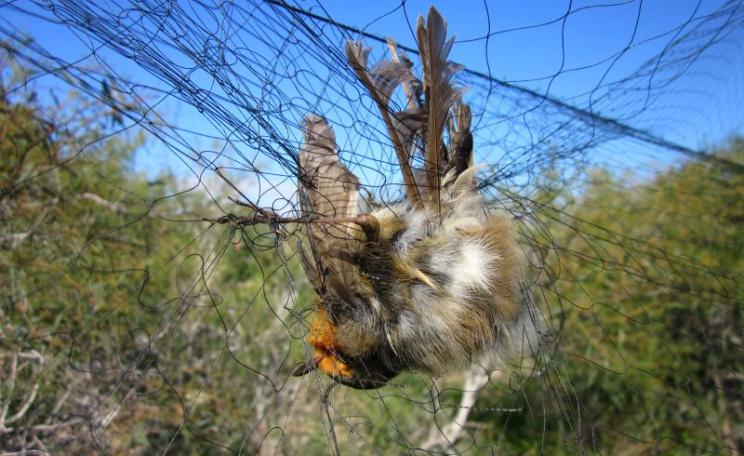
The illegal trapping of birds on Cyprus is taking place on an industrial scale, writes Jamie Wyver, and the biggest hotspot is on a British army base where over 800,000 birds were killed last year. It's time for the British and Cyprus governments to confront the criminals, clear the acacia bushes in which the birds are trapped, and close the illegal restaurants serving them as 'delicacies'.
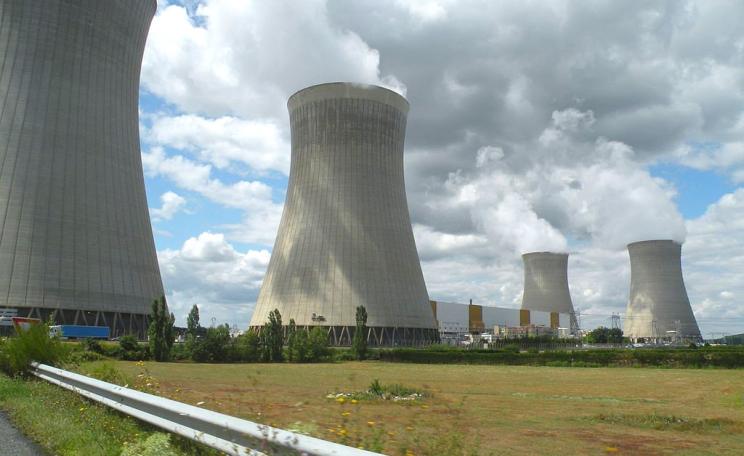
Soon EDF will have to start the biggest, most complex and costliest nuclear decommissioning and radioactive waste management programme on earth, writes Paul Dorfman. But whereas Germany has set aside €38 billion to decommission 17 nuclear reactors, France has set aside only €23 billion to decommission its 58 reactors. When the real costs come in, they could easily bankrupt the company.
Orthodox economic measures like Gross Domestic product fail to measure the things that matter most, write Judith Schleicher & Bhaskar Vira: like human wellbeing and ecological health. This creates a systematic bias in 'development' policies that must urgently be addressed if we are to build an inclusive, equitable and sustainable society
Campaigners up and down the country are trying to stop public access land from going under the hammer as UK councils seek ways to plug the Government funding gap. JAN GOODEY reports
The 25 TB-infected hounds of the Kimblewick hunt, all put down, remind us that the lot of hunting dogs is not a happy one, writes Lesley Docksey. Unloved and at constant risk of slaughter, they are prone to a host of diseases, from bovine TB to brucellosis, neospora and botulism, which they can pass on to farm stock, humans and other dogs. They deserve better!
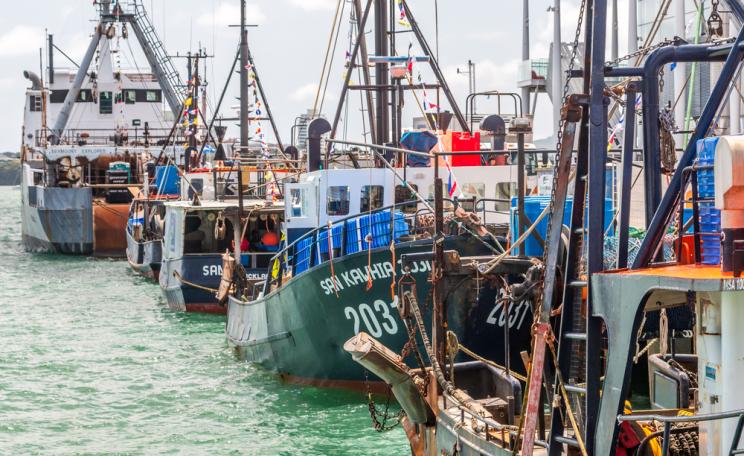
New Zealand's "Clean and Green" image has been tarnished by revelations that senior officials covered up massive waste and fraud in its fisheries even as they claimed that the country neo-liberal management scheme was a world leader. Amazingly, some still do.
CHRISTOPHER PALA reports
Post Brexit, get ready for a massive attack on our liberty, especially on the right to protest, writes Paul Mobbs. With the UK likely to secede from the European Convention on Human Rights, prepare for a new empowerment of police to act with impunity against peaceful activists. We must be ready to stand up, with honour and dignity, for our ancient British right to dissent.
As the UK Forestry Commission imposes a blanket ban on foraging in the New Forest, our food columnist, chef TIM MADDAMS questions the wisdom of this and makes the link between foraging and mindfulness
Britain's trade in waste plastic to the Far East is booming. But it's not good news. The exported plastic is meant to be recycled under UK conditions and standards, but often is not, undermining bona fide UK recycling firms who face falling prices, reduced turnover, collapsing profits, and all too often, closure.
With the sixth anniversary of the Fukushima disaster falling tomorrow, nuclear lobbyists are arguing over solutions to the existential crisis facing nuclear power, writes Jim Green. Some favour a multinational consolidation of large conventional reactor designs, while others back technological innovation and 'small modular reactors'. But in truth, both approaches are doomed to failure.
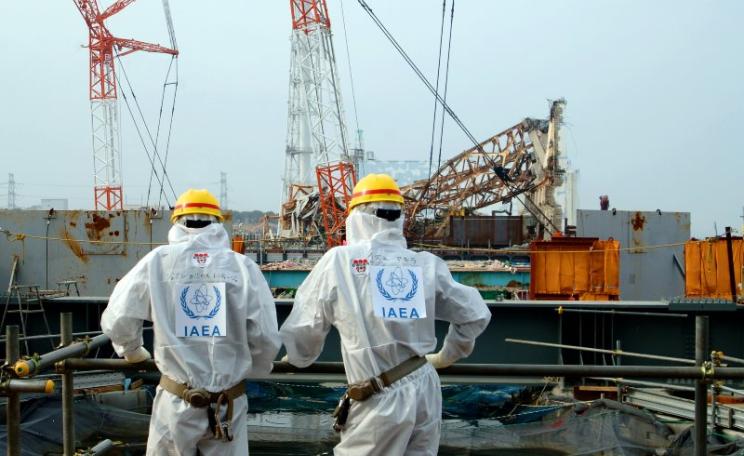
The 2011 Fukushima catastrophe is an ongoing disaster whose end only gets more remote as time passes. The government is desperate to get evacuees back into their homes for the 2020 Tokyo Olympics, but the problems on the ground, and in the breached reactor vessels, are only getting more serious and costly, as unbelievable volumes of radiation contaminate land, air and ocean.
The sonic backdrop to our lives is increasingly one of unwanted technospheric noise, writes Paul Mobbs. And as it eclipses the sounds of nature, it's taking its toll on our health, wellbeing and quality of life. So as well as campaigning for more trees, and quieter cars, trucks and aircraft, what's to be done? Let us seek out calm moments of quiet tranquillity - and listen to the birds.