This year's prestigious Leontief Prize for economics has been awarded to Professors James Boyce and Joan Martinez-Alier for their ground-breaking theoretical and applied work integrating ecological, developmental, and justice-oriented approaches into the field of economics. They are worthy winners, says NICK MEYNEN
Below-par farm biosecurity should block farmers from participating in England's badger culls, writes Anna Dale. But a large body of evidence of poor and negligent biosecurity by farmers suggests that Natural England, the government's official regulator, is turning a blind eye to this strict requirement - and undermining the purpose of the cull.
In the year 2067, the eating of meat - carnism - will be seen as crime similar to cannibalism today, writes Matthew Adams. That is, in the fertile imagination of Simon Amstell, expressed in his BBC iPlayer film 'Carnage'. With 55 billion animals slaughtered every year for their meat, the vision looks remote. But the world will be a far better place if we begin the transition to plant-based diets - for our health, that of the planet, and not least, the animals themselves.
Abusing animals is no more justifiable than abusing people, writes Peter Tatchell. The moral touchstone is sentience, not species, and the 'humans first' ideology of speciesism is analogous to homophobia, racism & misogyny. Cruelty is barbarism, whether inflicted on humans or on other species. We need to recognise and accept our common animal nature.
We may know that palm oil is wiping out rainforests worldwide, writes Philip Lymbery. But few realise that our factory farmed meat and dairy are contributing to the problem. As revealed in Philip's new book, 'Dead Zone: Where the Wild Things Were', palm kernels, left after pressing the fruit for oil, is a protein-rich livestock feed of growing importance. And nowhere is the impact greater than Sumatra, home (for now) to its own unique species of elephant.
A vicious cycle of climate change, cattle diet and rising methane has been revealed in a new scientific study: as temperatures rise, forage plants get tougher and harder to digest, and cause more methane to be produced in bovine stomachs. And with cattle numbers rising and methane 85 times more powerful a greenhouse gas over 20 years, that spells trouble.
Warming sea waters - caused by climate change and extreme climatic events - threaten the stability of tropical coral reefs, with potentially devastating implications for many reef species and the human communities that reefs support warn scientists at Exeter University
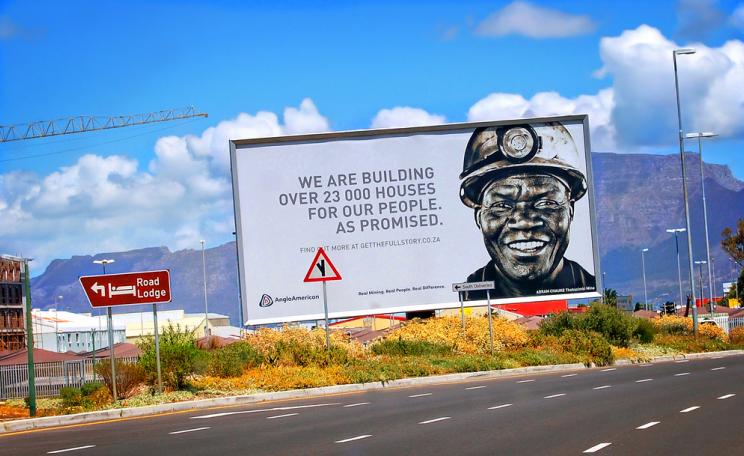
The South African government is currently embarking on streamlining decision-making processes in mining. To many this sounds like more top-down decision-making at the expense of those communities that will have to host mines and paves the way for more violent conflict, warns JASPER FINKELDEY
Just as long term research into the health impacts of the 'electrosmog' created by wifi and mobile phones is yielding its first results, it's at risk of sudden termination from President Trump's budget cuts, writes Paul Mobbs. But the cuts have little to do with saving money - and a lot to do with protecting corporate profit and economic growth from harsh truths, including evidence that electrosmog causes cancer in laboratory rats, and maybe humans too.
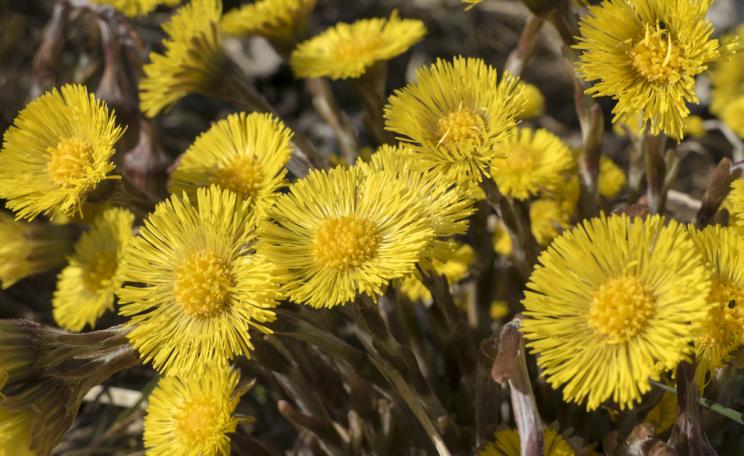
Before taking to a low impact lifestyle aboard his narrowboat, PAUL MILES imagined foraging - especially in springtime - would keep his galley larder well stocked but learns the reality is very different ...
In its Right of Reply to our recent article questioning the sustainability of New Zealand fishing practices, the Marine Stewardship Council (MSC) explains its certification is based on current and not historical practices.
A recently discovered peatland in northeast Peru contains two years worth of US carbon emissions, writes Joe Sandler Clarke, but it's under threat from the rapidly advancing 'palm oil frontier'. Now scientists are calling for the wetland's immediate protection - before it's too late to save it.
Over 90% of major armed conflicts between 1950-2000 occurred in countries containing biodiversity hotspots,writes Alex Reid, and more than 80% of these took place in the hotspot areas themselves. This poses a major challenge to the conservation community: to work in combat zones to strengthen environmental protection before, during and after conflicts. Or better still, to defuse incipient conflicts and resolve those under way, to reduce their toll on people, and nature.
In the second part of his WITNESS blog investigating the dangers of increasing ocean acidification, CONOR PURCELL learns that increase rates are already 10 times higher than at any time in the last 55 million years which, naturally, does not bode well for all ocean ecosystems
Ecologist Arts Editor, GARY COOK, meets a UK-based artist/musician whose unique 'soundscapes' capture the other worldly genus loci of the natural world - its sacred sites and hidden gems