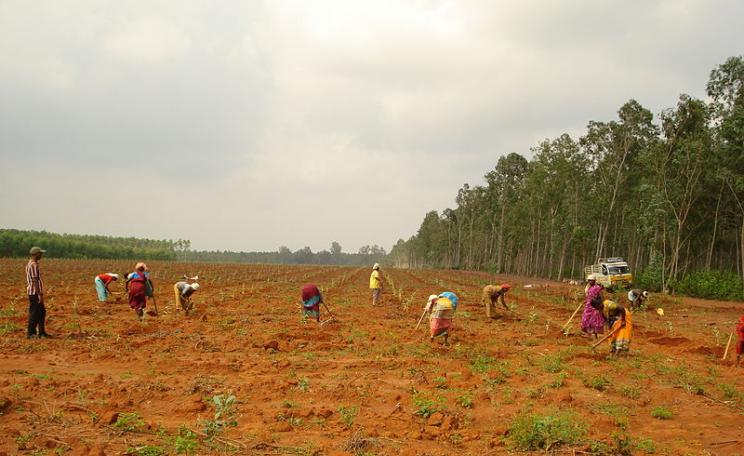
A new study sets out the huge benefits of organic farming to people and the environment, writes Peter Melchett, including more wildlife, healthier consumers and farm workers, lower greenhouse gas emissions, reduced soil erosion and increased water retention. We need more of it, fast!
World Bank projects have left a worldwide trail of evictions, displacements, rapes, murders, forest destruction, greenhouse-gas-belching fossil fuel projects, and destruction of farmland and water sources, writes Pete Dolack. But even as internal reports admit the Bank's wrongdoing, it is asserting its immunity from legal action as terrorised communities seek redress in the courts.
Natural gas is meant to be a far lower carbon fuel than coal, writes Steve Horn. But a new study shows that methane leaks from gas power plants and oil refineries are 20-120 times higher than thought. And with methane a greenhouse gas almost 100 times stronger than CO2 over 20 years, the leaks are equivalent to about a tenth of the US's CO2 emissions.
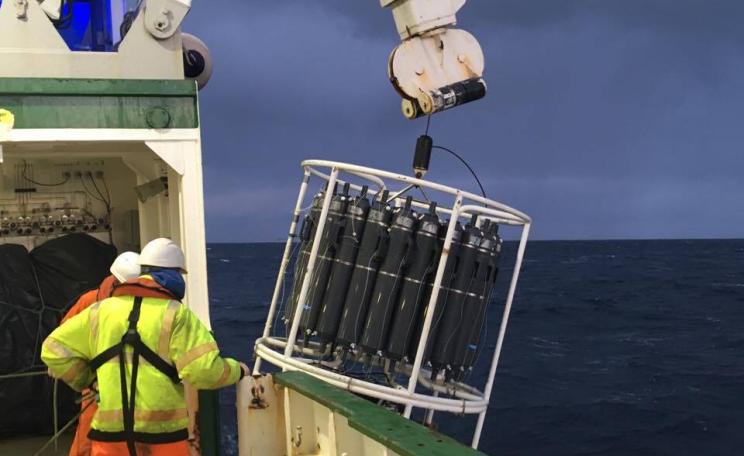
In the first of his two-part WITNESS blog CONOR PURCELL joins the Irish marine scientists aboard the Celtic Explorer to learn more about how they are testing for ocean acidification
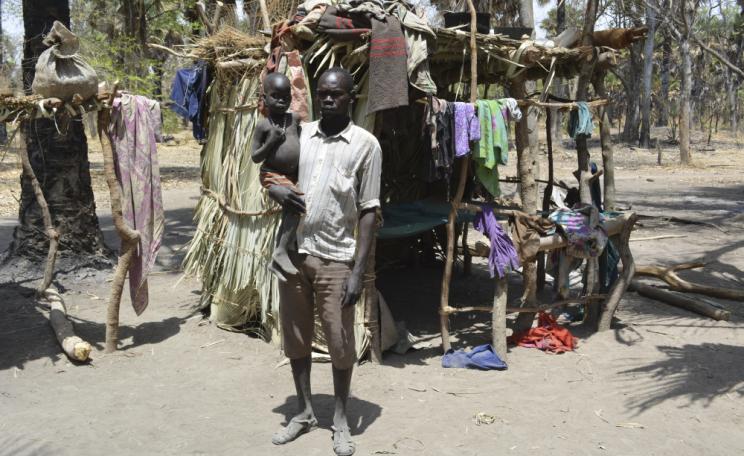
The world is seeing the human cost of climate disruption playing out across the Horn of Africa. Severe droughts, erratic rainfall and rising temperatures have tipped nations towards famine and left communities fighting for survival. But it's also a man-made crisis and one that we can address both in the short and long term reports JOE WARE
So-called 'smart meters' are being rolled out across the UK, writes David Toke, but they don't support the dynamic pricing that's essential to expand renewable energy and decarbonise our electricity. It's time for green NGOs to get campaigning - and not leave vital decisions to a hostile government, a failing regulator and industry insiders.
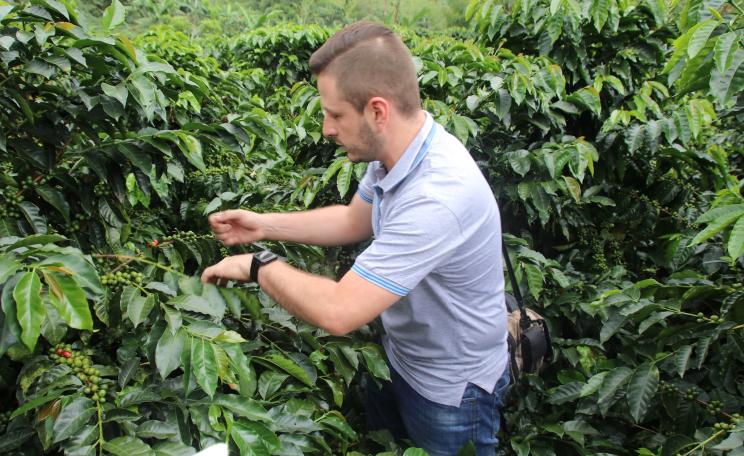
Growing coffee is both a point of pride and a significant economic driver for Colombia but a changing climate is now threatening the harvest. FOREST RAY reports on the new challenges facing growers from that country
Since 1948 the UN's Food and Agriculture has been clinging to an outmoded definition of 'forests' that includes industrial wood plantations, writes WRM in this Open Letter for delivery to the FAO today, International Forests Day. This mis-definition seriously harms real forests and forest peoples as it justifies the clearance of real forests and their replacement with cash crops of trees.
A Japanese court has found the government and Tepco culpable for the Fukushima nuclear disaster for failing to act on clear warnings of the dangers of seismic shocks, writes Shaun Burnie. The ruling is sending a shockwave through Japan's 'nuclear village' and may end all prospects of any mass restart of reactors.
The badger cull is a clear failure on scientific, cost and humanity grounds, writes Dominic Dyer. Yet the government is planning a major extension of the cull in 2017. That's why he has just sent a copy of his acclaimed book to every British MP, before they debate the issue next week. Write to yours now demanding an end to the slaughter!
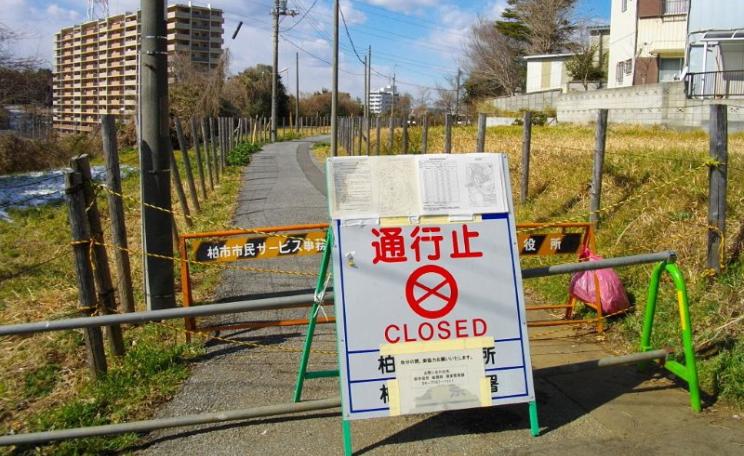
The discovery of a tiny but deadly radioactive 'hot particle' in mud from the Esk estuary near Sellafield has highlighted the dangers the nuclear site poses to residents and visitors, writes Chris Busby. Independent measures of radiation show far higher levels that those of regulators, similar to readings in the Chernobyl and Fukushima exclusion zones. Local villages should be evacuated.
In 2011 the Fukushima region of Japan was devastated by an earthquake and nuclear disaster. Six years on, the residents have begun to rebuild their lives and are producing Japanese cotton.
The facts are simple: a new London runway means more planes, more noise, more pollution and more global warming, write David Howarth & Steven Griggs. The 'Heathrow 2.0' initiative's conflation of 'sustainability' and 'sustainable growth' and its avoidance of climate change reek of Trumpian 'alternative facts'.
The curator of the new Force of Nature exhibition in London's Art Pavilion tells our Arts Editor, GARY COOK, that from the beginning of human history, and in every culture, nature has played a vital role in creative expression