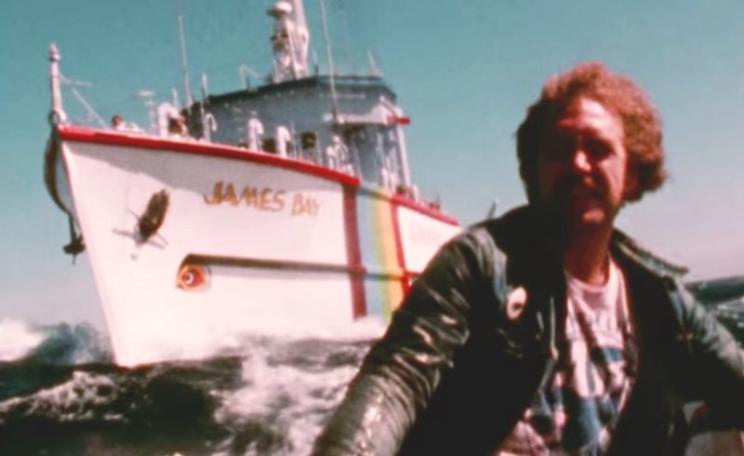
The Green movement is above all about leading social change, writes Greenpeace co-founder Rex Weyler. While facts and arguments are important, the main task is to replace mainstream justifications of the status quo with new, compelling narratives of a higher moral order. And the most powerful means of achieving this is by symbolic, non-violent direct action.
The new Vision for Nature report highlights what young people want to see politicians doing to protect the environment. And there is nobody better qualified to make these demands than the generation that will inherit the future, writes MATT WILLIAMS
It is becoming ever more apparent that if the proposed new Rampal coal plant is a ‘dream project' for India, then as currently conceived it stands to become a nightmare for Bangladesh warns GREIG AITKEN
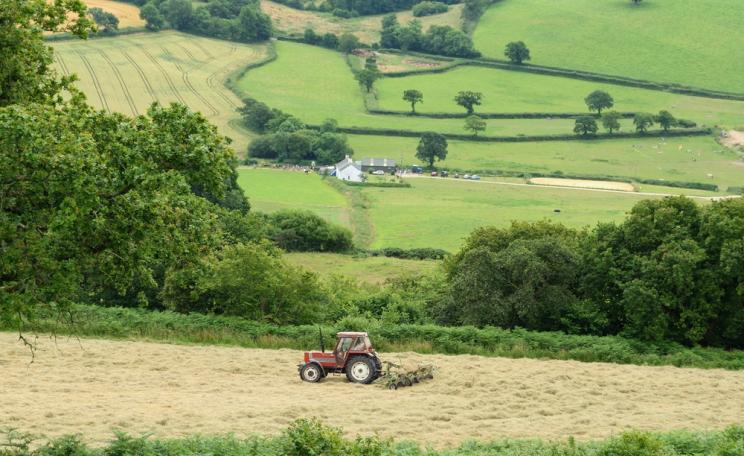
At a post-Brexit crossroads, we may still articulate a new vision for the countryside, one which expresses the concerns and desires of stakeholders - farmers, conservationists, land and land tenure reform advocates, communities, and environmentalists writes JAMES LUCHTE
With some climate predictions warning that river water temperatures will exceed safe thresholds for river fish, the Keep Rivers Cool (KRC) campaign is calling for more riverside tree planting.
The government's surprise delay in signing the contract with EDF to build the Hinkley C nuclear power station has opened up a the space for a forward-looking UK energy policy, writes Jonathon Porritt - one that moves us into the world of low cost renewables, and smart new technologies vital to the global clean energy transition. But is Business & Energy Greg Clark for real? Don't rule it out!
In his new column for the Ecologist, chef and campaigner TIM MADDAMS tackles the big question - how do we reduce the environmental impact of the food we buy?
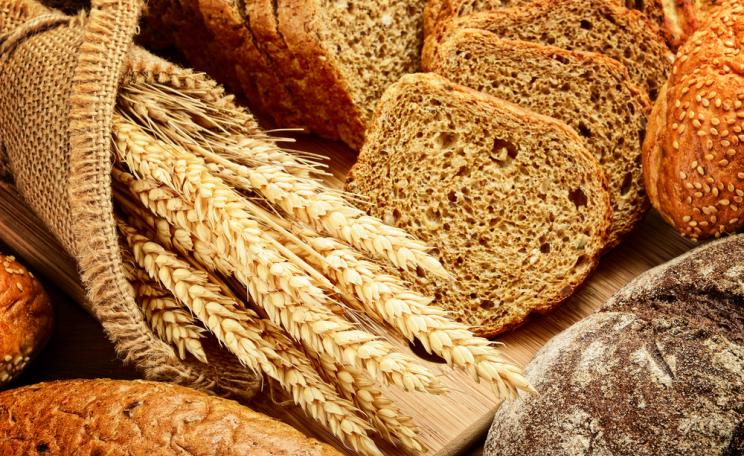
The Soil Association is calling on bread producers and supermarkets to stop making and selling bread products that contain traces of Glyphosate. LAURA BRIGGS reports.
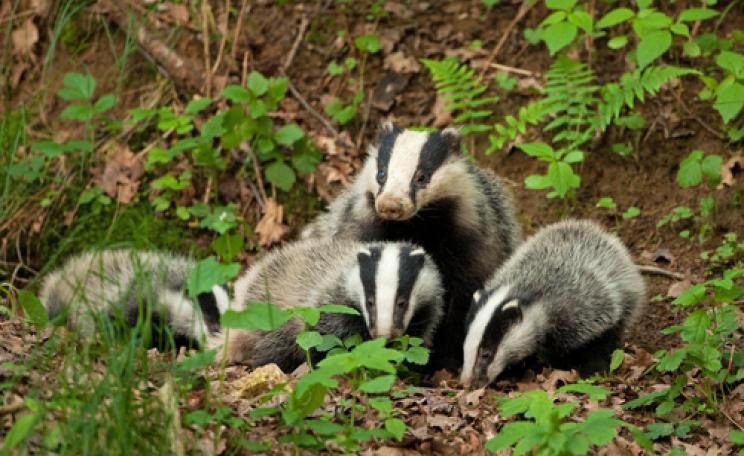
With the publication today of a new report that admits badgers tend to avoid direct contact with cattle, LESLEY DOCKSEY asks why are badgers still being blamed for bovine TB?
This autumn the Monsanto Tribunal will assemble experts from around the world to set out the evidence against the global mega-corporation, which will stand accused of monstrous 'crimes' against people and the environment. The Tribunal's verdict will not be legally binding - this time. But on a future occasion, it may be.
You will recognise the famous surname but unlike his father, Jacques Cousteau, who spent a career discovering and sharing the mysteries and wonders of ocean life, Pierre-Yves Cousteau is having to campaign for its protection from over-fishing and the accompanying destruction of marine biodiversity. KASSANDRA LEFAKINIS finds herself engaged by a new film documenting this struggle and the bigger task ahead....
Uranium mining is a dirty business that we didn't clean up but sourced out to less demanding countries, so why isn't this being discussed in any debate about nuclear energy asks NICK MEYNEN
Cornell student Robert Schooler was shocked at the pro-GMO propaganda emanating from Cornell University and it's Gates-funded 'Alliance for Science'. But rather than just complain about it, he decided to fight back - with his popular 'GMOWTF' website and an important lecture series this fall by GMO experts on the Cornell campus - the ones that Cornell has been ignoring for years.
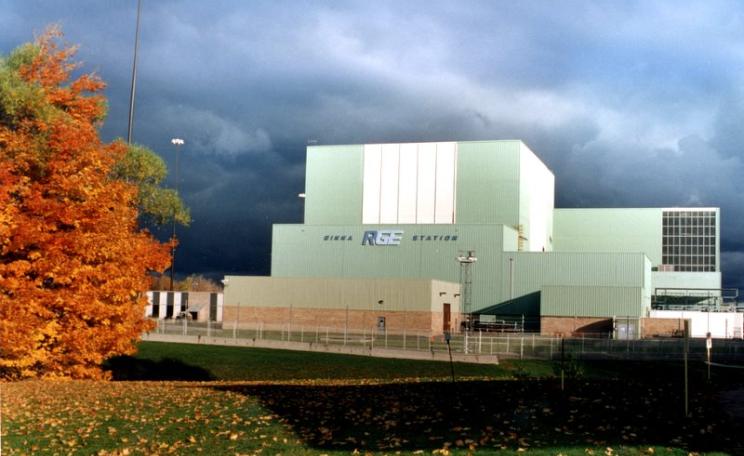
New York has approved a massive $7.6 billion subsidy to keep four ageing upstate plants open on the false promise that they provide 'clean and renewable energy', writes Karl Grossman. Campaigners for genuine clean energy fear that other pro-nuclear states may follow NY Governor Cuomo's dubious lead.
Investigative reporter, TOM FAWTHROP has just returned from the site of the Don Sahong - a hydrodam being constructed in the middle of an eco-paradise of wetlands in Southern Laos where over 200 fish species have been recorded.