Thanks to an increasingly aggressive US foreign policy pursued over decades, NATO nuclear missiles and armed forces are poised on Russia's border, writes Conn Hallinan - forcing it to abandon its 'no first use of nuclear weapons' pledge in view of the massively asymmetrical threat it faces. The world must step back from the brink of nuclear annihilation.
A new UN report warns of a threefold increase in extraction of the Earth's primary materials between 1970 and 2010, writes Alex Kirby. The boom in the production of minerals, ores, fossil fuels, timber and biomass and will be to intensify climate change, increase air pollution and reduce biodiversity.
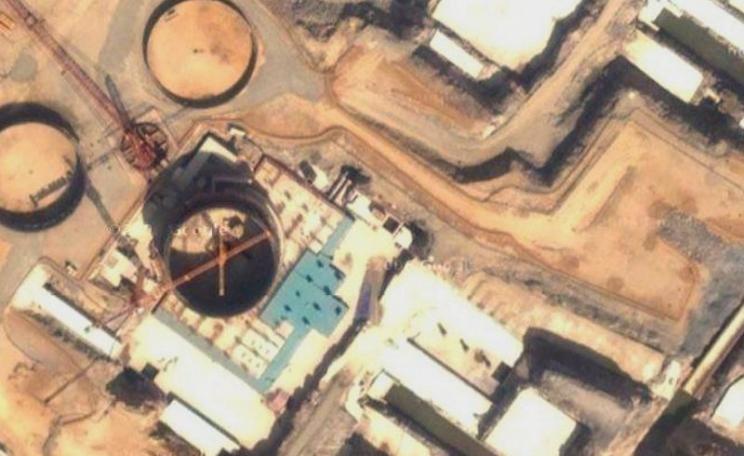
When Theresa May proclaims in Parliament that we need the £200 billion Trident nuclear missile system to see off the North Korean nuclear threat, writes David Lowry, just bear this in mind. It is a threat that the UK, global nuclear proliferator in chief, created in the first place, providing both the reactor technology and vital centrifuge materials to make North Korea's nuclear dream come true.
The idea of "Natural Capital" as a way of seeing the world has caught on in a big way. There is a Natural Capital Coalition, a Natural Capital Protocol, and the Government even has a Natural Capital Committee. But what assumptions lurk within this term "Natural Capital"? A new University of Anglia arts-funded project aims to find out and one of those involved VICTOR ANDERSON will be giving us regular updates on the issues being raised
Key to the Leave campaign's success was its focus on 'core values' like patriotism, independence and cultural purity, writes George Marshall, summed up in simple memes like 'defending our borders'. The Remainers' reliance on elite and expert opinion was hopelessly flat-footed - and went against everything climate campaigners have learned about winning over public opinion.
There is now a very real hope that thousands of animals in Ireland will be spared from painful laboratory testing thanks to new funding from the Government for alternative scientific research. Ecologist reporter, LAURA BRIGGS reports
Although flowing water is fundamental to river ecosystems, temporary streams are distinctive landscape features that support surprisingly diverse communities, writes Rachel Stubbington. However, the biodiversity of these dynamic ecosystems needs greater recognition and protection.
EDF's 'final investment decision' on the Hinkley C nuclear power station next week will be pure theatre, writes David Toke. The truth is that no concrete is to be poured until 2019 at the earliest. Meanwhile post-Brexit UK is running out of money to pay for it, and EDF is under investigation by the Financial Markets Authority for concealing information on Hinkley from investors.
Britain's political, economic and media elites will be the last to turn against the neoliberal system that spawned them, writes Jonathan Cook - even as it impoverishes the country and endangers our fragile planet. Cheered on by the Guardian, most Labour MPs would rather destroy their own party than let Corbyn and his backers make it fit for its 21st century purpose.
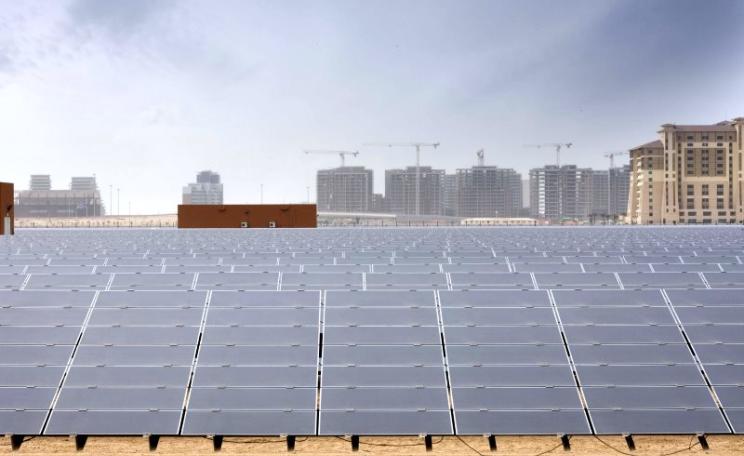
Solar is already the cheapest available power across large swathes of the tropics, writes Chris Goodall - its cost down 99.7% since the early 70s. Soon it will be the cheapest electricity everywhere, providing clean, secure, affordable energy for all.
The UK's Brexit vote probably did reflect widespread anti-immigration sentiment, writes Alex Randall. And that may persuade environmental groups to tap into the xenophobic zeitgeist to win support and appear 'relevant'. But that's a temptation they must resist, because it's wrong - for factual, logical and ethical reasons.
Campaigners have forced the biggest shareholder in a titanium mining project on south Africa's 'Wild Coast' to withdraw, reports Rachel Lees. But they now fear the project itself will continue under the auspices of local 'front' companies, while the big profits enrich the British and Australian investors that are the real masters of Africa's neo-colonial minerals boom.
Traveling in the US by boat and train visiting solar laboratories and environmental groups, Keith Barnham found many successful community initiatives in renewable electricity, and brings news of progress towards the ultimate renewable challenge: a solar fuel that could eventually replace gasoline in cars, trucks, buses, trains and aircraft.
A 7-year old boy has been shot by park guards in Kaziranga national park, India, visited in April by Prince William and Kate, which operates a strict 'shoot first' policy. The incident highlights the government's wider efforts to evict tribal peoples from their forests in the name of conservation.
Instead of leaching the world's resources to support out-of-control consumerism, EU leaders could do worse than ponder novelist Victor Hugo's claim that whilst "you can kill people, you can't kill an idea whose time has come", writes NICK MEYNEN